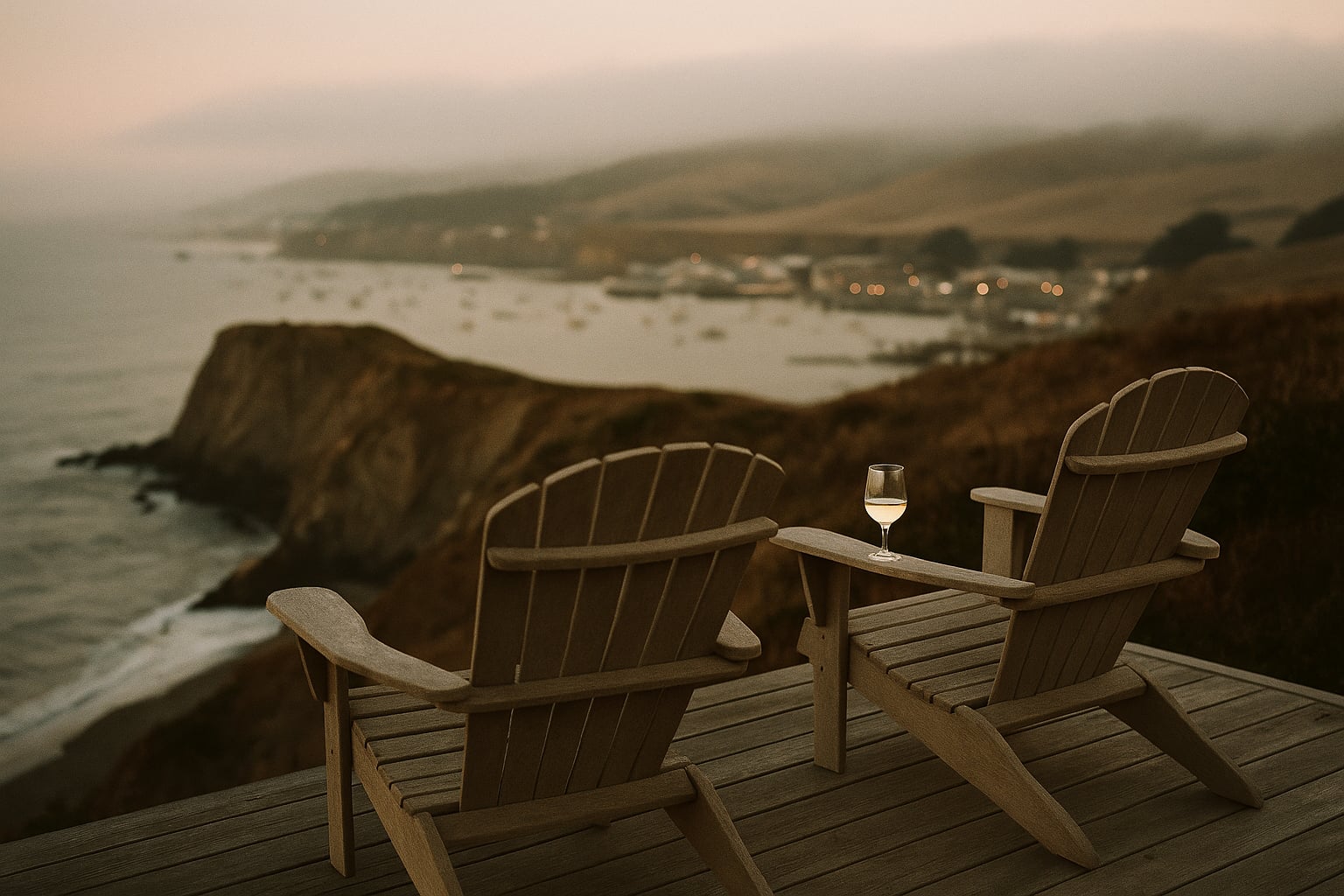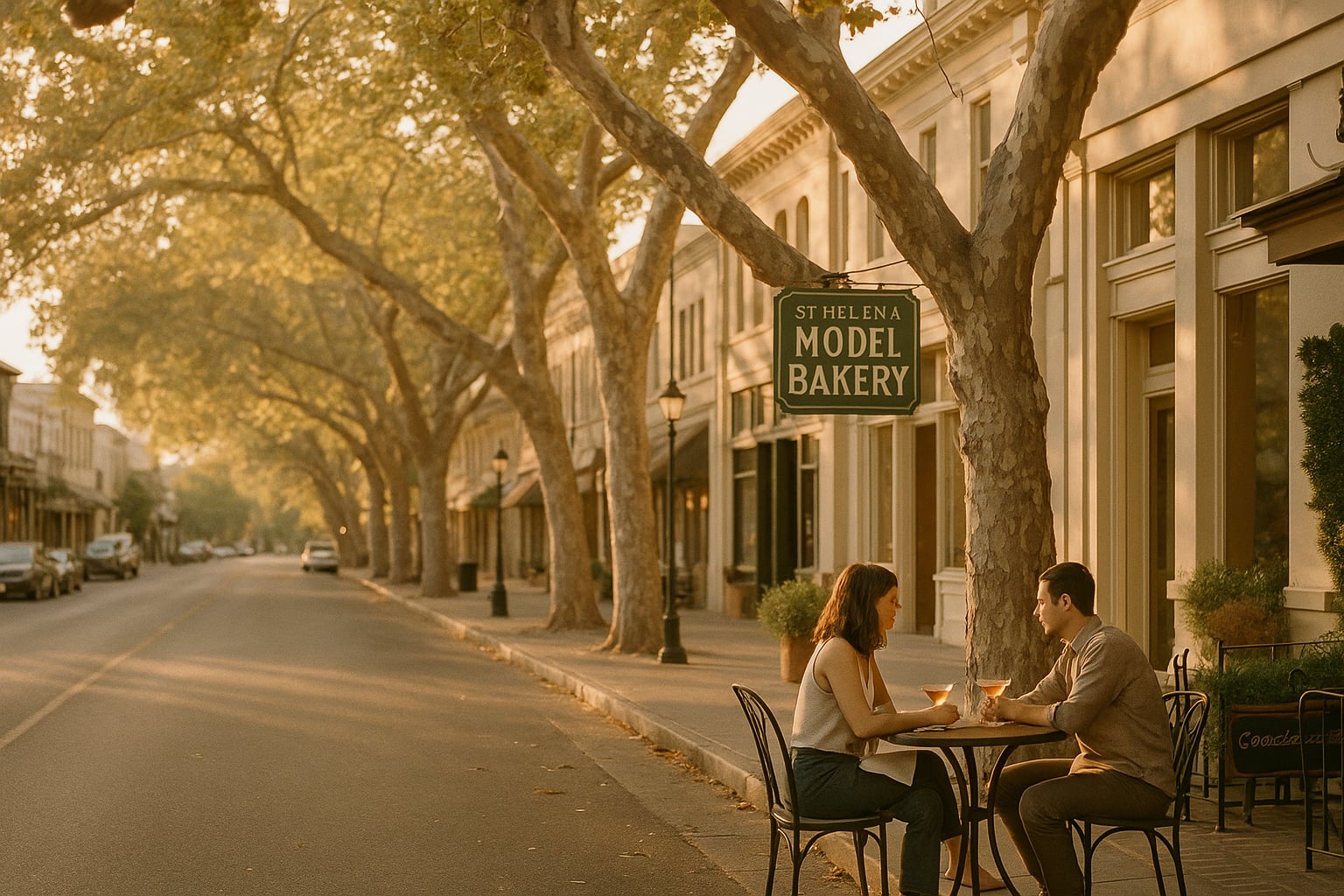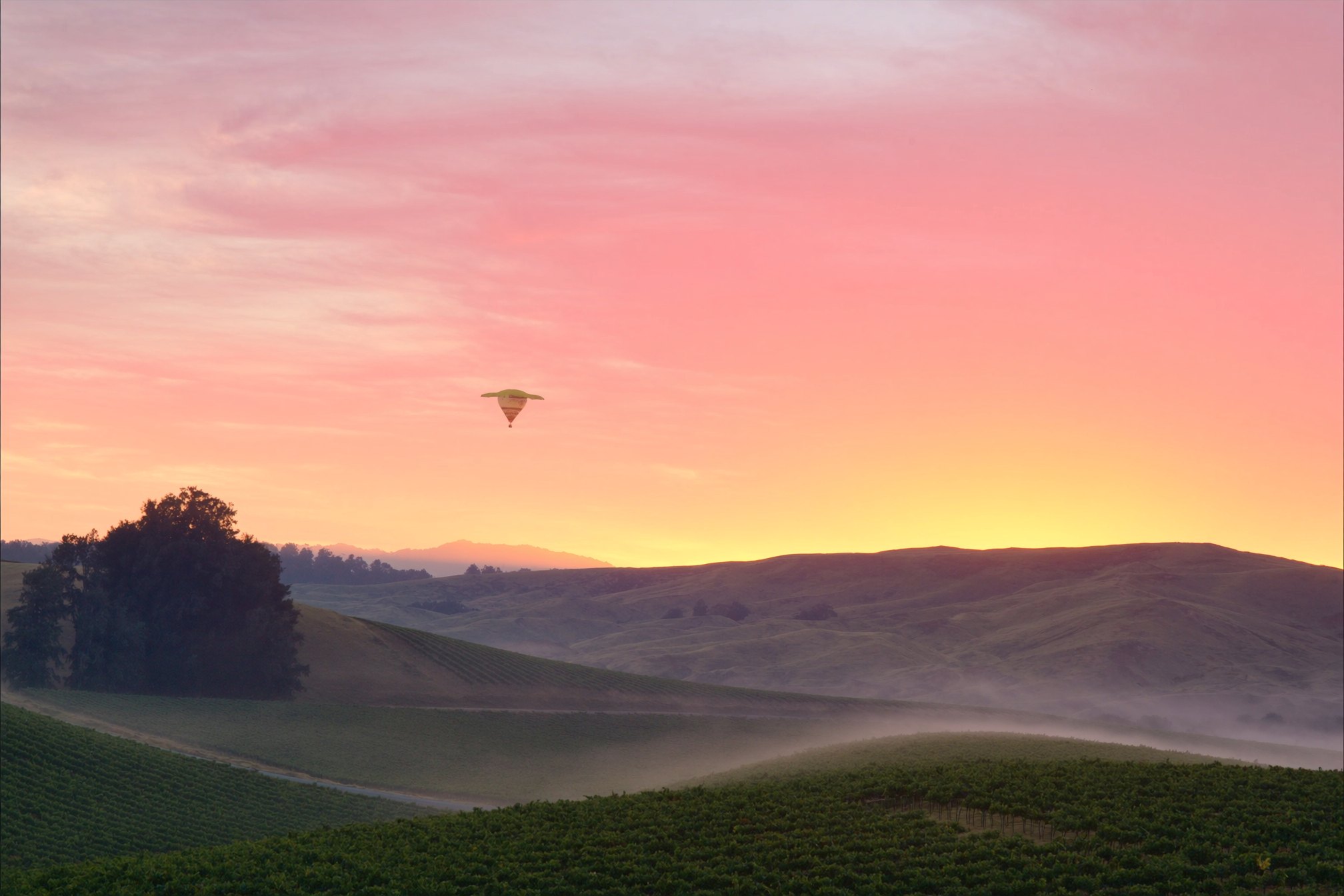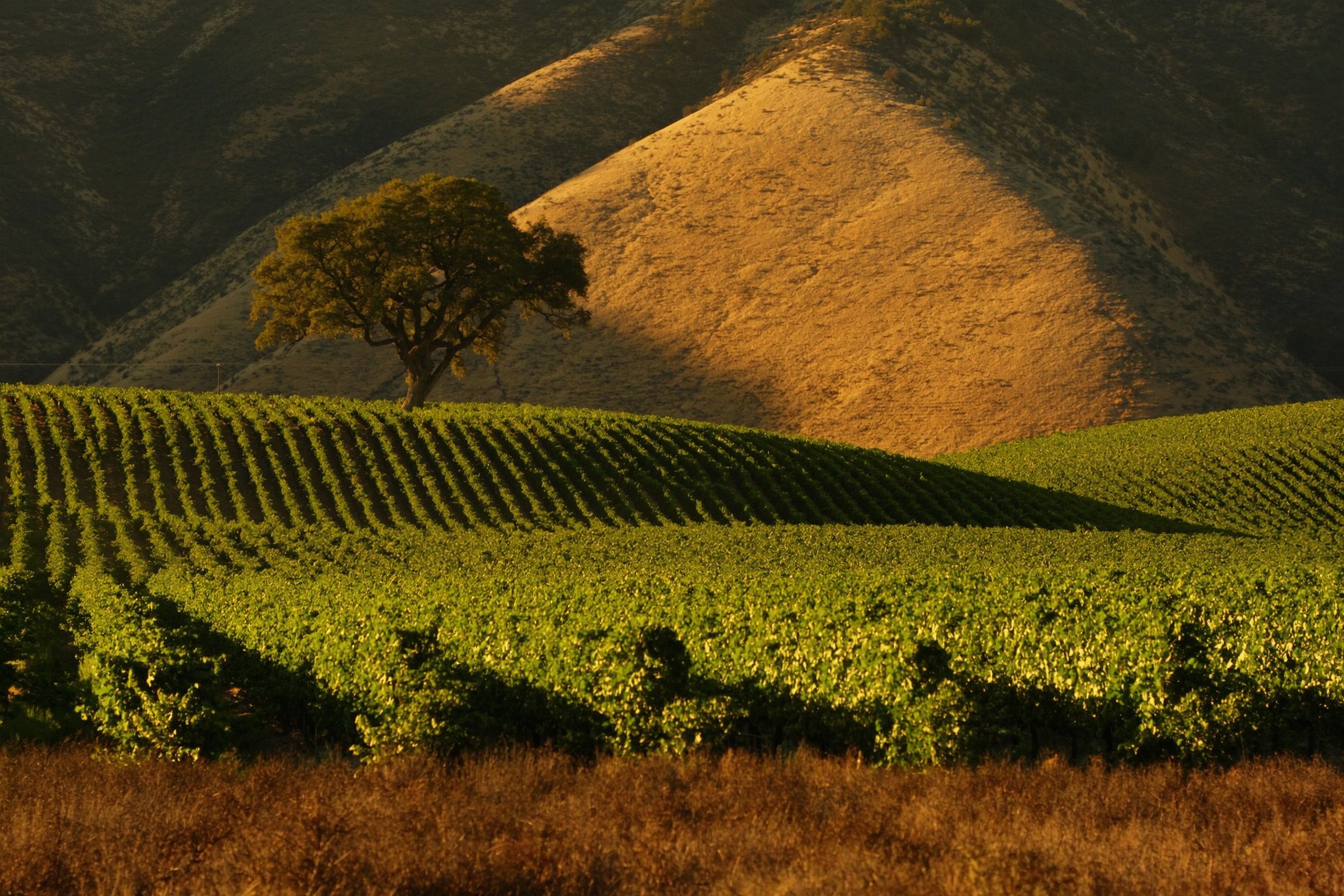
The fog rolls in off the Pacific overnight and sits in the valley like it has nowhere to be. By 7 a.m. in early October, Sonoma Plaza looks like a film set between takes. The restaurants aren't open yet. The tasting rooms are locked. Nobody is performing a good time.
That window — 6:30 to maybe 10 — is the whole point. Most people sleep through it or spend it checking their phones. If you don't, you get something that costs almost nothing and feels like it cost a lot.
Why Fog Season Is the Right Season
Late September into November, the marine layer pushes inland most mornings. It's cooler than you expect. You'll want a layer. The light is flat and soft and it makes everything look slightly more beautiful than it actually is — including, probably, the person you're with.
The harvest crowd has thinned. The summer hotel weekend energy is gone. What's left is locals, working vineyards, and the particular silence of a place that isn't trying to impress you yet.
6:30 a.m. — Don't Check Your Phone First
This is the only rule. Put the phone across the room before you sleep. When you wake up, the fog outside the window is doing something. Watch it for a minute before you do anything else.
It sounds small. It isn't. The first thing you reach for in the morning sets the texture of the whole day. Reaching for each other — or just reaching for a quiet moment — is a different start than reaching for a screen.
This is related to something we've written about separately: why the morning-after dynamic matters more than the night before. The fog morning is a version of that. It's the unhurried part.
7:15 a.m. — Coffee Before the Plaza Wakes Up
Café La Haye's neighbor, Sunflower Caffe on First Street East, opens early. So does the little window at the Sonoma Mission Inn's lobby if you're staying there. Get something hot and walk to the plaza while it's still empty.
The Sonoma Plaza at 7 a.m. in October is one of the genuinely underrated things in the wine country. The ducks are on the lawn. The City Hall building is lit amber from the east. The fog sits in the treetops. There is almost no one.
Sit on one of the benches on the east side, facing the duck pond. Drink the coffee. Talk if you want to. Don't if you don't.
Comfortable silence isn't empty. It's what happens when two people have stopped performing for each other.
— MLL
8:00 a.m. — The Backroad Walk Nobody Takes
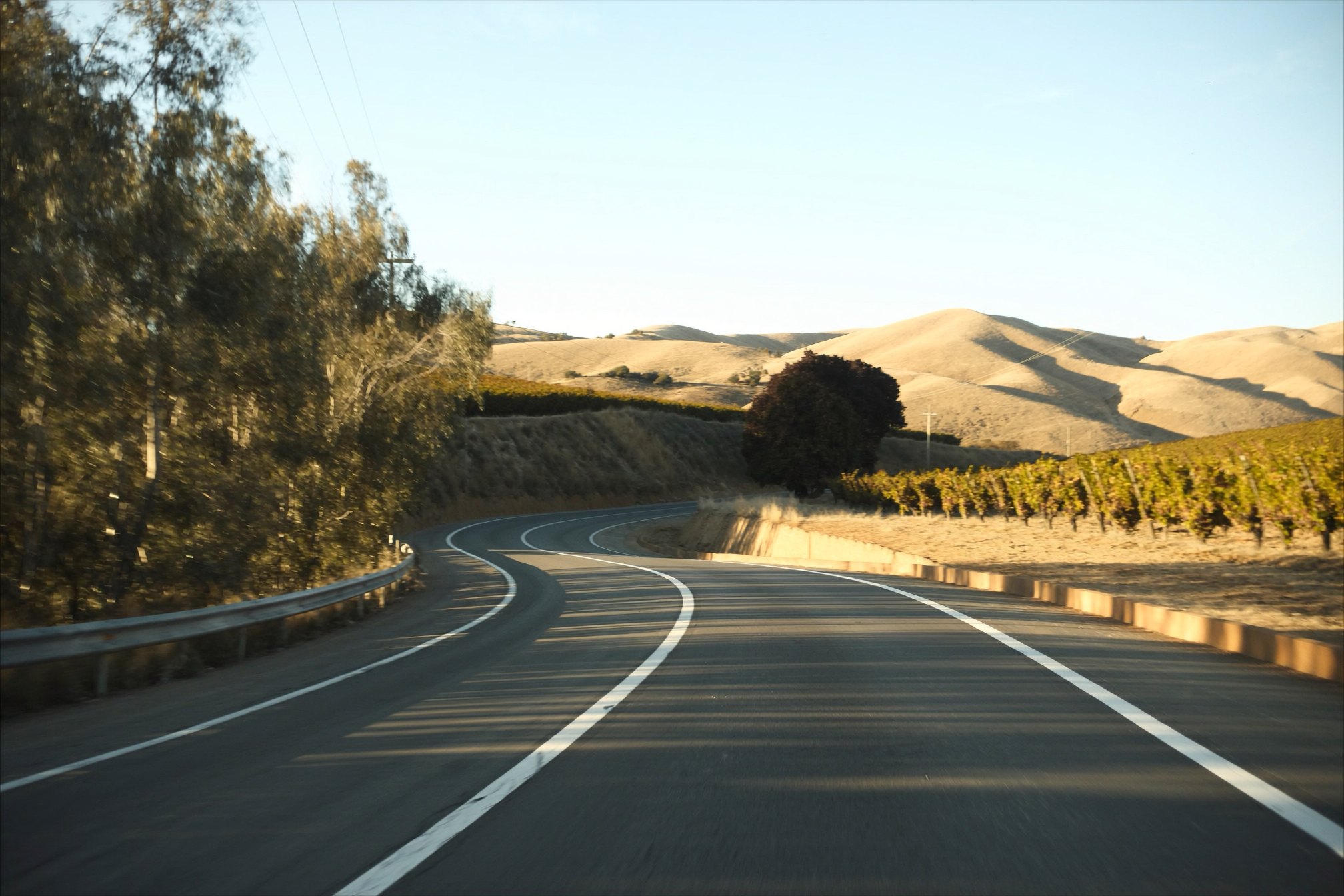
From the plaza, head north on First Street West until you hit the vineyards. There's a stretch of vine rows off West Napa Street where you can walk the edge of the road with nothing but harvest-pruned vines on one side and the fog lifting off the Mayacamas range on the other.
The grapes are mostly picked by now. What's left is the skeleton of the vines and the smell of must from the crush facilities a half mile away. It's earthy and sweet and a little fermented. You'll either love it or find it odd. Either way, it's specific. It's Sonoma in October and nothing else.
This walk costs nothing. It takes thirty minutes if you're slow about it. Be slow about it.
What 'Almost Nothing' Actually Means
Two coffees, maybe a pastry: $16. A bottle of water each: $4. That's your fog morning. The tasting room opens at 10 — you can spend money then if you want. But the good part was already free.
Luxury in Sonoma is easy to buy. A treatment at Solage in Calistoga, a cave tasting in the hills above Yountville, a slow dinner at a Healdsburg restaurant where you wait three months for the reservation. All of it is real. None of it is harder to manufacture than two hours with no agenda and good fog.
9:00 a.m. — The Farmers Market If It's Saturday
The Sonoma Farmers Market runs Tuesday and Friday mornings, but the Saturday incarnation at Depot Park — one block north of the plaza — is something else. Cheese vendors who will let you taste six things before you buy one. Stone fruit in September. Late-season tomatoes in October, which is correct.
Buy something you'll eat in the next hour. A wedge of aged Jack, a heel of bread, whatever looks best. Find a bench. Eat it before 10. This is breakfast and it's better than almost any restaurant breakfast you'll have in the area.
If it's not Saturday, the Sonoma Cheese Factory opens at 9 and the tasting counter will feed you just as well.
The Fog Burns Off Around 10. That's Your Cue.
By 10 a.m., the light shifts. The fog thins and then, fast, it's gone. The temperature jumps five degrees in twenty minutes. The tasting rooms open. The day becomes a normal day with expectations and things to do and other people in it.
That transition is a real thing. You'll feel it. The morning has a closing time and when it closes, something specifically quiet is over.
What you do after — a tasting room on the Sonoma Valley floor, a drive up Trinity Road toward the ridge, lunch at the girl and the fig when it opens — all of it is fine. Good, even. But it's the second half of the day, not the first.
Why This Works Better Than a Planned Experience
Planned experiences have a shape. You show up, you follow the format, you perform enjoyment in the way the format expects. That's not bad. It's just not this.
The fog morning has no format. There's no right way to do it. The two of you are just in a place, in the cold, holding coffee, watching light change. Whatever happens between you in that space is entirely yours.
Some of the best conversations about real things happen when there's nothing else to do. No menu to consider, no next activity scheduled, no photo to take. Just fog, and a bench, and time.
One More Thing
You will be tempted to document this. The fog on the vines does look good in a photo. Take one if you want. Then put the phone in your pocket and stay in the actual moment for the next twenty minutes.
The real version is always better than the captured one. The cold on your face is real. The warmth of the cup is real. The way the fog makes everything softer and a little private — that's real too. The photo will flatten it. The memory won't.
Some mornings are for keeping. This is one of them.
— MLL