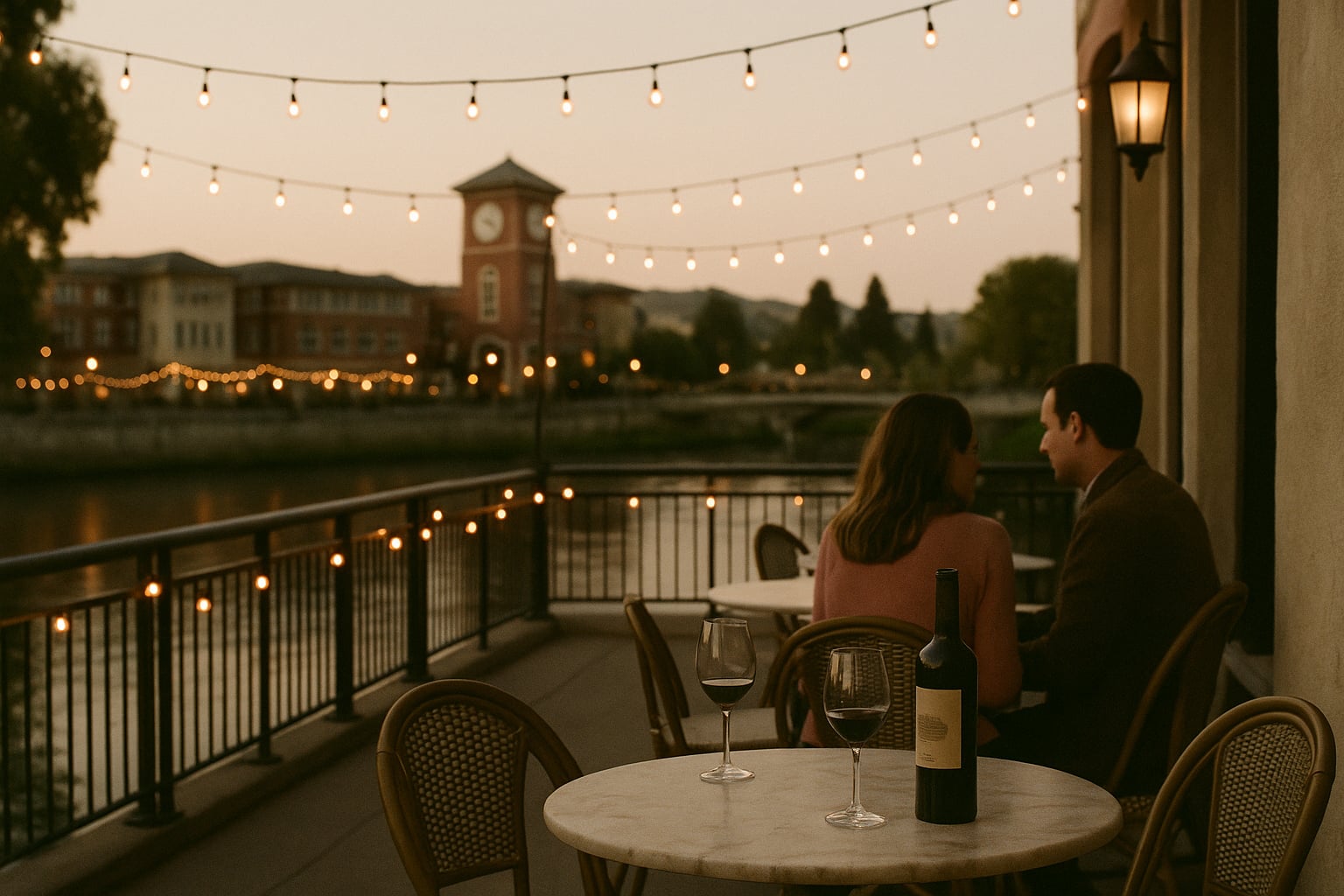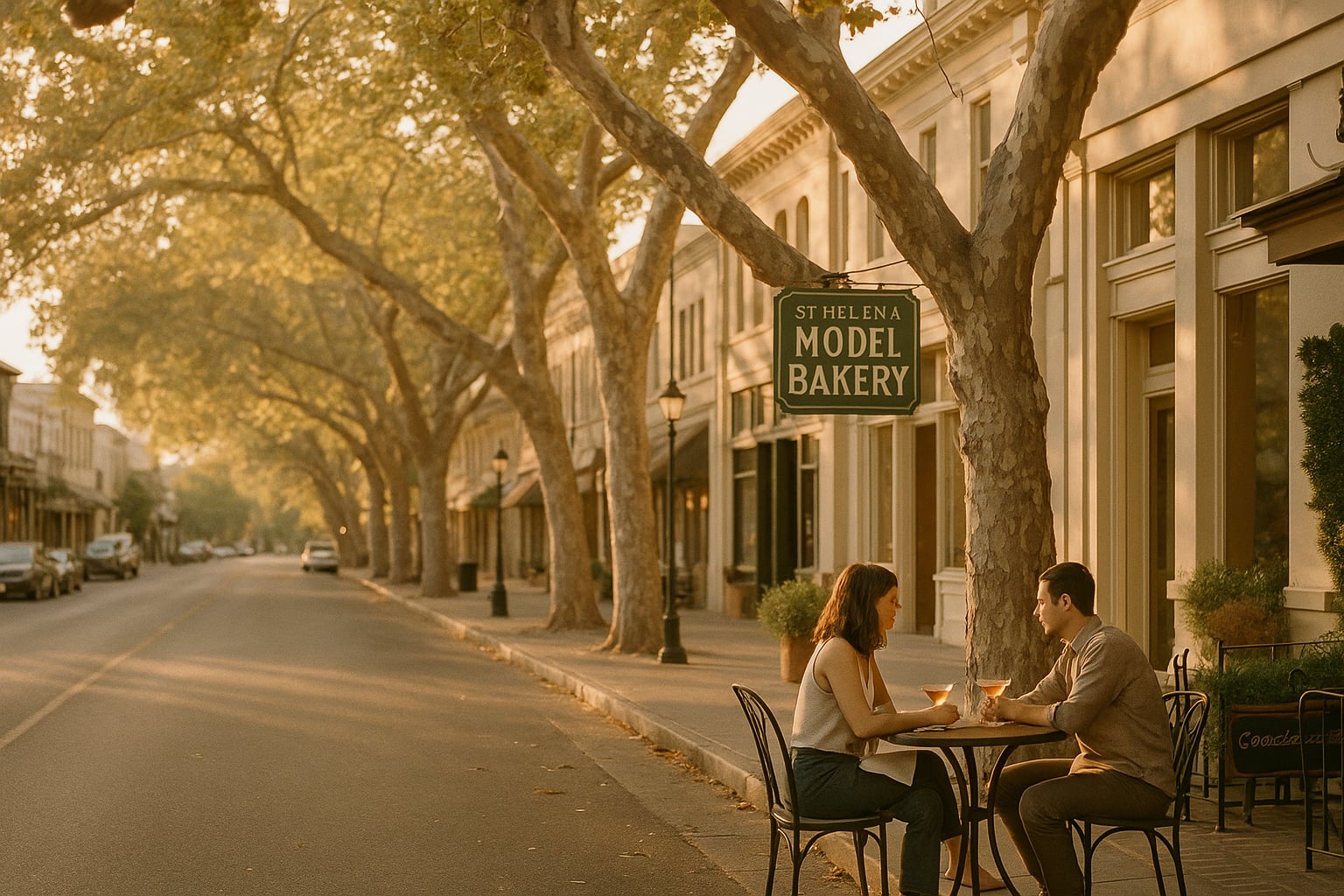
At some point during the reservation, the drive, the parking, the wait at the host stand, and the performance of choosing wine you were both already going to enjoy anyway — you stopped being on a date. You started being on an errand.
This happens a lot in wine country. The setting is so obviously beautiful that people over-program it. They book the tasting, book the lunch, book the dinner, book the hotel. They optimize the romance right out of it.
The thing that actually works is messier and cheaper and you will not find it on a curated itinerary.
What the Roadside Table Actually Is
It's not a picnic. Picnics require planning. This is what happens when you're driving somewhere on West Dry Creek Road or Westside Road, you see a pull-off with two wooden chairs and a rough table — set out by a small winery that doesn't have a tasting room, or a farm stand that closes at 3pm — and you stop.
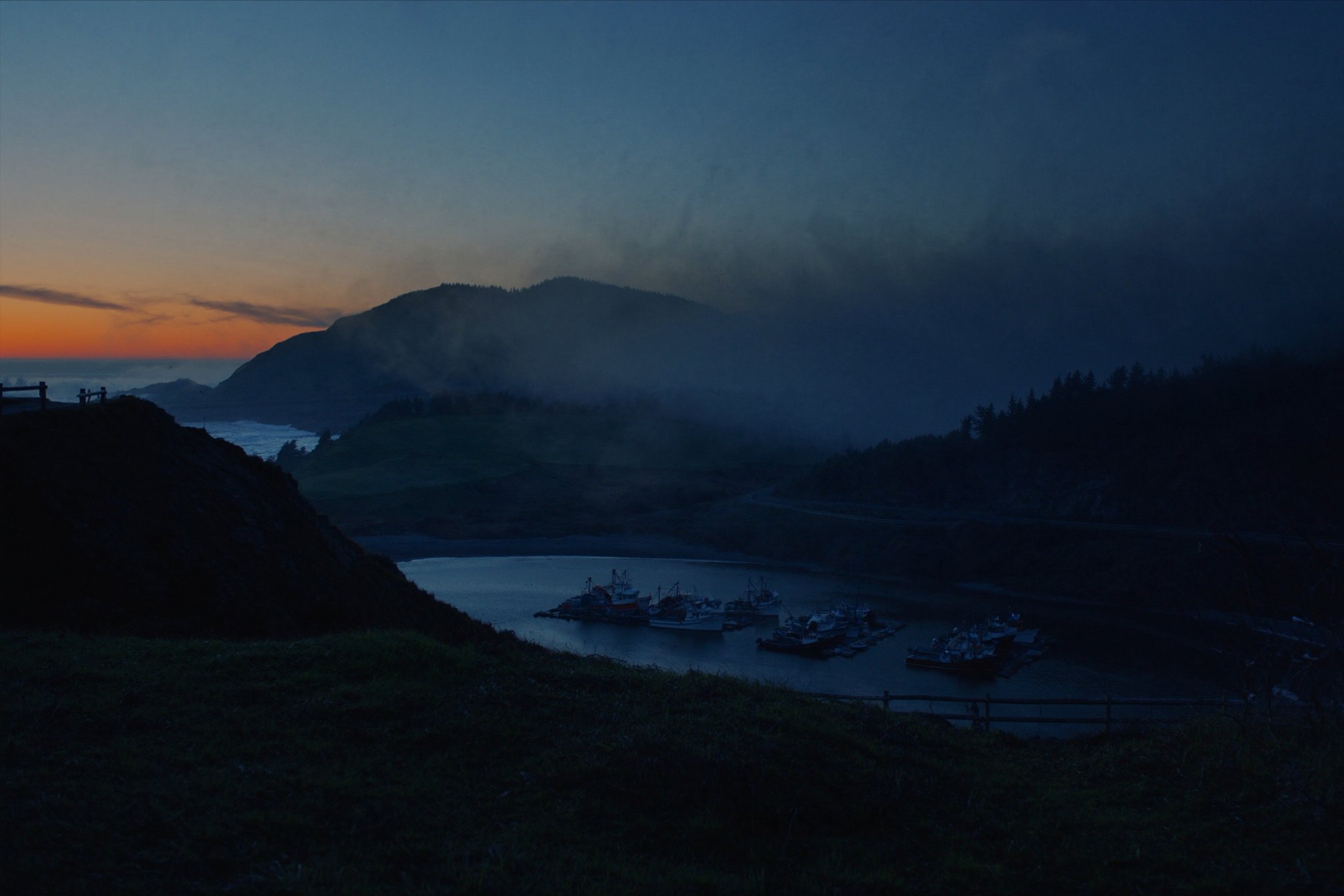
You stop not because you planned to. You stop because the light is doing something absurd and the vines are close enough to touch and the car is warm and you're both already a little loose from the first tasting.
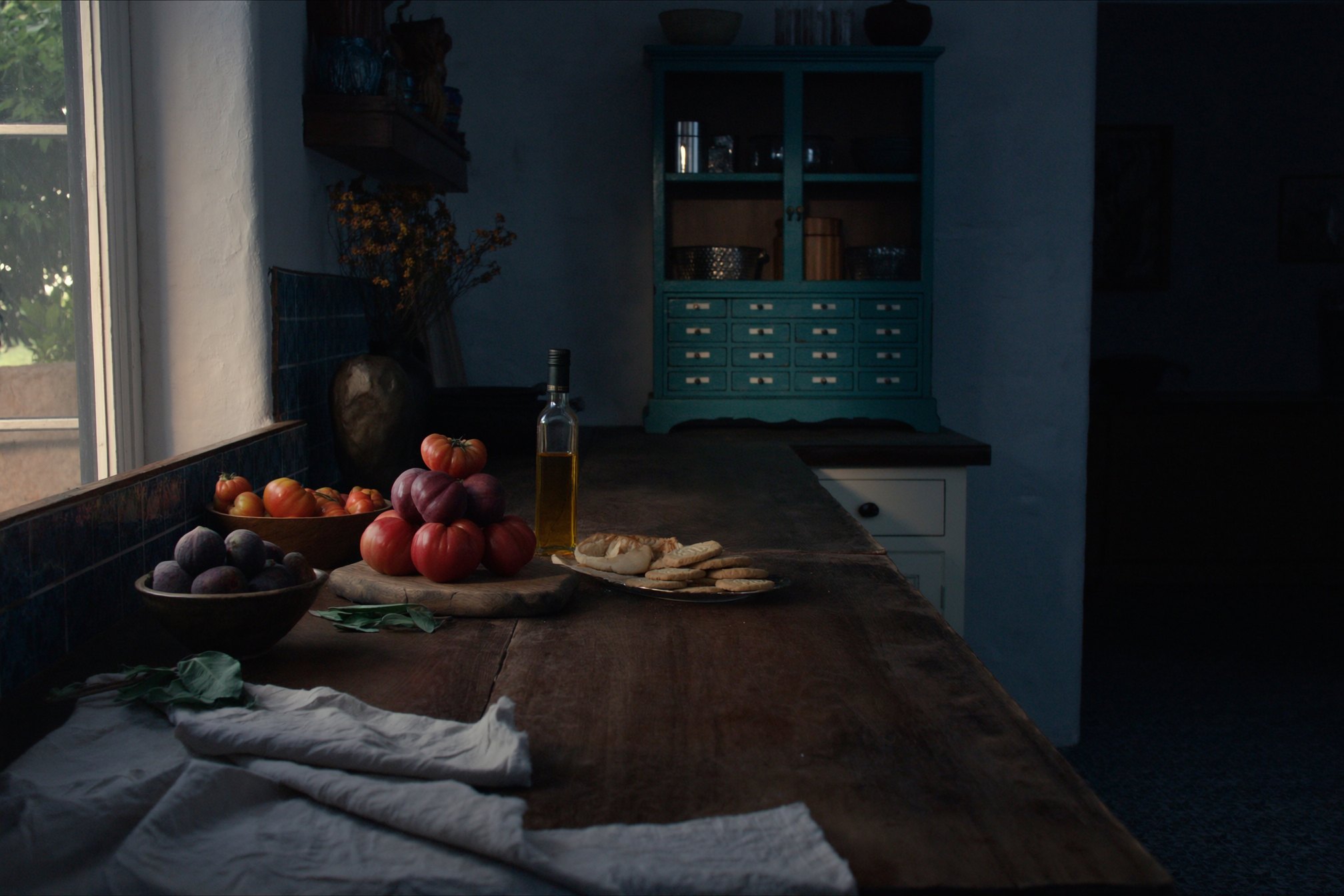
You pull out whatever you grabbed at the Healdsburg plaza that morning: a wedge of Cowgirl Creamery, some sopressata, a baguette you broke in half in the bag, a couple of stone fruits because they looked good. Maybe a half-bottle of rosé that's been rolling around in the back seat.
That's it. That's the meal.
Why This Format Is Reliably Romantic
Restaurants, even very good ones, have a built-in social contract that works against intimacy. There's a server. There's a menu. There's a couple at the next table. There's the low-grade performance of ordering correctly. You're not fully present with each other because the environment keeps asking you to engage with it.
The roadside table removes all of it.
What's left is two people sitting close enough that your knees touch, with food you're eating with your hands, and nothing to negotiate except which half of the peach you want. The absence of structure is the point. There's no next course coming. No check. No reason to wrap it up.
The meal that has nowhere to be keeps you both exactly where you are.
— MLL
That's rare. Even on vacation, couples are usually moving through a schedule. This is one of the few formats that actually stops time for a little while.
The Micro-Behaviors That Make It Work
Watch what happens at a roadside table. One person always reaches over and pulls a piece of cheese off the other's half. Someone breaks the bread and hands the bigger piece across without thinking. There's sharing that restaurants don't prompt, because restaurants give you your own plate.
Communal food from a shared surface does something. It's not symbolic — it's tactile. Fingers brush. Someone licks their thumb. The other person notices.
And the conversation is different when there's no backdrop of ambient service noise. You're not leaning in to hear each other. You're just... talking. In the sun or the shade of a valley oak, with a warm bottle and nowhere to be for another two hours.
How to Actually Pull This Off
Stock the car before you leave
This doesn't require a cooler or a tote bag from a food magazine. Stop at the Healdsburg farmers market on Saturday morning, or pull into the Dry Creek General Store on your way out of town. Pick up two or three things that don't need refrigeration: aged cheese, cured meat, something with texture, something with sweetness. Stone fruit in summer. A cluster of grapes in September, when they're splitting off the vine everywhere anyway.
Bring one good knife
One. Not a set. A small, sharp knife that lives in the glove compartment when you're wine country driving. You'll use it constantly. It changes the whole texture of the meal — suddenly you're cutting instead of tearing, which slows things down in the right way.
Know the pull-offs
West Dry Creek Road between Lytton Springs and Lambert Bridge has several. Westside Road north of Guerneville turns pastoral in a way that surprises people who've only done the Healdsburg corridor. The back way into Kenwood from Glen Ellen will give you twenty minutes of nobody on the road and at least one place to stop where the view is embarrassingly good.
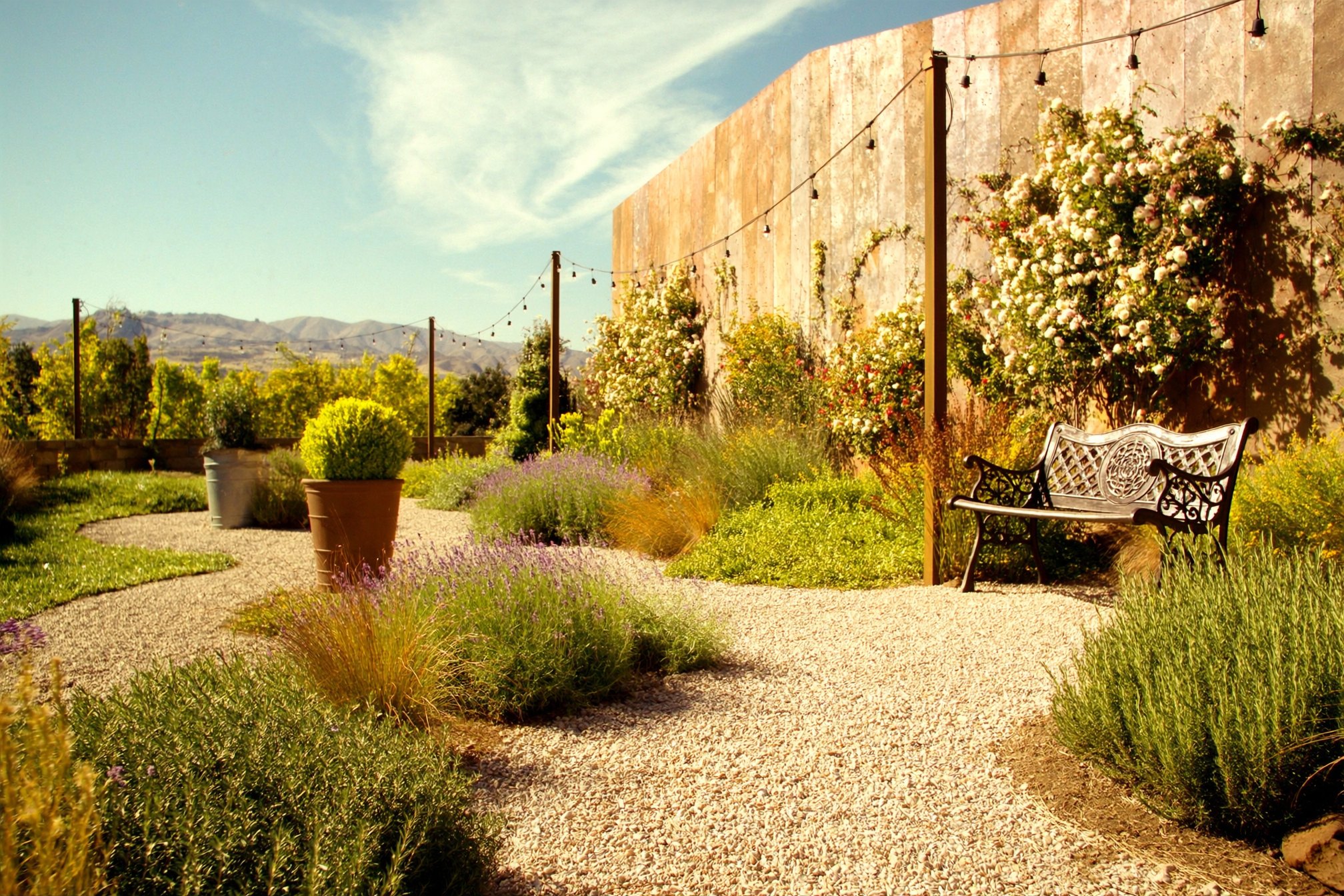
You don't need a table, actually. A flat rock, a low fence post, the hood of the car if you've been driving long enough that it's warm. The geography does the rest.
Leave the phones in the car
Not as a rule. Just as the natural consequence of having your hands full of food and wine and not being in range of anything urgent. Sonoma County has enough dead zones on the back roads that you can pretend you had no choice.
What This Actually Has to Do with Romance
The best meals in a long relationship aren't the ones you photograph. They're the ones where something small happened and you both noticed it at the same time. The light went orange. A hawk dropped. The wine was better than you expected. You laughed about something that won't translate later.
Restaurants can't manufacture that. The roadside table can't either, exactly. But it gets out of the way in a way restaurants never do.
There's also something to be said for the slight roughness of it. Eating off the back of a paper bag, brushing crumbs off someone's shirt, sharing a cup because you only brought one. It's intimate in a way that thread-count hotels and white tablecloths can't touch. It's intimate in the way that eleven years of Saturday mornings is intimate: imperfect, comfortable, yours.
The fancier the setting, the more you're both watching yourselves be romantic. At a roadside table, you just are.
— MLL
Before You Leave
If you're already planning a Sonoma weekend — maybe around Indian Springs in Calistoga or a rental near the Sonoma plaza — build the roadside stop in as the centerpiece, not the filler. Skip one restaurant reservation. Use that afternoon instead.
The places that will charge you $180 a head for the view will still be there. The afternoon you spent sitting on a fence rail on Westside Road with a warm peach and nowhere to be is the thing you'll remember when you're trying to describe the trip to someone.
And you won't be able to describe it, really. That's the point.