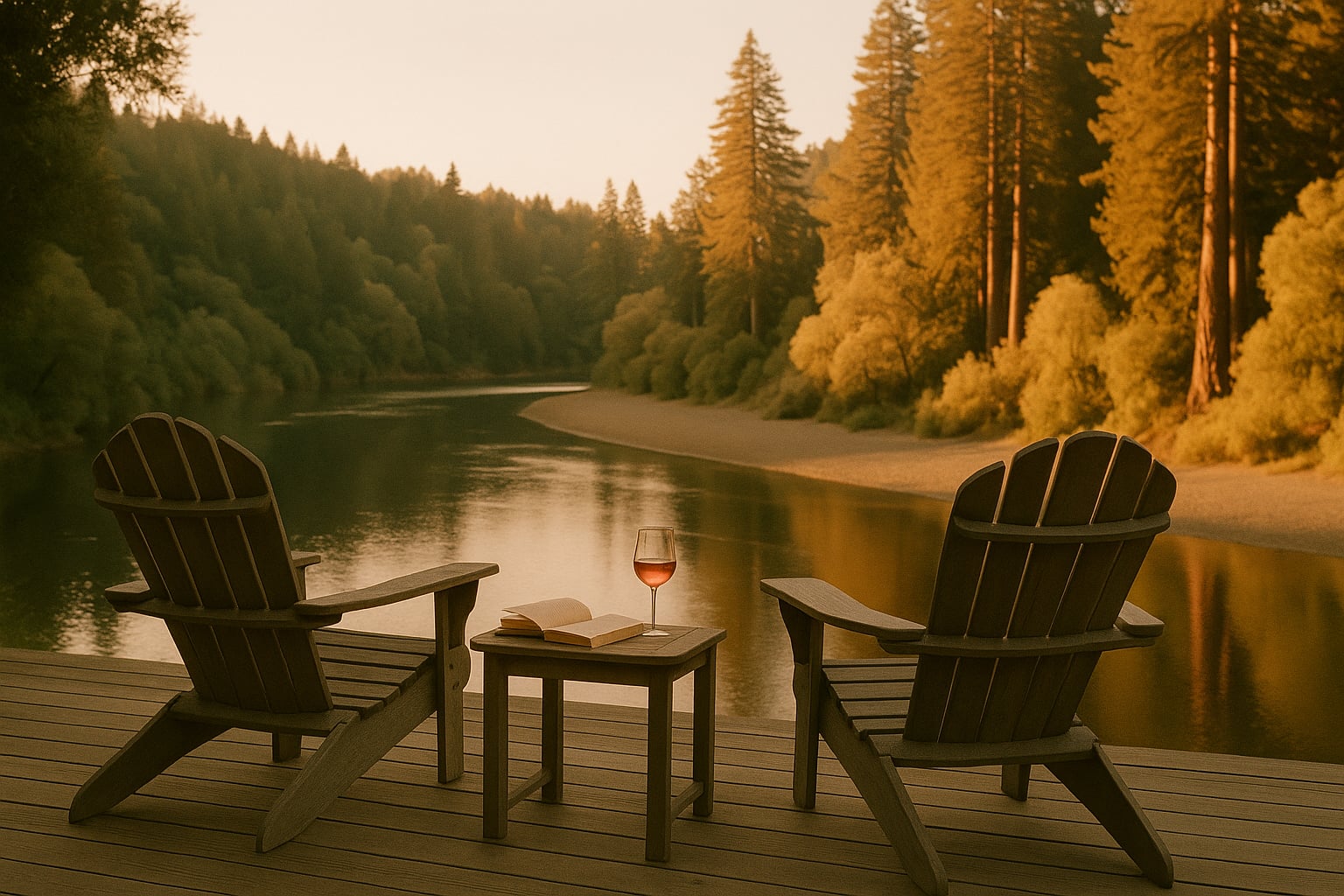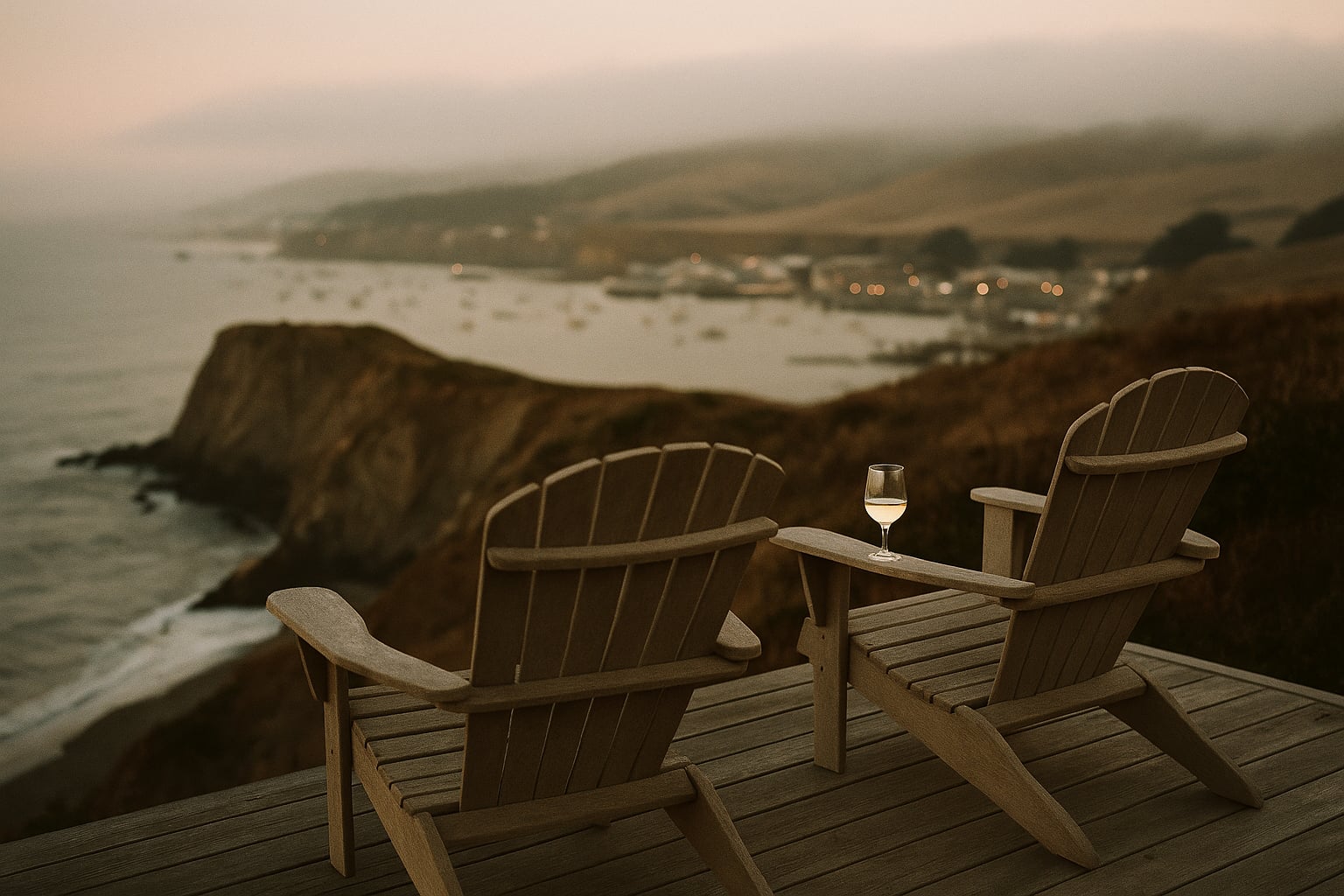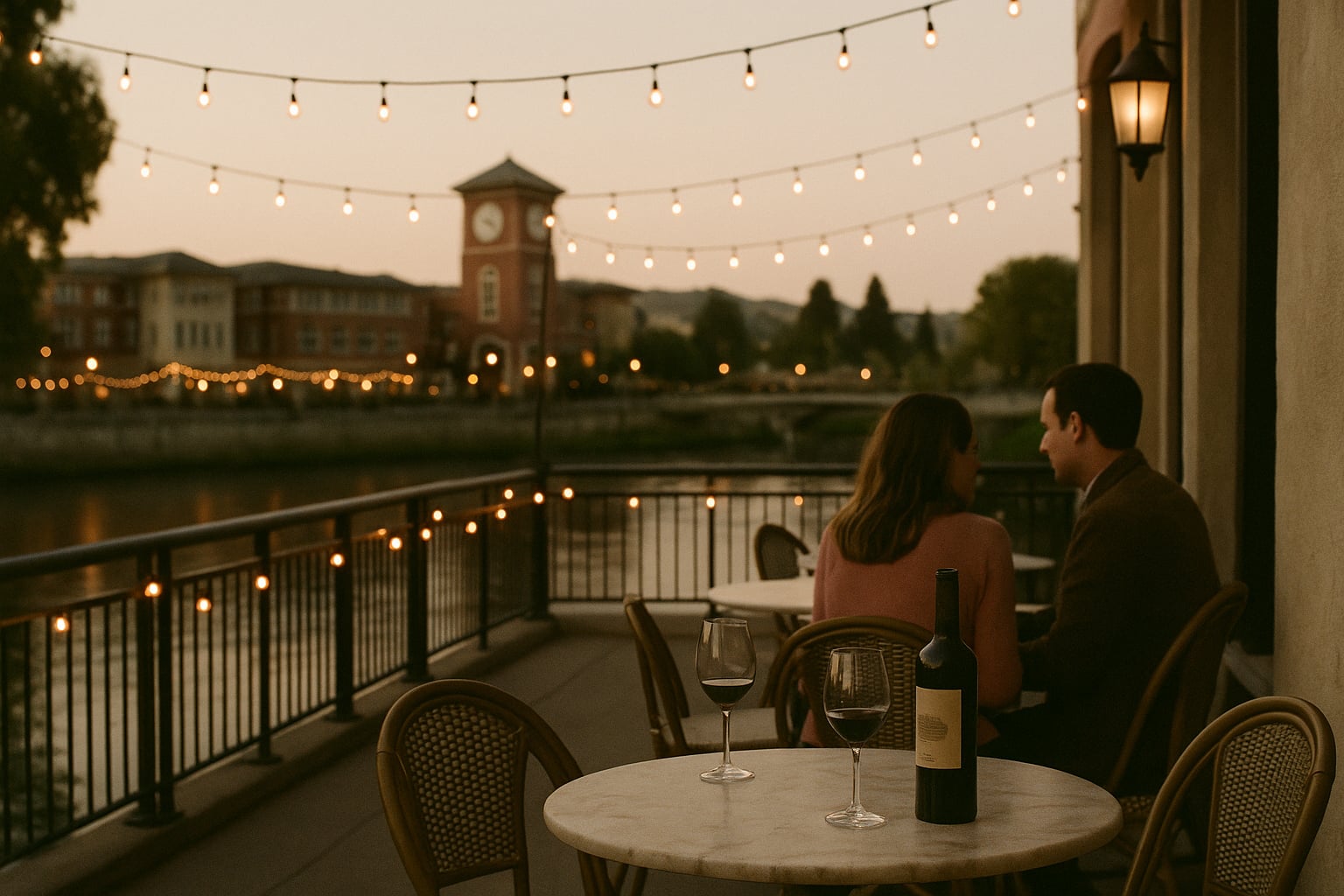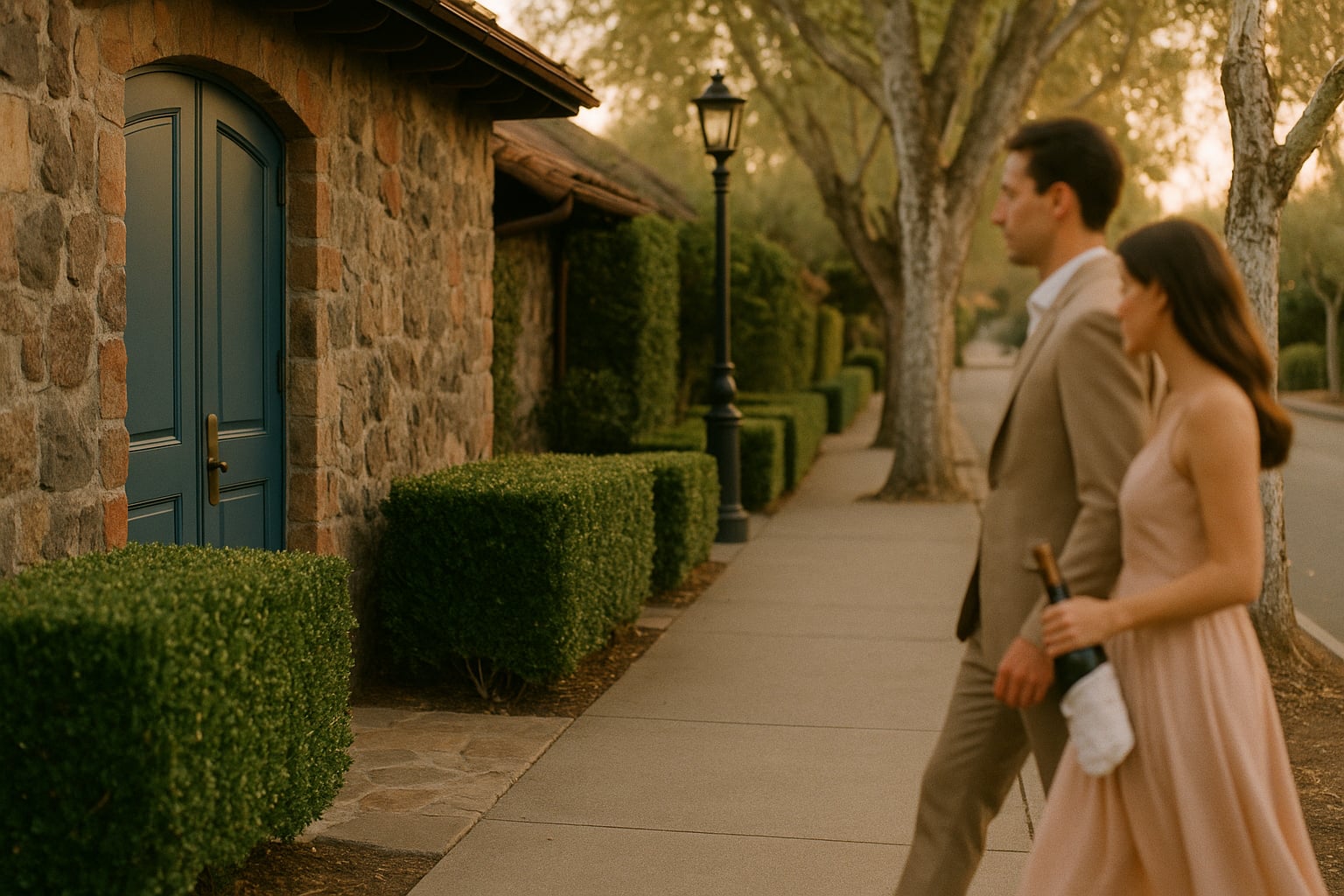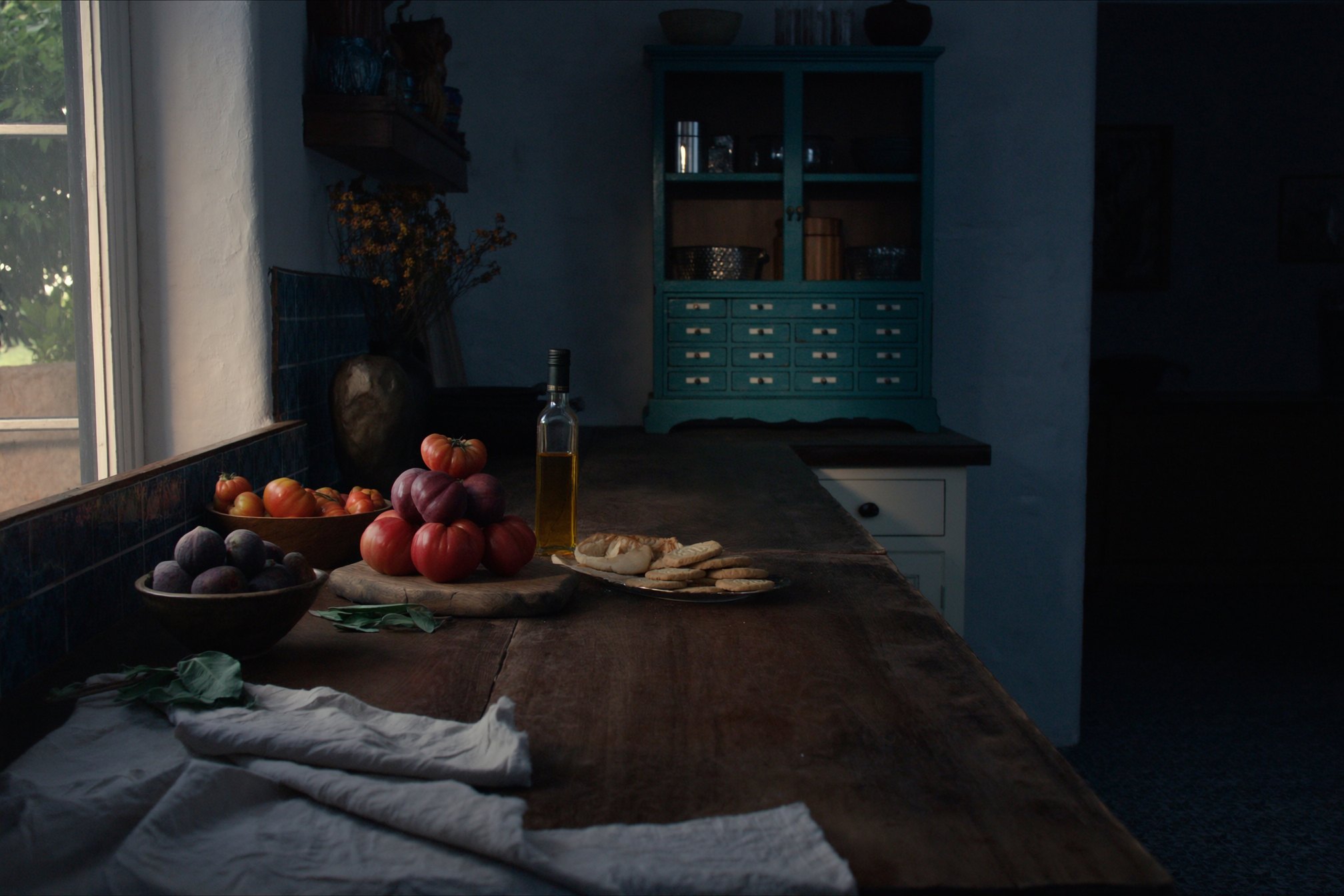
Here's the thing nobody says out loud: the reservation you've been trying to get for six weeks is not the point. The point is the feeling. Low light. Good wine breathing on the counter. Someone across from you with nowhere else to be.
That feeling is entirely reproducible. In your kitchen. Tonight, or Saturday, or whenever you finally decide to stop waiting for the perfect condition and just build the condition yourself.
This is not a dinner party. It's not a recipe roundup. It's a blueprint for a specific kind of evening — the wine-country evening, the one that smells like woodsmoke and olive oil and someone's perfume warming up near the stove.
Start with the Wine, Not the Menu
Every good Sonoma evening begins at the bottle. Not the food, not the playlist. The wine decides the pace.
If you've been to the tasting rooms on Westside Road or spent an afternoon on the Sonoma Plaza, you already have your favorites. Pull one of those. A Russian River Pinot if you want something silky and a little melancholy. A Dry Creek Zinfandel if you want heat and something that holds up to fat and char.
Open it an hour early. Pour a small glass just for the smell. This is not overthinking — this is pacing. The wine country dinner is slow by design.
The Environment Does Half the Work
The restaurants in Yountville and Healdsburg are not magic. They're controlled environments. You can control yours.
Overhead lights off. Every single one. Use lamps, candles, or the range hood light over the stove — that warm amber glow that makes everything look like a still from a film you'd actually watch twice.
Clear the counter of everything except what you're using. Clutter is ambient stress. The act of clearing it is, weirdly, part of the ritual.
Put something on that has no lyrics for the first hour. The words come later, when you're deep in the second glass and the conversation has found its own rhythm.
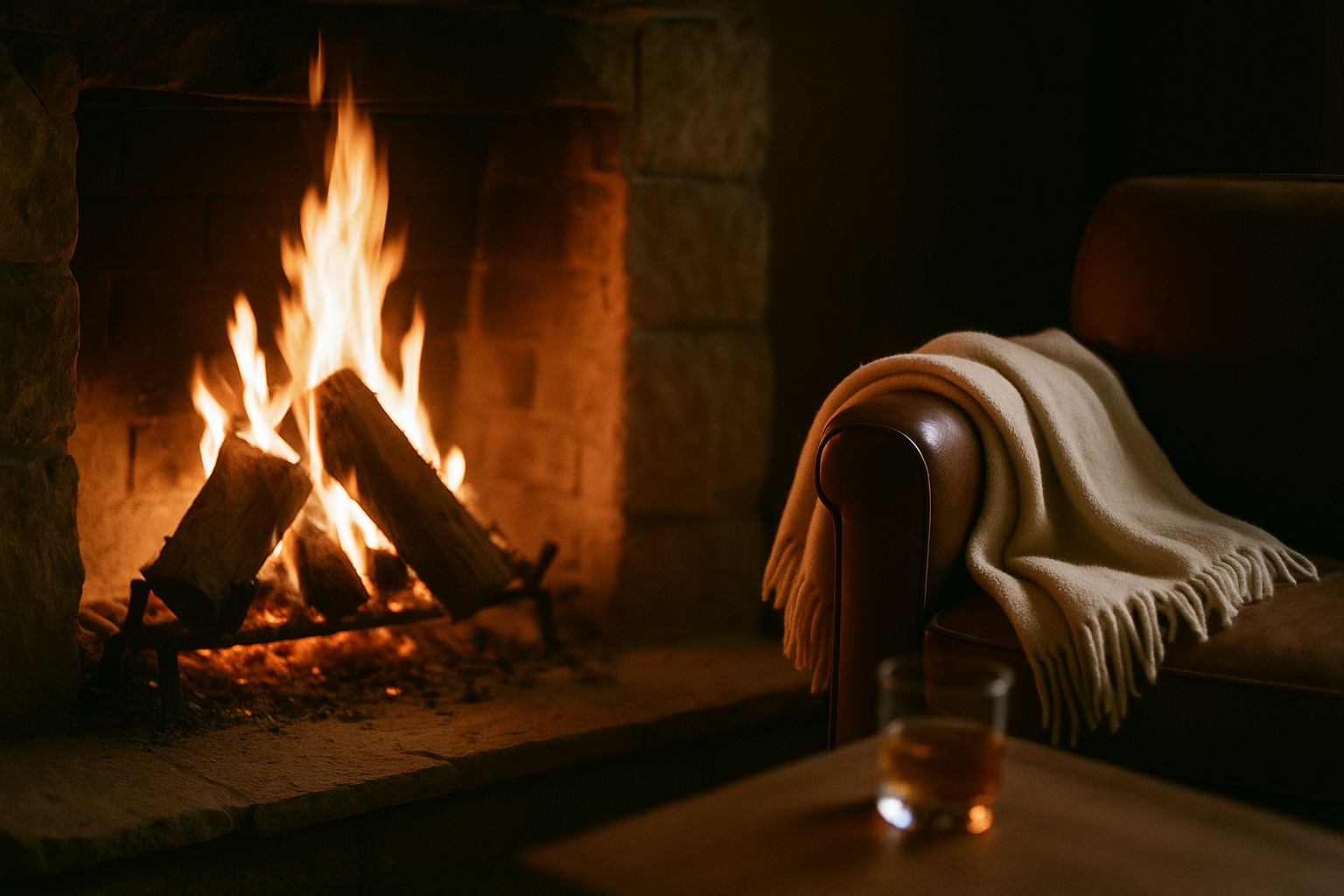
If you have a fireplace: use it. If you have a good candle: burn it now, not for guests. The weight of a real linen napkin matters more than you think it does. Set the table like it means something because tonight it does.
What to Cook (Without Performing It)
The wine-country dinner is not technically ambitious. It's ingredient-driven. It's the kind of food that asks you to buy one really good thing and then mostly leave it alone.
The Blueprint
Something braised. Short ribs, lamb shoulder, chicken thighs in white wine and herbs. Anything that takes two to three hours and makes the whole place smell like intention. Start it in the afternoon. Let it do its work while you shower and change.
One composed thing. Not a salad — a plate. Burrata with good oil and torn herbs. Roasted stone fruit with a little balsamic reduction. Fig and prosciutto if it's summer. This is your starter. It buys you time and it looks like effort even when it isn't.
Good bread, not warmed. Room temperature. Tear it, don't slice it. This is Sonoma, not a steakhouse.
Cheese at the end. One or two. Something local if you made it to the Oxbow or any of the Sonoma farmers' markets this week. Eat it after the main, before any dessert, with the last of the wine. This is how Europe does it and Europe is correct.
The best dinner I ever had in wine country wasn't at a restaurant. It was a friend's kitchen in Glen Ellen, short ribs from the afternoon, one candle too many, and a Pinot we'd been saving for no reason.
— MLL reader, Sonoma County
The Part That's Actually About You Two
Here's what the reservation can't give you: the part where one of you is stirring something at the stove and the other is leaning against the counter, glass in hand, talking about something real.
That domestic proximity. The kitchen heat. Someone reaching past you to taste from the spoon. That's not ambiance you can book.
The phone-free rule applies here. Not as a wellness exercise — just because it's rude to the evening you're trying to have. Leave them charging in the other room. You know what you're missing: nothing.
Dress a little. Not formally — just past the version of yourself you'd wear to the grocery store. There's something about a silk blouse or a good shirt that signals: this is the version of me I'm bringing tonight.
After Dinner Isn't an Afterthought
The best wine-country dinners don't end with the check. They bleed into the next hour. The couch. The last pour divided between two glasses. The conversation that would never have happened at a restaurant because the clock is always running there.
Put the dishes in the sink and ignore them. This is not the moment. This is the moment for the cheese and whatever question you've been carrying around and haven't quite found the right entry point to ask.
If the evening goes somewhere else — if the candles burn down and you end up somewhere other than the couch — that's not a detour. That's the reservation you actually wanted.
The Things Worth Spending Money On
This dinner is cheap compared to what you'd spend at a table in Healdsburg. But spend where it counts.
The wine: don't go cheap. This is the centerpiece. Thirty to sixty dollars from a producer you actually visited, or one you've read about and want to know better.
The olive oil: the good bottle. You'll taste the difference on the bread and on the burrata and it matters more than you expect it to.
The protein: one really good piece of meat from a real butcher, or a whole chicken from the farmers' market. Less of a better thing beats more of a fine thing every time.
The candles: beeswax if you can find them. They burn warmer and they smell like something honest.
The restaurant you couldn't get into exists because people want a specific experience. That experience is available to you most Saturday nights, in your own kitchen, without the 7 PM seating pressure and the parking and the bill that makes you do quiet math on the drive home.
The only thing you actually have to book is the decision. Make it early enough to get the braise started.