At some point the preparation becomes the thing. Not a means to it. The thing itself.
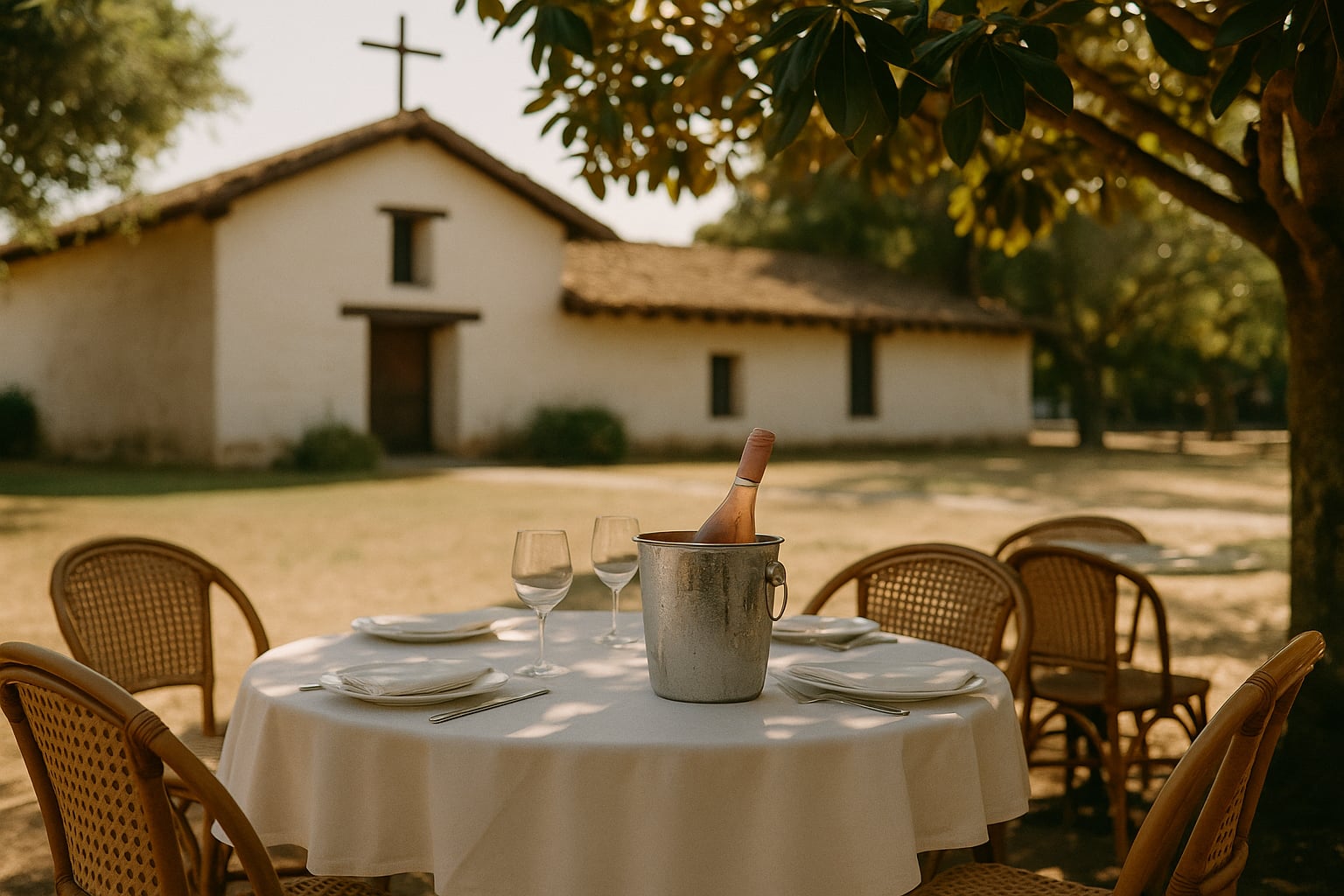
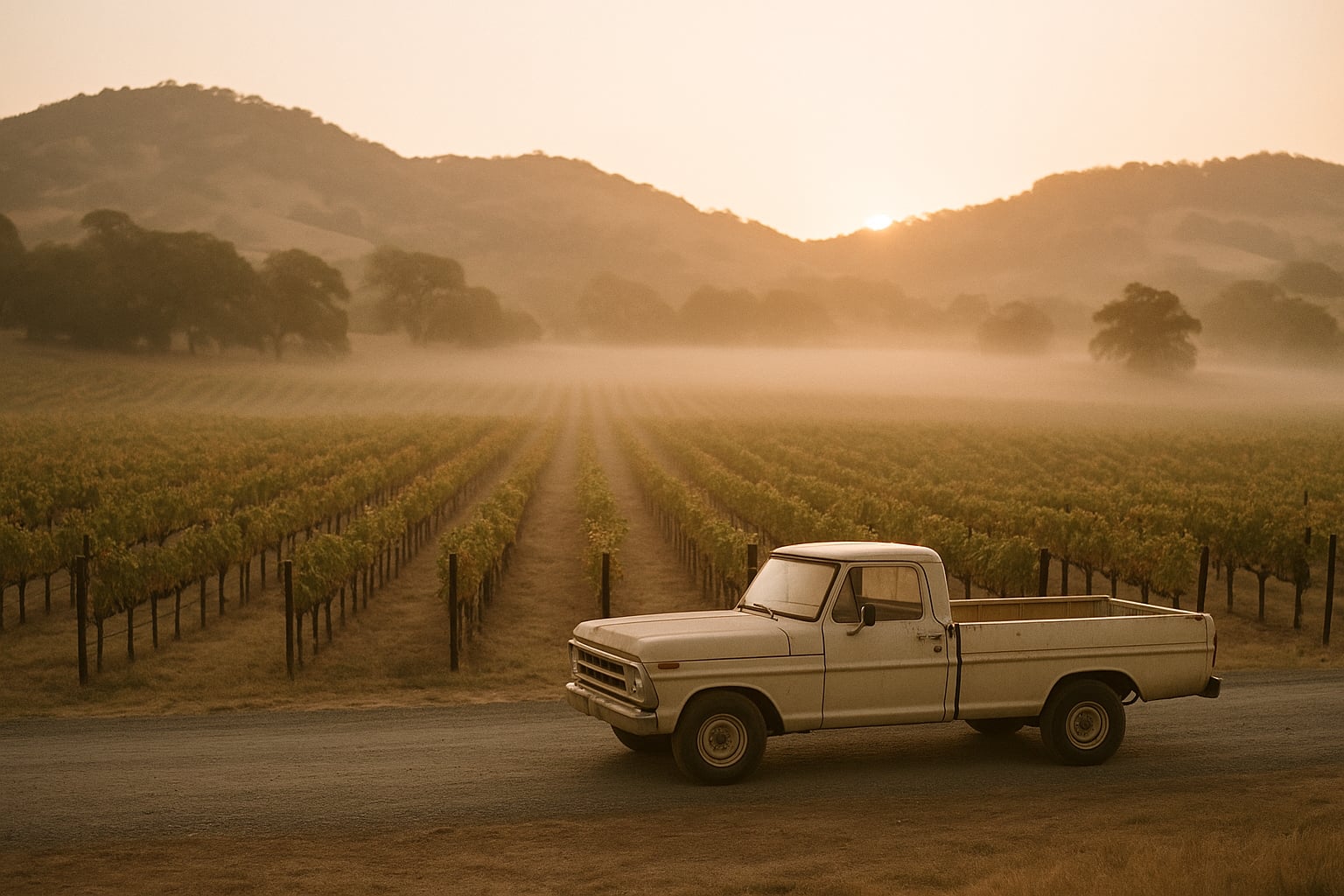
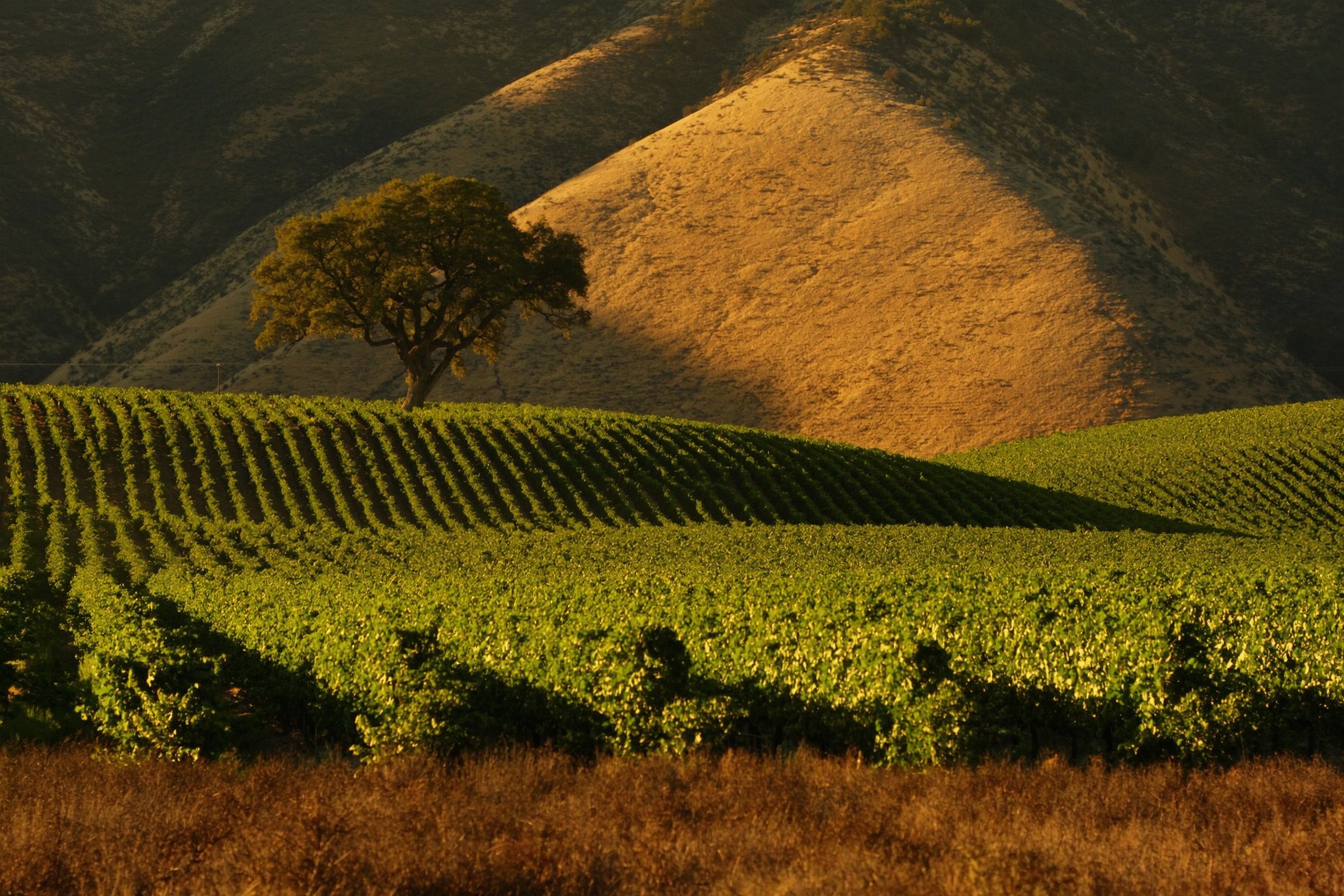
You're standing in a kitchen somewhere off Dry Creek Road or down a gravel driveway east of Healdsburg. October light is doing that specific trick it does in Sonoma — low, amber, slightly unreal — and there's a long table waiting outside. The guests arrive in two hours. Maybe three.
And for now it's just the two of you and a cutting board and a bottle of Papapietro Perry that someone opened a little early.
This is the ritual. Not the dinner.
Why the Setup Hour Matters More Than the Party
Long-term couples talk about this without naming it. The morning of a trip before the airport. The hour before a dinner party when the food is mostly handled and no one's arrived. These windows have a quality that's hard to manufacture on purpose.
There's no agenda. There's also no Netflix. You're both doing something physical and low-stakes. Hands occupied. Conversation optional. The whole thing has a slight charge to it — anticipation that isn't about the guests.
It's one of the rare moments in a relationship when you're just in a room together doing something real, without performing anything for each other or anyone else.
What a Sonoma Harvest Table Actually Looks Like
Not a styled shoot. Not a Pinterest board. Real.
Linen runners with a little wrinkle in them because you didn't iron. A wooden board with aged Manchego and a wedge of something from the Sonoma Cheese Factory. Pomegranate halves — for color, mostly, because no one actually eats them. Figs, the real kind, slightly sticky. A bottle of Mauritson or Seghesio Zinfandel anchoring the center.
Candles in mismatched holders. A small vessel of dried grasses or the last dahlias from someone's garden. Place cards if you're that person. Gaps in the arrangement you'll fill in as you go.
The table doesn't need to look finished yet. That's the point. It's a project you're doing together, slowly.
The Micro-Moments That Actually Make It
Someone passes the olive oil without being asked. Someone tastes the spread and doesn't say anything but makes a face that means more salt. You argue briefly about whether the pears go on the board or in a bowl and then someone just puts them in a bowl and the conversation disappears.
These are the moments. Not milestones. Not conversations that resolve anything. Just two people sharing space and weight and a task with no wrong answer.
The best part of hosting is the part nobody sees — the two of us in the kitchen, slightly underdressed, glass of wine in hand, figuring it out.
The table gets set incrementally. Someone carries the bread out and lingers to adjust the runners. Someone finds the right playlist and comes back smelling faintly of bergamot and woodsmoke from the candle they just lit.
This is intimacy. Quiet, functional, entirely unsexy on paper. Completely charged in practice.
Building the Afternoon: A Loose Sequence
Start With the Wine
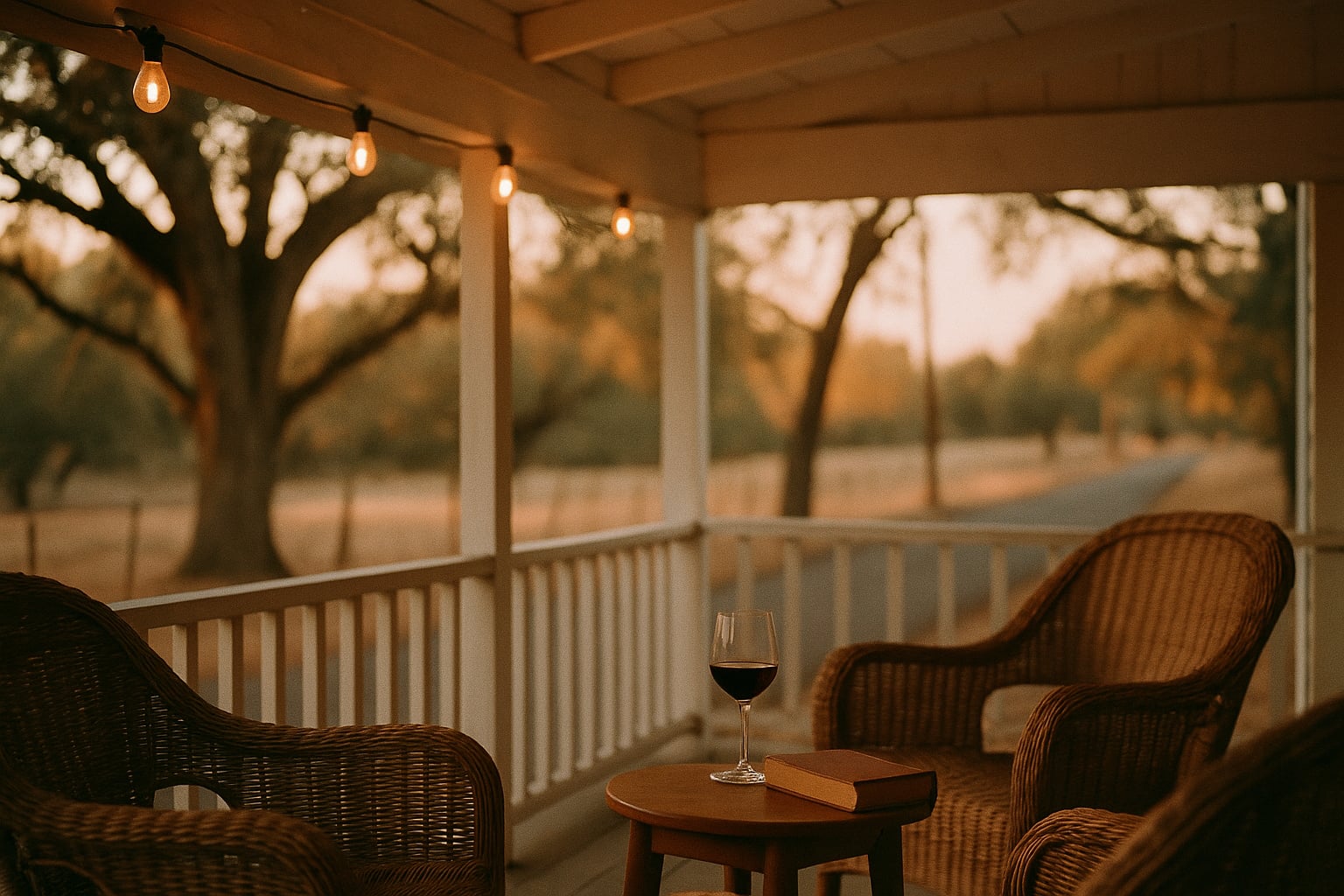
Open something you'd be slightly sad to share with twelve people. A single-vineyard Dry Creek Zin. A bottle you picked up at a tasting room that afternoon in Healdsburg and carried home carefully. Pour two glasses before you do anything else.
This signals to both of you: we're doing this together, not as logistics coordinators with titles.
Build the Board First
The board is tactile and forgiving. Cheese, cured meats, fruit, something spreadable, something crunchy. Let one person drive, the other graze and critique and adjust. This division works. It keeps the energy collaborative without requiring coordination.
Then the Table, Slowly
Lay the runner. Set the candles. Arrange the centerpiece loosely. Step back. Adjust. Let it be imperfect. The imperfect table reads as lived-in and abundant, which is exactly the tone you're after for a Sonoma autumn dinner.
The Last Twenty Minutes
This is the window that slips away if you're not paying attention. The food is handled, the table is set, you're both in that slightly elevated state that comes from having created something physical together.
Don't spend it looking at your phone or changing your outfit three times. Sit at the table you built. Pour a second glass. Look at what you made.
What This Kind of Afternoon Does for a Relationship
It sounds like a practical observation, but it runs deeper: couples who make things together feel differently about each other. Not better, necessarily. Just more solid. More evidence-based.
You can't fake having built a table together. You were both there. You tasted the same wine. You disagreed about the pears.
This is one reason the ritual of hosting — the prep specifically, not the party — is worth protecting as a couples thing rather than delegating or splitting up. The logistics aren't the obstacle to the intimacy. The logistics are the intimacy.
If this resonates, it connects to something we wrote about in The Art of the Slow Dinner and in The Phone-Free Dinner: A 90-Minute Experiment — the way shared physical ritual creates connection that conversation alone can't.
A Few Specific Things Worth Having
A long linen tablecloth in oatmeal or rust. Not white. White reads as formal and you're going for abundant farmhouse.
Beeswax or soy candles, not paraffin. The smell of burning paraffin competes with the food.
Local honey on the board. If you're in Sonoma, there's a beekeeper at almost every farmers' market in October.
A second bottle in reserve — one for the table, one for the two of you before anyone arrives. The second bottle is the ritual. The first is the party.
After the Guests Leave
The table will look different by then. Wax-dripped. Glasses left at odd angles. A half-eaten board. Someone's sweater on a chair.
Leave the cleanup for morning if you can. Come back to the table for ten minutes with what's left in the last bottle. The stillness after a long dinner has a specific quality — full, slightly tired, quietly satisfied.
The October air will be cold by then. The candles will be almost out. You'll be sitting at a table you built together a few hours ago, which already feels like a different afternoon.
That's the whole thing, really. The table is just the structure you built to hold it.