Most couples inherit their anniversary traditions. Dinner reservation, flowers, maybe a hotel room. The script exists. You just follow it.
Queer couples don't always get that. The script was written for someone else — and honestly, that might be the best thing that ever happened to the way they love.
When there's no Hallmark aisle with your face on it, you stop asking what you're supposed to do. You start asking what you actually want.
The Problem With the Default
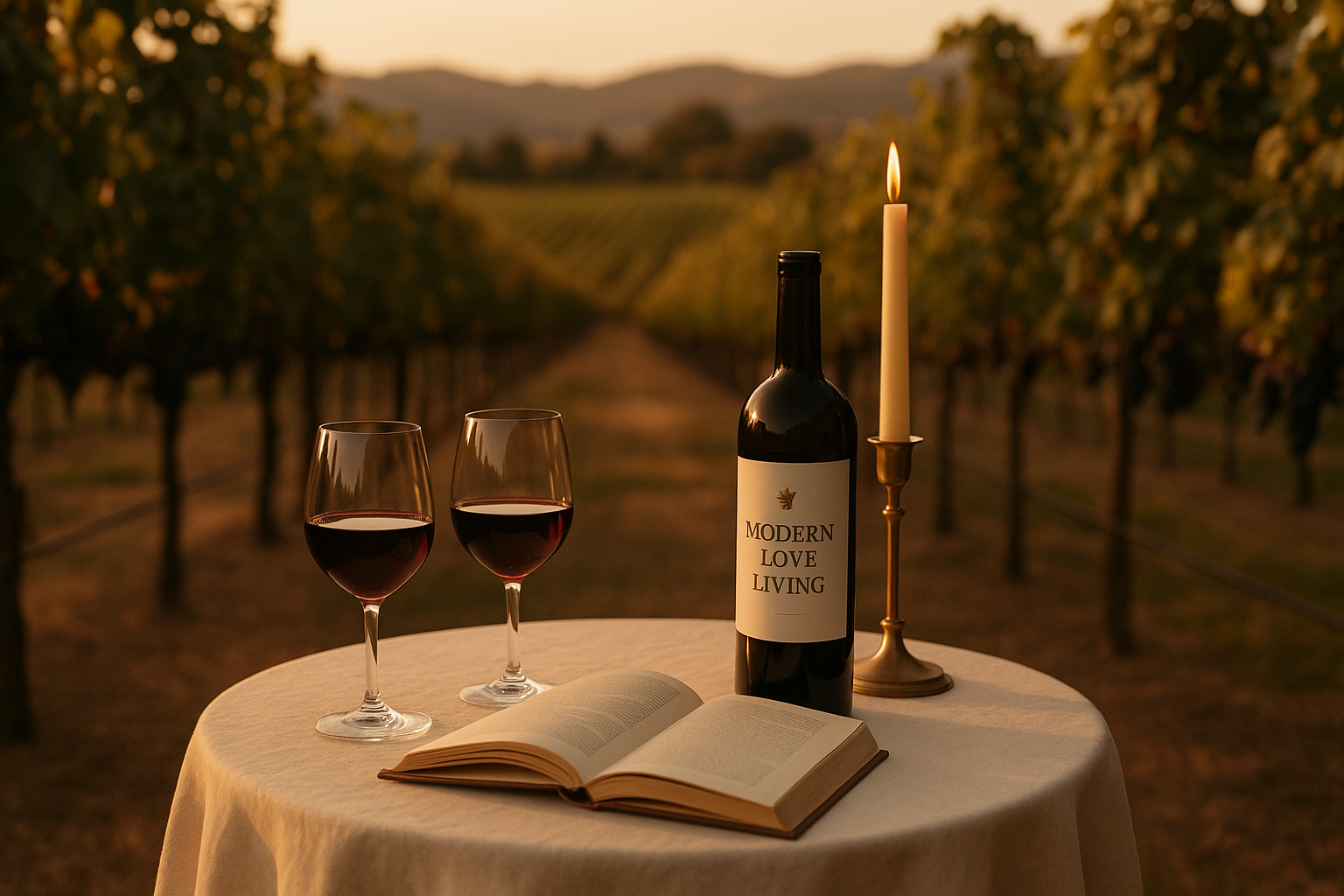
The conventional anniversary runs on a specific fantasy: one person plans, one person receives, dinner is candlelit, something sparkles. It assumes a lot. It assumes roles. It assumes a shared cultural mirror that says: yes, this is what your love looks like, validated and displayed.
Same-sex couples have spent years operating without that mirror. Some found a version of it. Some deliberately walked away from it. Either way, they had to answer a question most straight couples never consciously ask: what does our anniversary actually mean?
That's not a rhetorical question. It's the one that produces real rituals.
What They Build Instead
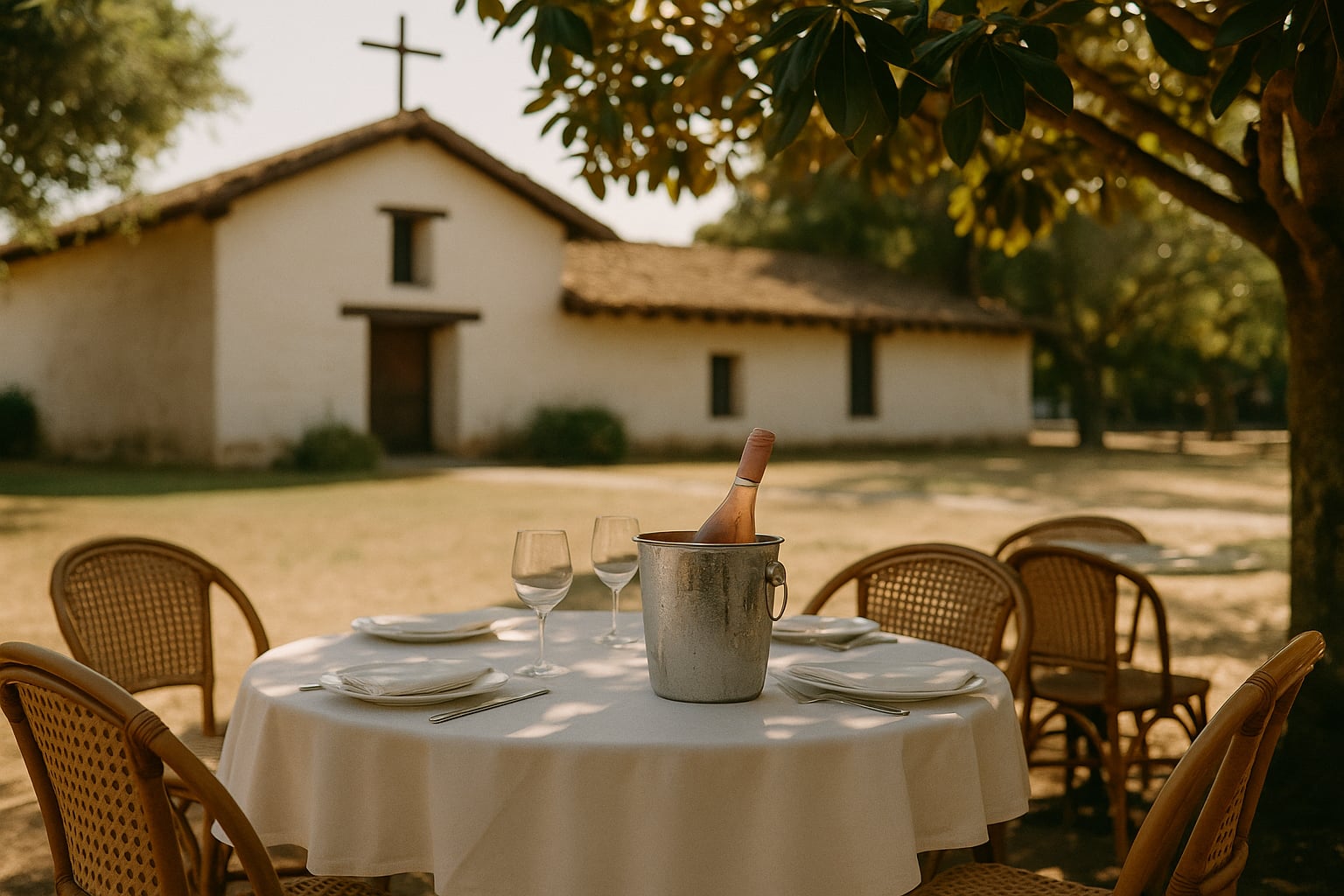
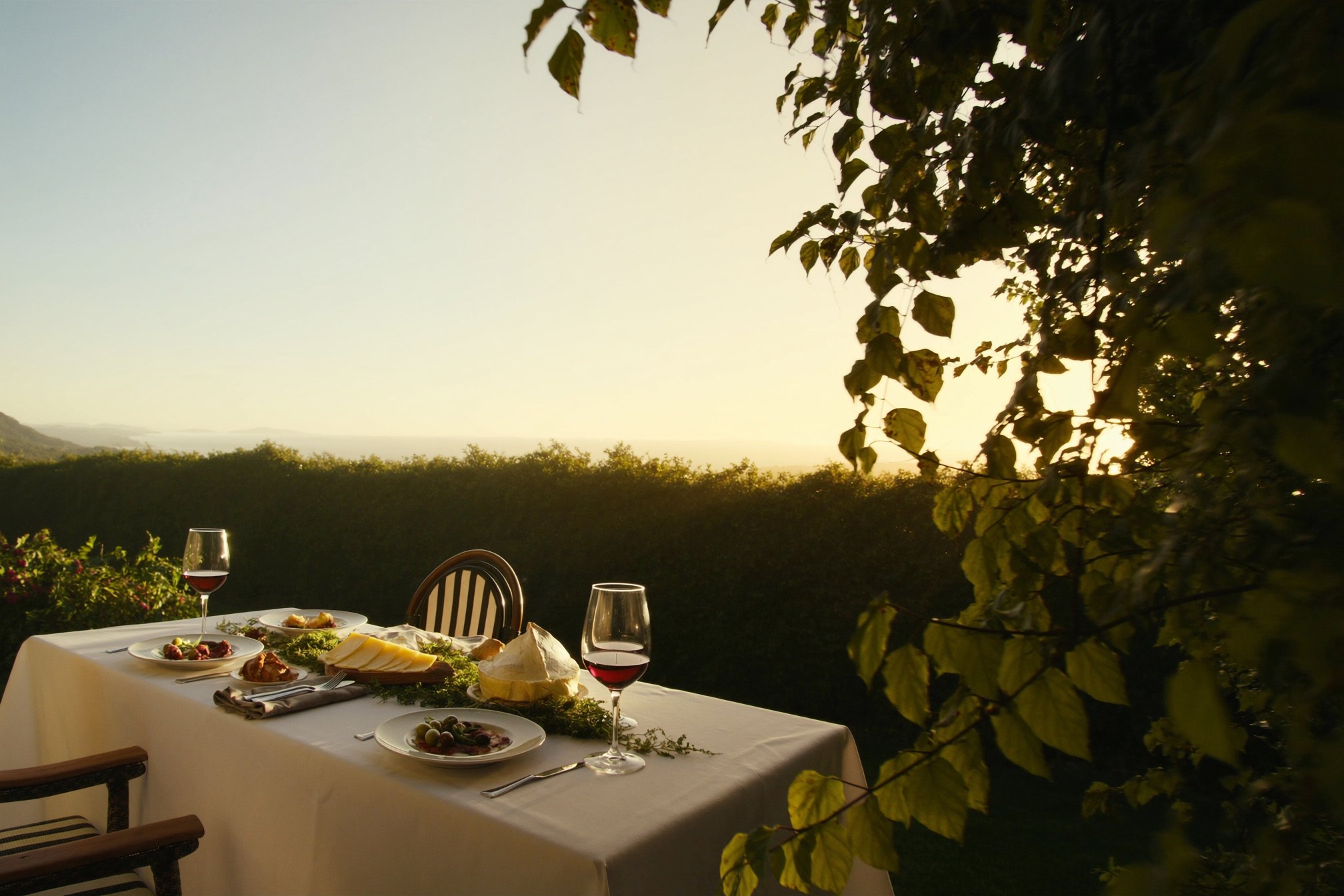
Two women who've been together nine years don't do dinner on their anniversary. They do a long drive — usually north through Sonoma, windows down, the same playlist they made the night they decided this was serious. They stop at a tasting room in Healdsburg. They sit outside. They ask each other one question they haven't found the nerve to ask all year.
Not a processed question. Not a prompt from a couples card game. Something real, something that's been sitting.
That's their tradition. It cost nothing to design. It's also completely irreplaceable.
Two men, together six years, mark theirs with what they call the List. Each year on the date, they write down five things the other did that year they'll never forget. Not big things. Small ones: the time he stayed up late to listen to a bad day. The dinner that turned into a four-hour conversation. The way he reached for a hand without thinking.
They read the lists out loud. They keep them. After six years, they have a stack.
Why the Invention Matters
This isn't a queer-relationships-are-better story. It's a necessity-becoming-something-else story.
When you can't inherit a ritual, you have to locate what you're actually commemorating. Not just the date you became official. The texture of the relationship. The specific weight of what you've built.
That process of locating — of asking what do we actually want to mark, and how — is itself an act of intimacy most couples skip entirely.
We spent so long figuring out how to exist in public together. At some point we realized we were also really good at existing in private. The anniversary became about that — just us, no performance required.
— anonymous, together 11 years
There's something structurally freeing about starting from zero. You don't have to deconstruct the default because you never picked it up. You just get to choose.
The Dates That Get Complicated
Not every queer anniversary is a clean celebration. Some couples have multiple dates that matter: the day they met, the day one of them came out to their family, the day a legal recognition finally arrived that straight couples got without asking.
Some couples mark the hard ones too. The anniversary of a coming-out conversation that almost broke them. The year someone's family didn't show. These dates don't get greeting cards either, but they live in the body.
Acknowledging them isn't wallowing. It's just honesty about what the relationship has actually carried.
When One of You Wants More Ceremony
Here's a friction point nobody talks about: one partner wants the invented ritual, low-key and specific. The other wants to be seen publicly, wants the restaurant, wants the gesture that says we are here and we are real.
Both wants are legitimate. They're not actually in conflict. They come from different histories.
Someone who spent years invisible might need the public table at a wine bar in Yountville, the raised glass, the small declaration. Someone who spent years performing safety might need the private ritual most. Neither person is doing the anniversary wrong.
The actual conversation — what does being celebrated look like to you? — tends to resolve it faster than deciding on logistics.
Building It, Year by Year
The best queer anniversary traditions aren't designed in one sitting. They accrete. You do something once because it felt right. You do it again because it felt right again. By year four it's a ritual. By year eight it's load-bearing.
Some examples from actual couples, offered without names:
The morning reread. Every year on the date, they read the first text thread from when they were still figuring out what this was. It takes twenty minutes and is reliably both embarrassing and tender.
The new place rule. The anniversary always happens somewhere neither of them has been before. New tasting room, new trail, new city if they can swing it. The relationship gets a new memory every year, by design.
The photo match. Same location, same pose, new photo. Stacked against last year's and the year before. It's simple. It's also a visual record of time passing that's theirs entirely.
The overnight, no phones. Not revolutionary. But doing it deliberately, annually, as a defined ritual — that's different from just having a nice night.
What the Invented Anniversary Actually Says
Every couple that builds their own tradition is doing something specific: they're defining what their relationship means in their own language. Not borrowed. Not inherited. Not performed for anyone watching.
The Hallmark calendar was designed to flatten relationships into a recognizable shape. Easy to market, easy to buy for, easy to assume is universal.
The queer couples who had to step around it didn't lose anything. They just ended up with something harder to replicate and more worth keeping.
Which, if you think about it, describes a good relationship too.