You're not tired exactly. You're not sad. You're not even that stressed, or so you'd say if someone asked. You just… don't really want to. Not tonight. And probably not last night either, if you're honest about it.
So you start to wonder if something is wrong with you. Or with the relationship. Or both. You run through the checklist: attraction? Yes. Love? Yes. Resentment? Maybe a little, but nothing big. And yet your body keeps returning the same quiet answer: not available right now.
Here's what's almost certainly actually happening. Your nervous system has been running a low-grade emergency for so long that it's stopped announcing it. The cortisol is just ambient now. Background noise. And one of the first things chronic background cortisol turns off is desire.
What Cortisol Actually Does to Your Body (The Short Version)
Cortisol is your body's threat-management hormone. Short burst, useful. Gets you through a presentation, a near-miss on the freeway, a hard conversation. Then it clears, and your parasympathetic system comes back online: digestion, rest, repair, arousal.
The problem is that modern life doesn't serve cortisol in short bursts. It serves it as a slow drip. Inbox anxiety before your feet hit the floor. Low-level financial tension. Ambient news. Social performance pressure. The soft dread of things-you-haven't-dealt-with. None of it is technically a crisis. All of it costs.
When cortisol stays elevated, your body deprioritizes everything it deems non-essential to survival. Reproductive hormones drop. Testosterone — yes, yours too, regardless of your gender — decreases. Estrogen balance shifts. Blood flow to pelvic tissue reduces. The physical architecture of desire starts going quiet.
The Masquerade
This is the part that catches people. Cortisol hangover doesn't feel physiological. It feels like preference. Like mood. Like a personality trait that's quietly solidified.
You stop reaching. You stop noticing. Attractive people in your immediate vicinity register as scenery. You forget what it felt like to actually want something for yourself, physically, without overthinking it. Your attention span goes thin. You're present but not present.
And when a partner reaches for you, there's no repulsion. Just this dim, distant sense of not being able to get there from here. Which you then feel vaguely guilty about. Which costs more cortisol. The loop tightens.
What looks like a sex problem is often a nervous-system problem. What feels like a relationship problem is often a body problem. And what presents as 'I just don't want to' is usually 'my system has nothing left to give that direction.'
Why It's Not What You Think It Is
The most common misread: people assume low desire means the relationship has cooled. That attraction has shifted. That some essential feeling has dissolved. So they start auditing the relationship instead of auditing the load on their nervous system.
Which is not always wrong. Sometimes the relationship is the problem. But in a significant number of cases, the desire is structurally intact. It's just downstream of a hormonal and neurological environment that can't support it right now.
The body doesn't distinguish between a work deadline and a physical threat. Both trigger the same hormonal response. Both cost the same currency.
— MLL Editorial
Think about the last time you were genuinely relaxed. Not 'on vacation but still checking email' relaxed. Actually offline, warm, unhurried. Notice whether desire was more accessible then. If yes: that's data. That's your body telling you what the actual problem is.
What It Looks Like Day-to-Day
It's 9:30 PM. You've been horizontal on the couch for an hour. Your partner is next to you, warm, present. They're not asking for anything. But you can feel the vague awareness that you've both been not-quite-connecting for two weeks. Maybe three.
You're not on your phone. You're not busy. You're just… not there. The gap between where you are and where you'd need to be to actually want something feels enormous. Not because of anything that happened. Because your nervous system has spent the entire day in a low-level defensive posture and has nothing left for pleasure.
This is the cortisol hangover. It doesn't look like stress. It looks like distance.
The Physical Reality You're Probably Ignoring
Arousal is vascular. It's neurological. It requires actual physiological conditions: blood flow, tissue responsiveness, hormonal availability. When you're chronically stressed, your blood is being directed toward your muscles and core organs, not toward the places that register pleasure.
This is why physical arousal can feel muted or delayed. Why penetration can feel like friction instead of sensation. Why orgasm feels distant or effortful. None of that is permanent damage. All of it is what happens when your body's threat-response system has been in soft-activation for too long.
Lubrication decreases under chronic stress. Sensitivity can dull. The feedback loop your body uses to signal arousal to your brain slows. And because none of this hurts exactly, you chalk it up to 'just not being into it' instead of recognizing it as a physical state that can change.
The Reset Isn't a Spa Day
Nobody's saying book a weekend at Solage. Although if you did — warm springs, the particular weight of a robe in a cool morning, the way Calistoga air smells in October — your nervous system would probably know exactly what to do with that.
But the more honest version is smaller. It's eliminating the cortisol triggers you actually have control over, even if that list is shorter than you'd like. It's a night where you don't have to be available for anyone else's needs, including your partner's. It's sleep before sex, not sleep instead of it — which is a different thing.
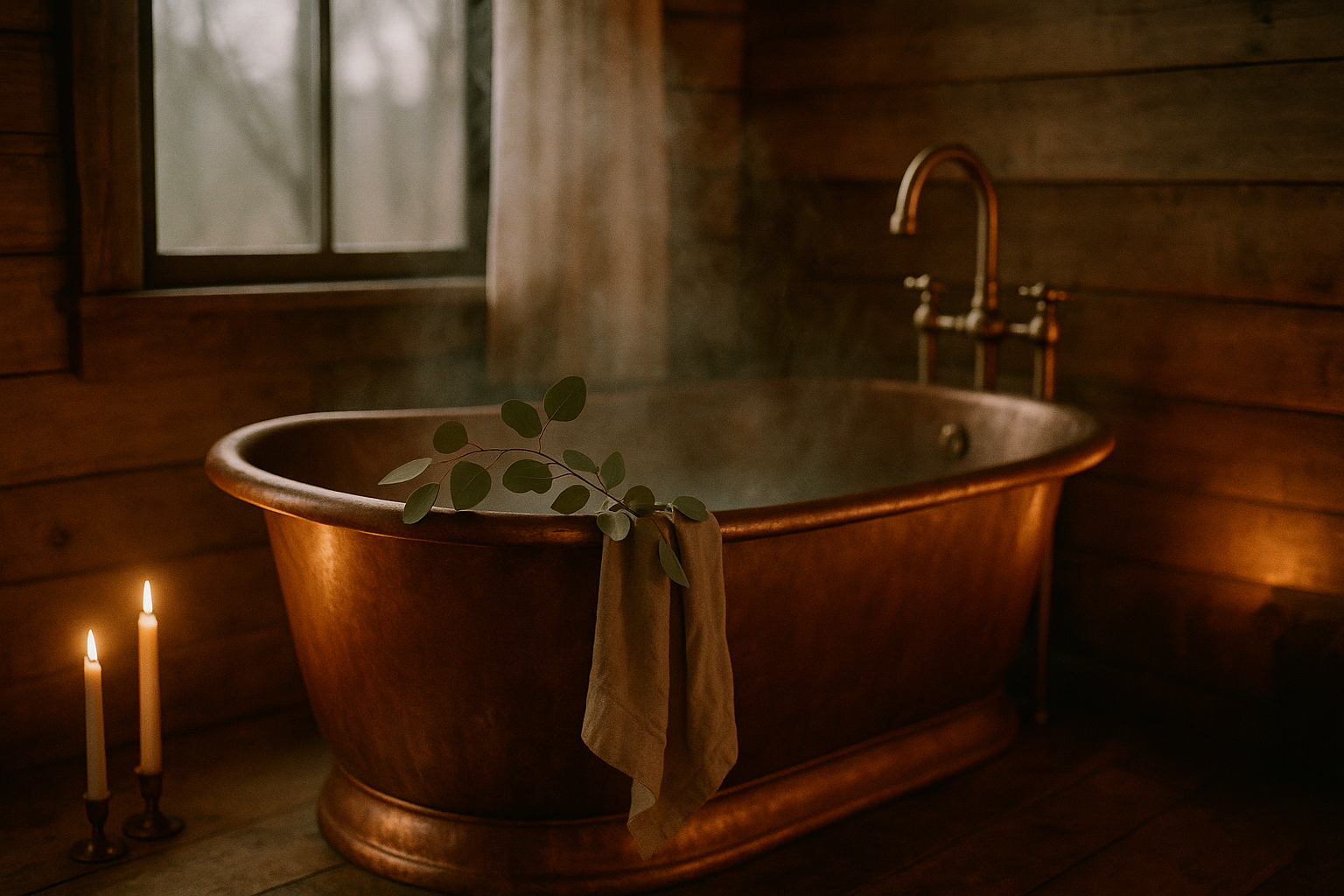
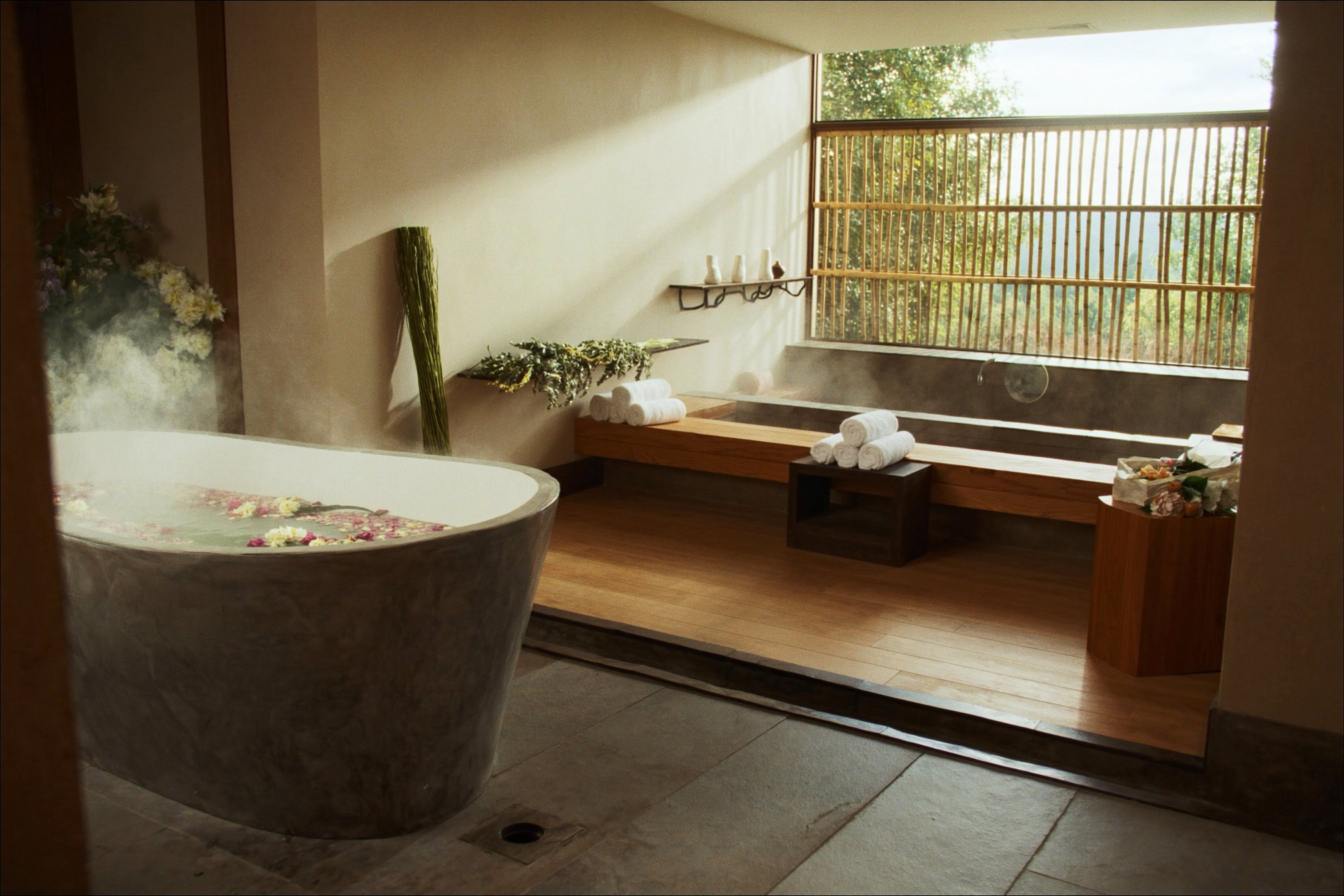
It's also recognizing that the transition from stressed to available isn't instant. Your body needs a decompression window. Thirty minutes of nothing. Not scrolling nothing. Actual nothing: warm water, dim light, no decisions. The parasympathetic system doesn't switch on like a lamp. It seeps back in.
The point isn't a routine. The point is understanding that desire lives downstream of safety, and your nervous system determines what feels safe.
What to Say to Your Partner
Not: 'I've been stressed.' That reads as a deflection by now.
Something closer to: 'I think my body has been in low-level overdrive for a while and it's affecting everything, including wanting you. That's not about you. But I need to actually address it instead of just apologizing for it.'
That's specific. That's honest. That gives a partner something real to work with instead of a vague sense of being rejected.
The Thing Worth Knowing
Desire that's been suppressed by chronic stress is not desire that's gone. It's desire that's waiting for a nervous system that isn't constantly braced.
Most people who've come through a high-stress season report that want came back. Not as an event. Quietly, the way it always does. A hand that doesn't feel like effort to reach for. A morning where the body remembers what it's for.
That's not a promise. It's a pattern. And it starts with calling the thing what it actually is: not a mood, not a personality, not a verdict on the relationship. A cortisol problem. Biological, temporary, and — with actual attention — workable.