There's a window. Most people feel it without naming it. Sometime around 10 a.m., the grogginess lifts, the coffee has done its actual job, and for a stretch of maybe ninety minutes, you are just... clearer. Sharper. Slightly more like yourself.
And then you spend it answering questions that could wait until Tuesday.
This isn't about productivity hacks. It's about something more physical than that. Your body has a built-in energy architecture, and the window between 10 and noon is one of its most underused peaks. Not the artificial spike from your second espresso. The real thing. And consistently sacrificing it to reactive work is affecting your mood, your metabolism, and yes, your desire — in ways that feel unrelated but aren't.
What's Actually Happening in Your Body
Cortisol gets a bad reputation because we mostly talk about it at night, when it shouldn't be high. But in the morning, cortisol is doing something useful. It peaks around 30 to 45 minutes after waking — this is the Cortisol Awakening Response — and it's the thing that actually wakes you up. Not coffee. Cortisol.
By 10 a.m., that peak has crested and is dropping cleanly. Simultaneously, your core body temperature is rising, which boosts alertness and reaction time. Serotonin is active. Testosterone, which matters for energy and libido in all bodies, is still meaningfully present.
The result is a brief, biologically genuine window of cognitive clarity and physical readiness. Researchers at Harvard and the Salk Institute have both documented this mid-morning peak in human performance studies. It's not subjective. It's circadian.
What You're Trading It For
Here's the thing about reactive work — email, Slack, responding to other people's urgencies. It doesn't just use your attention. It activates your stress response in a low-grade, persistent way. Each notification is a small threat assessment. Each unanswered message is an open loop. Your nervous system doesn't distinguish between a saber-toothed tiger and seventeen unread threads. It just stays slightly activated.
When you do that during your peak window, you're essentially spending your best neurological currency on the cheapest tasks. And the cost compounds.
By early afternoon, when you've been in reactive mode since 8, your cortisol is genuinely depleted. Your body temperature curve flattens. The mental clarity you had at 10:30 is gone, and you didn't use it on anything that mattered. What you're left with is a flat, slightly irritable afternoon — which most people misread as just being tired.
The Mood-Metabolism-Desire Chain
This is where it gets more personal than most people expect.
Mood and metabolism are not separate systems. When your cortisol is chronically dysregulated — spiked and crashed and spiked again across a morning of reactive stress — your blood sugar follows. Insulin sensitivity drops. You get the 2 p.m. fog. You eat something to manage it, which isn't a character flaw, it's physiology.
And desire? Libido sits at the very end of the body's priority list. When your stress response has been running all morning and your hormones are in recovery mode by afternoon, desire is the first thing the body quietly tables. Not as a decision. Just as a resource allocation.
Libido isn't a mood. It's a signal that your nervous system has enough safety margin to think beyond survival. Chronic low-grade stress doesn't eliminate it. It just keeps deferring it.
— loosely consistent with research on HPA axis and sexual response
If you've noticed feeling less interested at the end of the day and assumed it was just the relationship or your age or some vague tiredness you can't name, the morning you didn't protect is worth looking at.
This Is What It Looks Like in Practice
She works from home. He leaves at 8. By the time he's out the door, she's already opened her laptop. By 9 she's in four threads, two of which didn't need her yet. By 10:30 she's behind, even though nothing actually required her before noon.
By 3 p.m. she's flat. By 7 she's depleted and slightly resentful in a way she can't trace. He comes home with a little energy left. She has almost none. And whatever small warmth might have connected them gets quietly bypassed for the couch and something to watch.
This isn't a relationship problem. It's a morning problem masquerading as an evening one.
What Protecting the Window Actually Looks Like
Not a morning routine. Not a five-step ritual. Just a decision about what doesn't get your best hour.
The research on peak performance timing consistently shows that complex, generative work done during a person's biological peak produces better outcomes with less mental fatigue than the same work done in an off-peak period. Move one creative task, one physical thing, one piece of work that's actually yours into that window. Let email wait until 11:30.
If you have a body that benefits from morning movement, 10 a.m. is a genuinely good moment for it. Core temperature rising, cortisol descending, testosterone still present. A 30-minute walk in this window does more for afternoon mood than the same walk at 4 p.m. That's not opinion — it's how the thermoregulatory and HPA systems interact.
The Sensory Version of This
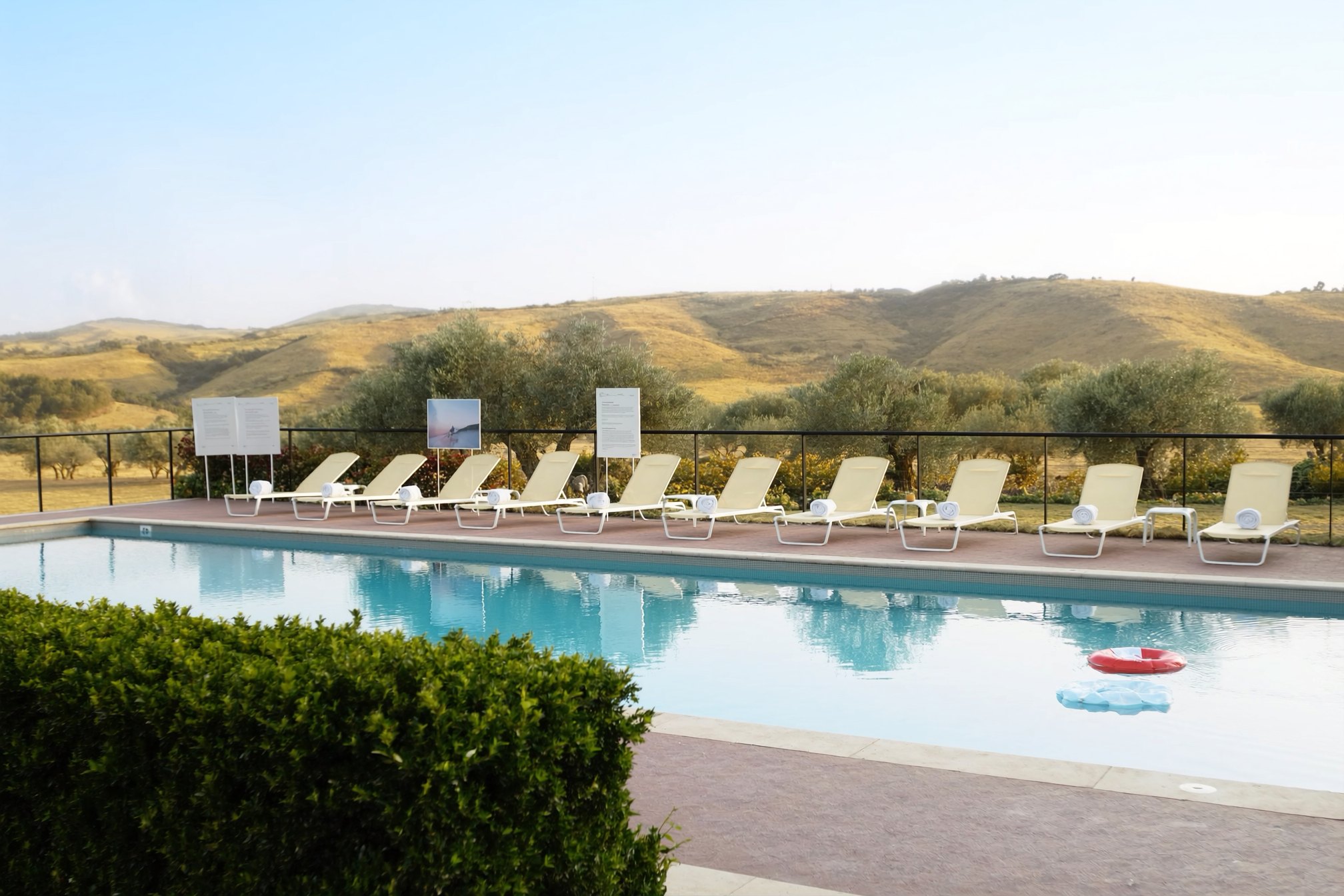
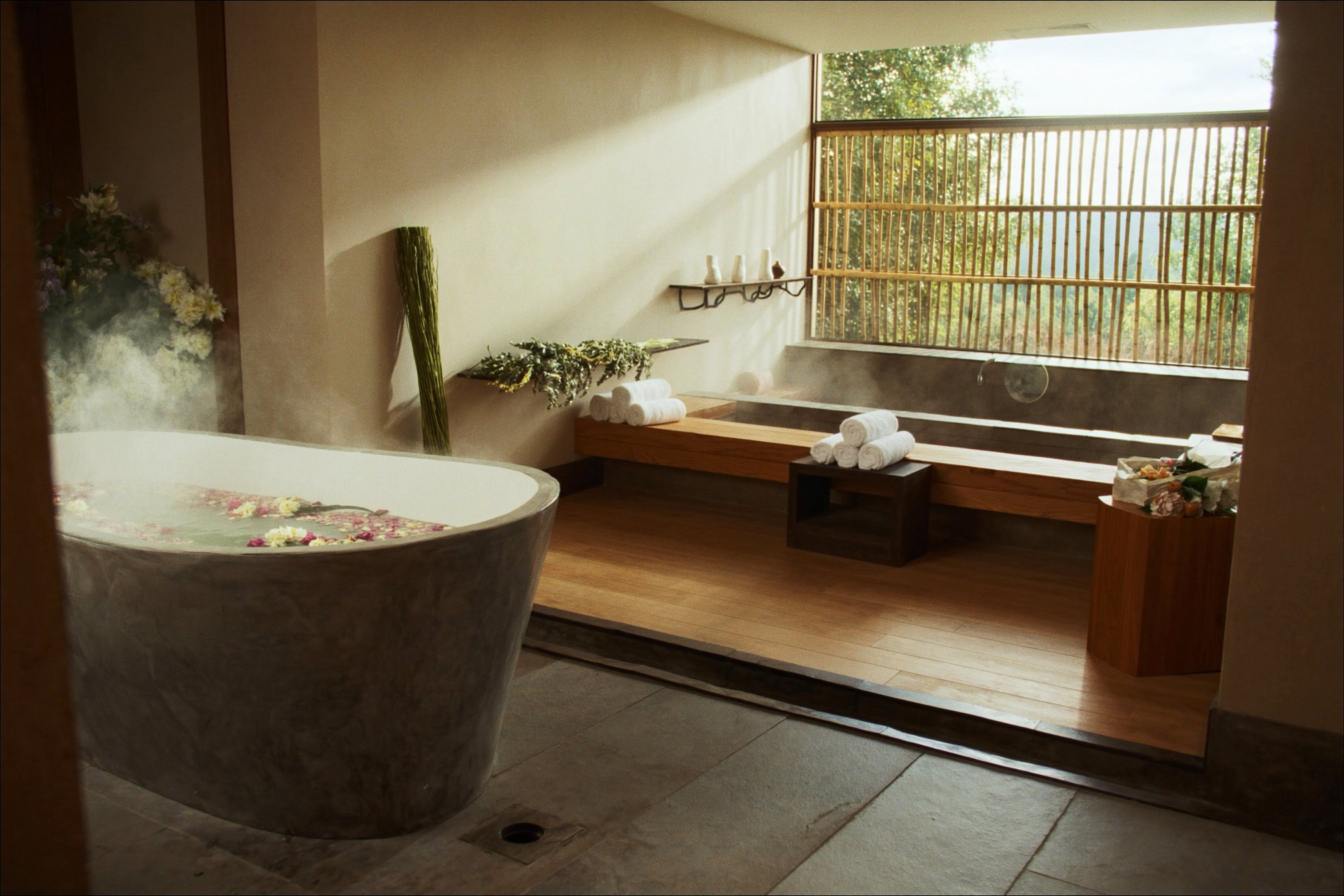
There's a version of a mid-morning that most people haven't experienced since they were a student or between jobs or on vacation somewhere without a schedule. The light comes in sideways still. The coffee is the second, slower cup. You're in something comfortable. No urgency yet.
Think of how your body feels at 10 a.m. on a Saturday in Healdsburg when you have nowhere to be until lunch. That's not vacation magic. That's just your cortisol behaving the way it was designed to behave when you aren't fighting it.
The skin is awake. The body is warm. You're actually present in it. That's the window. And it exists on Tuesdays too.
Frequently Asked Questions
What is the Cortisol Awakening Response and why does it matter?
The Cortisol Awakening Response (CAR) is a sharp rise in cortisol that happens in the 30–45 minutes after waking. It's a natural, healthy part of your circadian rhythm — it mobilizes energy and primes alertness. By around 10 a.m., the CAR has peaked and is declining, which creates a different kind of clarity: less agitated, more focused. That transition period is the window.
Why does chronic morning stress affect libido by evening?
The HPA axis (hypothalamic-pituitary-adrenal) governs both your stress response and your sex hormone production. When the stress side runs hot all morning, it competes with the hormonal processes that support desire. By evening, those systems are in recovery. Libido doesn't disappear — it just keeps getting pushed to tomorrow.
Does this apply if I'm not a morning person?
Yes, with a shift. If you're a genuine evening chronotype, your cortisol peak arrives later — closer to 9 or 10 a.m. rather than 7. Your mid-morning window might be 11 to 1. The biology is the same; the clock just slides. The error most people make is assuming their schedule determines their chronotype, when it's actually the other way around.
Can protecting this window really affect metabolism?
Indirectly, yes. Cortisol dysregulation affects insulin sensitivity and contributes to the cycle of energy spikes and crashes that drive reactive eating in the afternoon. It's not the only metabolic factor, but it's a real one. Protecting your peak window from unnecessary stress reduces the cortisol rollercoaster — which your blood sugar will notice.
The window exists whether you use it or not. Your body opens it every morning like it always has. What you put in it is the only variable.