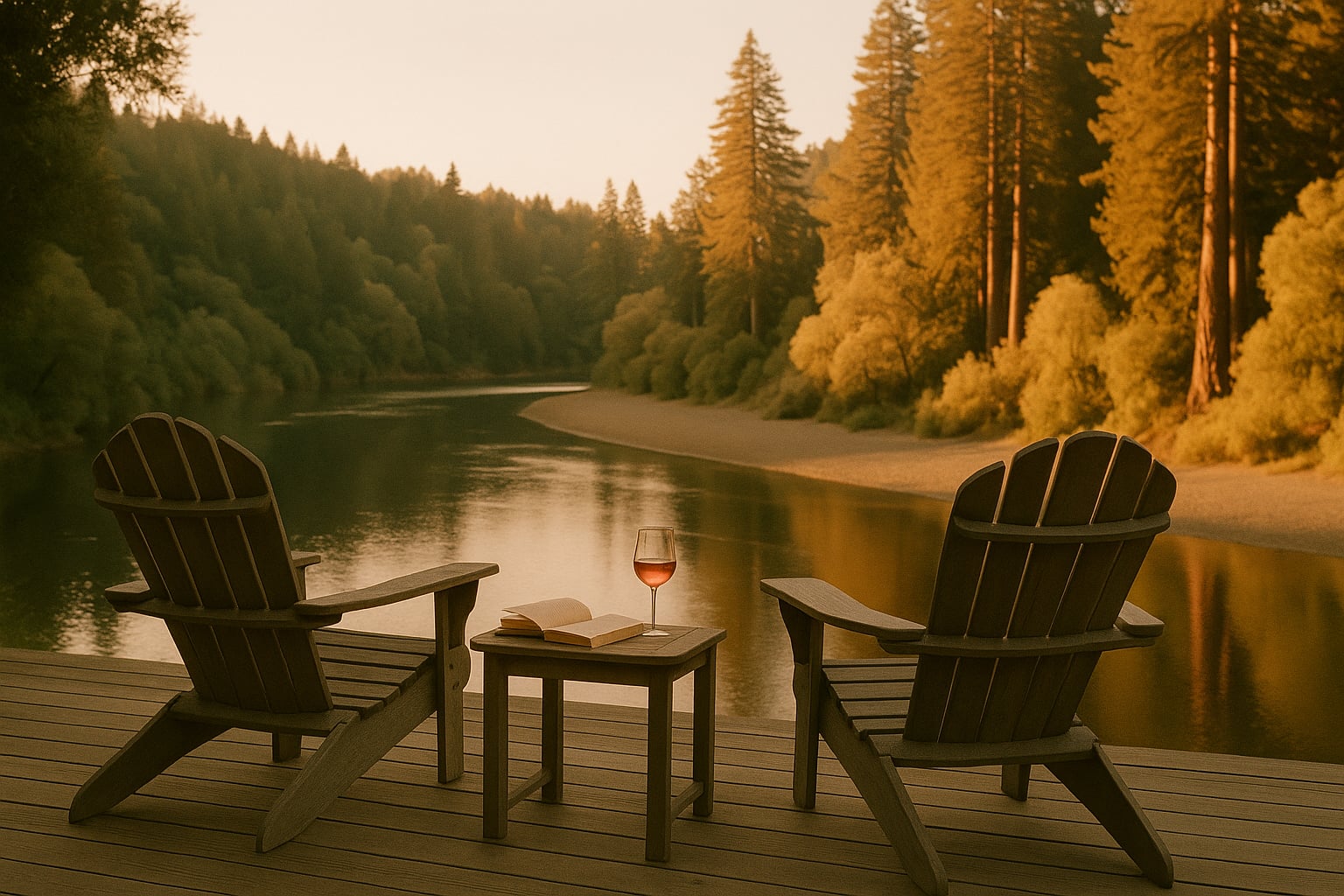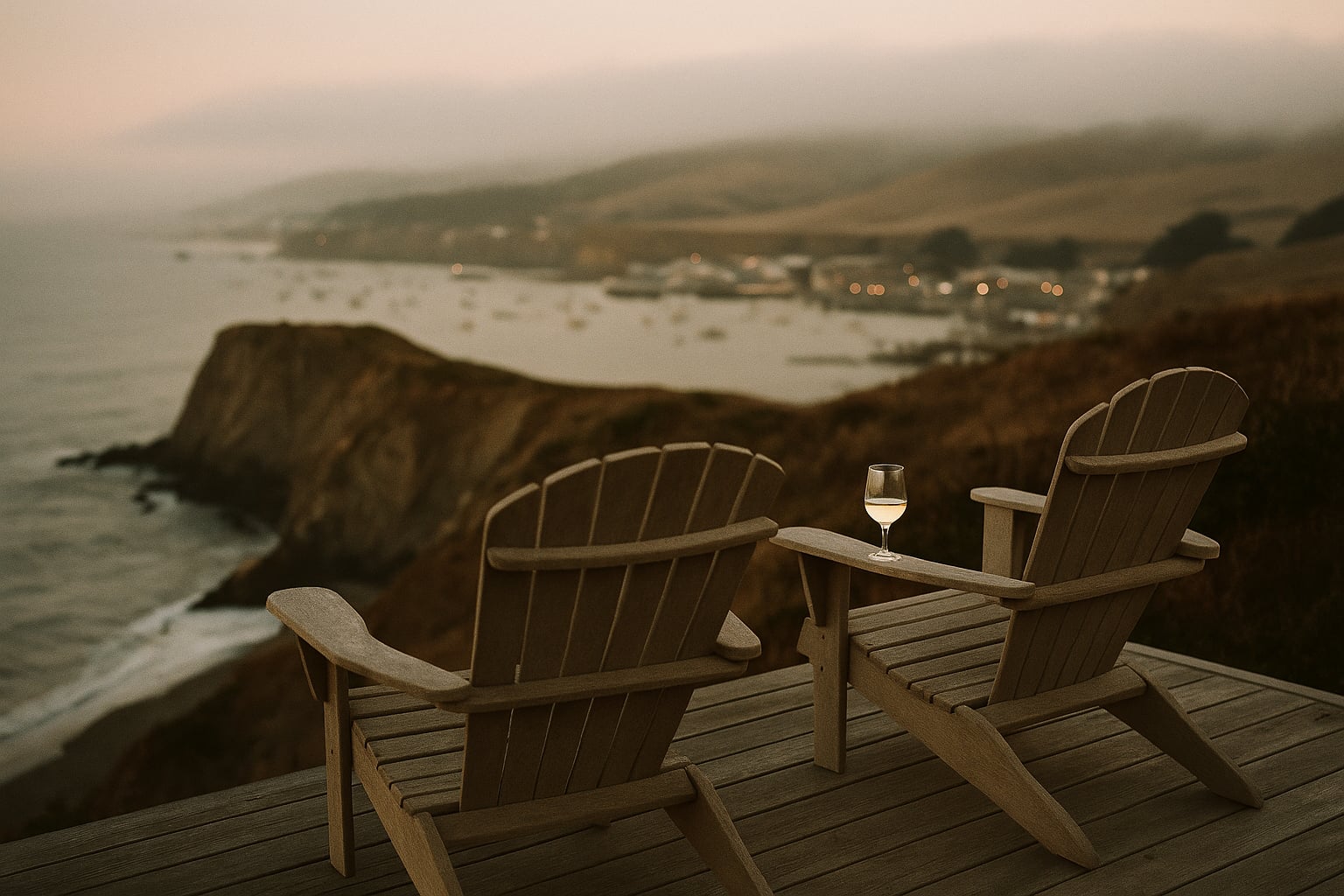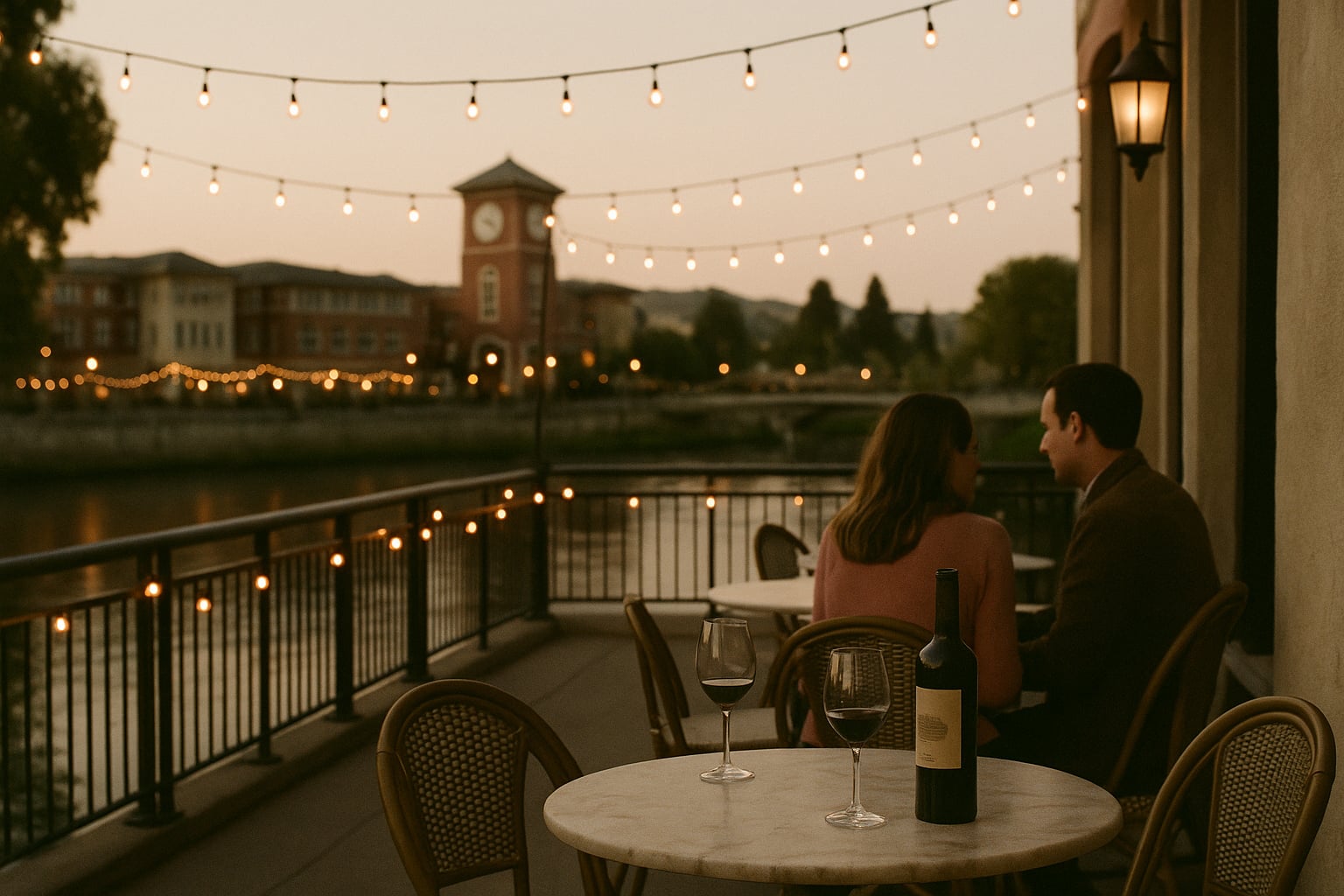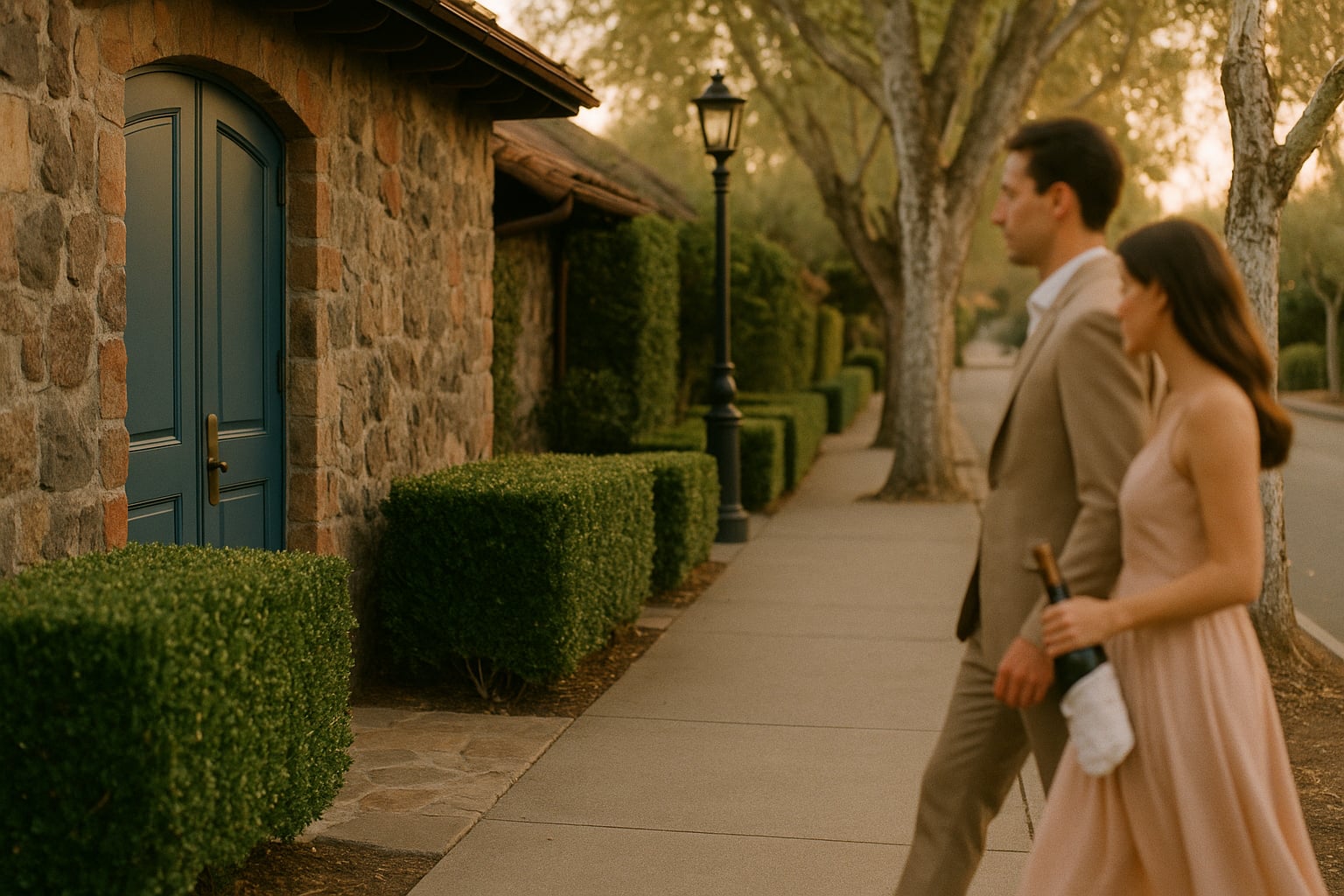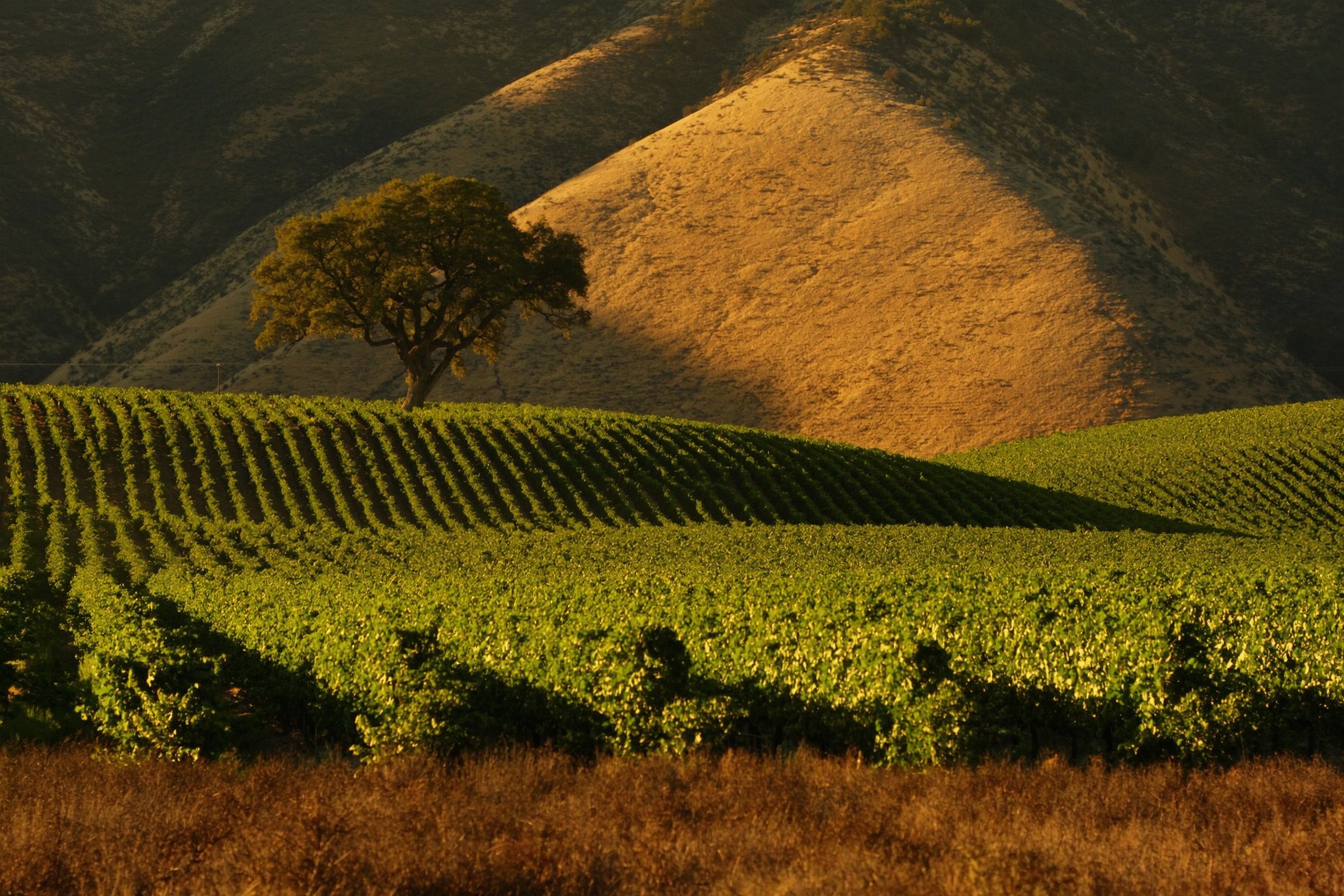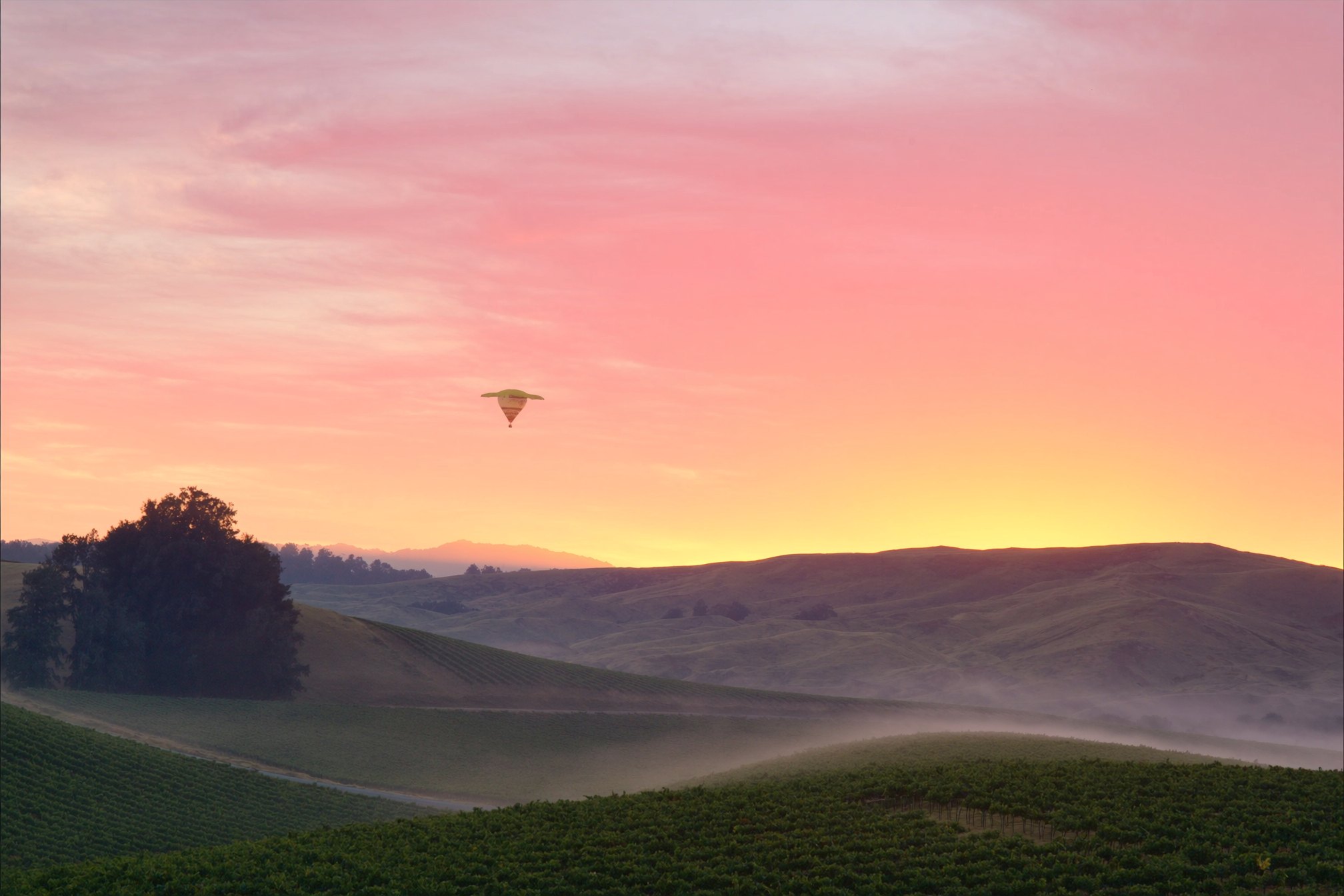
Every October, Sonoma smells like fermentation and woodsmoke and something faintly sweet rotting in the best possible way. The grapes are in. The crush pads are running. And somewhere on a property you've driven past a dozen times, there's a table set for eight people who thought to pick up the phone.
Not a ticketed event. Not a "harvest experience" sold through Tock. A real dinner — in a barrel room or at the edge of a just-picked block — with the winemaker, the family, a few open bottles that never get a label, and food that materialized because someone decided today was the day.
These dinners exist. They are not a myth. They are just not for people who wait to be invited.
What Crush Season Actually Is (and Why It Matters for This)
Harvest in Sonoma runs roughly late August through early November, depending on the varietal and the year. Crush season is the compressed heart of it: usually mid-September through mid-October, when fruit is coming off the vine fast and the whole property goes into a kind of controlled frenzy.
Winemakers are sleeping four hours. Cellar crews are working around the clock. And there's a particular generosity that comes with that exhaustion. People want to feed each other. They open things they've been saving. The usual formality collapses.
That collapse is what you're after.
Why These Dinners Don't Appear Online
They're not a product. That's the whole point. The moment a harvest dinner becomes a ticketed experience with a landing page and a cancellation policy, it stops being what it was. The wineries that do this well know that. They keep it informal by design.
Some happen because a winemaker's wife still cooks for the whole crew on the first day of crush and she made too much. Some happen because a family-owned estate in the Dry Creek Valley has been doing a harvest-end dinner for wine club members for twenty years and they just don't advertise it. Some happen because you called in March and asked nicely.
Where to Call and What to Say
Start with small family estates, not the visitor-center operations. The Alexander Valley, Dry Creek Valley, and the western Sonoma Coast are your best bets. Places where the person who answers the phone might actually be the person who made the wine.
Call, don't email. Email is easy to not answer. A phone call says you're serious. Ask for the tasting room manager or the winemaker directly. Introduce yourself briefly: where you're from, how long you've been drinking their wine, that you're coming with a partner or a small group.
Then ask. Not for a "harvest dinner experience." Ask if they ever do anything informal around harvest, whether there's a crush dinner or an end-of-season table that guests occasionally get included in. Ask if there's anything happening at the property that isn't on their calendar.
The answer is sometimes no. Sometimes it's "not this year." But a meaningful percentage of the time, someone pauses and says: actually, let me check with our winemaker. That pause is everything.
The Timing Window
Call in March or April for October. That sounds absurdly early. It isn't. Harvest dinners, when they happen, fill up with people who've been coming to the property for years. If you want to be considered, you need to be known, even slightly, before the season starts.
A second window opens in August, right before harvest begins. Wineries that do informal dinners are starting to think about logistics. A well-timed call in late August positions you as someone who pays attention.
Walk-in requests in October almost never work. You're competing with people who planned this the way other people plan weddings.
What the Dinner Is Actually Like
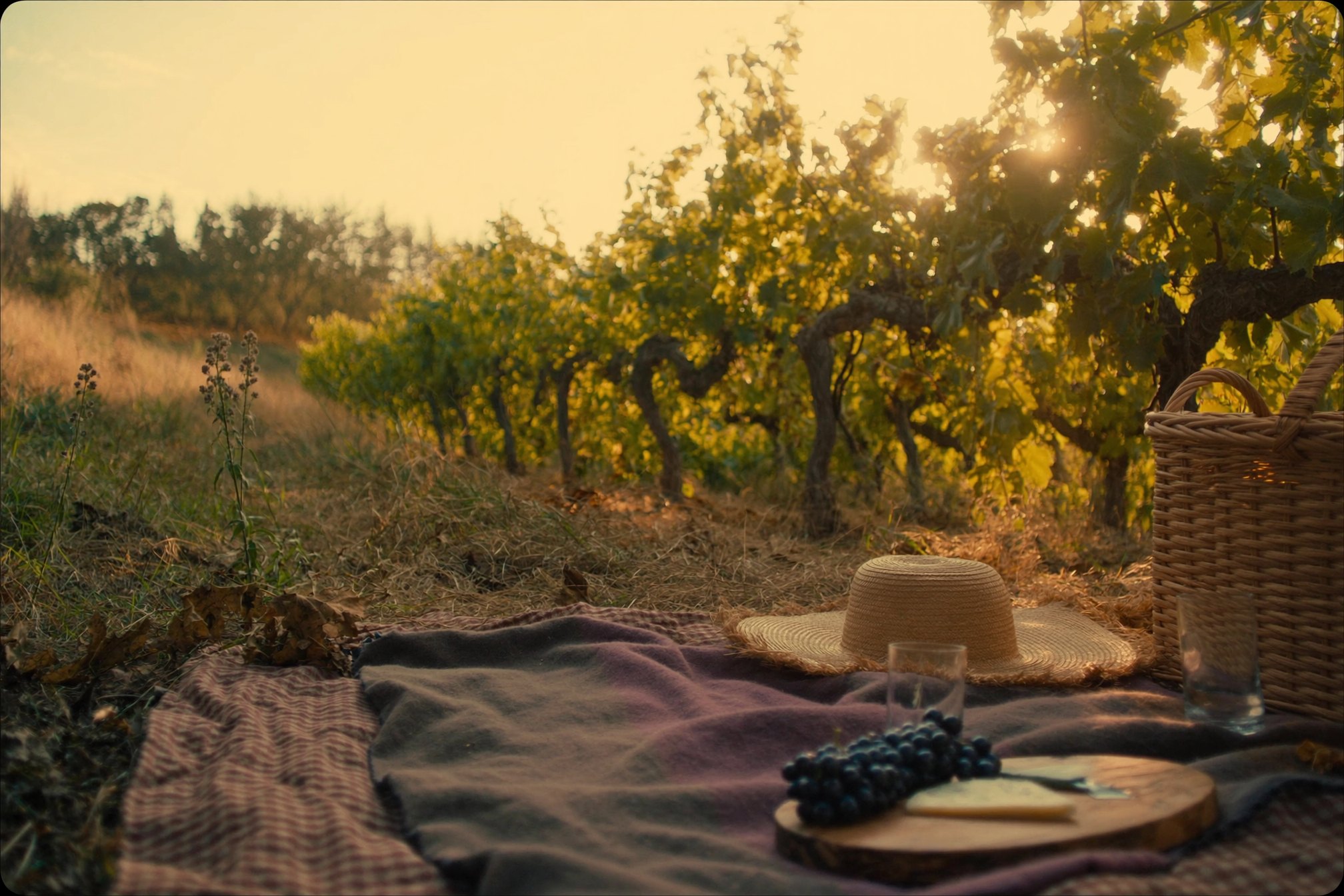
Understand: this is not a plated four-course meal with a sommelier describing tannin structure. It's a long table, probably outdoors or in a barrel room, probably built from whatever was around. Someone's grandmother's braised something. Bread that someone drove forty minutes for at six in the morning. Cheese that got opened because the winemaker felt like it.
The wines are poured without ceremony. Sometimes from unlabeled bottles. Barrel samples passed around in glasses that don't match. Nobody's performing. That's the part that's hard to explain to someone who hasn't been: the relief of a table where nobody's performing.
We sat at that table for four hours. The winemaker poured something from a barrel that wasn't a vintage yet. His daughter fell asleep on the bench next to me. It was the best wine dinner I've ever had and there were paper towels instead of napkins.
— A regular guest at a Dry Creek Valley estate, unprompted
The Spots Worth Knowing About
We won't name specific wineries here, for the obvious reason that naming them turns them into something they're not. But here's the geography: the Alexander Valley rewards calls to small Cabernet producers. Dry Creek Valley has a handful of family Zinfandel estates that have been doing informal harvest tables for decades. The Sonoma Coast, especially around Occidental, has a newer generation of winemakers who are deeply hospitable and often working without a tasting room at all, which means they're sometimes more open to unstructured visits, not less.
The Healdsburg plaza is your home base for any of these. Stay close enough to walk back. You will open more bottles than you plan to.
Solage in Calistoga and the properties around Yountville are more structured, more polished. That's fine if you want that. But for a harvest dinner with any real texture, you're looking at Sonoma County proper, not the Napa infrastructure.
What to Bring, What to Offer
You're a guest in someone's working harvest. Bring something real: a case of something you love from outside the region, a good olive oil, flowers from the farmers' market in Healdsburg that morning. Don't bring wine from another Sonoma producer. It reads wrong.
Offer to help with setup or cleanup and mean it. Accept whatever's poured without commentary about what you expected. Ask questions about the vintage, the decisions, the year — not to perform curiosity, but because the answers are usually remarkable.
Leave when the energy shifts. Some of these dinners end at nine. Some go until someone finds a guitar. Read the room the same way you'd read any room where people have been working twenty-hour days for three weeks.
Why This Is a Better Date Than Anything You Could Book
There's something specific that happens when two people do something that required actual effort to arrange. Not money. Effort. The decision to call in March. The research. The asking.
You arrive at that table having already done something together, even if that something was just planning. And then the dinner is genuinely unpredictable in the way that almost no dinner is anymore. You don't know who else will be there. You don't know what will be poured. You're not managing an itinerary.
That looseness is rare. It produces a different kind of conversation. The kind that tends to go somewhere real.
One Last Thing
After a dinner like this, you'll want nowhere to be. Not a drive back to the city. Not an early flight. Book a room within walking distance of wherever you end up. Sleep is better after good wine and a long table and a conversation that surprised you.
The morning will smell like fog and woodsmoke and something left fermenting nearby. That's the harvest. It's one of the better smells there is.