Sometime in October, the air around Healdsburg starts to smell like something is happening. Not perfume. Not candles. Fermentation. Wet grape skin and turned earth and a faint sweetness that's almost overripe. It's the smell of crush season, and if you've never driven up there specifically for it, you've been going at the wrong time of year.
The Instagram version of Sonoma in fall is golden light and cheese boards. That version exists, technically. But the one worth the two-hour drive is quieter, older, and not particularly photogenic. It's the version where the tasting room staff is tired in a good way, the winemaker is covered in something purple, and the restaurant patio has that chill that makes you lean closer.
This is a real evening. Not aspirational. Not a listicle. A sequence you can actually do.
Arrive Earlier Than You Think You Need To
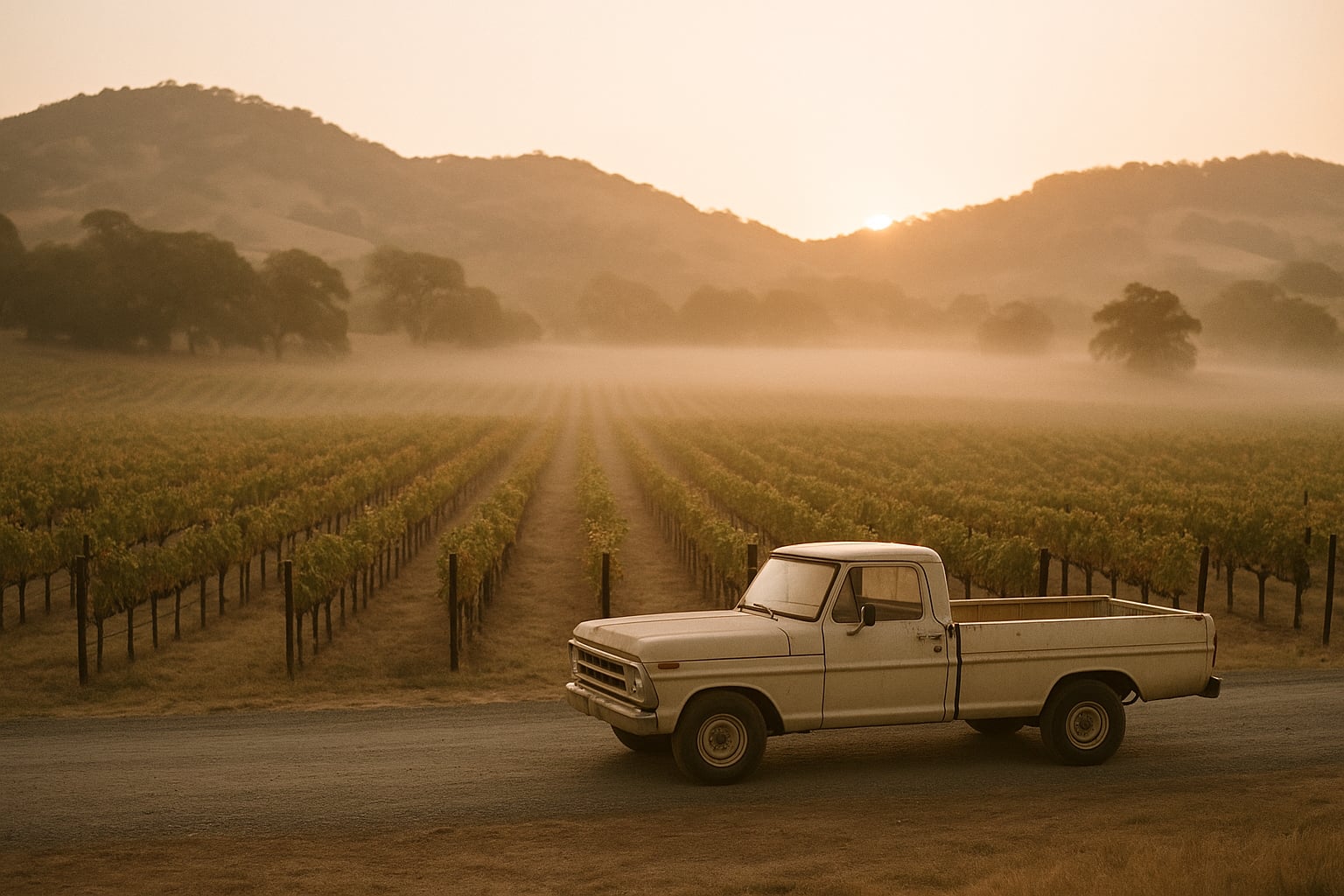
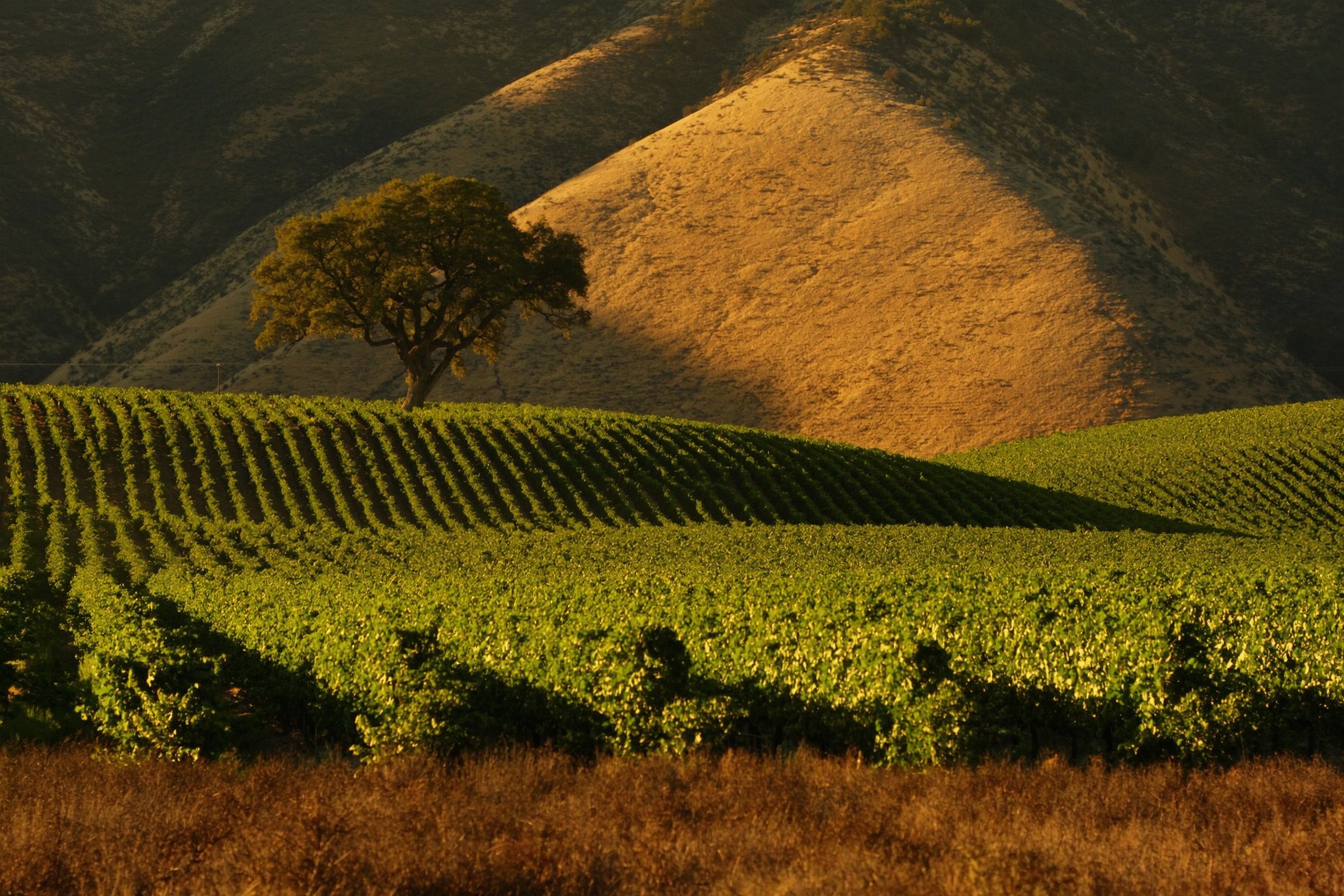
Leave the city by 2 PM. Not because anything opens early, but because the drive on Westside Road through the Russian River Valley during harvest is its own thing. Pull over once. You don't have to Instagram it. Just look at the vines. They're different in October: dry, papery leaves, clusters already picked or almost there. It looks like the end of something, which is exactly the point.
Getting there unhurried means you arrive as a person, not a schedule. That distinction matters more than it sounds.
The First Pour: Skip the Famous Tasting Room
The well-known names have waitlists and timed entries and a fine but slightly clinical experience during crush. What's actually available: smaller producers who still do walk-ins, who actually want to talk about what's happening right now in the cellar.
Dry Creek Vineyard is worth it specifically in fall because the Dry Creek Valley floor is narrow and agricultural in a way that's different from the polished Napa corridor. You're not in a resort. You're in a working landscape. Order the Zinfandel. Ask what they harvested this week. Let that be a twenty-minute conversation, not a five-minute pour.
The Walk You Take Between the First Pour and Dinner
This is load-bearing. It's the part most itineraries skip because it doesn't have a name or a reservation.
Park somewhere near the Healdsburg Plaza. Walk it once without your phone out. There are exactly the right number of things open: a good kitchen store, a small wine bar with no seats outside, a couple locals moving through errands. The fountain in the plaza is nothing special, which is what makes it grounding. Sit on a bench if you want. The air is cooling and the light is dropping and you have nowhere to be for another hour.
This is where the day shifts into something else. You stop narrating it to yourself and just start having it.
Dinner: What You're Actually Looking For
The goal isn't the most celebrated restaurant. The goal is a kitchen using what got harvested this month within twenty miles of this table. That's a different filter.
SingleThread in Healdsburg will do that at a very high level, and it's worth it if you've planned ahead: the farm-to-kitchen model is literal, the pacing is slow by design, and the room is intimate enough that you're not performing dinner for strangers. Book the counter if you can get it.
If SingleThread isn't available: Valette. Same neighborhood, same commitment to local sourcing, warmer room, slightly less formal. Order whatever has squash or mushroom or wild boar. Don't skip the bread service.
Good harvest-season cooking tastes like the specific valley it came from. There's a mineral edge to fall produce in Sonoma that doesn't travel well.
— MLL
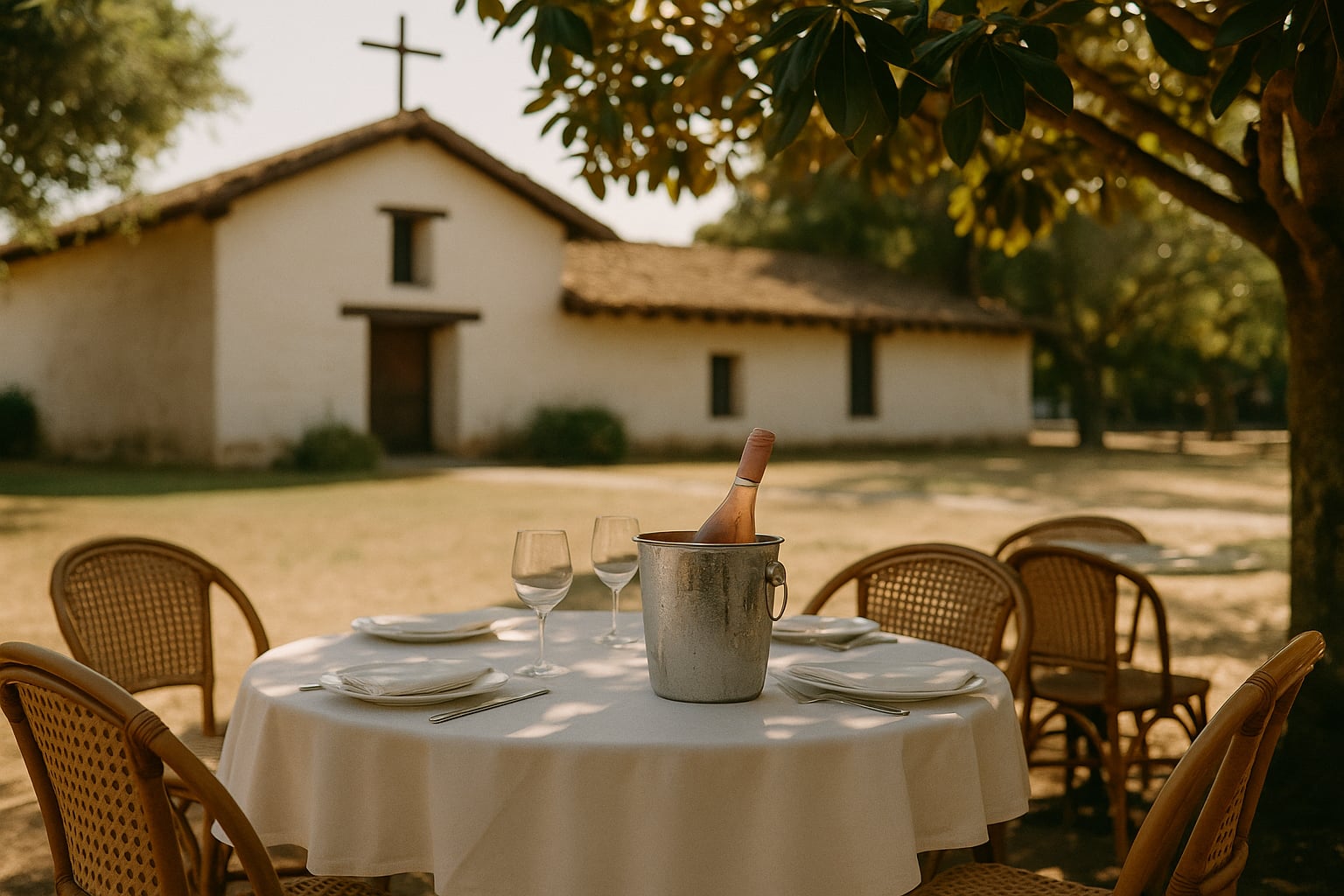
Order a bottle, not by the glass. This is important. Ordering a bottle commits you to the table for the whole thing. It removes the option of cutting dinner short because you're tired or slightly awkward. You sit. You stay. You finish it.
What Actually Happens at a Long, Slow Dinner
Around course three, something usually loosens. It's the wine, partly. It's also the accumulated effect of two hours of not being at work or at home. Someone says something they've been meaning to say for a week. Or nobody says anything important at all, and that's fine too.
The point isn't conversation depth as a goal. The point is time that doesn't have a next thing attached to it. That's what the slow dinner actually gives you — not intimacy as a deliverable, but the conditions where it becomes possible.
Eat slowly. Let the server clear at their pace. Don't ask for the check early.
Where You Sleep
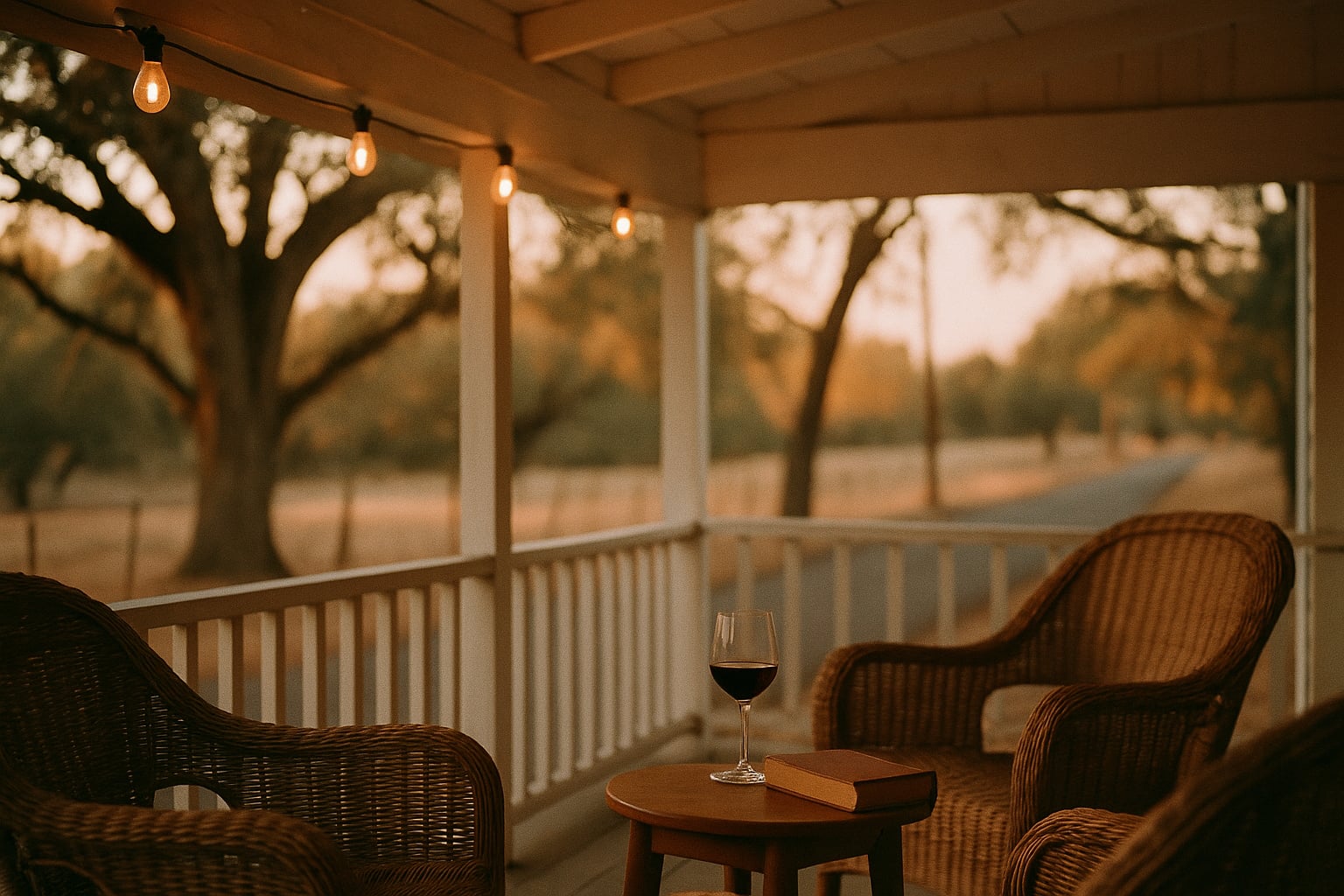
If you're staying over: book it. One night in Sonoma wine country mid-week in fall is not a luxury flex, it's a reasonable decision. The drive home at 11 PM after a bottle of wine and a four-course dinner is the thing you'll regret, not the room charge.
Harmon Guest House in Healdsburg puts you within walking distance of the plaza and the restaurants, which means you never get into a car after the first pour. The rooms are small and well-designed. The beds are good. That last part is not a small thing.
Alternatively: Farmhouse Inn in Forestville, which is smaller, more private, and has the kind of deep soaking tubs that change the temperature of an evening in a literal sense. Fireplace in some rooms. The weight of a robe after a warm bath and a long dinner is its own kind of sedative.
The Morning After Is Part of It
Don't rush home. The Saturday morning version of Sonoma during harvest is unhurried in a way that doesn't exist during summer tourist season. Get coffee at Flying Goat in Healdsburg. Buy something from the farmers market if it's running. Drive a back road on the way south.
The Sonoma backroad drive home is an extension of the evening, not a separate thing. The valley at 9 AM in October has a different light than anything from the night before. Cold, clear, and very quiet.
The Part Nobody Puts in the Guide
Crush season in Sonoma isn't romantic in the curated sense. It's not the polished wine country of a resort brochure. It smells agricultural. The roads have tractor traffic. Some tasting rooms are closed because the winemaker is literally in the cellar.
That's why it works. The messiness of it — the working-landscape reality of it — is what makes the dinner and the bottle and the bed feel earned rather than purchased. You're not inside a simulation of wine country. You're in an actual place that has an actual season.
And when you get home and someone asks how it was, you probably won't lead with the restaurant. You'll lead with the smell of the air when you pulled over on Westside Road.
That's the tell. That's when you know the evening did what it was supposed to do.