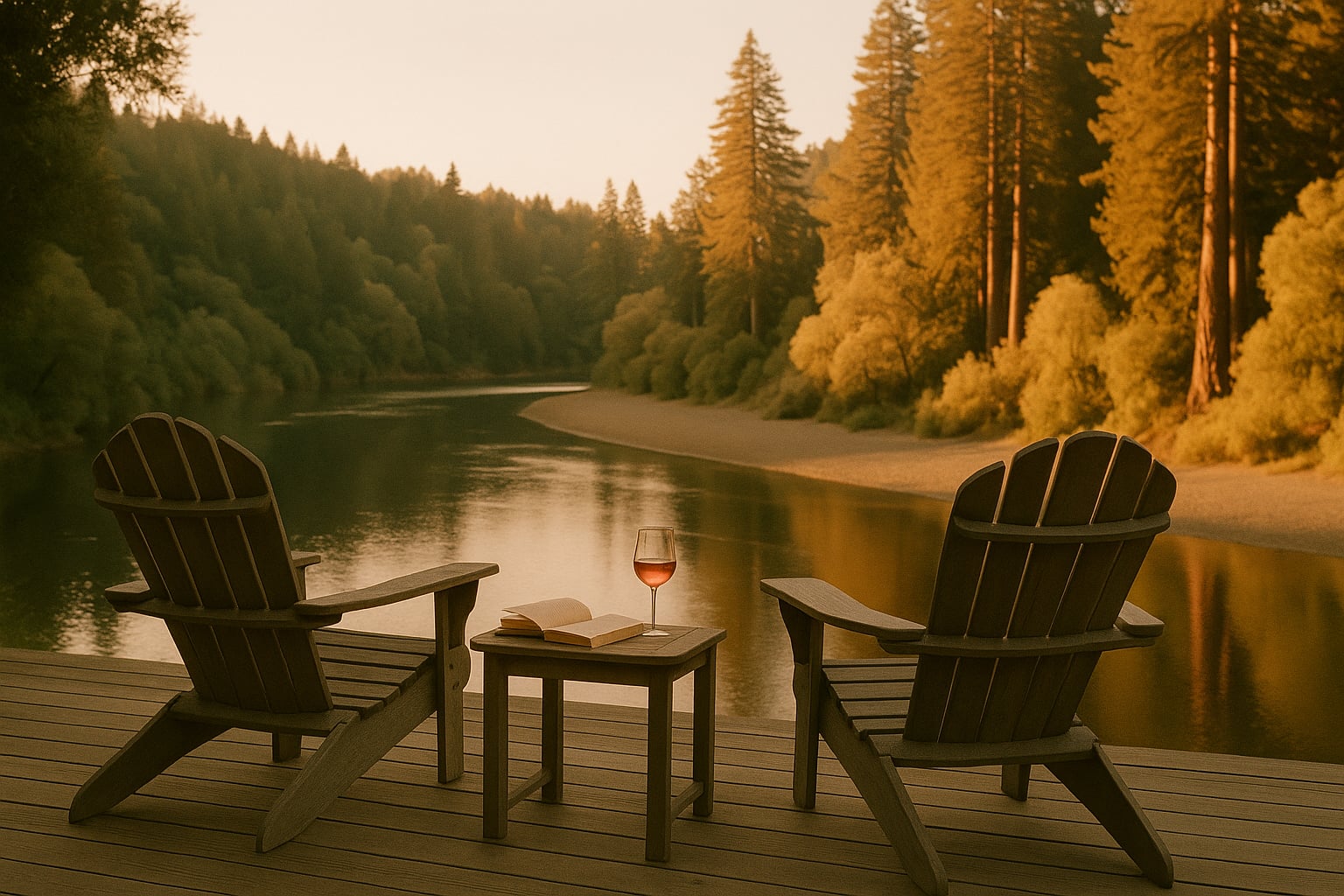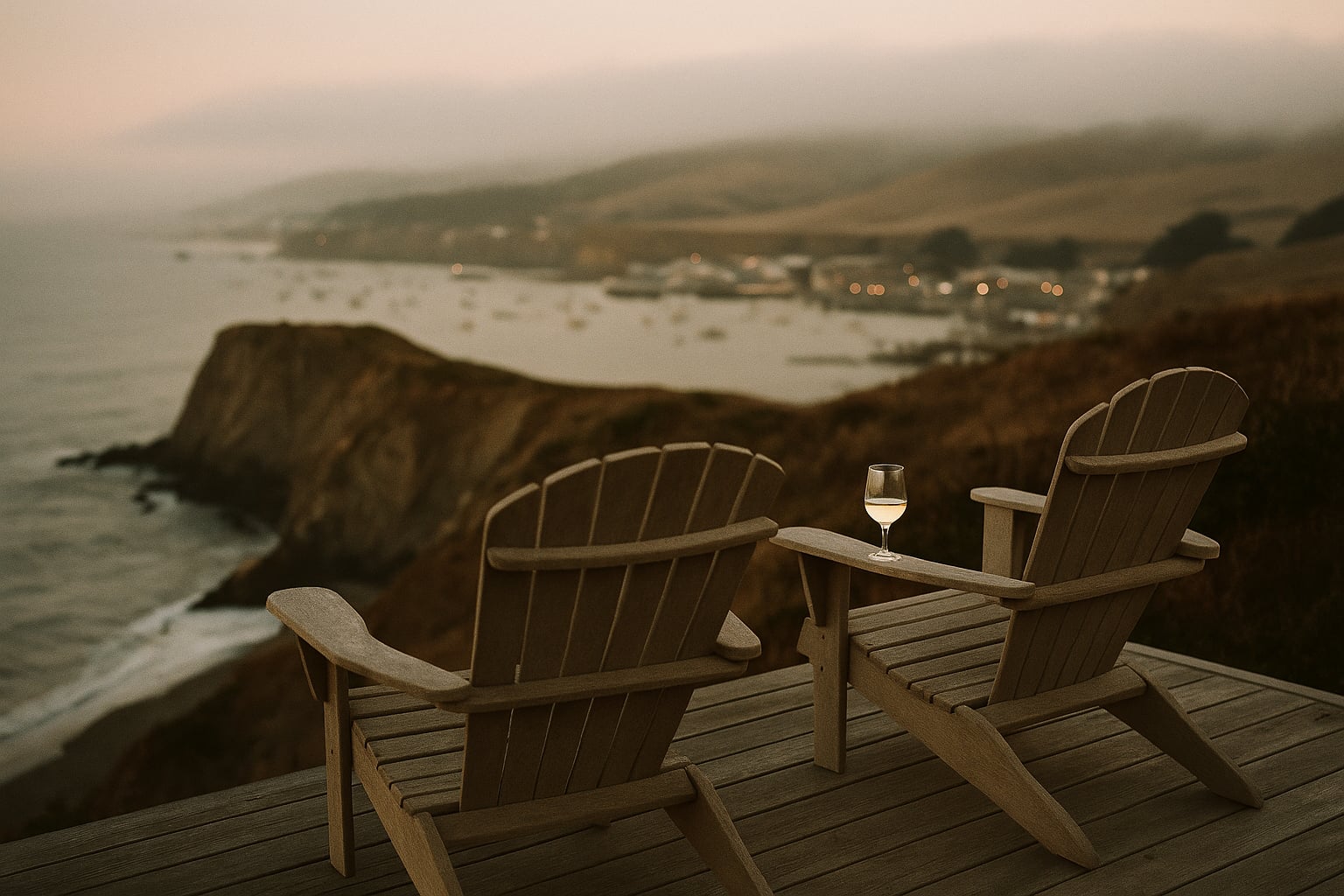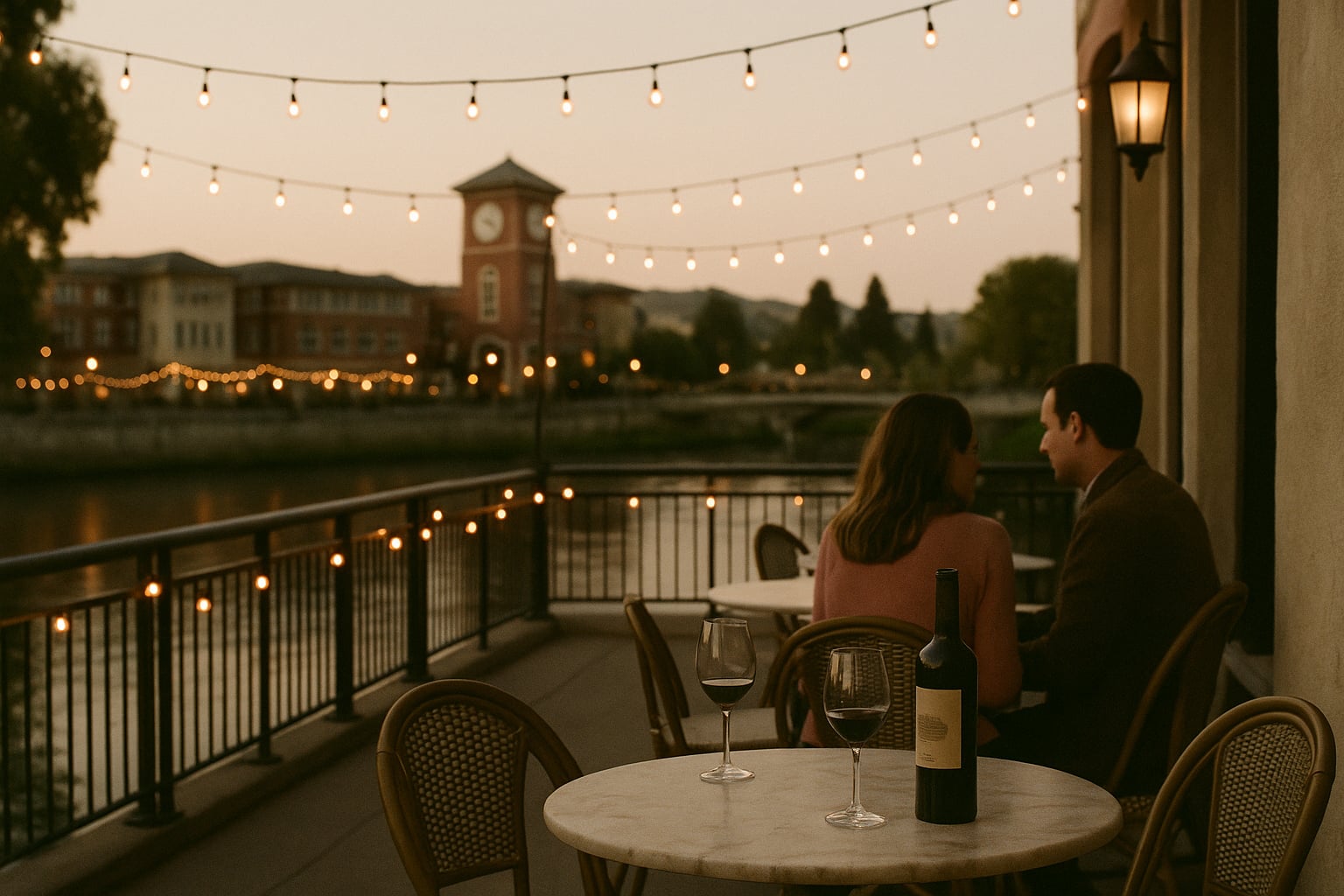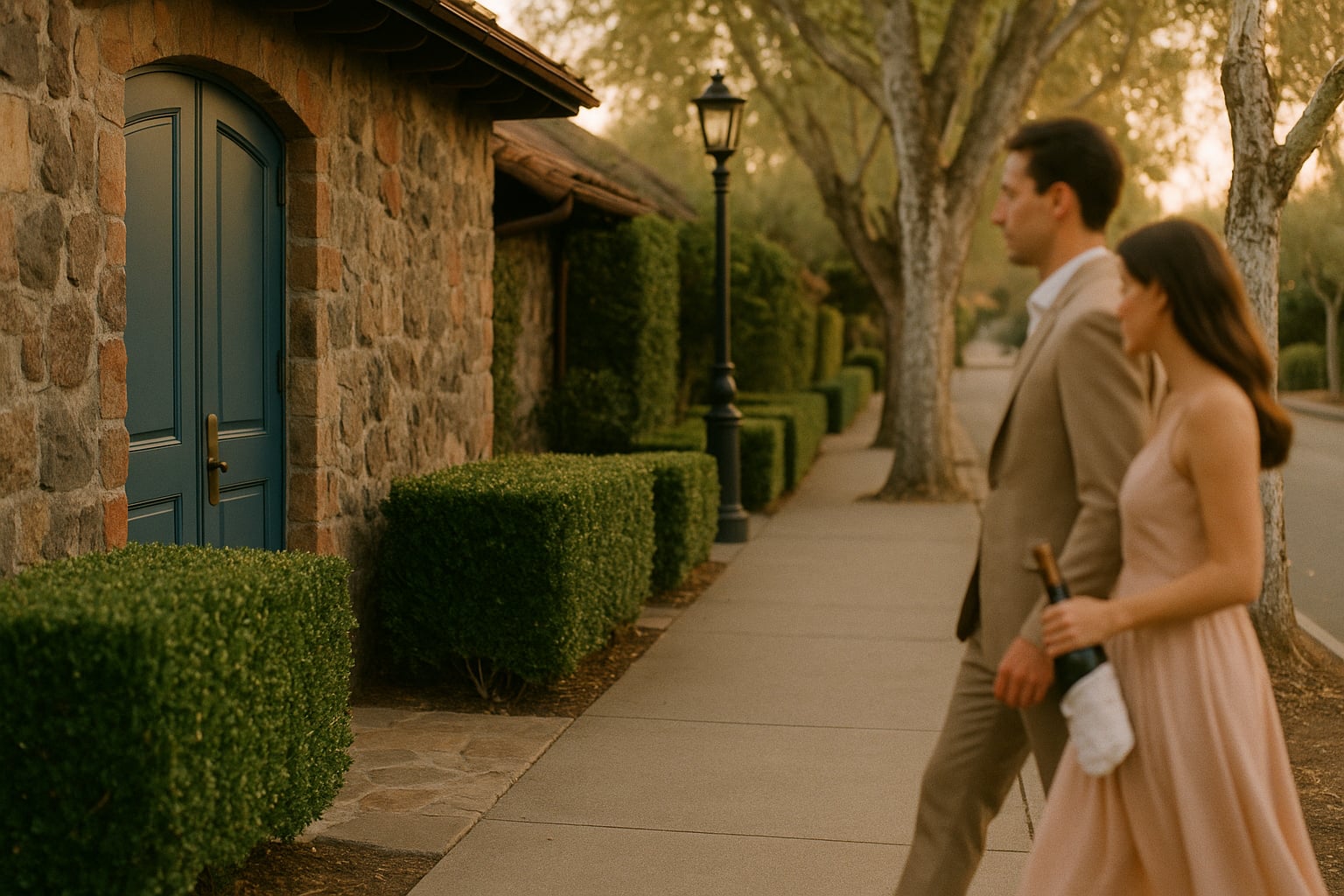
Most Sonoma weekends never happen. Someone says we should go in October, someone else says let's look at dates, and by the time you've cross-referenced two work calendars and a birthday dinner, it's January and you're still in the same living room.
The thing is, late fall is the best possible time to go. The crush crowds are gone. The light turns low and gold. Tasting rooms that spent September pouring for bus groups will actually talk to you.
So here's a different approach: plan it today. Not metaphorically. Literally — noon decision, bags by six, driving north by seven.
Why Spontaneous Works Better in Wine Country
The over-planned Sonoma trip has a specific failure mode. You spend three months building an itinerary so airtight there's no room to sit somewhere longer than scheduled, order a second bottle, or follow a winemaker down to the barrel room just because she offered.
Spontaneous trips don't have that problem. You're already in discovery mode. You're not managing a checklist. You're just there.
The Six-Hour Playbook
Hour One: Lock the Stay
Don't overthink this. You want a room with texture — not a chain hotel off the 101, but also not a precious inn where the owners knock at 8 AM with muffins.
In Healdsburg: the h2hotel books out fast on weekends but often has last-minute availability mid-week or even a Friday if you're willing to pay walkup rate. It's a two-block walk to the plaza. That matters more than any amenity.
In Calistoga: Indian Springs is the answer every time. The geothermal pools are open late. There's something about that sulfur-tinged water under a dark sky that makes conversation go honest faster than wine does. Book the bungalow if it's available.
In Napa: Solage in Calistoga threads both. Gorgeous, not precious. The spa is bookable same-day if you call instead of going through the app.
Hour Two: Two Tasting Rooms, That's It
Resist the urge to build a five-stop wine tour. Two is the number. One place for early afternoon that earns a long sit; one for late afternoon that feels like a discovery.
For the long sit: Locals tasting room on Healdsburg's plaza is genuinely underrated. It pours small-production Sonoma County wines you can't find anywhere else, and the staff will talk to you like you're a person if you let them.
For the discovery: Drive the Dry Creek Valley. Pick a name you don't recognize. Almost anything on West Dry Creek Road will reward that logic. Small production. No tour buses. Someone's actual family working the pour.
The tasting room you stumble into is almost always the one you remember.
— a recurring truth in wine country
Hour Three: Pack Like You Actually Want to Be There
Late fall in Sonoma means layers. A good sweater. Boots that can handle damp grass if you end up walking a vineyard. Something that looks right at a dinner table without requiring an iron.
The sensory part matters: bring the body oil you never use during the week. The silk something that lives in the back of the drawer. A candle, if your hotel allows it. You're not packing for a trip. You're packing for a version of yourself that has time.
One bag, two people. The act of editing what you bring tells your nervous system this is different from a work trip.
Hour Four: One Dinner Reservation
Call, don't app. Last-minute tables exist. Restaurants would rather fill a cancellation than not.
In Healdsburg: Valette or Bravas. Both will talk you through the wine list without performing at you. In Yountville: The French Laundry is a different planet's logistics — skip it. But Bouchon is achievable same-day if you call mid-afternoon.
What you want: a table that isn't rushed. A server who knows the wine program. Enough ambient noise that you can have a real conversation without performing it.
Hour Five: Leave Room for the Thing That Isn't Planned
This is the actual point. Saturday morning with nowhere to be before eleven. The pool at Indian Springs when the fog is still on it. A road that looked interesting off the 128. A conversation that started about logistics and landed somewhere true.
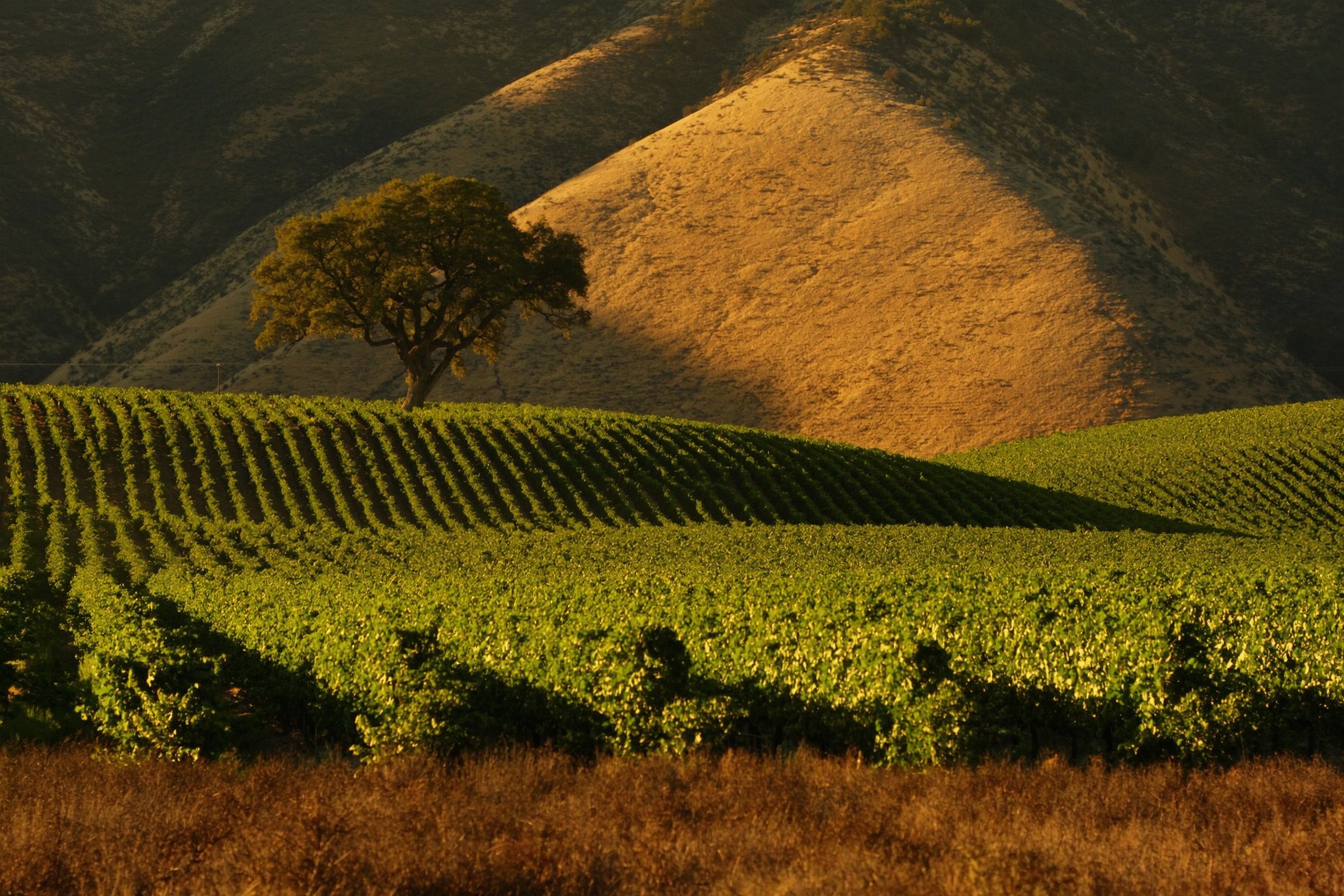
The Sonoma backroads deliver on this without trying. If you've been down the Alexander Valley in the afternoon sun with the windows down, you know the particular way it quiets the part of your brain that's usually managing something.
Build two hours of nothing into the itinerary. Not a spa appointment. Not a scheduled hike. Just — go nowhere in particular for two hours and let it be whatever it is.
Hour Six: Drive North
You've made the reservation. You've packed. You know where you're drinking tomorrow afternoon and where you're eating tomorrow night. The rest is detail.
Put on something good for the drive up. Snacks from whatever's open near the freeway. Let the city decompress behind you with each mile on the 101.
By the time you hit Cloverdale and start seeing the vineyards, you're already there.
What This Weekend Is Actually For
Not the wine, technically. Though the wine is good.
It's for the twenty-four hours where neither of you is the person managing the household, answering the email, or half-present on a couch with a phone in your hand. Wine country works because it's scenic enough to justify ignoring your regular life completely. That's the whole mechanism.
Late fall adds something. The urgency is different in November than in July. The days are shorter. The light feels borrowed. You're more aware, somehow, that the weekend is finite — which makes both of you a little more present in it.
FAQ
Can you really plan a Sonoma weekend same-day?
Yes, especially in late fall. Weekday and early weekend availability at Healdsburg, Calistoga, and Sonoma Valley properties increases significantly after Labor Day. Calling directly almost always beats any booking app for last-minute rooms.
What's the best base for a spontaneous Sonoma wine weekend?
Healdsburg for walkability and access to Dry Creek, Alexander Valley, and Russian River all within twenty minutes. Calistoga if you want the spa element built in. Both are under two hours from San Francisco.
How many tasting rooms should you actually do in a weekend?
Two to three. More than that and you're chasing a checklist, not a weekend. Pick one you know you love and one you've never heard of. That ratio works almost every time.
What makes late fall better for wine country than summer?
Harvest crowds are gone by late October. Tasting rooms are quieter. Winemakers have more time to talk. The landscape is post-harvest gorgeous: stripped vines, gold light, cool mornings. You'll have a more personal experience at almost every property you visit.