Everyone has seen the photo. Two people, golden hour, holding stemware against a blur of vines. It looks like a relationship. It's actually a Tuesday afternoon parking situation on Highway 12.
Crush season in Sonoma — late August through October, depending on the varietal and the vintage — is something else entirely. It's loud. It smells fermented and alive. The workers are in before you wake up, the fruit is already off certain blocks by the time you've had coffee, and the whole county hums with a kind of productive urgency that has nothing to do with leisure.
That urgency is exactly what makes it romantic. Not the staged kind. The kind where you're both cold and slightly undercaffeinated and something real is happening around you.
Why Harvest Season Hits Different
The wine country romance narrative is usually about slowing down. Harvest season is actually about speed. Grapes don't wait. The window for picking Pinot Noir in the Russian River Valley can be three days. Winemakers are sleeping four hours and making irreversible decisions by headlamp.
Being adjacent to that intensity — without being inside it — creates a specific kind of presence. You stop scrolling. The air does something to you. There's a sweetness from the crush pads that isn't quite pleasant and isn't quite not.
5:45 a.m. — The Vineyard Before Anyone Arrives
This requires staying somewhere close to the vines. Not a downtown Healdsburg boutique hotel — though those have their moment. Something like a small property on Westside Road, or a rental cottage tucked into the Dry Creek folds, where you can walk out a door and be standing in a row within two minutes.
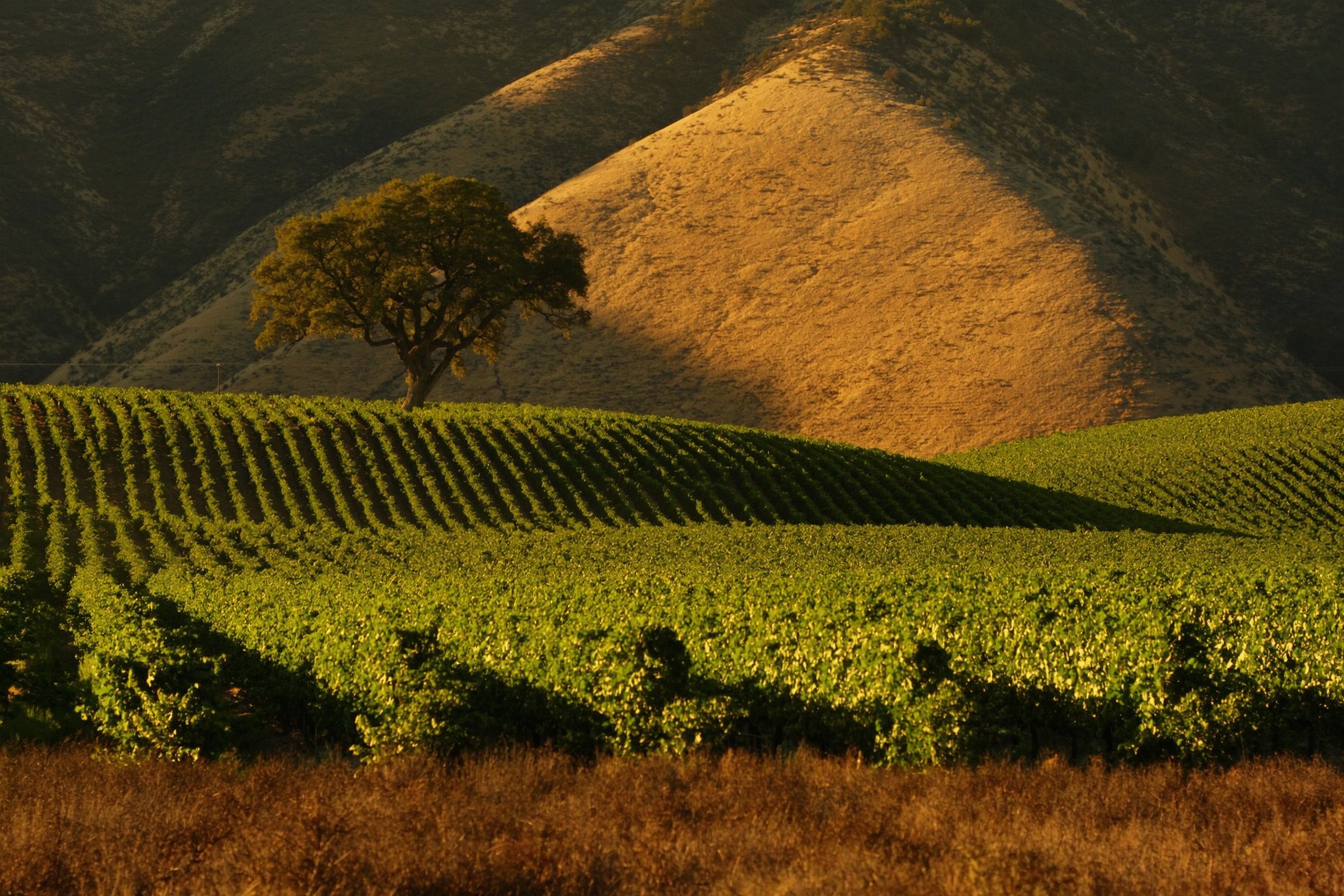
The fog sits low in Russian River Valley at this hour. The air is cold enough that you want a layer, then warm enough twenty minutes later that you don't. The light goes from nothing to pink to the specific gold that photographers plan their whole careers around.
You don't need access to a private vineyard. The paths along West Dry Creek Road, the pull-offs near Rockpile, the gravel edges of the Alexander Valley — these are public adjacencies to working vines. Stand still for a while. Watch the light change. Say something or don't.
There's a version of this trip that requires reservations six weeks out. And then there's this version, which just requires getting up.
— MLL
8:00 a.m. — Coffee With Something to Earn It
Downtown Healdsburg at 8 a.m. is a different town than it is at noon. The plaza is quiet. A few locals. The coffee at Shed, or a pastry from Costeaux Bakery, tastes like it belongs to you rather than to the general tourist population.
Sit outside if you can. The Healdsburg plaza in early morning, in October, with the tree canopy beginning to turn — this is the postcard that doesn't exist yet because no one is awake to photograph it.
10:00 a.m. — A Tasting With Actual Stakes
This is not the moment for a sprawling estate with a gift shop. During harvest, the smaller producers are in a specific kind of flow. Book a seated tasting at a place like Littorai, Benovia, or Aperture, where the person pouring for you may have spent three nights this week not sleeping.
Ask them what's fermenting right now. Ask what they lost this year. Ask what surprised them. These conversations, during crush, have a different quality than they do in March. The answers are fresh. The stakes are still visible.
This is the version of a tasting room that becomes a three-hour conversation — not because you planned it, but because you walked in curious instead of thirsty.
1:00 p.m. — The Picnic That Earns Its Place
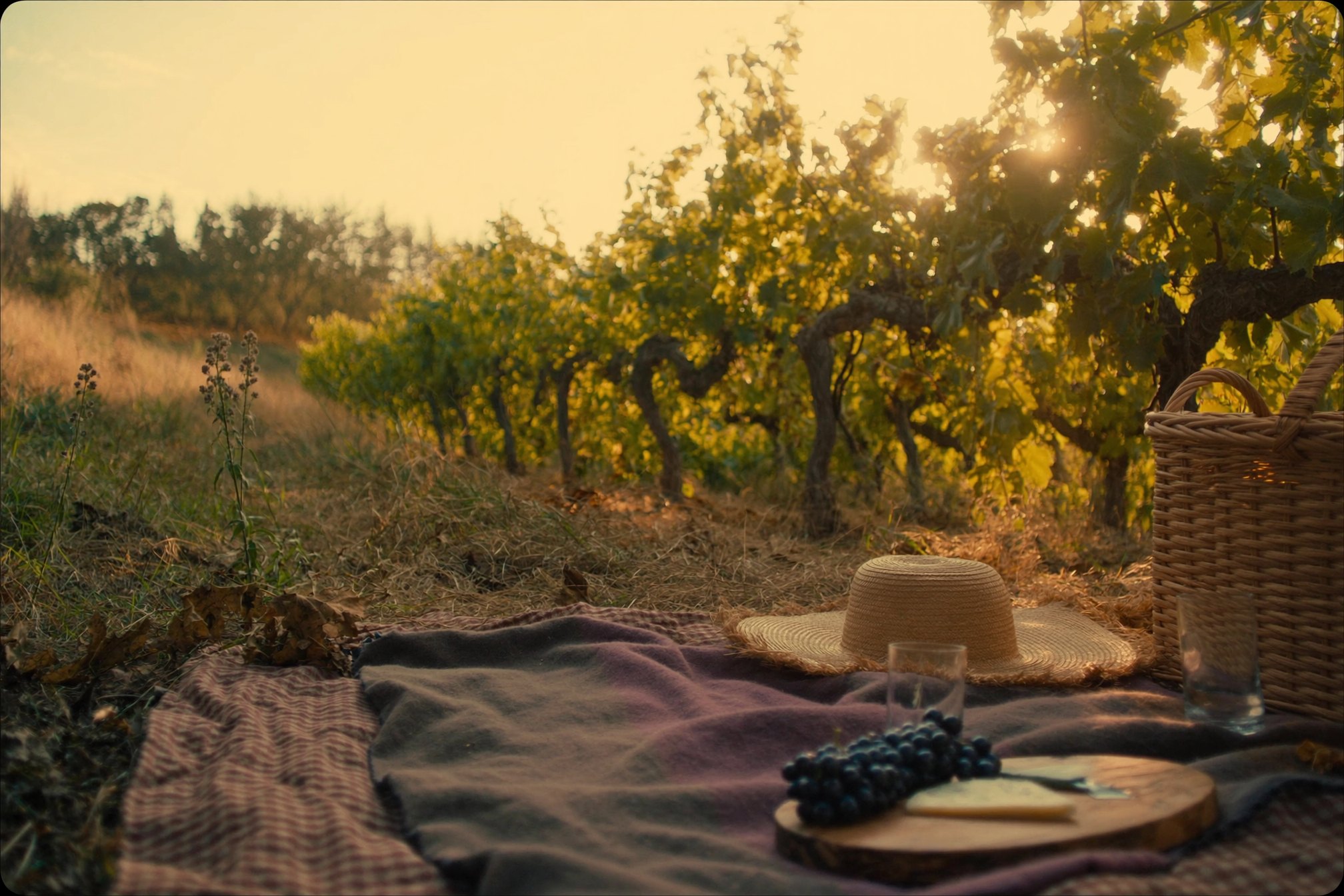
Cheese, charcuterie, a baguette that's still warm, something from the Jimtown Store on Alexander Valley Road. A blanket. A bottle of something you already opened and recorked at the tasting. A place to sit that isn't a designated picnic area.
The point isn't the food. The point is horizontal time. The kind where you're not deciding anything, not narrating the experience to each other, not reaching for your phone to remember it. Just the weight of the afternoon and the sound of whatever's moving in the vineyard next to you.
3:30 p.m. — Solage or Indian Springs, Not Both
At some point in the afternoon, you want hot water. Sonoma and Napa have two institutions that do this well. Solage in Calistoga: the communal pool, the geothermal heat, the feeling of your muscles deciding to stop pretending they're fine. Indian Springs, also in Calistoga: older, less polished, the bathhouse that smells like minerals and decades.
Pick one. Stay two hours. Don't talk about logistics. This is not the spa day that's actually just a to-do list in a robe. This is thermal water and a body that has been outside since before sunrise.
6:30 p.m. — The Slow Dinner
Yountville in the evening during harvest has a specific energy: full, warm, people who've been tasting since 10 a.m. finally arriving somewhere with bread on the table. Book somewhere that moves slowly on purpose. Bouchon, if you want that particular ritual of French bistro comfort. SingleThread in Healdsburg, if the occasion is earning a long meal.
The slow dinner isn't about the food, either. It's about what happens when two people have shared a day this particular and finally sit down across from each other with nothing left to coordinate.
You order something you wouldn't order at home. You share it without asking. The candle does its work. The wine you've been tasting in your mouth all day finally makes sense in a glass.
What Makes It Actually Romantic
It's not the wine. It's not Healdsburg or the fog or the golden light — though all of those help. It's that harvest season forces a kind of temporal specificity that romantic life usually avoids.
This is happening now. The grapes are off certain blocks. They won't be back. You got up early enough to feel the cold. Your feet are dirty. The day had a shape.
Most trips try to remove friction. This one keeps a little in. That friction: the early alarm, the cold walk, the slightly weird fermentation smell, the afternoon tiredness — that's what makes the evening feel earned rather than purchased.
Frequently Asked Questions
When exactly is crush season in Sonoma County?
Generally late August through October, with the peak varying by varietal and year. Sparkling wine grapes go first (late August). Pinot Noir and Chardonnay in Russian River Valley typically hit in September. Cabernet and Zinfandel in Dry Creek and Alexander Valley can push into October. Check in with a winery you're visiting ahead of time — they'll tell you exactly what's happening.
Do you need to book tastings in advance during harvest?
For smaller, sought-after producers: yes, often weeks out. For larger estate tasting rooms, you can sometimes walk in — but the experience is usually thinner. The places worth visiting during crush are the ones doing the work themselves, and they're managing limited capacity carefully. Book early and book specific.
Is harvest season too crowded for a romantic trip?
On weekends, yes — certain corridors get genuinely congested. The answer is weekday travel where possible, early mornings regardless, and choosing the western AVAs (Russian River Valley, Dry Creek, Rockpile) over the more trafficked Highway 29 corridor in Napa. The crowd thins fast once you're off the main road.
What should you wear for a dawn vineyard walk in October?
Layers. A real jacket in the morning — not a fashion one. The temperature in Russian River Valley at 6 a.m. in October can be in the low 40s. By 10 a.m. you'll want a light layer at most. Shoes that can handle damp gravel and soil. The outfit you'd wear to feel like yourself, not the outfit you'd wear to look like you're in wine country.