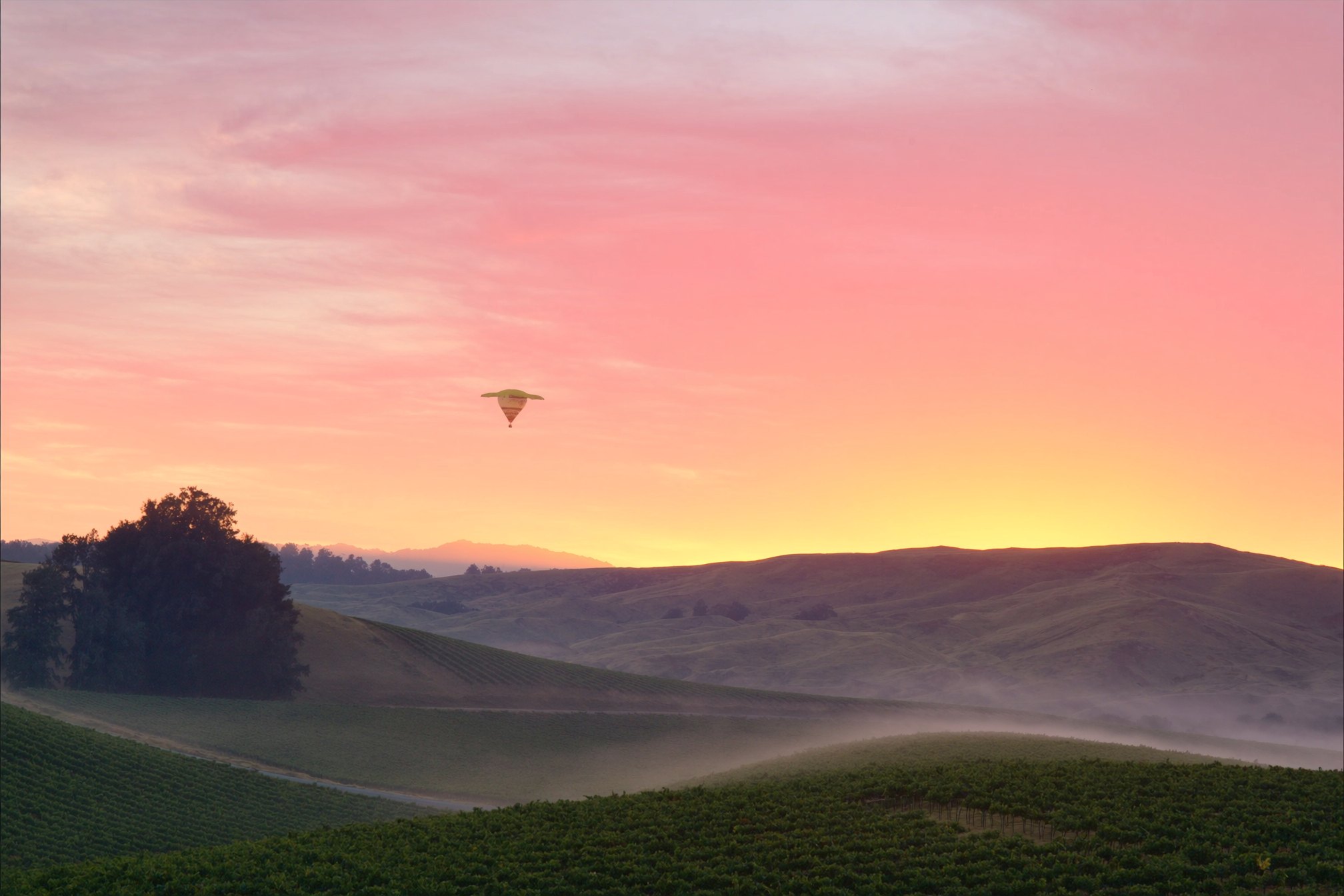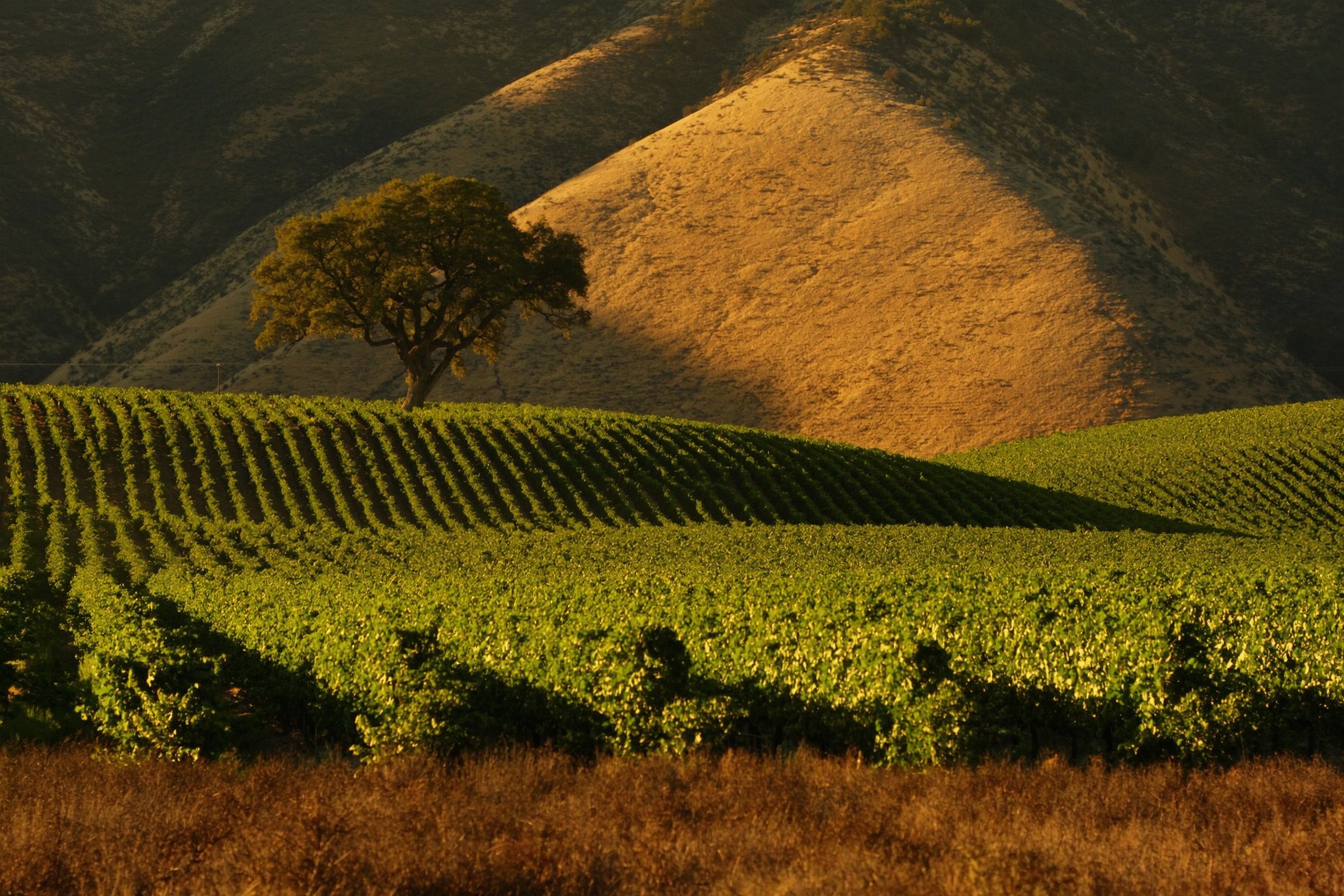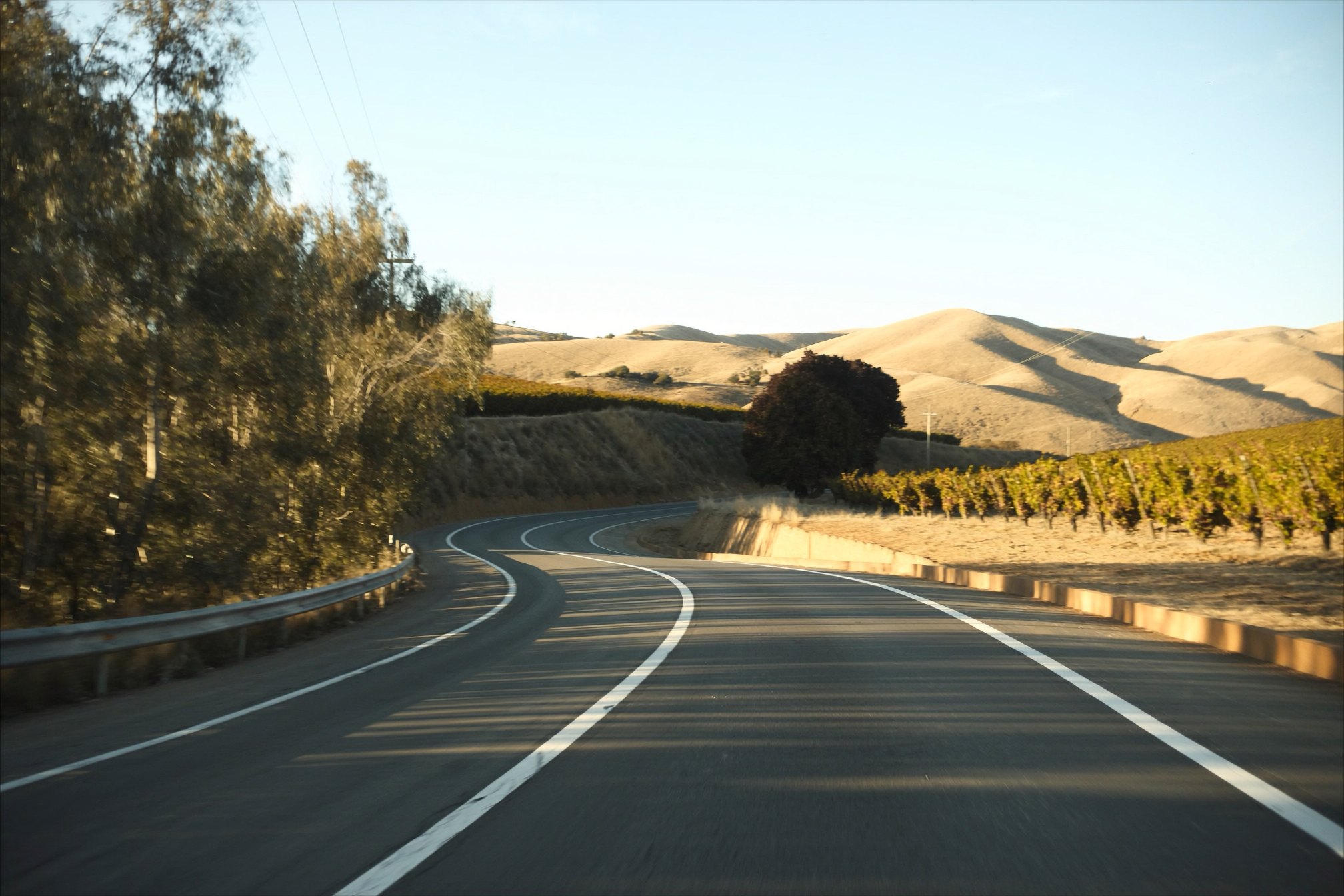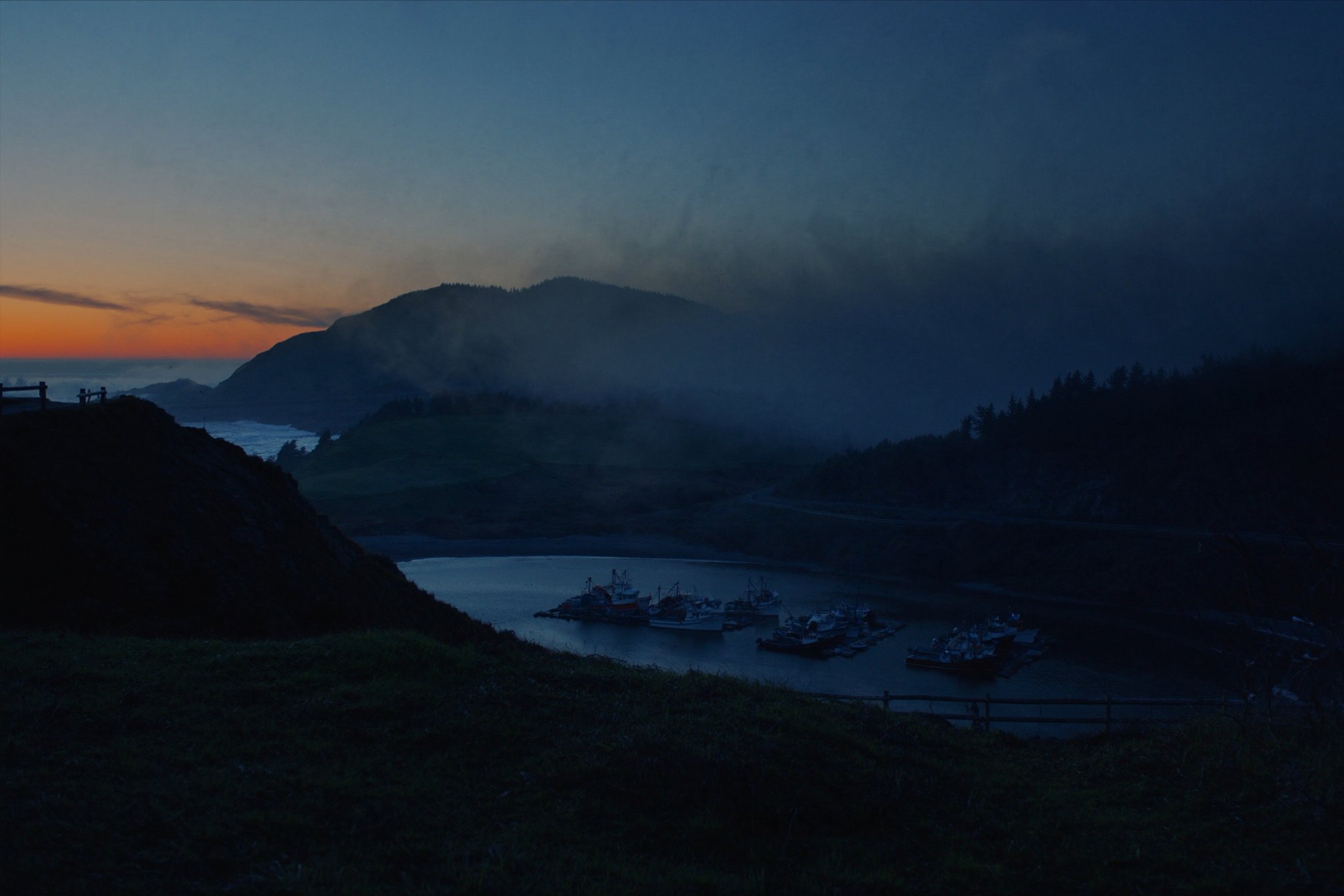
There's a version of Napa Valley that exists only in November through February, and most people never find it because they're too busy booking summer.
The parking lots are half-empty. The tasting room host actually looks at you. The restaurant that had a six-week waitlist in October will seat you Tuesday at seven with a corner table and no rush.
It's not a consolation prize. It's the thing itself.
What Off-Season Actually Means Here
Harvest ends in October. The vines go bare and the valley turns amber, then gold, then a kind of grey-brown that shouldn't be beautiful but absolutely is. The light goes low and sideways by three in the afternoon. The air smells like wet soil and woodsmoke.
It's a landscape that stops performing for you. And somehow that makes it more intimate.
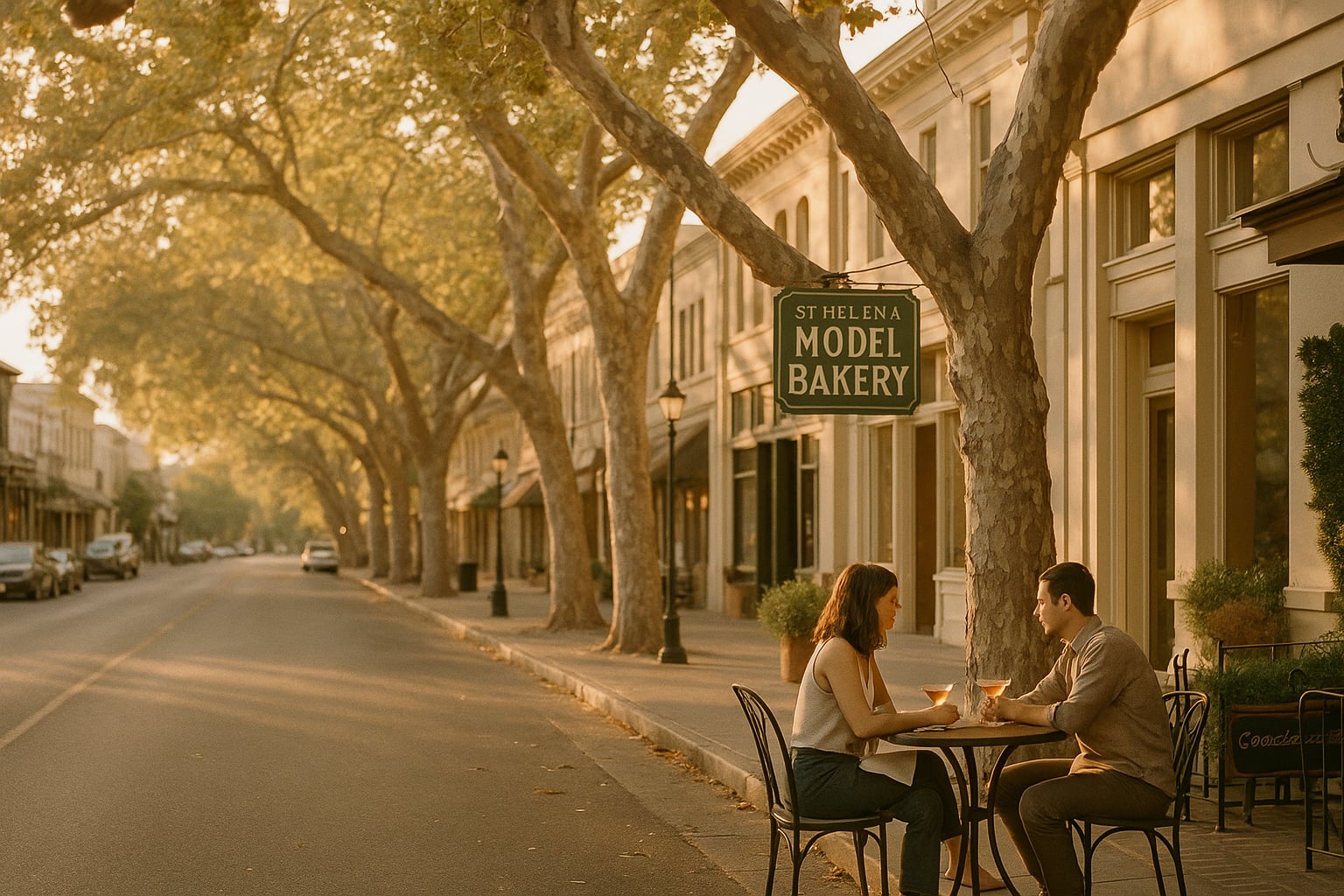
The towns feel like themselves again. Yountville without a bachelorette party in front of every door. The Healdsburg plaza with actual open benches. Indian Springs in Calistoga on a Tuesday afternoon with two other couples and a pool that's 102 degrees and completely quiet.
The Morning: Don't Rush It
Start late. This is not a hiking weekend. Sleep until the room is bright enough that you can't ignore it, then lie there anyway for another twenty minutes.
If you're at Solage in Calistoga, the bathrobes are the kind of heavy that makes leaving feel genuinely difficult. The geothermal pools are outside. The fog is still sitting on the hills. This is the part of the trip nobody photographs because they're too busy actually feeling it.
Coffee in the room, not the lobby. Pastry from the Bouchon Bakery the night before, sitting in a bag on the nightstand. No itinerary before ten.
This is not laziness. It's the whole point.
The Tasting Room, Done Right in Winter
In summer, tasting rooms are efficient. You get your pours, you get your schpiel, someone takes your credit card. It's fine. It's not this.
In January, you walk into a smaller winery on the Silverado Trail and there are four people in the room including the person pouring. She's been making wine here for eleven years. She has opinions about the 2019 versus the 2021 that have nothing to do with what you're supposed to buy.
That conversation is the tasting. The wine is almost secondary.
Book one serious sit-down. One. More than that and you're collecting experiences instead of having one. If you want a cave tasting — the kind where you're underground with a small group and a single barrel open — winter is when those slots are actually available. The Napa Cave Tasting Nobody Puts on an Itinerary covers that specific experience in detail worth reading before you call.
The Table: What Dinner Looks Like Without an Audience
The reservation you couldn't get in September is available now. Make it. But also: give yourself one night that isn't a destination.
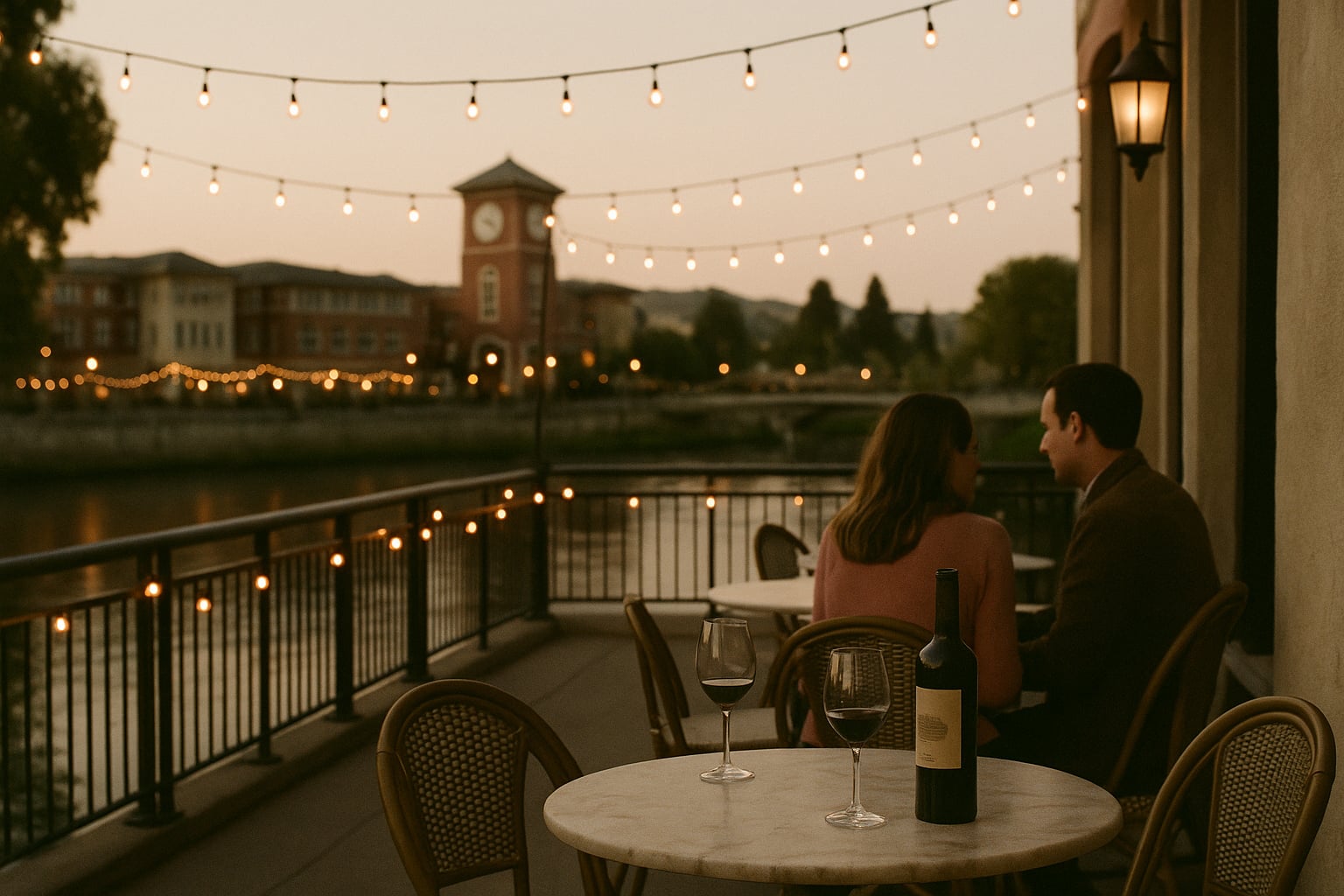
There's a version of dinner in wine country that looks like two people at a small table with a half-bottle of something local, a bread course they didn't rush through, and no plan for what happens after. That version exists almost exclusively in winter.
The room is quieter. The service has time to be generous instead of efficient. You can hear each other.
A good winter dinner in Napa takes three hours without trying. That's not the restaurant's pace. That's yours.
— MLL
Order the cheese course even if you're full. Stay for it. The point of a slow dinner is not to finish — it's to stop tracking when you're supposed to be done. If this is territory you want to think about more deliberately, The Art of the Slow Dinner is exactly what it sounds like.
The Afternoon Gap: What to Do With Empty Time
This is the part most people plan their way out of. There are three hours between lunch and dinner and the instinct is to fill them.
Don't.
Drive a backroad with no destination and see what happens. The valley is different from a car window in winter: narrower, more honest, the vines stripped down to just their structure. If you want a specific route without the itinerary pressure, the logic behind The Sonoma Backroad Drive with No Destination translates directly.
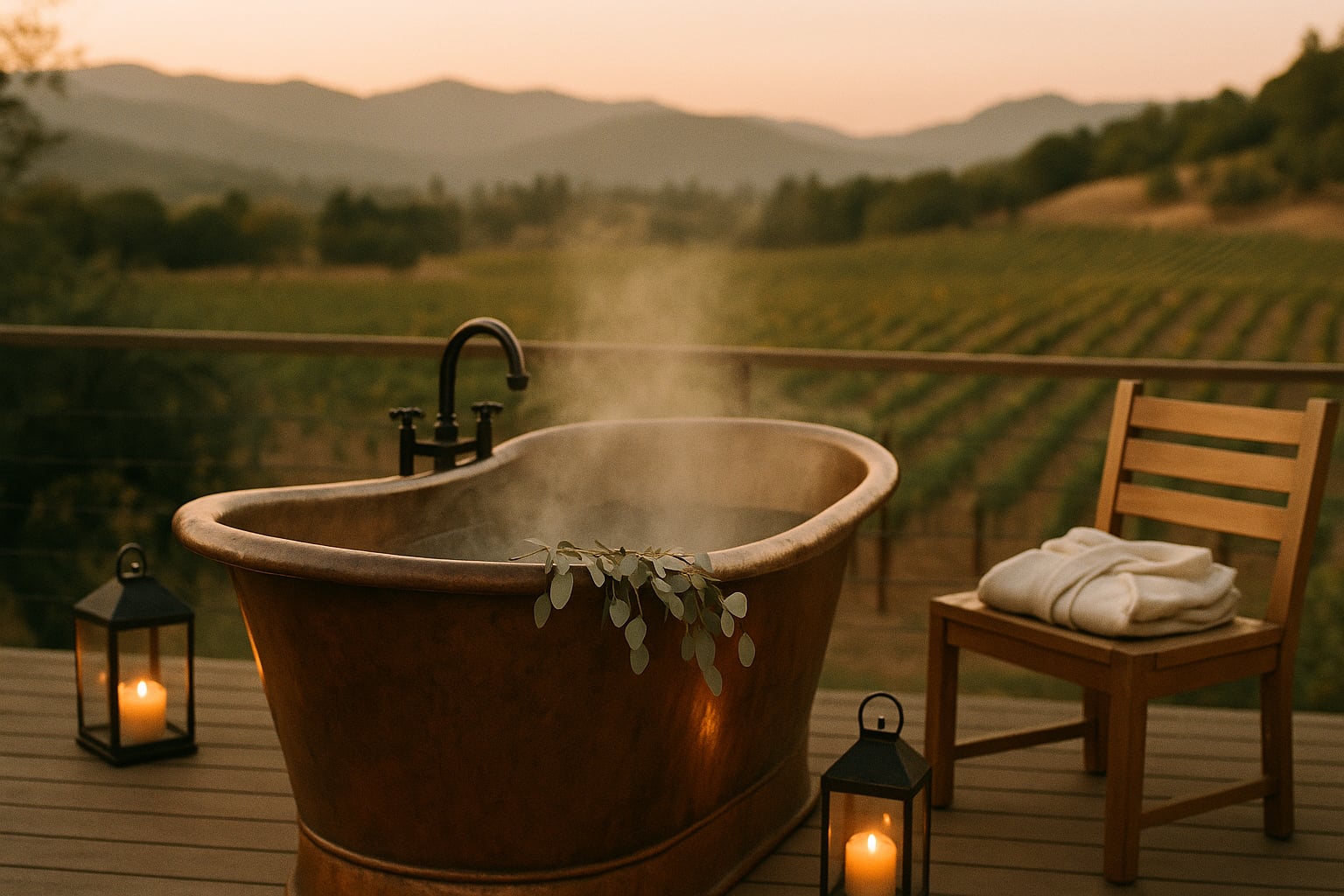
Or: go back to the room. Draw a bath. Open the wine you bought at noon. This is not a waste of an afternoon in Napa. This is an afternoon in Napa.
What This Trip Is Actually For
It's not a romantic getaway in the brochure sense. It's not a milestone trip. It's not content.
It's two people who spend most of their lives slightly too busy, in a place that has nowhere to be, during a season that rewards doing almost nothing particularly well.
The intimacy of it is low-key and real. You share a car for four hours. You disagree about which winery to skip. You find out your person has strong opinions about Cabernet Franc that you somehow didn't know after years. You're tired by nine and you don't feel bad about it.
That small, specific texture of a trip: that's the thing. The wine country just holds it well.
A Loose Winter Itinerary (Not a Schedule)
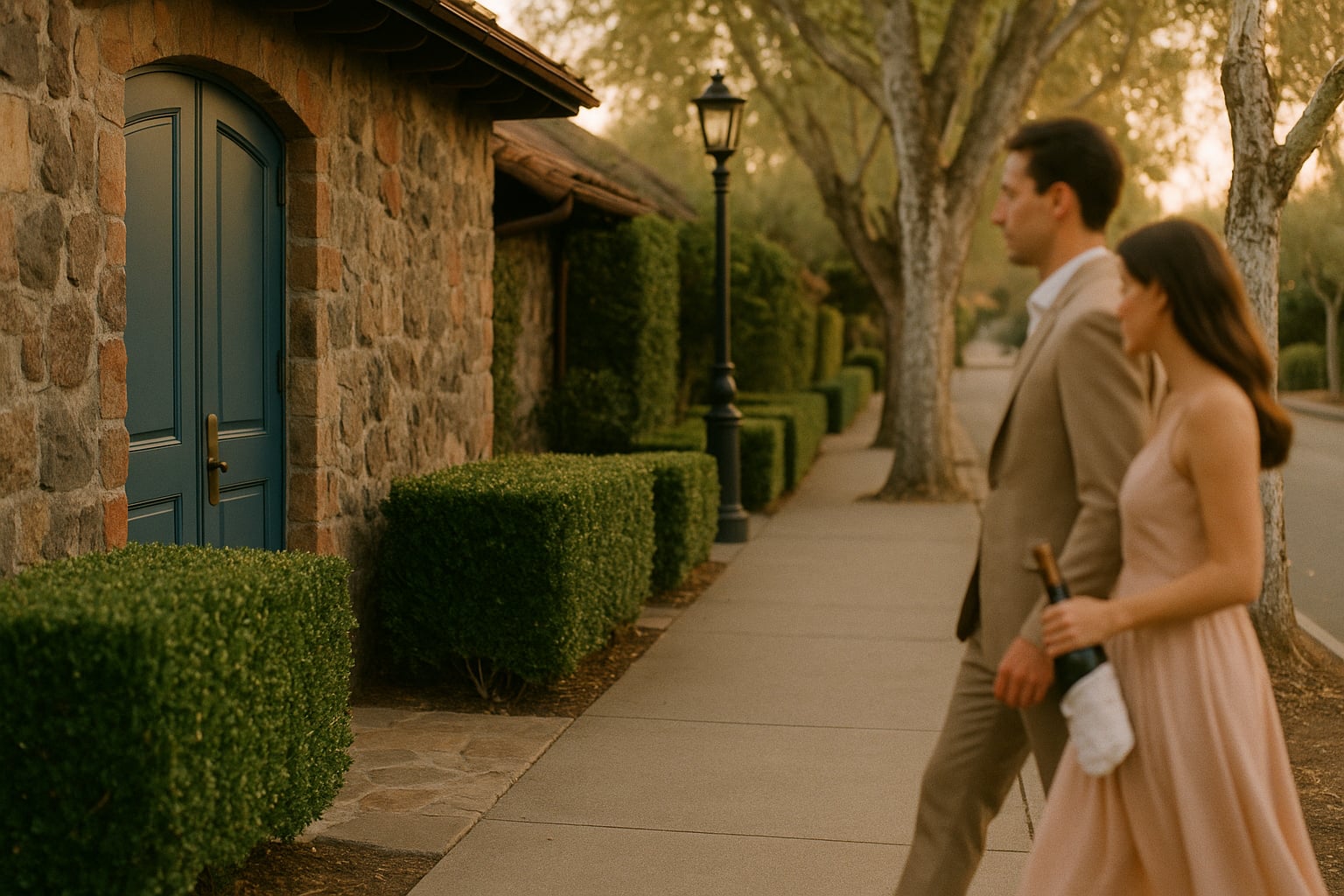
Arrive Thursday evening. Dinner somewhere low-stakes in Yountville. Walk the main street after. It's quiet in a way that feels like the town exhaled.
Friday morning. Geothermal pool before the world wakes up. Calistoga is 90 minutes of your life well spent in either direction. Indian Springs or Solage; both deliver.
Friday afternoon. One winery, chosen for the conversation rather than the rating. Two hours. Leave before you want to.
Friday dinner. The reservation you planned. Take your time with it.
Saturday. Farmers market in the Healdsburg plaza if you cross into Sonoma. Or don't. Stay in the valley and drive the Silverado Trail south with no particular stop in mind. Find a place that has a fireplace and wine and nothing else going on.
Saturday evening. Room service or the kind of dinner you have with bare feet on the hotel couch. Both count.
One Thing Worth Knowing Before You Go
Winter Napa has a specific emotional register. It's not charged the way summer is. It's not celebratory. It's closer to: settled. Unhurried. The kind of weekend that doesn't feel like it needs to be more than it was.
Which means it asks something of you. You have to be willing to let the trip be quiet. To not fill every gap. To put the phone down without the performance of putting the phone down.
If you can do that, the valley gives it back to you in full.
That's the winter table. Nothing on it needs to prove anything. It's just good, and it knows it.