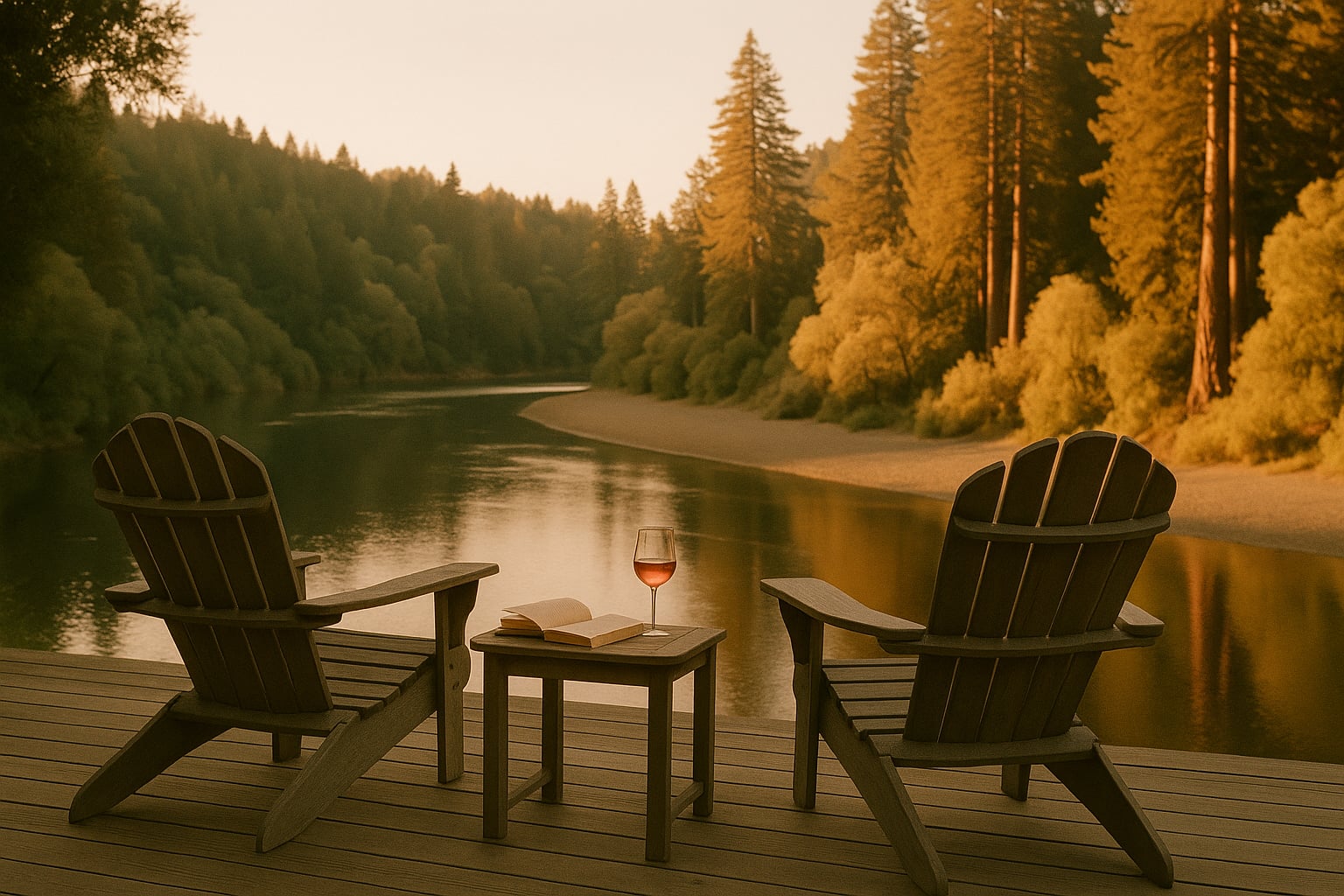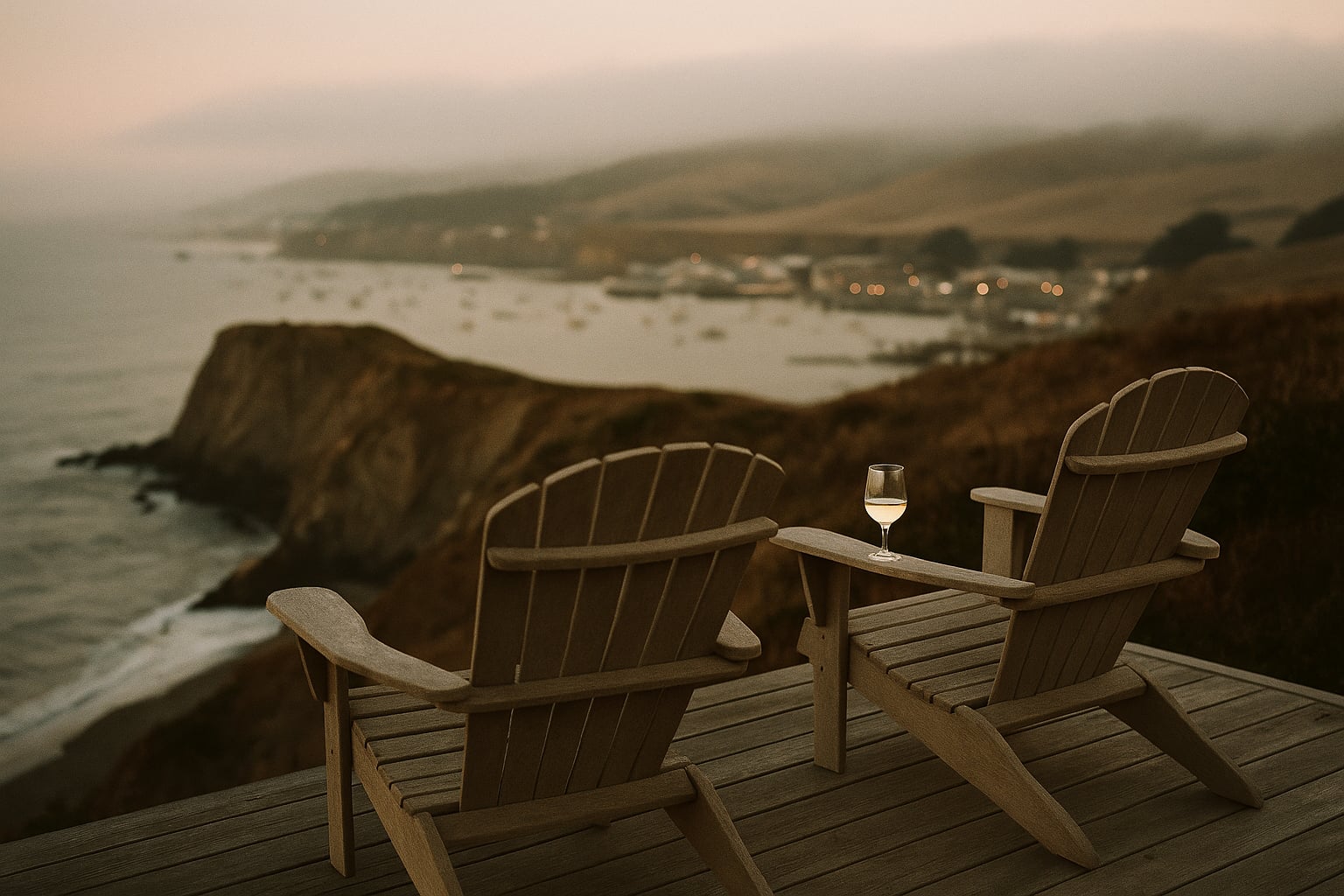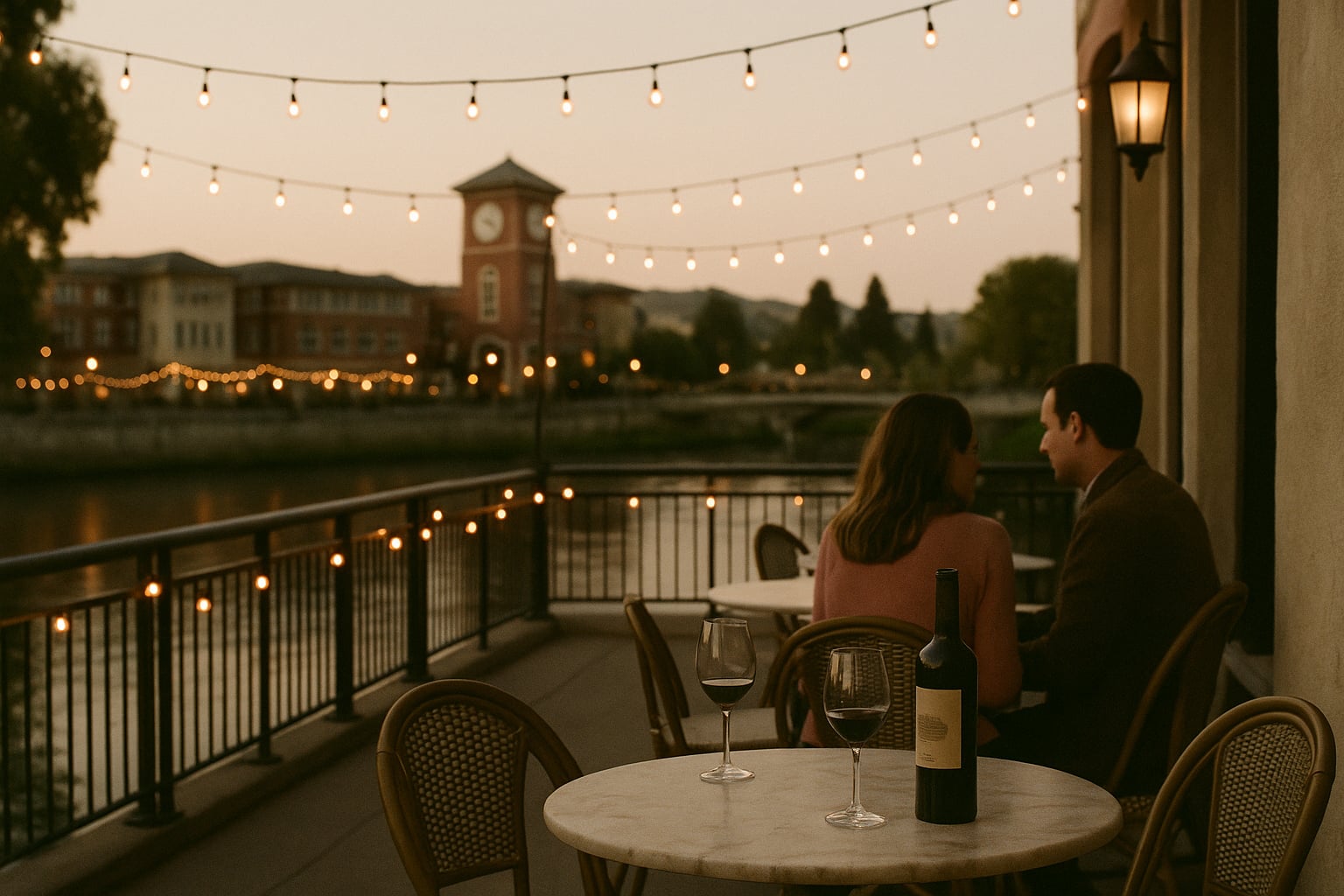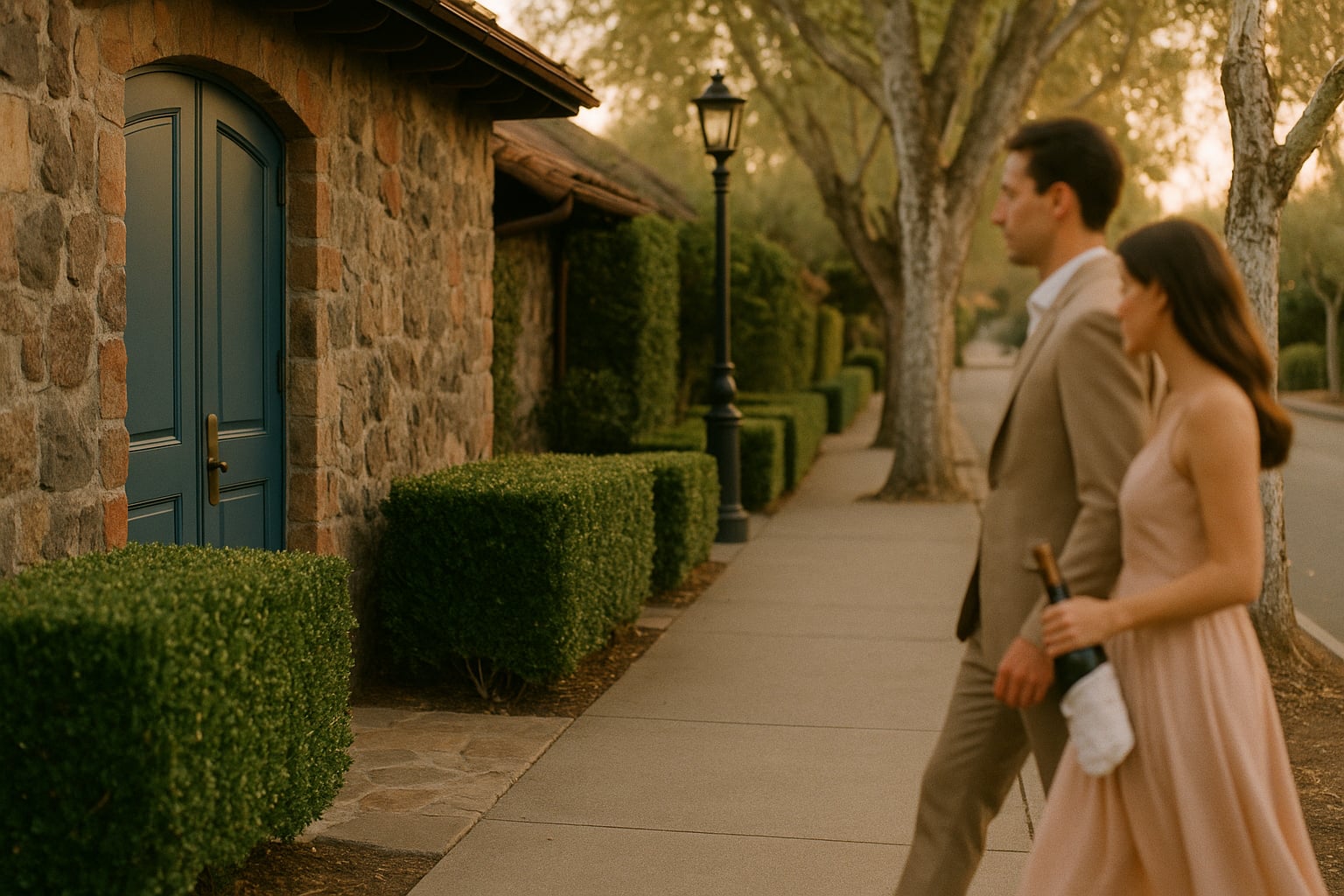
It usually starts with someone saying we should just get out of here for a day. Not a fight. Not a crisis. Just that low-grade feeling that something between you has gotten a little stale, a little compressed, like air in a room where the windows haven't been opened since October.
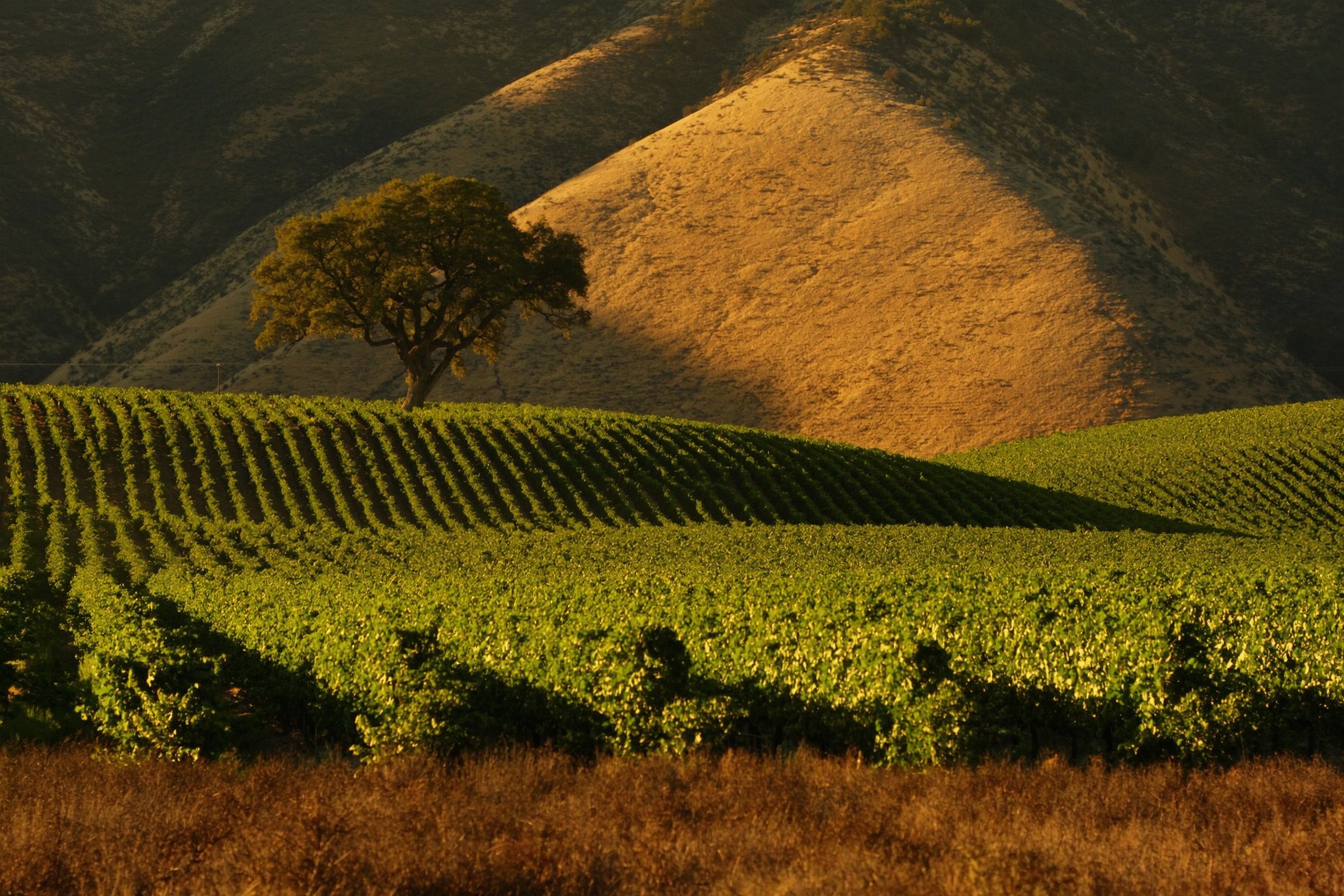
So you drive north. Highway 101 past the Petaluma exits, into the Alexander Valley, or down into Sonoma proper. Bare vines in every direction. No one else is doing this in January. That's the whole point.
Why Winter Works When Nothing Else Has
Summer wine country is performative. You're in a crowd. You're getting beautiful. You're building content. Winter is different: the tasting rooms are half-empty, the staff actually talk to you, and there's nothing to document because the light is flat and grey and kind of perfect.
That lack of pressure is the thing. Without an audience, most couples drop a layer they didn't know they were carrying. The performance of having a great relationship — which is exhausting — gives way to just being in one.
Healdsburg in January. The plaza is quiet enough that you can hear your shoes on the pavement. You get a table by the fire at a tasting room that would've had a two-hour wait in August. The pourer remembers your name by the third glass. Small things. They add up.
What's Actually Happening in the Cellar
A cave tasting in winter has a specific physical quality. Cold outside. Stone walls that hold a temperature of around 58 degrees regardless of the season. The smell of oak and damp earth. Barrel samples poured by flashlight or bare Edison bulb.
You move closer to your person without deciding to. There's something about enclosed dark spaces and shared cold that strips the afternoon of agenda. You're not trying to connect. You're just standing next to each other, and that turns out to be enough.
This is the part nobody writes into the itinerary: the conversation that starts because neither of you has your phone out, because there's no signal, because the pourer walked to the other end of the cave and left you with two glasses and a barrel head to lean against.
We talked for like two hours and I can't tell you a single topic we covered. But something shifted.
— A reader, after a January visit to a small Dry Creek producer
The Micro-Behaviors Worth Noticing
Watch what happens when you take the phones away and add a single shared experience: someone leans in to describe a taste. The other one laughs at something dumb. One of you reaches for the other's hand, not romantically, just reflexively. The way you used to.
Those small physical reflexes are the readout. They tell you where you actually are, more accurately than any conversation about the relationship ever has.
If they're absent, you know that too. And that's useful information, arrived at gently, over wine, instead of at 11 PM in the kitchen after a bad week.
It Doesn't Need a Narrative to Work
People resist this kind of day because it feels indulgent without clear purpose. A spa weekend has a reason. A therapy session has a reason. A Tuesday in Sonoma in February looking at dormant vines feels like... playing hooky from real life.
That's the reframe. Playing hooky from real life is occasionally the maintenance real life requires. Relationships don't degrade all at once. They degrade in the space between weeks when you meant to reconnect and didn't.
Indian Springs in Calistoga after the tasting. The mineral pools in winter — steam rising off the water, cold air on your shoulders, the weight of the day already lighter. That's not a luxury add-on. That's the second half of the work.
How to Actually Do This
Pick one place, not a list
The mistake is building an itinerary. Three tastings, a cheese plate at four spots, dinner in Yountville. That's a day of logistics, not a day of each other. One producer, ideally with a cellar program, and enough time to stay until you want to leave.
Call ahead in winter — it works in your favor
January through early March, most small Sonoma and Napa producers are grateful for the booking. You'll often get the winemaker, not a tasting room associate. You'll get access to the library pours they don't open in summer. The off-season is when the good stuff comes out.
Leave the plan for dinner open
Don't book dinner at 7 PM somewhere forty minutes away. That creates a deadline, and a deadline turns the afternoon into a countdown. The best version of this day ends wherever you land: a bar top at a Healdsburg spot, room service if you're staying over, the front seat of your car with the heat on eating whatever you grabbed at the last stop.
What You Come Home With
Not a solved problem. Not a relationship transformation. You'll come home with one good bottle, probably a slight headache from altitude and Zinfandel, and the particular tiredness that comes from a day that was quiet in the right way.
And one other thing: a reference point. A day you both remember as that was actually really good. Those accumulate. They become the internal evidence that the relationship still has versions of itself worth returning to.
That's the whole argument for going. Not that it's romantic. Not that it's indulgent. Not that you earned it. Just that the version of you two that existed for six hours in a cold cave in February — relaxed, leaning together, tasting something slow — that version needs to be refreshed occasionally or it fades.
Book the Saturday. Go when nobody else is there. Let the vines be bare and the tasting room be empty and the conversation go wherever it goes.