You booked the tasting at 11. Lunch reservation at 1:30. Sunset at Bartholomew Park because someone's Pinterest board said so. Dinner at 7:30 — the place that requires three weeks notice and a credit card hold. The itinerary is immaculate. You are already exhausted.
This is how a lot of couple weekends away actually begin: with so much planning that there's no room left for anything to happen.
The Problem with the Perfect Itinerary
Over-planning a romantic trip is a form of anxiety management dressed up as consideration. Someone — usually the one who cares more about the trip going well — fills every hour because empty hours feel like risk. What if we're bored? What if we run out of things to say? What if it's just... fine?
But here's the thing about boredom between two people who matter to each other: it almost never stays boredom. It turns into something. A conversation that needed quiet to start. A detour that becomes the actual memory. An afternoon that goes sideways in exactly the right direction.
You can't schedule that. You can only leave space for it.
The best thing that happened on that trip wasn't on the itinerary. It never is.
— Every couple, eventually
What Loosely Planned Actually Looks Like
Not chaotic. Not willfully unorganized. Just: anchor points with breathing room between them.
One reservation per day, maximum. A rough sense of direction — north toward Healdsburg, maybe, or east toward Yountville — without a minute-by-minute schedule. Knowing where you're sleeping. Knowing where you'll eat one meal. Everything else: optional.
In practice this looks like: coffee on the plaza in Healdsburg with nowhere to be until 3pm. A slow loop through the farmers market. Wandering into a tasting room because the sign looked interesting, not because it had 4.8 stars. Sitting at a bar top for two hours talking to the winemaker about something you didn't expect to find interesting.
This is what the Sonoma tasting room that becomes a three-hour conversation is actually about. You can't book that experience. You stumble into it when you're not rushing to the next thing.
The Specific Sonoma/Napa Case
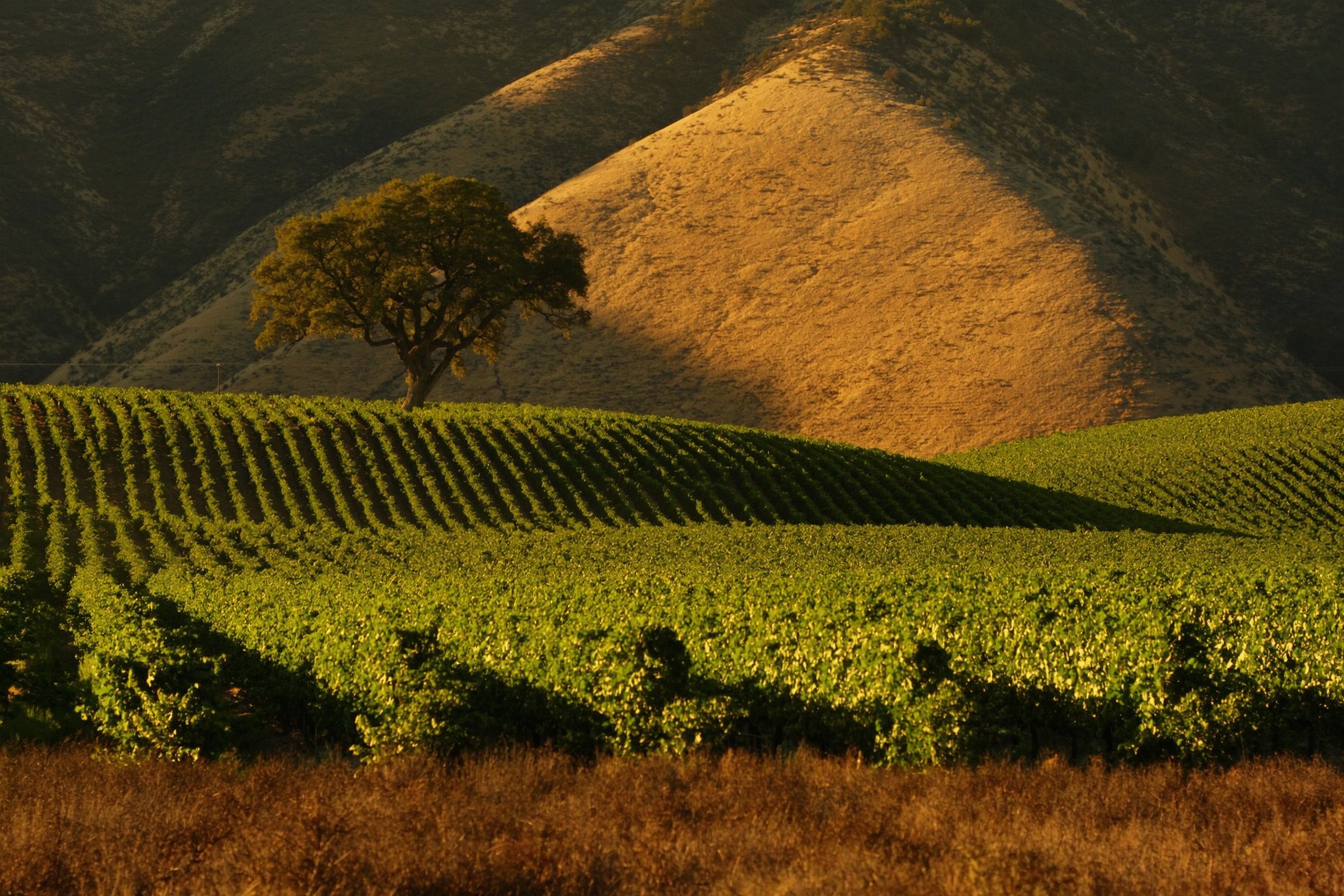
Wine country rewards exactly this kind of looseness. It's designed for lingering. The problem is that it's also marketed as a checklist — the must-do caves, the iconic restaurants, the Instagrammed vineyards. And couples arrive with the checklist instead of showing up to the place.
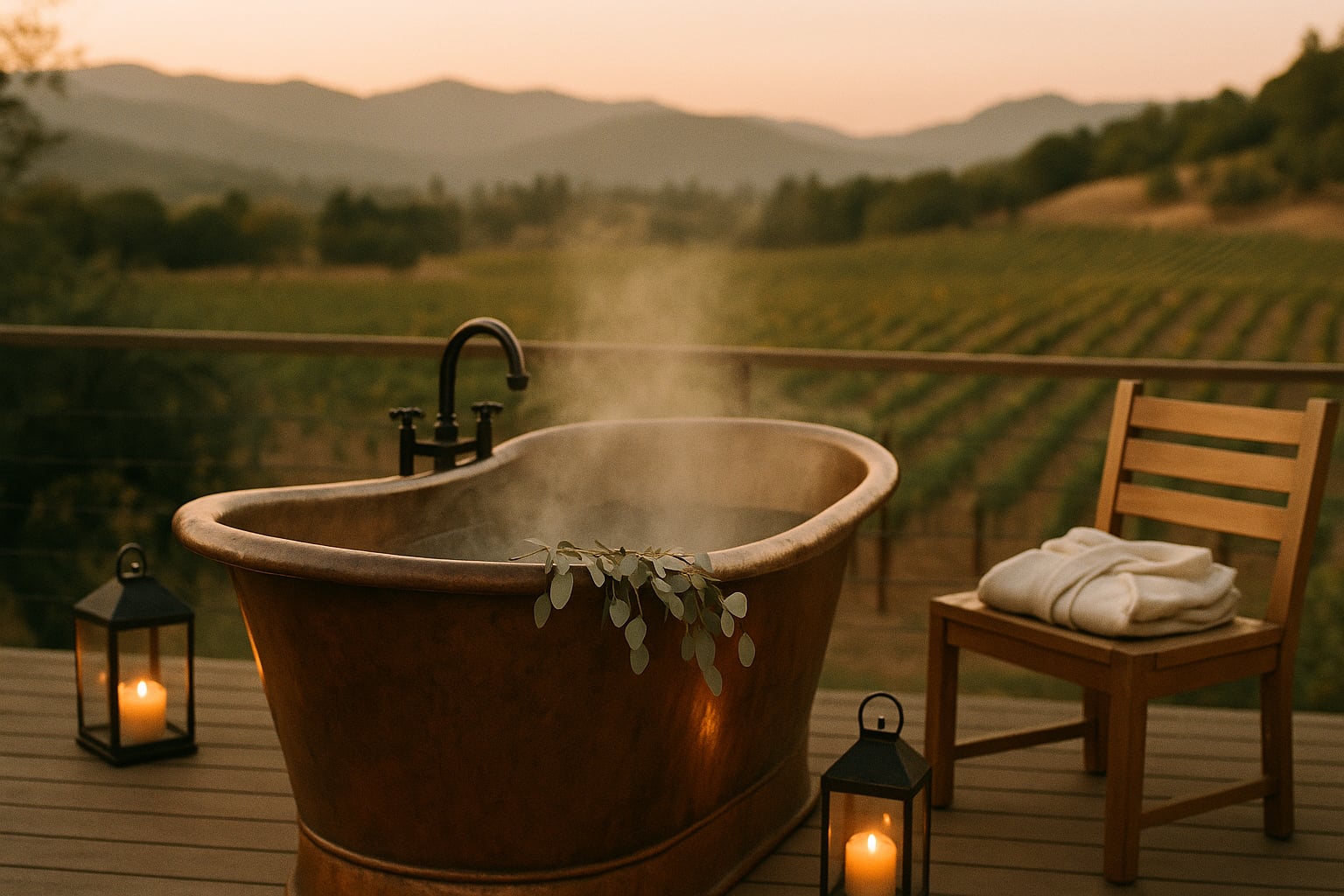
Indian Springs in Calistoga has geothermal pools that feel genuinely strange and ancient. You can book a mud bath on a Tuesday afternoon and just... sit in mineral water afterward until your whole body feels like it forgot what stress was. That's not on most itineraries because it doesn't photograph well. It only feels good.
Solage, same town, same idea — but with better robes. The point isn't the spa menu. It's what happens when you strip out the agenda and two people have nothing to do but be somewhere warm together.
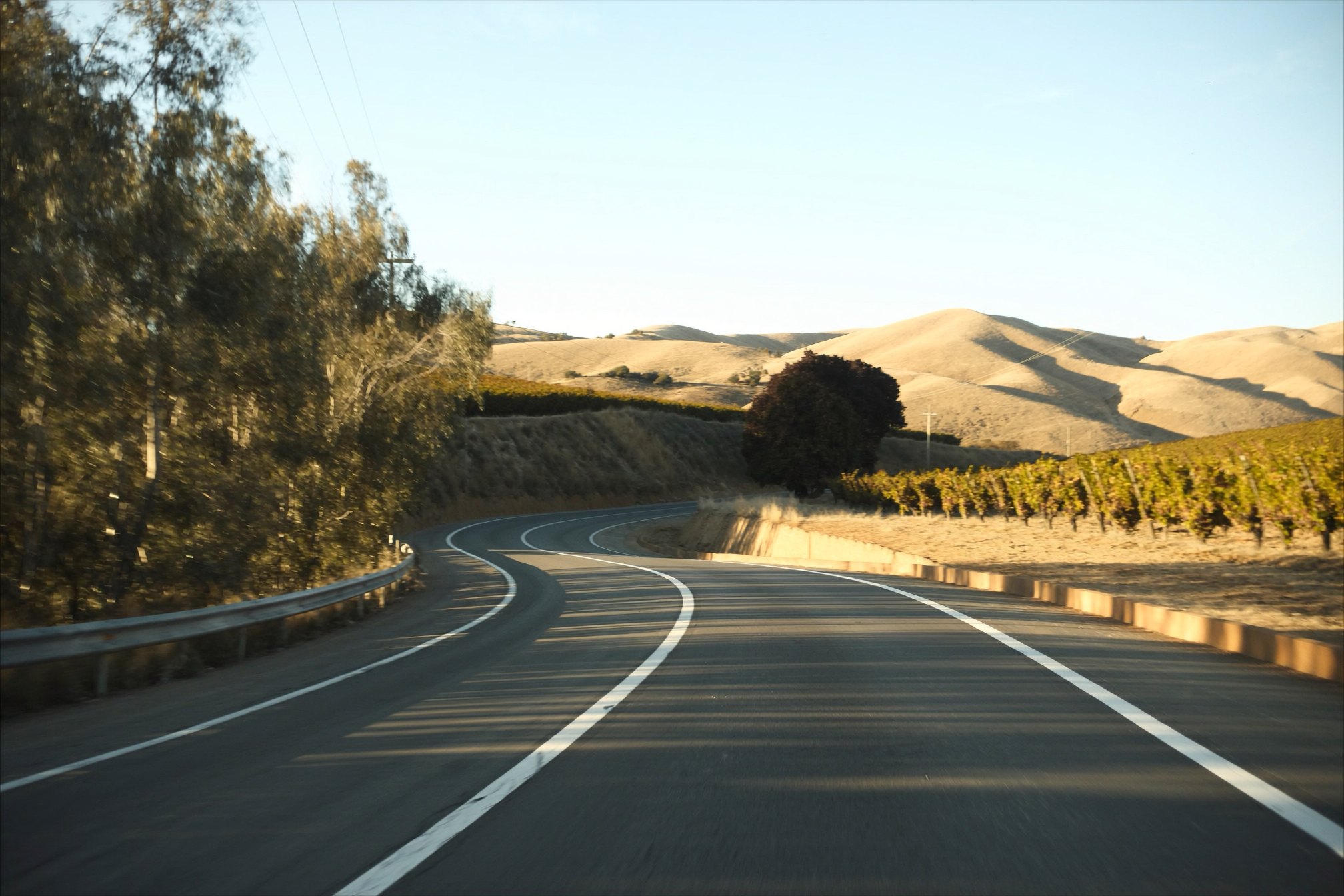
The Sonoma backroad drive with no destination is its own argument. Get off the 101. Take something that looks like it goes nowhere. It usually goes somewhere better.
Why Couples Over-Plan (and What It Costs Them)
A perfectly executed itinerary gives you a great trip on paper. Photos. Checkboxes. A story you can tell at dinner parties. What it doesn't always give you: actual intimacy. The kind that requires a little friction, a little surprise, a moment where something didn't go right and you both laughed at it anyway.
There's a version of couple travel that's really just performing couplehood at expensive locations. It looks good. It feels hollow. You come home slightly more tired than when you left and you're not entirely sure why.
The over-curated weekend is related to something else: the relationship you describe versus the one you're actually in. The trip you planned is the relationship you want to project. The trip you actually take — unscheduled, slightly chaotic, with that one wrong turn — is closer to who you really are together.
The Moments That Actually Stay with You
Ask any couple to name a moment from a trip they still talk about. It's almost never the restaurant. It's the detour. The afternoon they gave up on the plan. The hour they spent in a gas station parking lot eating sandwiches because they were too hungry to find somewhere good.
In Napa, it might be the cave tasting nobody puts on an itinerary — damp stone walls, a poured taste of something they didn't expect to love, forty minutes with a stranger who knew everything about the vineyard's soil. You can't book serendipity. But you can leave room for it.
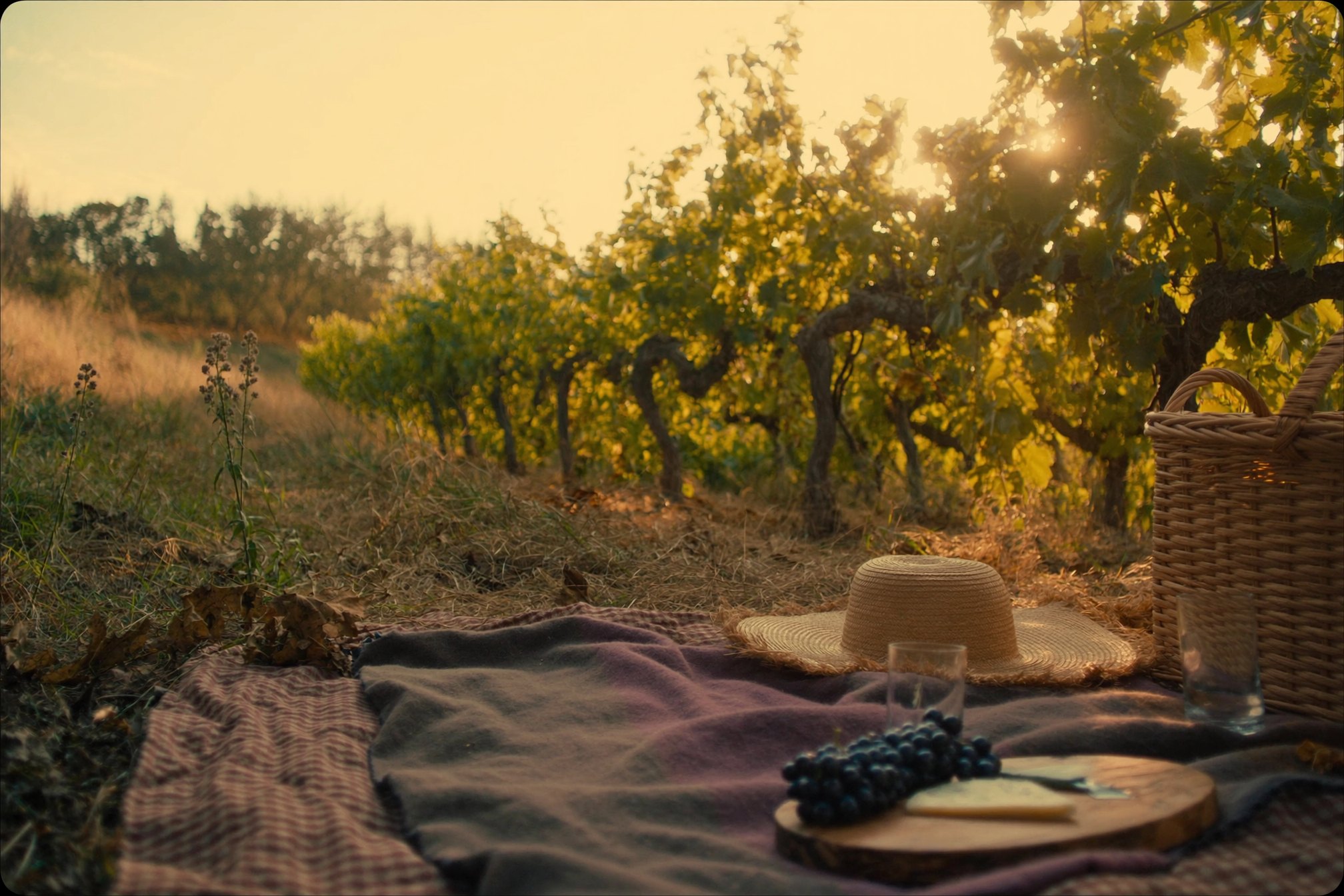
Or: it's the slow dinner that went two hours past what you planned. The napa valley picnic that earned its reputation not because of the charcuterie spread but because you were both actually present for it. Sitting on a blanket with wine and nothing to do next.
A Loose Framework (Not an Itinerary)
What to actually book ahead
Where you're sleeping. One dinner — the one you genuinely can't get in without a reservation. One tasting if that's your thing. Everything else: leave it.
What to deliberately not schedule
Saturday afternoon. The hours between checkout and dinner. Any morning where you could plausibly sleep in and wander. The phone-free dinner you've been meaning to try — that one actually works better when it's not a scheduled experiment but just a thing that happens because you left your phone in the room.
What to bring instead of a plan
One question you've been meaning to ask. Something small you've been carrying around that you haven't said yet. Comfortable shoes. A willingness to go somewhere worse than where you planned and find it better anyway.
The Real Argument
Intimacy needs a little boredom. It needs the moment where the plan fell through and you looked at each other and had to decide together what came next. That small negotiation — where do you want to go, I don't know, what do you feel like, I'm not sure — is actually relationship maintenance disguised as logistics.
The over-scheduled weekend removes all of that. It hands you a script. You perform the romantic trip rather than take one.
The weekend that leaves room to become something else is the one where you show up without knowing exactly what's going to happen. It's a little uncomfortable. It's a lot more real. And somewhere in the middle of it — probably in a tasting room you didn't plan to stop at, or in a hotel room at 2pm when you didn't feel like doing anything — something actually happens between you.
That's the trip worth taking.