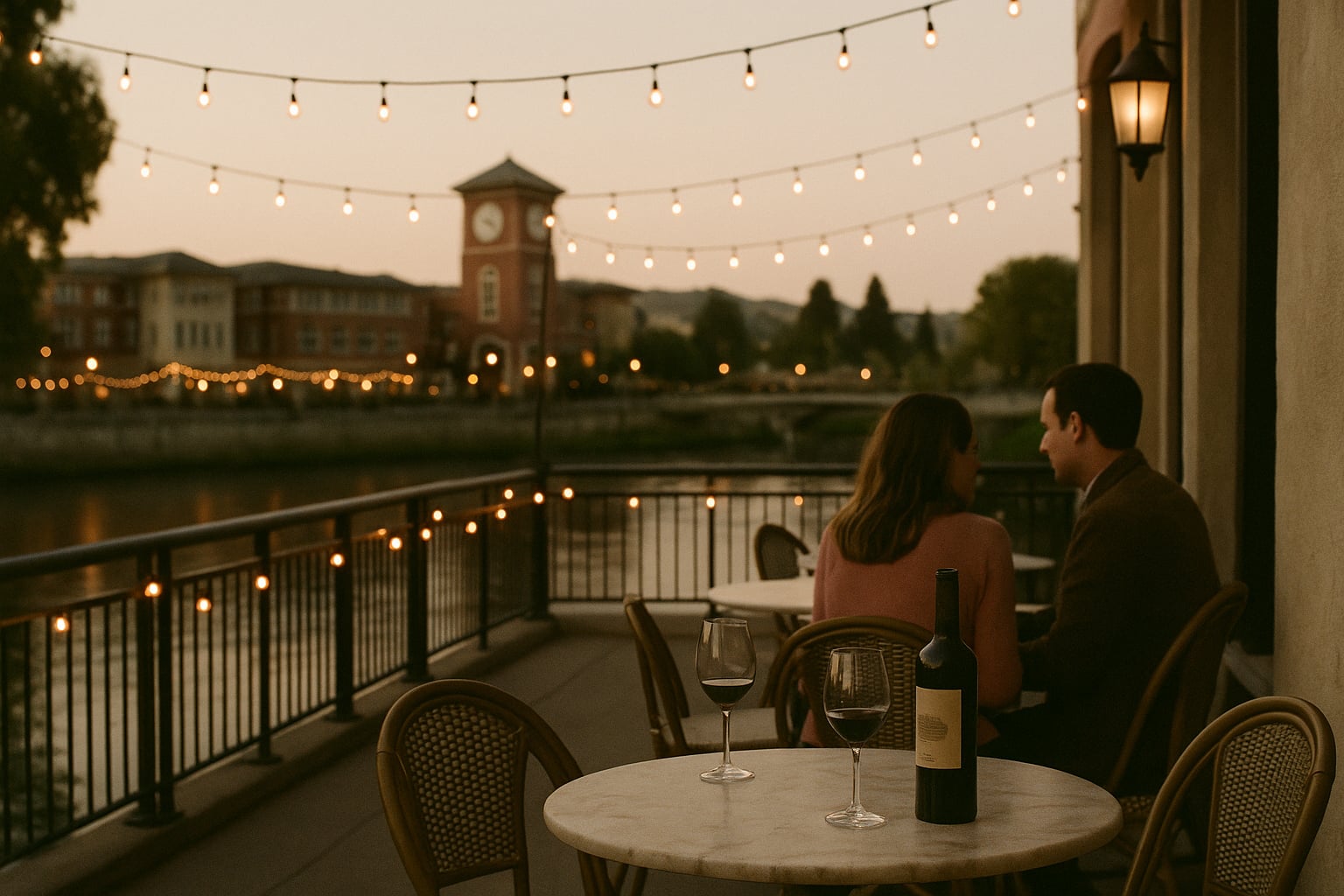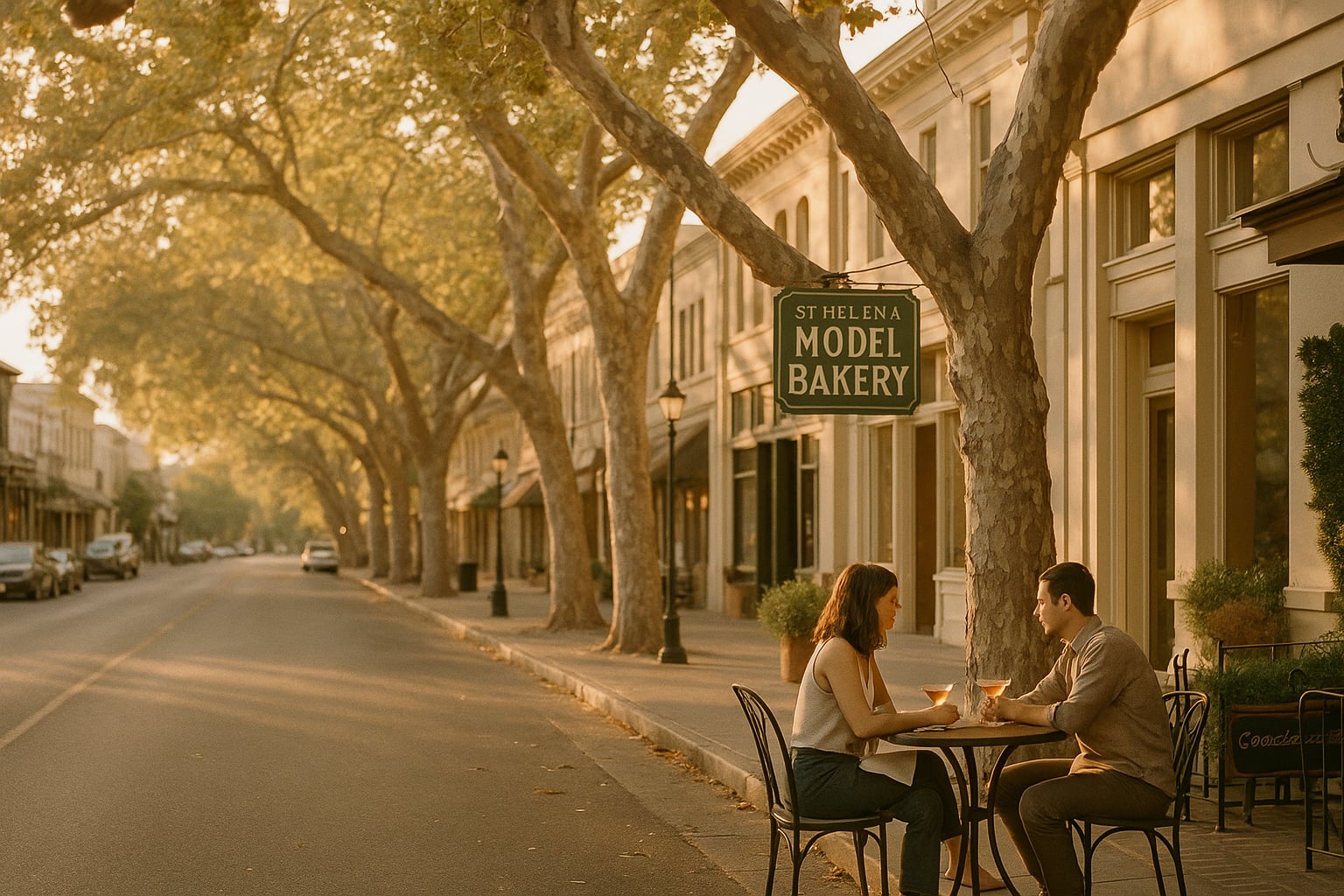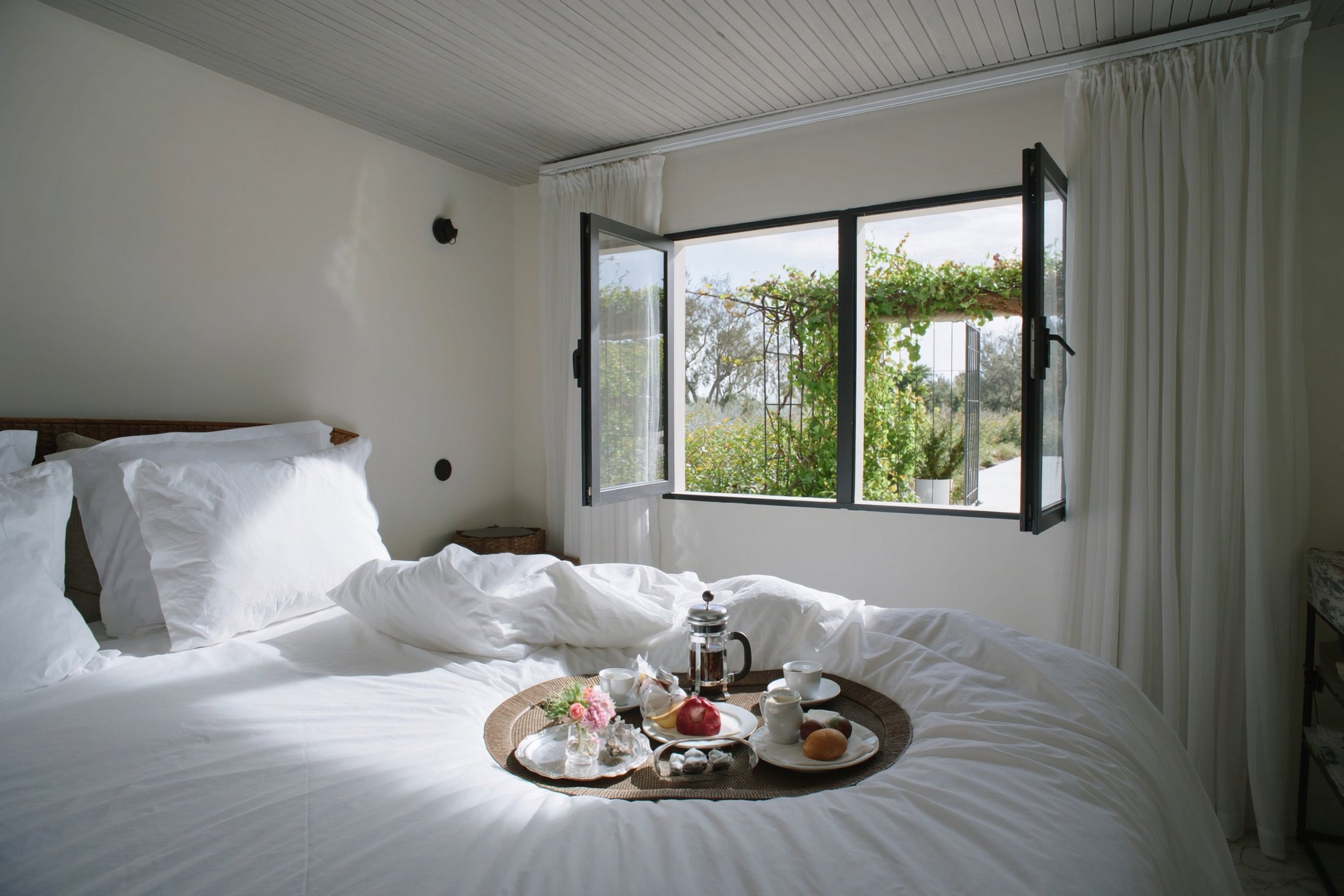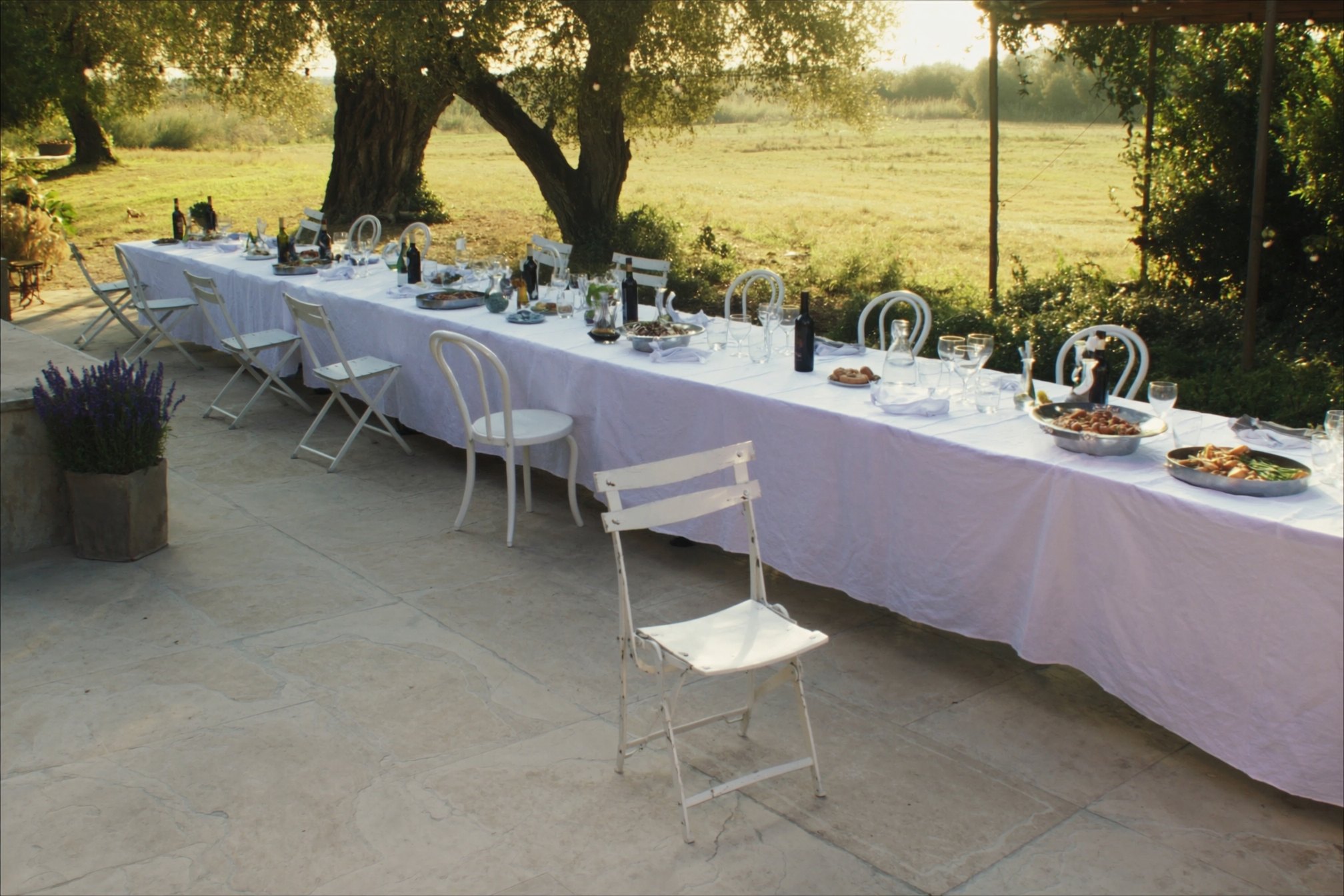
December is the month where everything becomes a set piece. The tree. The tablescape. The matching pajamas someone bought in November because they saw them on Instagram and felt something close to love for a stranger's living room.
It's exhausting in a way that's hard to name, because most of it is genuinely wanted. Nobody forced the wreath. You picked it yourself.
But somewhere around the second or third week, the performing starts to cost something. You notice it in small ways: the way you angle the candles before anyone sits down, the way you check whether the music is right before you can actually relax into the room.
What if one night just didn't do that?
The Luxury Nobody Sells You
Actual luxury in December isn't another thing to acquire. It's the absence of optimization. It's a night that doesn't need to be photographed, captioned, or even remembered with any particular clarity.
This is harder than it sounds. We've trained ourselves so well to produce moments that producing them feels like relaxation. The candles, the playlist, the good wine in the nice glass — these aren't bad. But when they become reflexive, they stop being pleasure and start being work with better lighting.
There's a kind of intimacy that only arrives when neither person is performing for the other, or for some imagined audience hovering over the room. It's closer to what happens at 2 a.m. when both of you are tired and honest than to anything you'd plan for a Saturday.
What 'Nothing to Perform' Actually Looks Like
It doesn't look like neglect. This is the thing people get wrong when they try it. They conflate undesigned with low-effort and end up on the couch scrolling separately, which is its own kind of performance: the performance of not caring.
The actual version is more deliberate than that, just pointed in a different direction. You're not building an atmosphere. You're removing the pressure to.
Practically: you eat something simple and good, not ambitious. Takeout from the place you actually love, not the place you take guests. You wear whatever you'd wear if no one was watching — which, if you're honest, is softer and heavier and less considered than what you usually wear around each other after November starts.
You don't pick a movie because it's good. You pick it because one of you has wanted to rewatch it for two years and never said so.
The weight of a robe. The specific warmth of a couch that's been yours for seven years. These are the sensory details December keeps rushing past.
Why the Holidays Make This Harder
December carries ambient pressure to make things matter. Every gathering feels like it should be significant. Every meal is a little bit of an event. Even a weeknight has a candle on it.
That pressure lands differently in relationships. It creates a subtle expectation that intimacy should also be elevated — planned, intentional, earned. Which means anything that isn't that feels like a failure rather than a rest.
The pressure to make December feel special is exactly what makes it stop feeling anything at all.
— MLL editors
The irony is that the undesigned night often lands harder than the designed one. You remember it differently. Not as an event, but as a feeling: that you were actually there, in the room, with this person, not managing the room for them.
The Micro-Behaviors That Signal You've Actually Stopped
You'll know it's working when you stop adjusting things. The throw blanket is fine where it landed. The kitchen light is a little harsh and you leave it.
You talk about something genuinely low-stakes — a memory, a strange work thing, a running joke that has no resolution. Nothing is a conversation to have. It's just sound between two people who know each other.
Someone falls asleep. Or nearly. That's not the night failing. That's the night working.
If something physical happens, it happens the way things happen when there's no pressure attached to them: slower, less directed, more honest about what it actually is.
How to Actually Design It (The Minimalist Version)
Which, yes, is a little funny. You're designing a night with no design. But doing nothing intentionally is different from accidentally doing nothing and feeling vaguely disappointed.
The only real decisions: agree in advance that this night has no agenda. Decide food before the night starts so you're not negotiating it at 7 p.m. when you're both tired. Put the phones somewhere that requires standing up to reach them.
That's genuinely it. No playlist to build. No candles to arrange. The only aesthetic choice is to not make one.
One Specific Evening
Picture it mid-December, a Tuesday. Both of you have been to too many things. The week before Christmas is still ahead, which means it looms rather than sparkles.
You order from the Thai place you've ordered from since before you lived together. You eat it out of the containers because the dishes are already done and why undo that. Someone puts on a show that's been sitting in the queue since September.
Nobody says this is romantic. It isn't, exactly. It's better: it's real. The specific comfortable weight of a familiar person on the same couch, in December, with nowhere to be and nothing to produce.
You go to bed at a reasonable hour. Nothing memorable happens. In January, you'll think about that Tuesday the same way you think about a warm room after being cold. Not as an event. As a relief.
A Few Questions People Actually Ask About This
Isn't this just a regular boring night?
Only if you enter it passively. The difference between a boring night and a deliberate low-key one is small but real: you've chosen this. You're not defaulting. You're opting out, which is an active thing.
What if my partner thinks I'm not making an effort?
Say the thing out loud before the night starts: I want one night this month that has no agenda. That sentence does the work. It turns a low-key evening into a shared decision instead of a disappointment.
Does this work if we're in a rough patch?
Rough patches and undesigned nights are not a natural pair. If there's active tension, an unstructured evening is more likely to surface it than resolve it. This particular night works best when things are fine but tired, not when things are actually wrong.
Can this work solo?
Completely. The same principle holds: one evening where you're not producing a version of yourself or your space for anyone — including yourself. No self-care ritual to execute. Just a night off from the idea of the night.