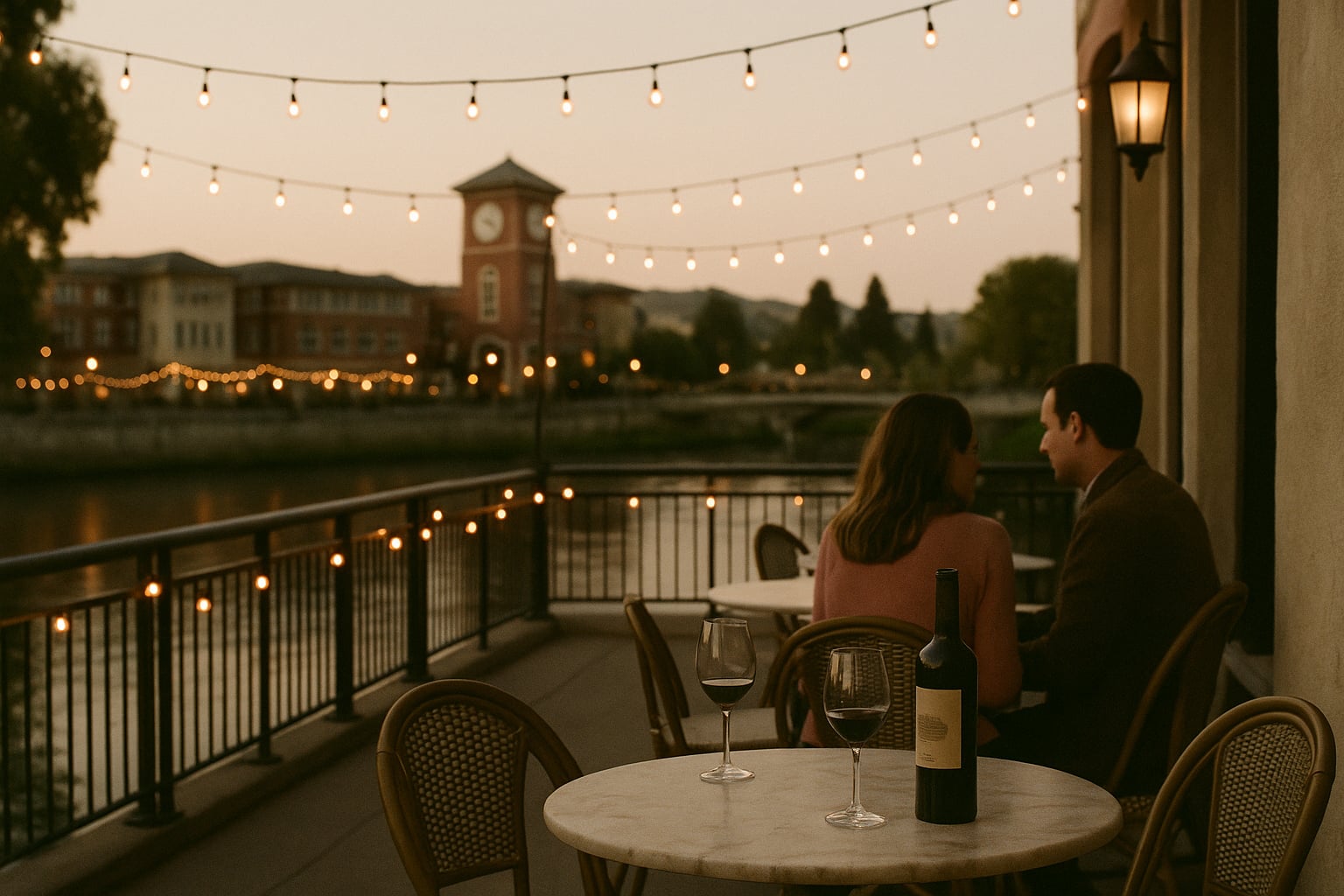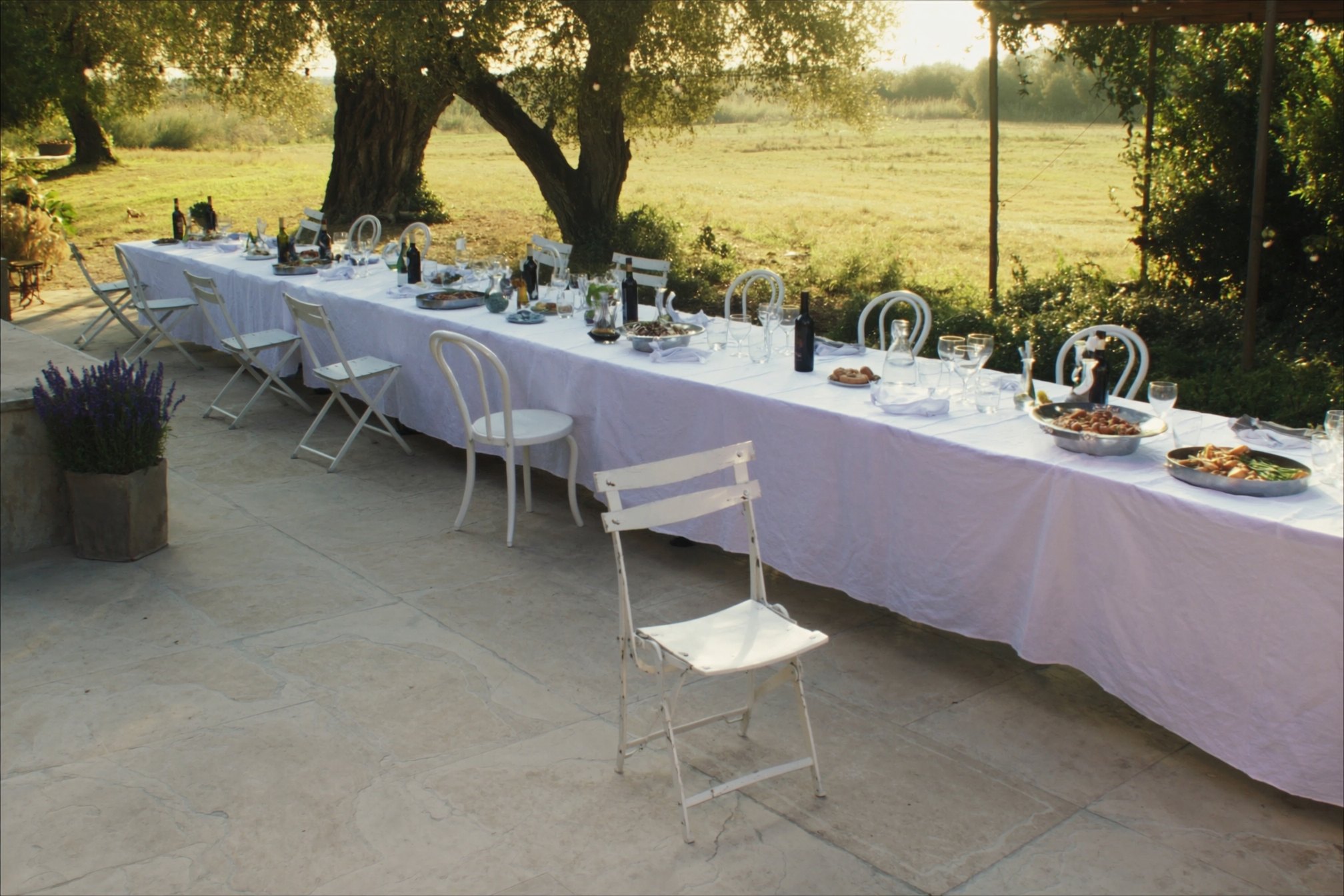
You made the reservation six weeks ago on a Tuesday when you were feeling good about things. Feeling optimistic. You picked a place with a waitlist and a dress code and a drive that takes forty minutes on a good night, because it felt like the kind of thing you used to do before life compressed itself into logistics.
Then life compressed itself into logistics.
Now it's 4 PM on the day of and you're sitting in your car or at your desk or on the edge of the bed, running the math. Whether it's worth it. Whether you're too tired. Whether you could just rebook. Whether a rebooked reservation ever actually gets kept.
The Case Against Canceling That Nobody Says Out Loud
Here's what's actually happening when you want to cancel: you're tired, yes. But you're also a little afraid. Afraid that you'll go and it will be awkward, or flat, or that the distance you've both been carrying will show up at the table with you like a third guest who didn't make a reservation.
That fear is real. It's also exactly why you should go.
The version of the evening you're dreading — the silence over bread, the small talk that doesn't go anywhere, the check arriving before either of you has said anything true — that version is more likely to happen on the couch than at a table with candles and a menu you have to think about.
Ritual creates permission. The drive, the lighting, the fact that you're both dressed in something that isn't what you wear to empty the dishwasher. It all tells your nervous system: this is different. Different is what you're after.
What the Friction Before Actually Is
The resistance you feel at 4 PM isn't telling you the date is a bad idea. It's the gap between the version of yourself who made the reservation and the version of yourself standing in it. That gap is almost always smaller than it feels.
Think about the last time you went anyway. Not the magical transcendent evenings — those are rare and you know it. Think about the ordinary ones where you went despite yourself. There was probably a moment somewhere between the parking lot and the second drink where something loosened. A laugh that surprised you. A thing one of you said that you hadn't said yet.
You can't manufacture that moment on a Tuesday at 4 PM by staying home.
Desire doesn't schedule itself. You have to create the conditions and then trust that it shows up.
— MLL
The Sensory Argument
There is something to be said for the physical specifics of a good evening out. The weight of a linen napkin. Cold glass, first sip. The temperature difference between the parking lot air and the room you step into. Heat from a kitchen. The way good lighting makes everyone look like the person their partner fell for.
Your body responds to environment in ways your brain is slow to credit. You can tell yourself you're too tired while your shoulders are dropping two inches and your voice is going lower and you're actually, quietly, starting to enjoy yourself.
That's not magic. That's just sensory input doing its job. Which is why the couch — familiar, softly lit by a television, comfortable in all the ways that don't ask anything of you — almost never delivers the same result.
The couch is fine. The couch is not the point.
The Specific Drive Is Part of It
If the restaurant you almost canceled is in Healdsburg, the drive up 101 matters. If it's in Yountville, the approach through the valley matters. If it's Solage and you're going for dinner after a soak, the sequence of heat and cold and then food and wine matters. The transition is not filler. The transition is where you two start to remember who you are outside the apartment.
Most couples talk in the car in ways they can't talk face to face. No eye contact, something passing outside the window to look at, no performance required. Things come out on drives that don't come out over the dishes.
That's a free forty minutes you almost gave up.
What Happens When You Go Anyway
Not every date you almost canceled becomes the night you'll describe to someone later. That's not the standard. The standard is: did you spend two hours being present to each other somewhere that required a little effort?
Effort is not romantic on paper. In practice, it's almost the whole thing. It says: I arranged for this. I got dressed. I drove. I prioritized this specific evening over everything that was asking for my attention today.
Your partner notices. They may not say so directly. But they notice.
The Version You Owe Yourself
There's also a version of this that has nothing to do with your partner. The you who made that reservation six weeks ago was trying to do something kind for the you who'd be living inside a busy, pressurized month. A gift across time.
Canceling is a way of telling that earlier self: I don't actually trust your instincts. I know better now that I'm tired and behind on everything.
That earlier self was right. She had more oxygen. She saw the month ahead and said: you're going to need this.
She was right.
A Few Things Worth Remembering at 4 PM
You don't have to feel like going. Feeling like going is a bonus. Most good decisions don't start with enthusiasm. They start with the small act of putting on the thing hanging in the closet and picking up your keys.
The awkward first twenty minutes, if they happen, are just the gear-shifting. Give it past the appetizers before you decide anything about how the evening is going.
You will almost certainly feel better at 10 PM than you do right now. Almost certainly.
And if the food is good — really good — you won't even remember being tired. You'll just be there. Present. In a room with someone you chose, eating something that required forty minutes of driving and six weeks of waiting and one near-cancellation.
That's not a bad way to spend a Thursday.
Go. Get dressed now so you don't talk yourself out of it. The reservation is in two hours and the drive is part of it and you already know you'll be glad you went.