Somewhere between the third pour and the story about the dry-farmed hillside block, something shifts at a winemaker dinner. The conversation stops being about logistics. The phone is already in a coat pocket. Nobody is half-present. It happens without anyone deciding it should.
You don't need a private room above a Healdsburg barrel cave to replicate that. You need the architecture of it. One bottle with a story. One dish that doesn't demand your full attention. A table set like you actually care. The rest follows.
Why Winemaker Dinners Work (And Why Yours Doesn't)
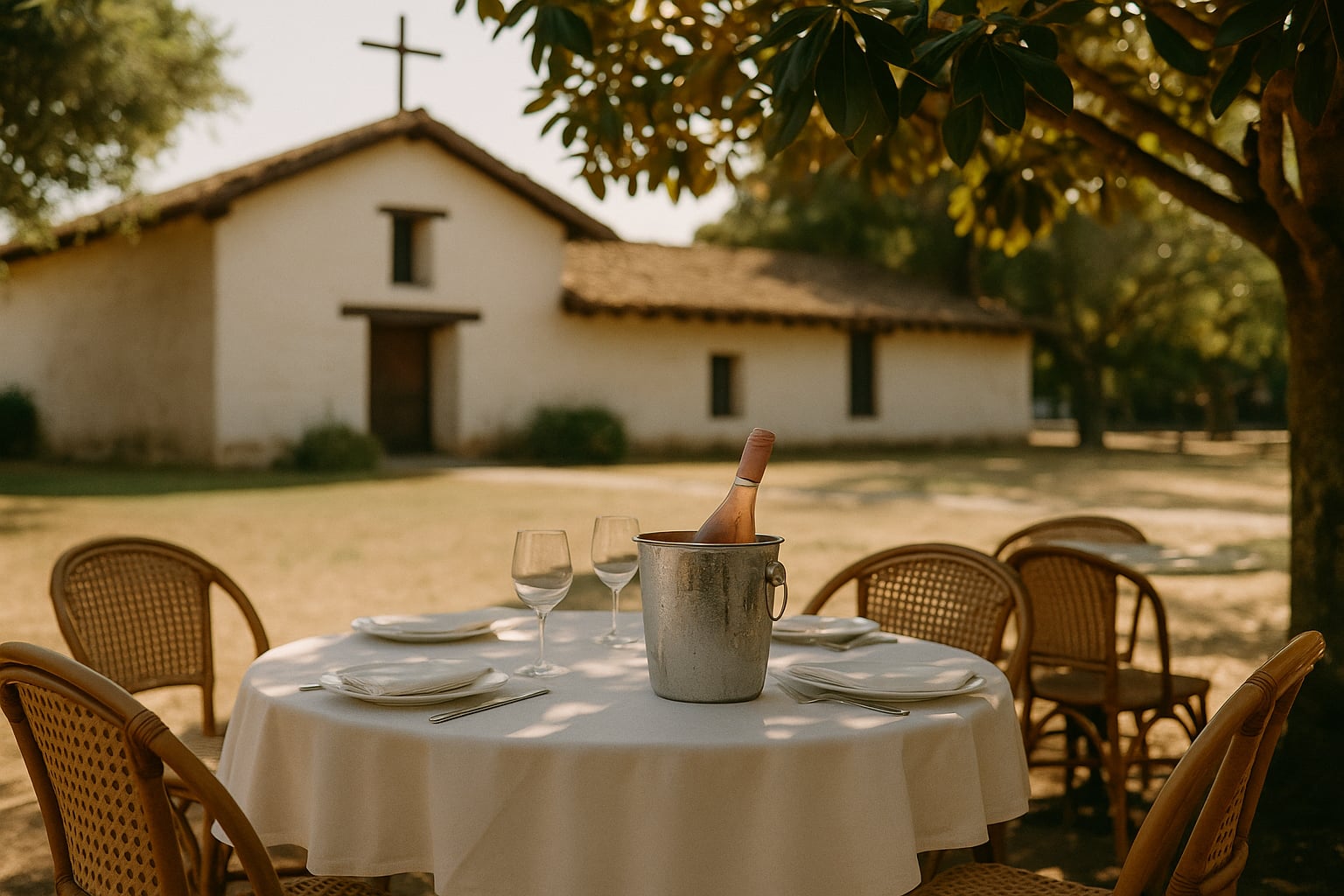
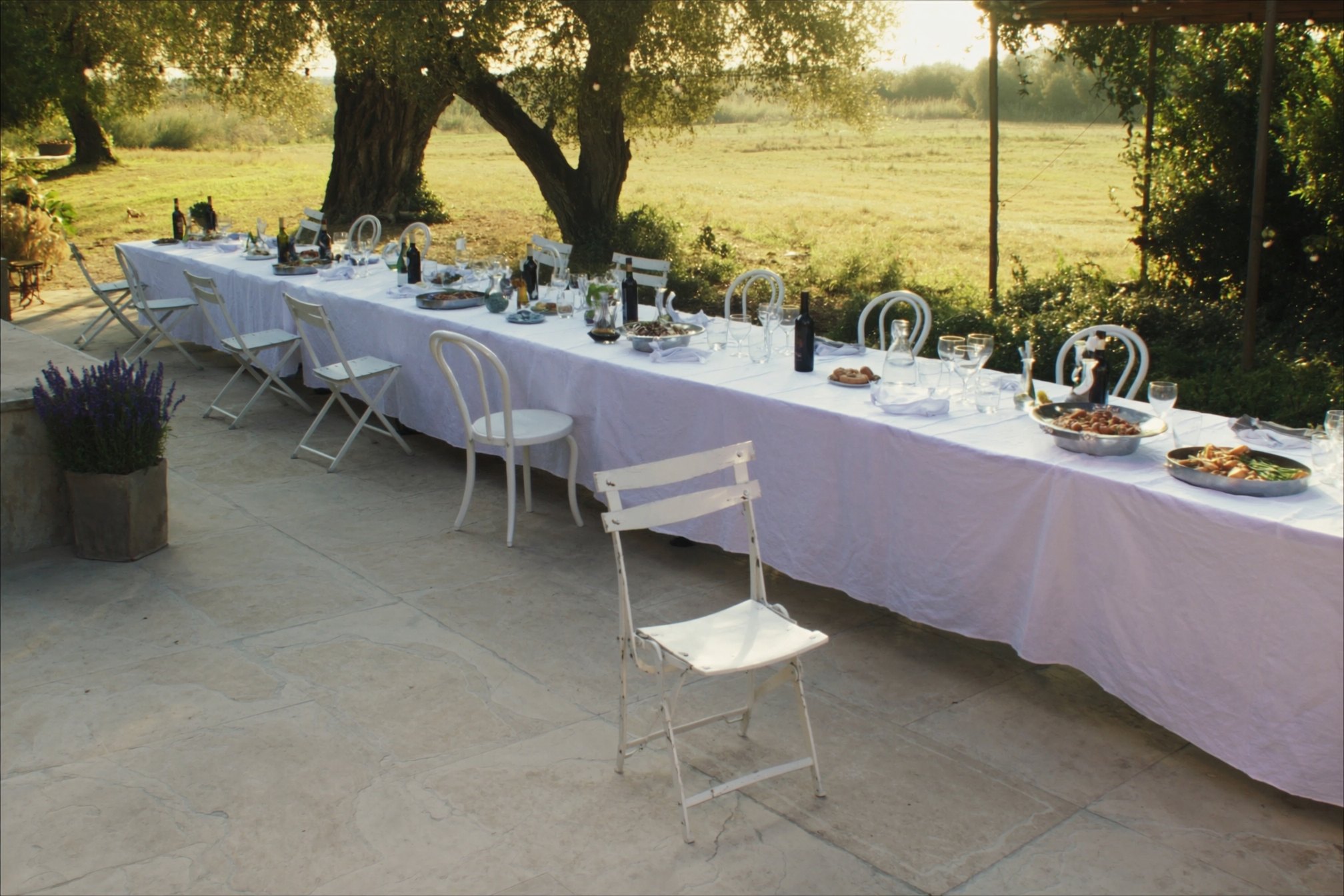
The reason a winemaker dinner at Dry Creek Kitchen or out on some estate patio feels different isn't the food. It's the constraint. One subject at a time. One bottle opened with intention. Someone in the room who actually knows something and is willing to say it plainly.
Your kitchen dinners fail the same way most date nights fail. Too many options, too much ambient noise, phones face-down instead of in another room entirely. Face-down still vibrates. You still clock it.
The winemaker dinner format solves this by making the bottle the throughline. Everything organized around it. What it tastes like. Where it came from. What it wants to be eaten with. That's not pretentious. That's just giving the evening a spine.
Choose One Bottle Like You Mean It
Go to an actual wine shop, not a grocery store app. Sonoma County producers worth asking about by name: Littorai if you want Pinot and are willing to spend; Bedrock Wine Co. if you want something with real Sonoma history baked in; Preston of Dry Creek if you want a bottle that actually tastes like the valley floor on a warm afternoon.
Tell the person behind the counter what you're cooking. Tell them you want to talk about the wine while you drink it, not just drink it. That sentence alone will get you a better recommendation than any algorithm.
The One-Course Rule
Pick something that can mostly be done before your partner walks in the door. A braise. A roasted chicken that's been in the oven for an hour and now just needs you to ignore it. A pasta that comes together in twelve minutes when you're ready.
The goal is to not be cooking while you're supposed to be having dinner. Standing at the stove with one eye on a pan is not the same as sitting across from someone with nothing to manage.
A specific suggestion that works: chicken thighs braised in white wine, shallots, and a little cream. Finished with tarragon. It pairs with a Sonoma Coast Chardonnay in a way that will make you feel briefly like you understand something. Serve with good bread and exactly one other thing.
Set the Table Like the Evening Is Worth Setting a Table For
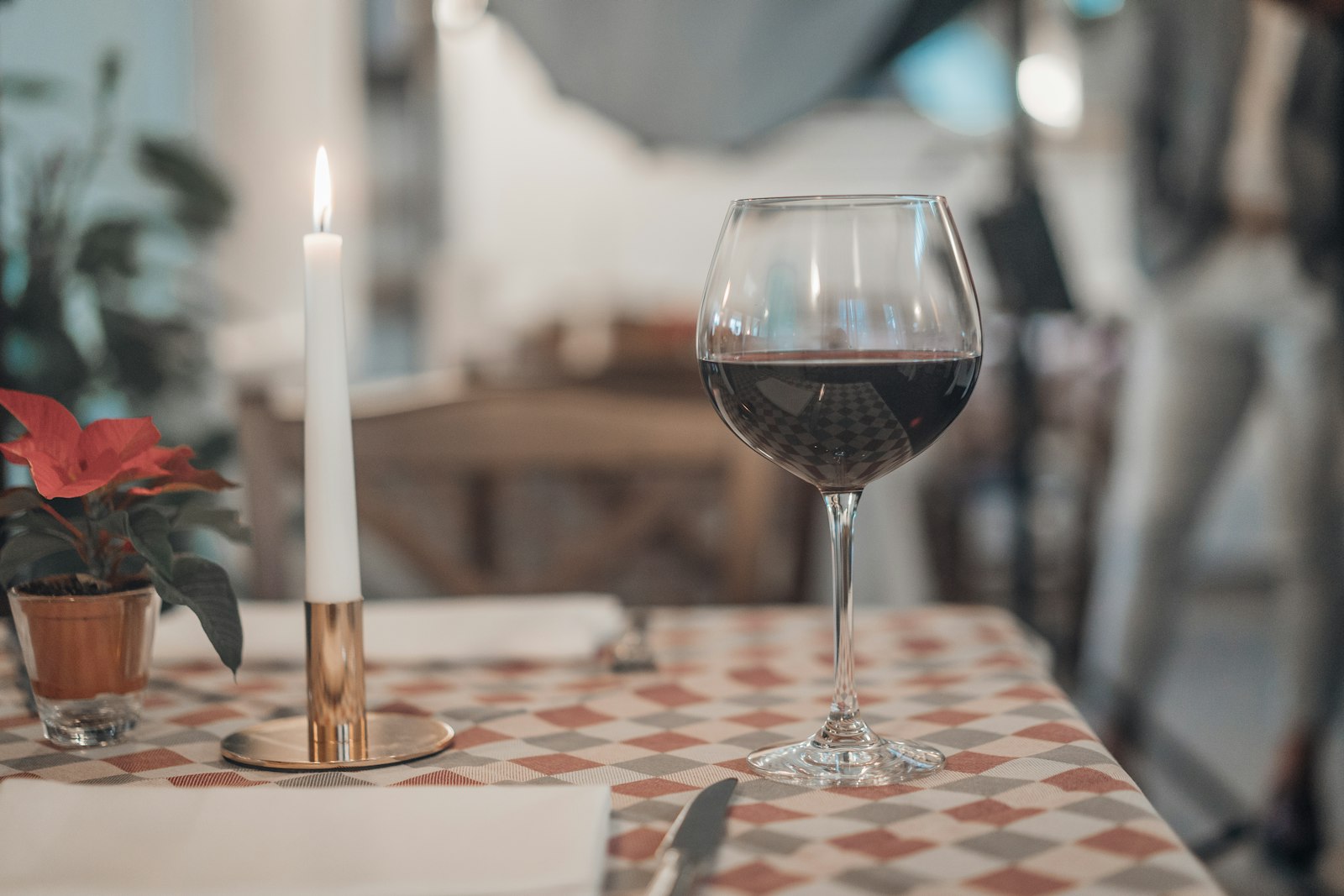
Candles are not optional. Not because of romance-as-performance but because overhead lighting is the enemy of any conversation you actually want to have. Dim overhead lighting is slightly better. Candlelight is the thing.
Use the cloth napkins. If you don't own cloth napkins, this is your sign. Heavy linen, even slightly rumpled, does something to a table. So does a real wine glass. Not a tumbler. Not a juice glass. A wine glass tall enough that you feel the stem when you pick it up.
Put something small on the table to look at while you talk: a candle, a branch from outside, the bottle itself. The eye needs somewhere to rest that isn't a phone screen.
The Actual Winemaker Dinner Move: Talk About the Wine
This sounds unbearably precious until you do it once and realize it's just a conversation starter that works. Open the bottle. Pour a small amount. Before you eat anything, smell it. Take a sip. Say something about it out loud, even if what you say is "I have no idea what I'm tasting but it smells like October."
That's it. That's the move. You've made the bottle the subject of the table for thirty seconds, and somehow that unlocks everything else. People at winemaker dinners in Sonoma aren't more interesting than you. They just have permission to be curious out loud.
The best conversations happen when no one is performing having a good time.
— MLL
The Phone. This Part Isn't Negotiable.
Both phones in a different room. Not the kitchen counter. Not a coat pocket. Another room. This is the single highest-leverage thing in this entire piece. Not the wine. Not the food. The absence of the phones.
The research on this is clear but you don't need the research. You already know. The feeling of being half-watched while you're talking to someone who is technically present is one of the more quietly corrosive dynamics in long-term relationships. A phone face-down on the table doesn't fix this.
Give it 90 minutes and notice what happens to the conversation around the 40-minute mark. Something opens up. It nearly always does.
What Winemakers Actually Talk About at These Things
Not wine. Not for the whole dinner. They talk about the specific conditions of one particular year. About decisions they made that worked or didn't. About what they got wrong and why they'd do it the same way again. It's personal without being confessional. Technical without being boring.
Steal that format. Pick a year from your own life. Something that happened that you made a real decision about. Talk about the conditions you were operating under. What you'd do the same. What you actually regret.
This isn't a therapy exercise. It's a dinner conversation. The difference is you have wine, there's no worksheet, and no one is taking notes.
After Dinner
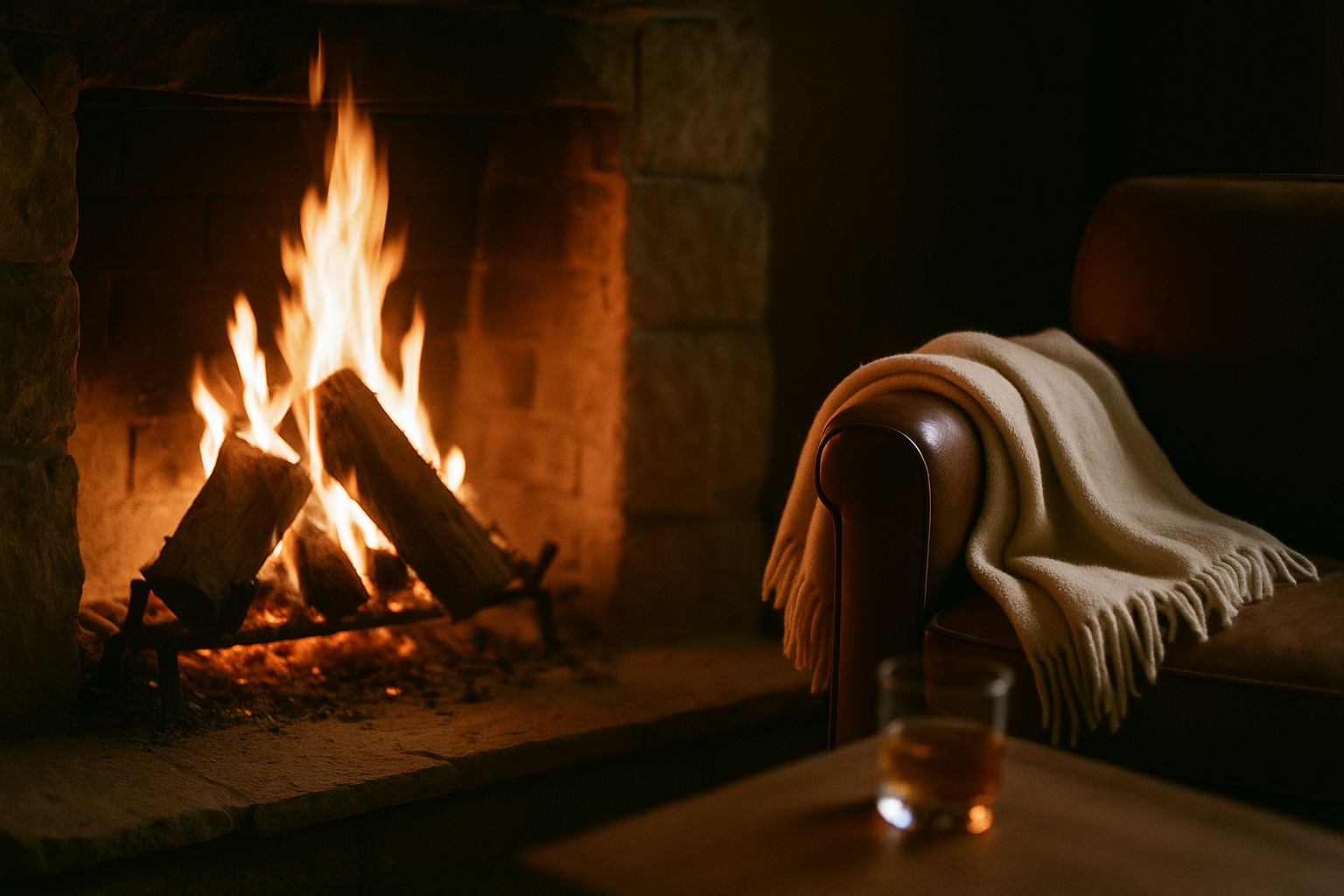
Don't immediately clear everything. Sit with the last of the wine. The weight of full plates being removed too quickly kills whatever the evening built. Let the candles burn. Leave the dishes for 20 minutes.
If the conversation has gone somewhere real, follow it. If it's landed somewhere warm and low-stakes, stay there. Not every good evening needs to end in a revelation. Sometimes it just ends with both of you knowing something got tended to tonight.
The Quick Version If You're Actually Going to Do This
Buy: One bottle from a Sonoma producer you can name. Ask a human for help.
Cook: One thing that's mostly done before dinner starts.
Set: Candles. Cloth napkins. Real glasses. One thing to look at.
Remove: Both phones. Different room.
Open: The bottle with intention. Smell it. Say something.
Talk: About the wine first, then wherever it goes.
Stay: At the table longer than you think you need to.
That's the whole dinner. Everything else is atmosphere you build on top of a structure that already works. The estates in Healdsburg figured this out decades ago. Your kitchen can hold the same evening. It just needs to be treated like it can.