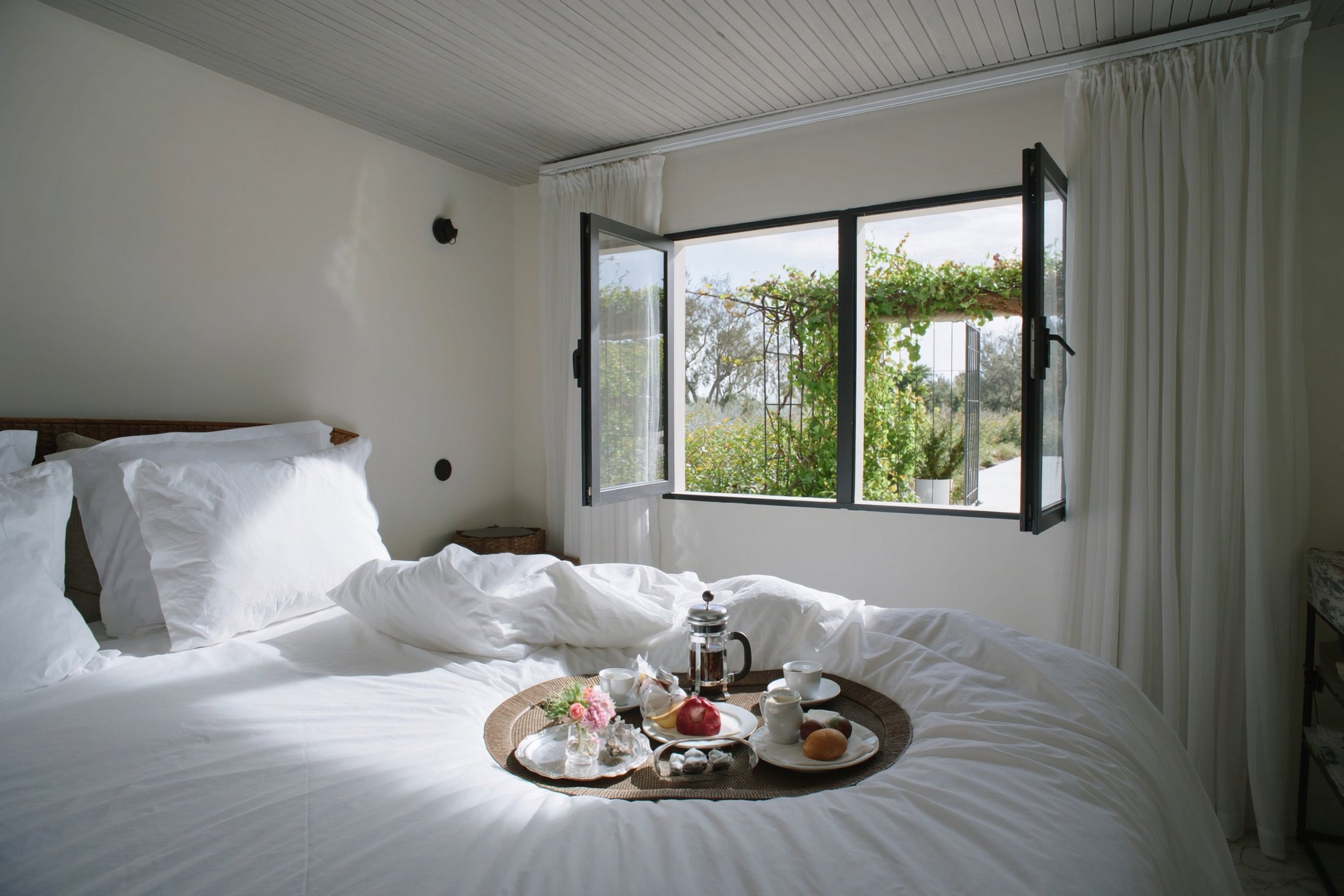
You're already in bed. The lights are low. Nobody has to be anywhere tomorrow. So you go straight to it — because why wouldn't you? You're both there. You're both willing. That's the signal.
And then it's fine. Not bad. Fine. You lie there afterward thinking about whether you locked the car and vaguely wondering why something that was supposed to feel like a release just felt like… an event you attended.
This is the warm-up problem. Not the absence of desire. The absence of runway.
Anticipation Isn't Foreplay's Softer Cousin
Foreplay is still largely understood as the thing you do right before the thing. A practical bridge. A courtesy lap. People skip it or rush it because the destination feels more real than the road.
But anticipation is different. It starts hours before anyone touches anyone. It's the text at 2 PM that isn't a logistics question. It's the way you look at someone across a dinner table and don't immediately look away. It's dressing for the evening knowing what the evening might become.
The body doesn't warm up in the thirty seconds between the light going off and someone reaching over. It warms up over an afternoon. A slow dinner. A deliberate, slightly loaded conversation that had nowhere specific to go.
What Cutting to the Scene Actually Costs You
When you skip the buildup, you're essentially asking your nervous system to perform on command. Some people can do this. Most people think they can and are quietly disappointed when the result feels mechanical.
The issue isn't arousal exactly. It's presence. A body can be technically responsive while the mind is still running through tomorrow's calendar. Anticipation is what calls the mind back into the room. It's the thread that connects the hours before to the moment itself.
Without it, sex becomes a standalone event. Isolated. Efficient. And somehow thinner than you wanted it to be.
The best nights rarely started in the bedroom. They started somewhere else — a long drive, a good bottle, an argument that resolved slowly into laughter — and then finally, eventually, arrived.
— MLL
The Specific Behaviors That Build It
This isn't about scheduling intimacy on a shared calendar (though if that's working for you, keep it). It's about smaller things. Things that cost nothing except attention.
The mid-day message that's only slightly about tonight
Not a proposition. Not a request. Just a message that lands and makes someone feel seen in the middle of their ordinary Tuesday. That's anticipation starting. You've opened a thread.
The dinner that doesn't rush itself
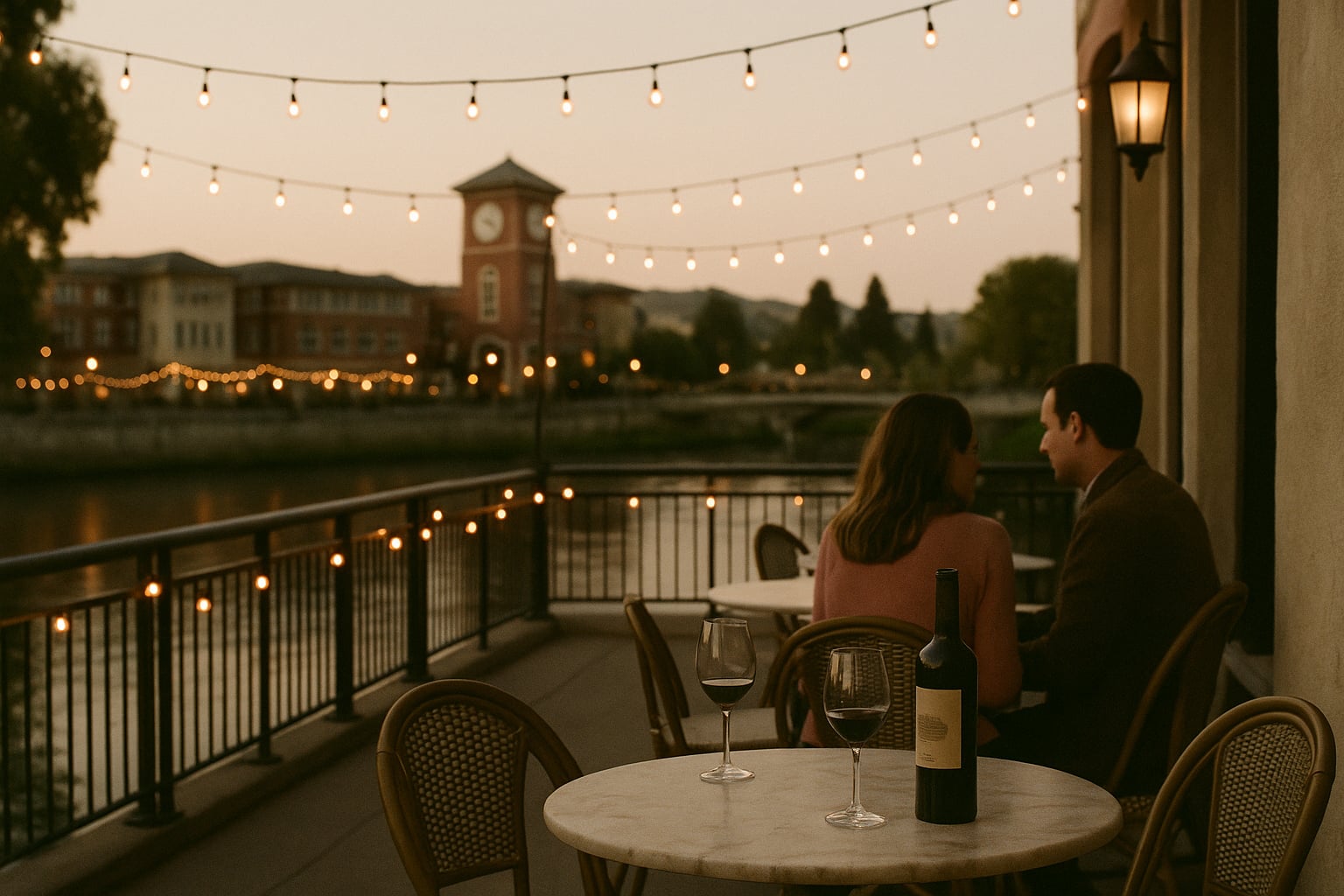
Think about the last meal that actually loosened something between you two. Probably a slower one. No phones on the table, food that arrived in stages, conversation that wandered somewhere unexpected. That wasn't incidental to the night. It was the warm-up. It was doing work.
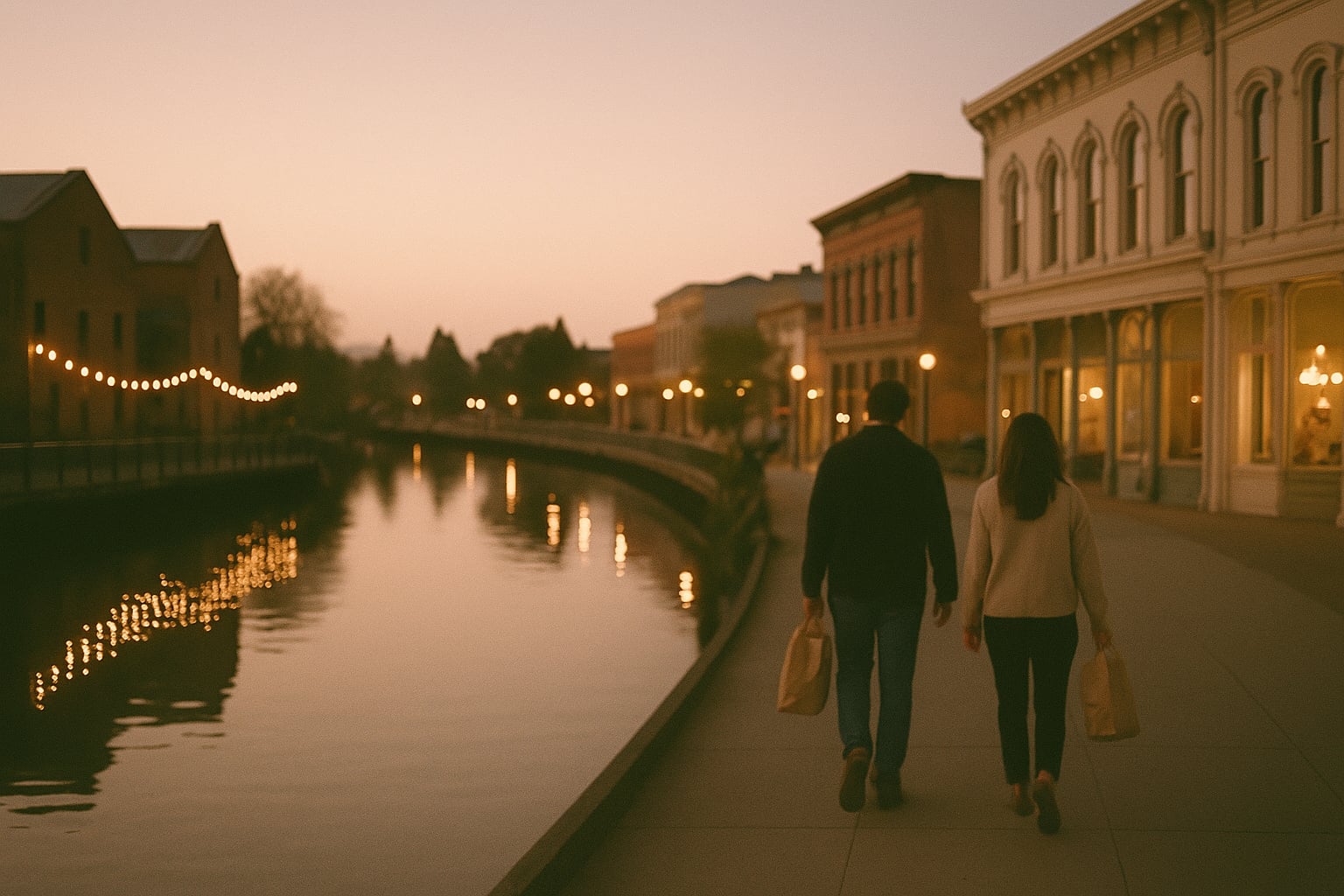
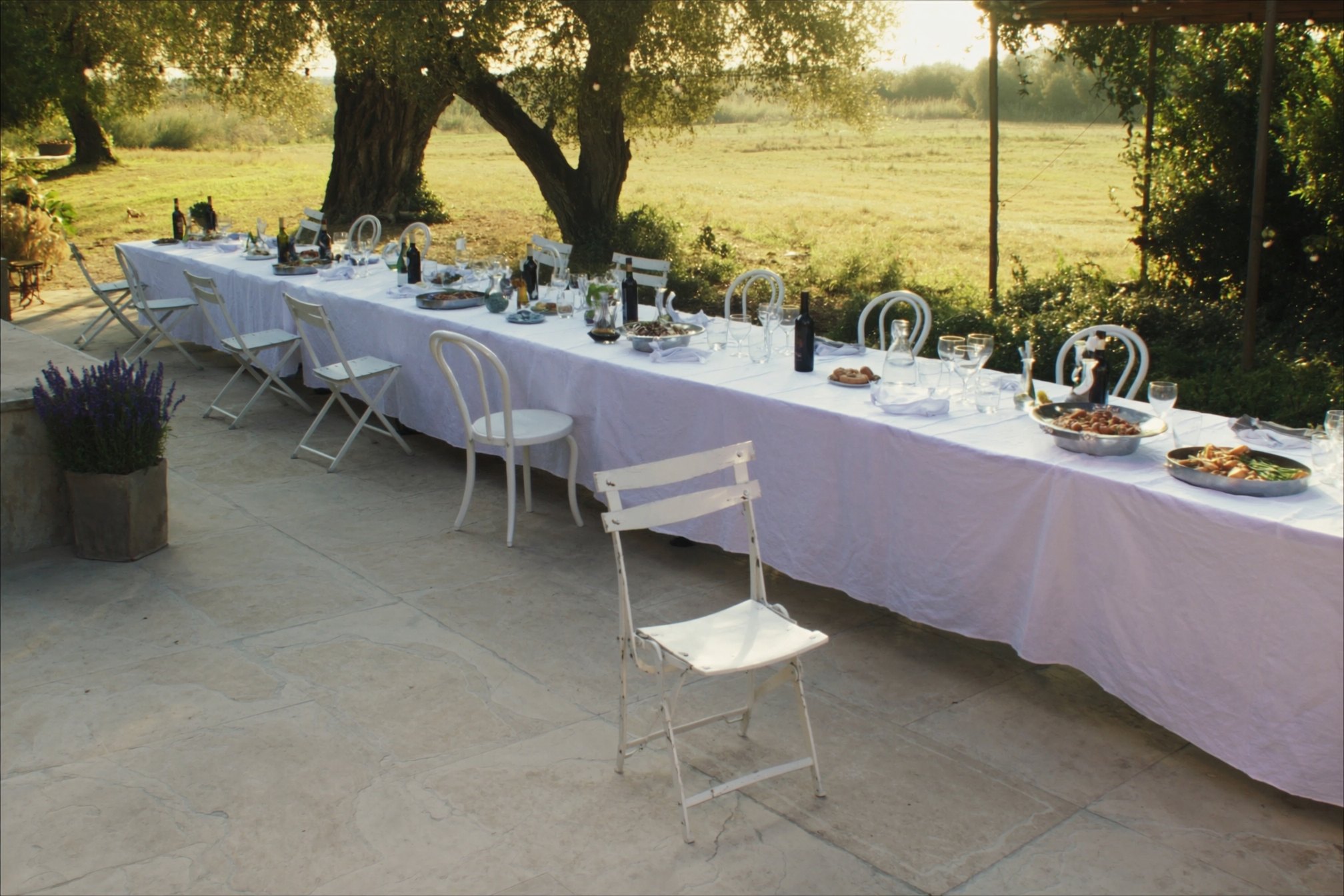
The restaurants along Healdsburg plaza do this almost structurally: small courses, long gaps, wine that rewards the wait. You arrive a little wound up and leave rearranged. That's not ambiance. That's a pacing lesson.
The transition moment you usually skip
The move from day-mode to night-mode matters physically. A shower. Changing into something with weight and texture — silk, a good robe, something that feels different against skin. This isn't performance. It's a signal to your own nervous system that the context has changed.
Guests at Solage who soak in the thermal pools before dinner aren't just relaxing. They're letting their bodies shift states. That transition is the warm-up. Most of us just skip straight to the part we came for.
The look that lasts a second longer than usual
Simple, almost embarrassing to write, and incredibly effective. Eye contact that doesn't immediately flee to a phone or a ceiling. Touch that doesn't immediately become transactional. These are tiny but they accumulate. They're how two people in the same apartment stop being roommates for the night.
Why We're Bad at This
Efficiency is a deeply ingrained reflex. We optimize everything, including pleasure. We've absorbed the idea that desire should be immediate — that if you have to build toward it, something's wrong with you, or with the relationship, or with the night.
None of that is true. It's just fast-culture logic applied somewhere it doesn't belong.
There's also a vulnerability issue. Slowing down means being present. Being present means being seen. Some part of us would rather skip to the physical part precisely because it requires less exposure than the buildup does.
The Solo Version Is Also Real
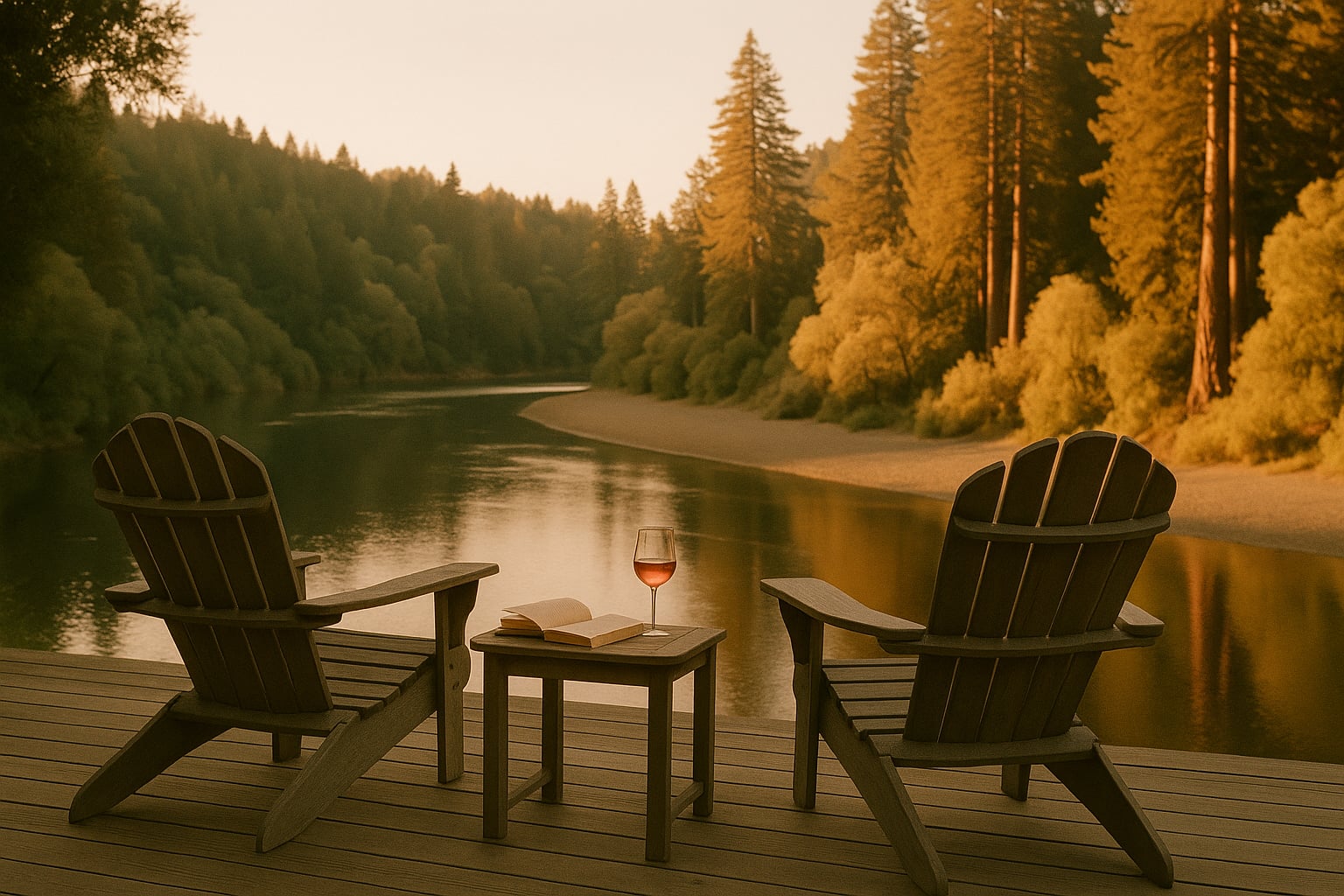
This applies to solo experience just as much. The quick, functional release that you barely show up for versus the night you actually set aside: candles, time, no destination you're rushing toward. The difference in quality isn't about technique. It's about whether you gave yourself a runway.
Reading something that interests you. A bath with actual heat and weight to it. Music chosen on purpose. These aren't indulgences. They're the pre-heat cycle. They're what separates an event you attended from something that actually registered.
The Practical Part
You don't need a weekend in Yountville and a four-hour tasting menu to build anticipation. You need a one-degree shift in how you move through the hours before.
One text that isn't logistical. One dinner where you close the laptop before you sit down. One moment at the end of the evening where you don't immediately reach for your phone. One transition ritual — ten minutes, warm water, something that feels like yours.
That's it. You're not building an experience. You're just stopping the habit of skipping one.
The scene you keep wanting? It's not in another position or a better night or a more compatible person. It's in the hour before the scene. The one you've been treating like dead air.
That hour is the skill. And it's learnable.