You notice the absence before you can name it. Someone you follow used to post their person constantly — dinners, hikes, that golden-hour shot in Healdsburg where the light hits the plaza just right. Then nothing. No breakup announcement. No explanation. They just went quiet.
They didn't break up. They opted out.
A growing number of couples are making a deliberate choice to disappear from social media — not as a couple's challenge, not as a curated mystery move, not because they read some article about dopamine. They're doing it because they did the math on what staying visible was actually costing them.
The math isn't complicated. It's just uncomfortable to look at directly.
The Performance Tax Is Real
Here's the behavior pattern nobody talks about: the couple who is genuinely having a good time, but one of them still reaches for a phone at the table. Not to check anything urgent. To document. To share. To keep up a version of the relationship that lives somewhere else, for people who aren't there.
That moment costs something. The other person feels it — a half-second interruption, a slight withdrawal, a partner who just left the room without leaving the room.
Do it enough times over enough years and the interruptions compound. The relationship starts to develop a third party: the audience. And the audience has preferences. The audience likes the soft-lit photo, not the actual conversation. The audience doesn't have to deal with the 11 PM fight after a long drive back from Yountville.
We weren't performing because we were happy. We were performing because we were scared of how it would look if we stopped.
— Unnamed, from a reader submission
This Isn't About Mystique
Spend five minutes on any platform and you'll find the other version of this: couples who very publicly announce that they're keeping their relationship private. Which is, of course, a post about their relationship.
That's not what we're talking about.
We're talking about couples who went quiet without announcing it. No grand gesture. No statement. The posts just stopped. Because they realized they were curating their relationship for people they don't think about at 2 AM, and it was making them think less about each other.
What Presence Actually Costs
Presence isn't just physical location. You can be in bed next to someone, skin to skin, warm, and still be somewhere else. Anyone who has tried to have a real conversation with a partner who is half-reading their mentions knows exactly what that absence feels like.
The couples who go deliberately offline describe a specific thing: they started noticing how much of their shared life was being shaped by what would photograph well, what would make sense to explain, what would hold up to an audience that doesn't know them. Dinner choices. Vacation destinations. Even arguments — suppressed mid-fight because someone would be posting again by morning.
That's not a digital wellness issue. That's a relationship integrity issue.
The Specific Moments That Break It Open
It rarely happens all at once. It's usually one moment that turns the lens around.
A couple at Solage, soaking in a mineral pool at dusk, and one of them positions for a shot instead of just sitting there. The other one watches it happen and feels something close to grief — not anger, just a low, sad recognition.
A partner who notices they described their relationship more warmly in a caption than in any actual conversation that week.
Someone who realizes they checked how many likes a photo got before they checked in with the person in it.
These are small things. They're also not small at all.
Why Disappearing Feels Like Relief
The couples who go dark and stay dark report something unexpected: the relationship gets louder in private. Not more dramatic — more specific. More textured. They start noticing each other again instead of noticing the documentation of each other.
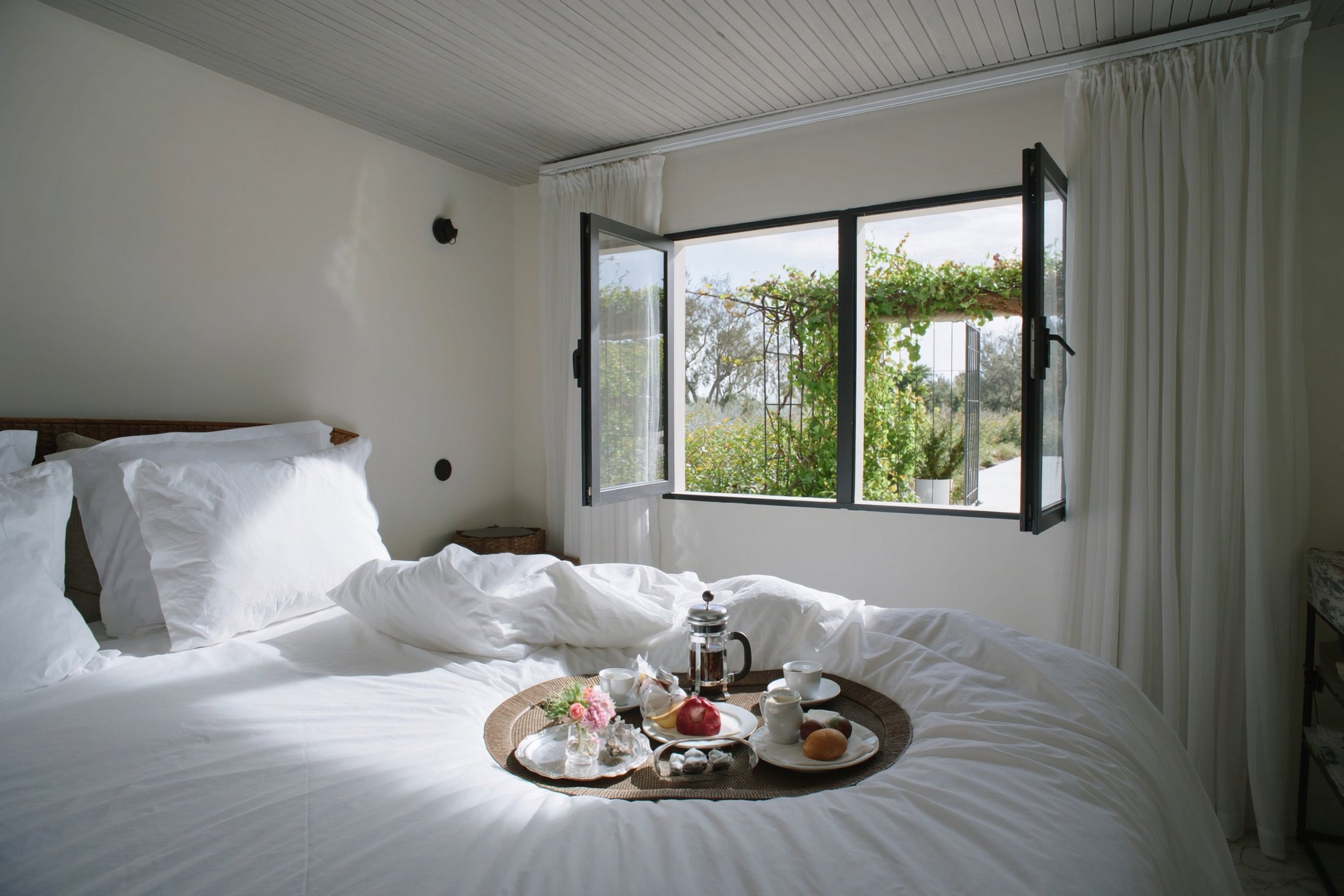
A Sunday morning that doesn't get photographed still happened. The coffee, the half-made bed, the particular way someone laughs at something on the radio — it's all still there. It's just not being exported.
And something about keeping it private makes it heavier. More real. Like closing a window so you can hear the person in the room.
The Social Pressure That Doesn't Let Up
Going dark isn't frictionless. People notice. People ask. Mutual friends read into absence. Someone you follow unfollows both of you in response to your silence, which is its own strange social verdict.
There's also the internal pressure: the reflex to post during genuinely beautiful moments, the slight guilt of having a good time and not sharing it, the weird feeling that if you didn't post it, did it count?
It counted. The relationship doesn't need witnesses to be real. That part takes a while to actually believe.
What Changes When the Audience Leaves
Without an audience, the couple stops playing to one. Which sounds obvious until you realize how much of the performance was invisible — even to them.
Disagreements that used to get smoothed over for the sake of the feed get aired instead. Desire that was going through a performative filter gets more direct. The slow dinner at a back table in Sonoma doesn't need to look like anything. It just needs to be the actual night.
Some couples find the friction of privacy harder than they expected. When you stop performing happiness, you have to actually reckon with what's there. That's the real test — not whether you can make a relationship look good, but whether you can stay in it when no one's watching.
This Isn't a Prescription
Some couples share publicly and are genuinely fine. The sharing isn't a symptom. The relationship doesn't need to be hidden to be healthy.
The question worth sitting with is simpler: when you reach for your phone during a real moment with this person, what are you actually reaching for? Connection — or proof of it?
There's a difference. Most people know which one it is, before they've even unlocked the screen.
Related: The Relationship You Describe vs. the One You're Actually In gets at the gap between narrated love and lived love — which is exactly where this conversation keeps leading.