Somewhere along the way, dinner became the middle part. You get drinks somewhere else first. You have a plan for after. The reservation is a placeholder between two other things you're also half-committed to.
And then you rush through a $200 meal checking the time because you told someone you'd stop by later.
This is not a scheduling problem. It's a value problem.
What "A Nice Dinner" Actually Takes
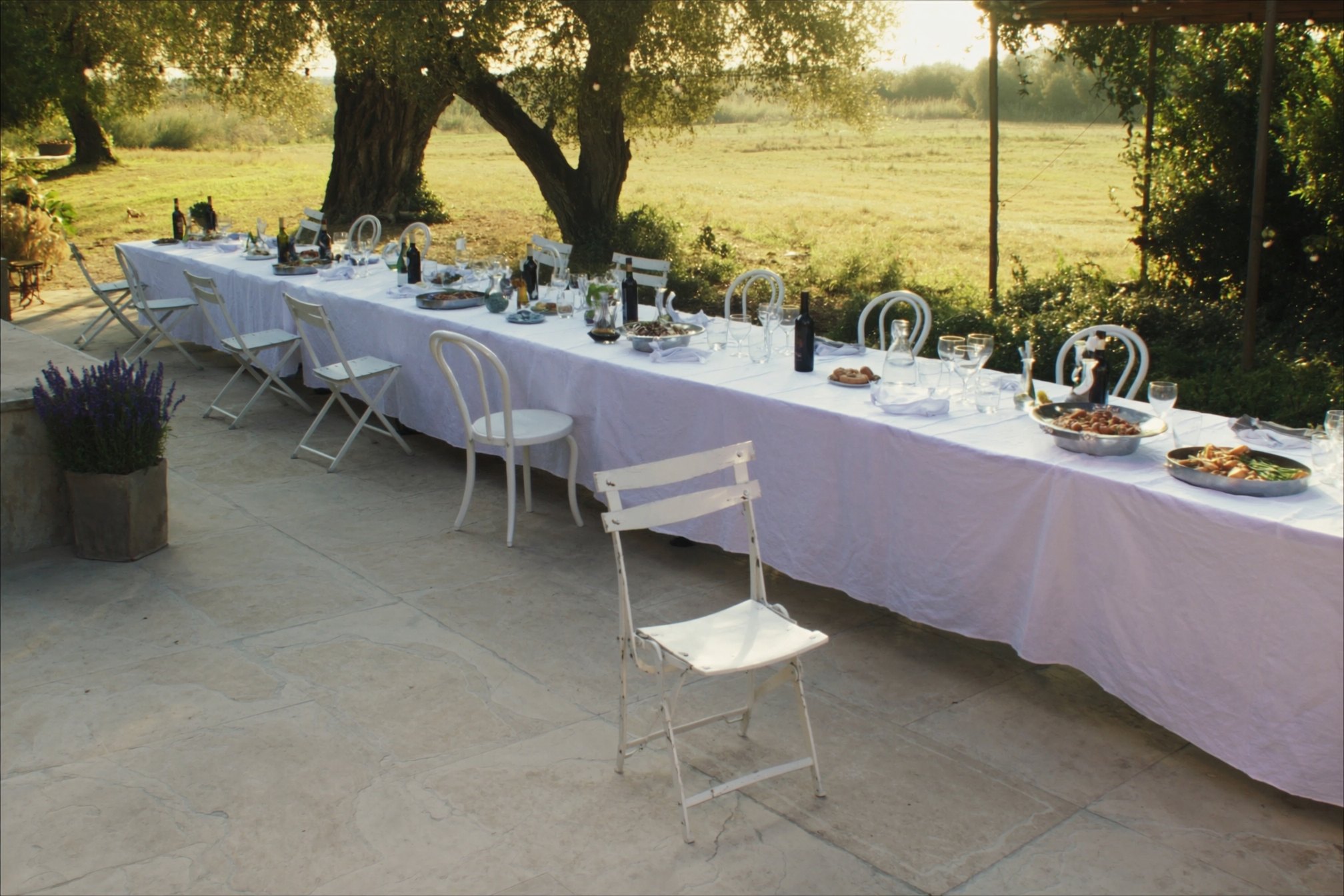
A genuinely great dinner takes about three hours. Not because the food requires it — because the conversation does. The first forty minutes are decompression. You're still arriving, still downloading the day, still half-somewhere else. The real talking starts around the second glass.
That's when someone says the thing they've been holding since Tuesday. Or laughs at something stupid and means it. Or finally asks a question they've been circling for weeks.
You can't get there in ninety minutes with somewhere to be after.
The Pre-Drink Problem
Pre-dinner drinks at a separate bar feel social and grown-up. They are also how you arrive at the table already a little blurred, slightly full on bar snacks, and using the menu as a prop while you finish a story you started on the sidewalk.
The restaurant becomes the place where the pre-dinner energy goes to wind down. You order, you eat, you're out by nine.
Try this instead: show up exactly when the table is ready. Order a drink there. Sit in the first awkward five minutes when neither of you has anything interesting to say yet. That discomfort is the starting pistol. It means you're actually present.
The Post-Dinner Problem Is Worse
You've done it: left a beautiful table too early because you had a plan. Dessert waved off. The last pour of wine refused. The bill requested before the mood was ready.
And then whatever came next — the bar, the party, the friends, the activity — was fine. Just fine. Lighter than what you left.
The post-dinner plan almost never beats the dinner. It just feels like it might.
We kept skipping dessert to go somewhere that was never as good as where we already were.
— Reader, Healdsburg
What It Looks Like to Give the Table Everything
You book a table at somewhere that actually matters to you. Dry Creek Kitchen on the Healdsburg plaza. Bouchon in Yountville. Farmhouse Inn if you're staying. You check the menu in advance not to decide in advance, but to arrive curious.
You don't book anything after. That part is non-negotiable. The evening ends when you're ready for it to end — not when the calendar says so.
You sit down. You order a drink. You let it be slow.
You stay through dessert, even the small one. You have the last pour. You let the table get a little quiet when there's nothing left to say and let that be comfortable instead of reaching for your phone.
You leave when the restaurant is ready for you to leave. Not before.
The Phone Question
Phones at dinner deserve their own article — and they have one. But the short version: the phone is how you signal that something better might be happening somewhere else. It's an escape hatch you keep your hand on.
Putting it face-down is fine. Leaving it in a coat pocket is better. Leaving it in the car is a different dinner entirely.
Try the coat pocket. See what your hands do without it.
Why This Is Actually About Intimacy
Eating together slowly is one of the oldest ways humans get close. Not talking about anything important necessarily. Just: sharing food, sharing time, letting the other person take up space in your attention without a deadline attached.
The rushed dinner is the rushed everything. It's the five-minute check-in that substitutes for a real conversation. It's the sex that happens because you're both tired and that's the path of least resistance. It's presence without contact.
The slow dinner is not a grand gesture. It's a vote for the relationship to take up more room.
How to Build the Night Around the Dinner
Before
Protect the hour before. Don't squeeze in errands. Don't cram in a call. Have a bath. Take time getting dressed. Wear the thing that makes you feel like the version of yourself that goes out. The dinner starts before you leave the house.
During
Order appetizers. Ask your server what they'd eat. Let the meal have a structure — opening, middle, close — and don't rush any of it. When the conversation stalls, look at the room instead of the phone. Come back. Try again.
After
Walk somewhere. Not to get somewhere. Just to extend the evening by twenty minutes with no destination. The walk is when the dinner's last layer surfaces — the thing one of you has been working up to since the second glass.
Then home. And whatever home looks like when the night was actually allowed to be something.
Frequently Asked Questions
How long should a nice dinner actually last?
Three hours is the honest answer for a dinner that gets to be fully itself. Two hours with nowhere to be after is a close second. Under ninety minutes with somewhere to be after is a meal, not an evening.
Is it weird to not have plans after dinner?
It only feels weird because we've trained ourselves to think empty calendar space means we're not doing enough. The evening without a post-dinner plan is the one that usually becomes something memorable. Blank space after the reservation isn't an oversight. It's the whole point.
What if the conversation runs dry?
Good. That's useful information. Either the silence is comfortable — which means something — or it's uncomfortable — which means something else. Don't paper over it with your phone or a post-dinner plan. Sit with it. The dinner is doing its job.
Does this work for a first date or only long-term couples?
It works better on a first date than most people expect. A full evening at one table with no pre-drinks and no after-plan is a low-key radical act in 2024 dating. It signals: I'm here. I'm not hedging. You're worth three hours of my actual attention. That lands.
What if one person is more food-focused than the other?
The food is a vehicle. The one who doesn't care about the tasting notes can care about the candle on the table, the couple across the room, the story they've been meaning to tell. You don't have to love food to love a slow dinner. You just have to be willing to stay.