You've been together long enough that "dinner" means sitting across from each other in a restaurant you both like well enough, phones face-down on the table, splitting something from the dessert menu you didn't really want. It's fine. It passes for a night out. But it doesn't change anything.
A real date — the kind that actually moves something — requires preparation. Not romantic-gesture preparation. More like the kind you do before something that matters.
Why Most Date Nights Land Flat
The effort goes entirely into the external. You book the table, pick the wine region, maybe make a reservation at something with a Michelin star or a view over the Healdsburg plaza. And then you show up exactly as you left work. Tired, half-distracted, still mentally sorting a Tuesday.
You spent 40 minutes on OpenTable and 11 minutes on yourself. That ratio is the problem.
The Pre-Date Window Is Real
Think about what you do before a job interview. You don't walk straight from a meeting into the lobby. You find 20 minutes. You change, or at least check yourself. You think about what you want to say and what you're hoping to learn. You arrive with something like intention.
The pre-date window works the same way. It's not about getting ready in the traditional sense. It's about transitioning. Leaving the day behind, not dragging it to the table.
A shower helps — not for cleanliness but for the reset. The heat, the quiet, the five minutes where nothing is asked of you. A specific scent you only wear on nights like this. A playlist that signals to your nervous system: different mode now.
What You Wear Isn't Vanity
It's information. Not for them — for you. Getting dressed with actual attention is a small act of self-direction. You're deciding how you want to show up. Who you're being tonight.
There's a difference between putting on clothes and getting dressed. The fabric that sits right, the silhouette you feel something in, the detail only one person is going to notice later. That specificity matters. It sets a tone in your own body before you even walk out the door.
This isn't about dressing to impress. It's about dressing to feel present. Two very different things.
What to Leave at Home
The ambient resentment from the week. The running tab of things unsaid. The grievance you've been carrying since Wednesday but haven't named yet.
None of that belongs at dinner. Not because those things aren't real — they are — but because dinner isn't the place for them. Arriving with a backlog and no plan is how a nice evening turns into a conversation neither of you expected to have in a restaurant.
If something genuinely needs addressing, schedule it. Separately. Protect the night.
The best dates feel like a parenthesis around ordinary life — not a continuation of it.
— MLL
Do a Small Amount of Homework
Not on the restaurant. On the person.
What have they mentioned in the last two weeks that you half-heard? What did they seem quietly pleased about? What are they wrestling with right now that they haven't fully said out loud? These aren't therapy prompts. They're the kind of things a person who's paying attention already knows.
Bring one question that you actually want the answer to. Not a check-in question. A real one. The kind that could go somewhere interesting if you let it.
The Venue Does Some of the Work — Let It
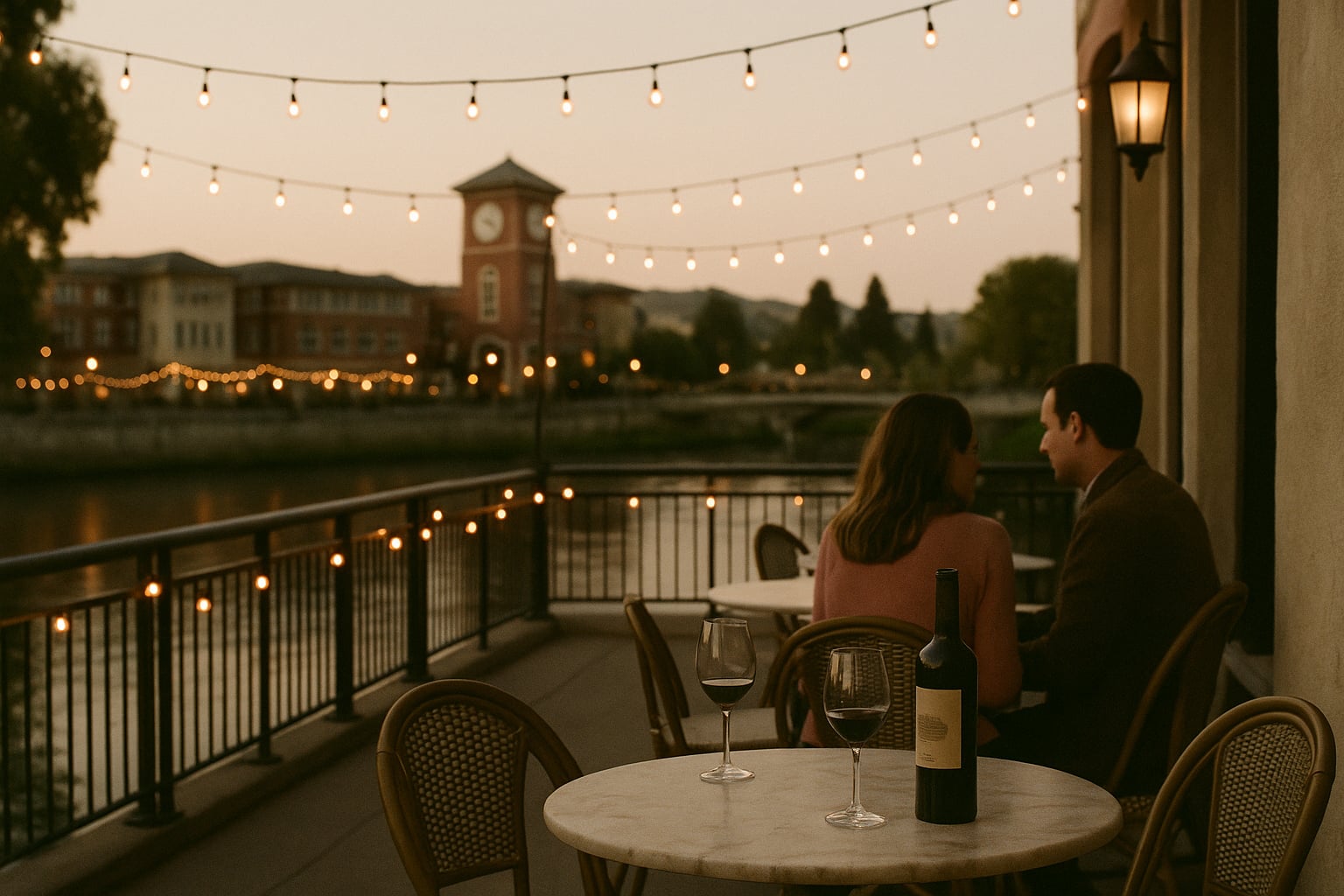
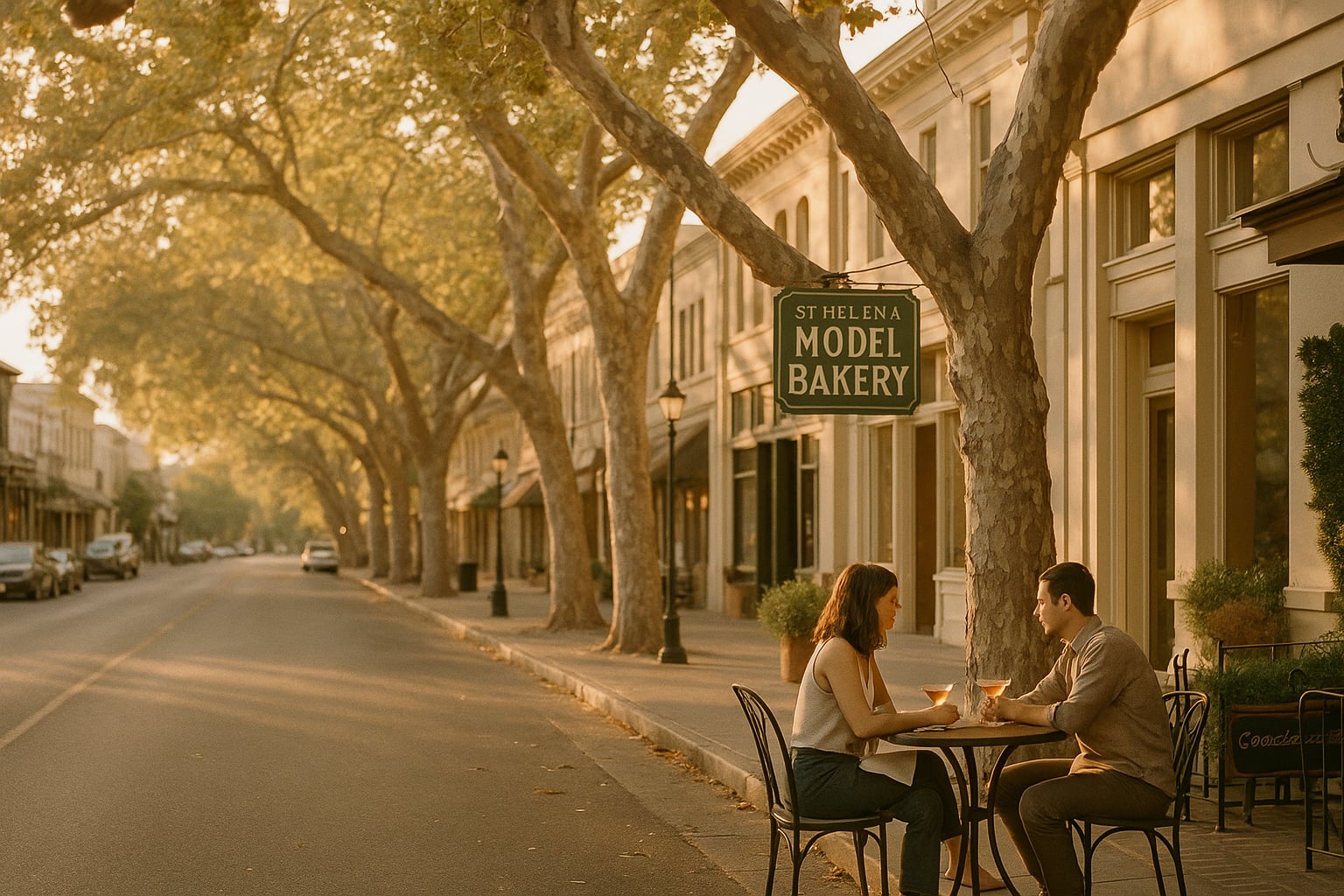
A good room helps. Not because atmosphere substitutes for connection, but because the right environment lowers the friction. Softer lighting, slower service, a wine list that requires a conversation. These things invite you to slow down.
The corner table at a place like Bouchon in Yountville, or a longer afternoon at Solage with a mineral pool and nowhere to be — these aren't just nice experiences. They're containers. They hold the evening in a shape that makes intimacy easier.
Choose your container deliberately. A loud, fast restaurant is a different kind of night than a quiet one with a two-hour pace. Know which one you need.
The Phone Question
Yes, this again. Because it keeps being relevant.
Face-down isn't off. Face-down still buzzes. Still catches your peripheral vision. Still splits you in two. The experiment worth trying — and we've written about it specifically — is leaving it in your coat pocket or bag for the first 90 minutes. Not as a rule. As a commitment you both make, briefly, at the start of the night.
The shift is more noticeable than you'd expect. Something settles.
What Makes It Mean Business
It's not the price of the meal or the name of the chef. It's the decision, made in advance, that this night is going to count. That you're going to arrive present, dressed with care, carrying something real to offer the person across from you.
It's the moment at the end of the pre-date shower when you pause — steam still in the air, towel around your waist, oil on your hands — and decide to actually be there tonight. Not performing presence. Actually in it.
That decision, made alone, before the night starts, is the most intimate thing you can do.
The Short Version
How do I make a date feel more intentional? Treat the hour before it the way you'd treat preparation for something that matters. Transition out of the day, get dressed with actual attention, bring one real question, and decide in advance that you're going to be present.
What's the difference between a good date and a great one? Usually internal, not external. The restaurant is secondary. Whether you both arrived actually ready to be there — that's the thing.
Is it weird to prepare for a date when you're already in a relationship? It's the opposite of weird. It's the thing long-term couples stop doing. The ones who keep doing it tend to have noticeably better nights.