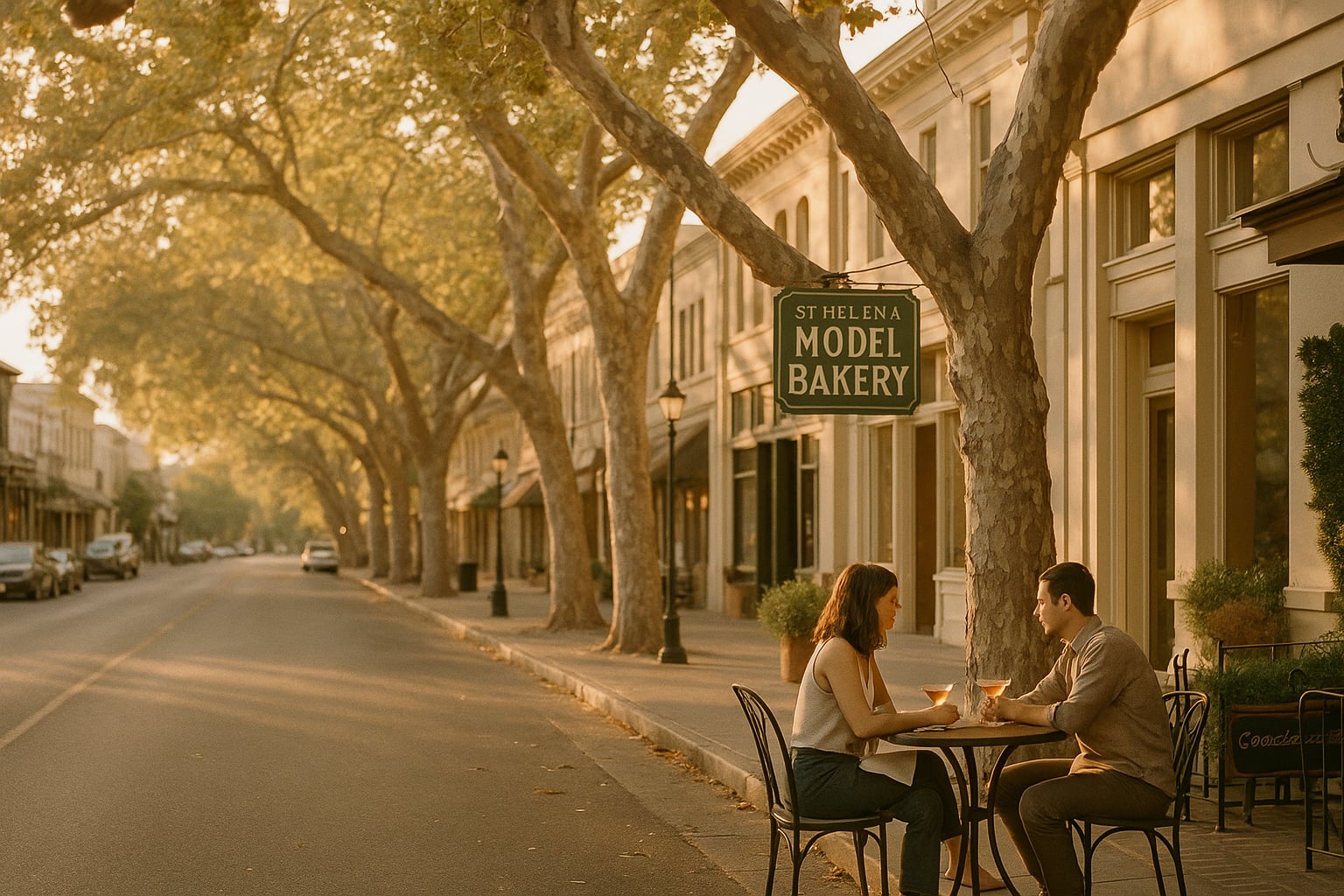
You've sat across from this person at a hundred tables. You know how they order. You know they'll deliberate too long over the wine and then pick the second-cheapest bottle. You know what they'll say about the bread.
The reservation is real. The table is good. The problem is you're both going to arrive already knowing how this goes.
That's not a complaint about the relationship. It's just what happens when two people become genuinely familiar. Familiarity is the whole point — and also the thing that quietly drains the voltage out of an evening.
There's a fix, but it's not a question list. Those exist everywhere and they're fine in the way that a perfectly adequate dinner is fine. You eat it and feel nothing.
What Actually Disrupts Autopilot
The difference between a question and a provocation is specificity. A question opens a door. A provocation hands you something uncomfortable to hold and asks what you're going to do with it.
What do you value? is a question. Name something you used to be certain about that you're not certain about anymore — that's a provocation. One produces an answer. The other produces a person.
The goal isn't depth for the sake of depth. It's disruption. You want to arrive at the table already slightly off-balance — in the best way. Already curious about the person sitting down across from you.
The Provocation Has Rules
It can't be about the relationship. That's a trap. The moment it becomes us-focused, it slides into a check-in, and a check-in is fine for a Tuesday but it's not dinner.
It has to ask something the other person actually has to think about. If they can answer in under four seconds, you picked the wrong prompt.
It should have some tension in it. Not conflict — tension. The kind that makes you look at someone and realize you genuinely don't know what they're going to say.
Five That Work (And Why They Work)
1. The Version You Almost Became
Describe the person you were on track to become at 24 — and whether you're relieved or a little sad they didn't make it.
This one produces grief and pride at the same time, which is exactly the emotional register that makes a conversation interesting. You'll hear things about their twenties you didn't know. They'll probably surprise themselves.
2. The Thing You Haven't Changed Your Mind About
What's something everyone around you has shifted on — and you haven't? You're not sure if that makes you right or just stuck.
This one has teeth because it requires honesty about stubbornness without calling it that. Most people have at least one thing. Getting them to name it takes the dinner somewhere real.
3. The Room You Still Think About
There's a specific place you've been — a room, a city, a table — that you think about more than makes any logical sense. What is it and why do you think it stuck?
This one is deceptively intimate. People answer it with places that contain old versions of themselves, old longing, old fear. The room is never just a room.
4. The Desire That Feels Embarrassing
Name something you want — not need, want — that you haven't said out loud because it sounds too small or too much.
This one works at a dinner table because of the wine and the candlelight and the slight remove of a restaurant. It's easier to say certain things when you're not at home. It also has a way of crossing into territory that makes the drive home interesting.
5. The Thing You're Performing
What's one version of yourself you're still performing — at work, with your family, with people who knew you before — that you're tired of maintaining?
This gets at identity without being therapy. It's about the gap between who people actually are and who they're still pretending to be in specific rooms. That gap is interesting. Most people haven't been asked to locate it.
The Logistics Actually Matter
Send it by text, an hour before. Not face to face. Not at the table. The lag time is part of it — you want them to be sitting with it in the Uber or in the mirror while they're getting dressed. You want it to already be working before the appetizers arrive.
Pick a place that gives you room. This isn't a counter-service conversation. You want low light, a table that isn't crammed against another one, a pace that doesn't rush you. A back corner at Barniva in Healdsburg. A booth where nobody can hear you. Somewhere you can let the evening go a little long.
Don't bring the prompt up immediately. Order first. Let things settle. Then: So I've been thinking about what you sent me. That's the only framing you need.
What This Isn't
It's not a relationship audit. It's not conflict resolution over nicer food. It's not performance. You're not trying to have The Meaningful Dinner — that pressure ruins it immediately.
You're just introducing a small amount of genuine uncertainty into a situation that's become too predictable. That's all. Sometimes the conversation veers off the prompt entirely and you end up somewhere neither of you expected. That's the point.
The reservation was always just a container. You're deciding what to put in it.
The best dinners aren't planned. They're disrupted.
— Modern Love Living
The Morning After a Good Dinner
You'll know it worked because the conversation doesn't end when you leave the restaurant. It follows you home in the car, into the kitchen, into bed. One of you says something in the dark that you wouldn't have said otherwise.
That's what the preparation was for. Not the dinner. The thing the dinner opens into.