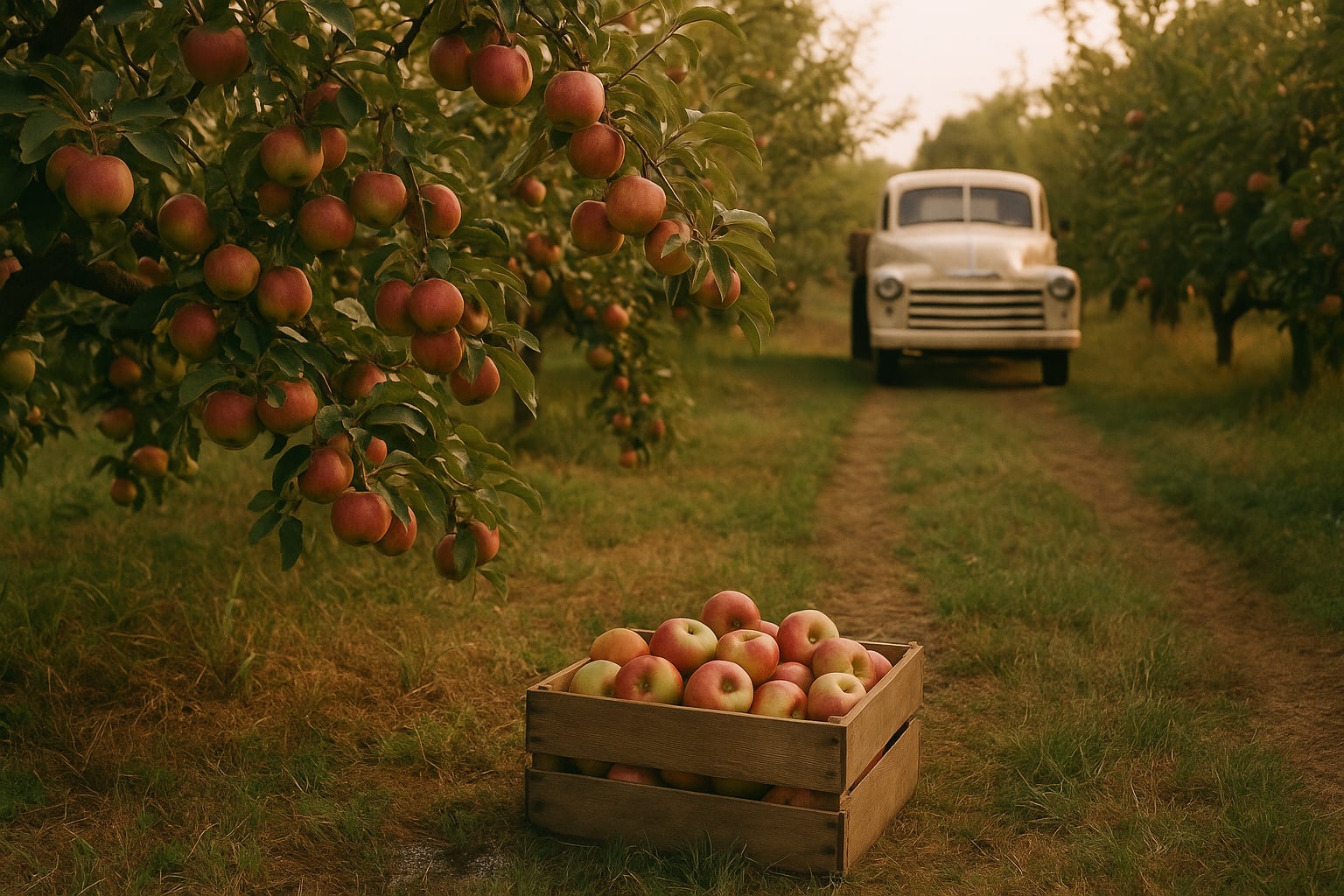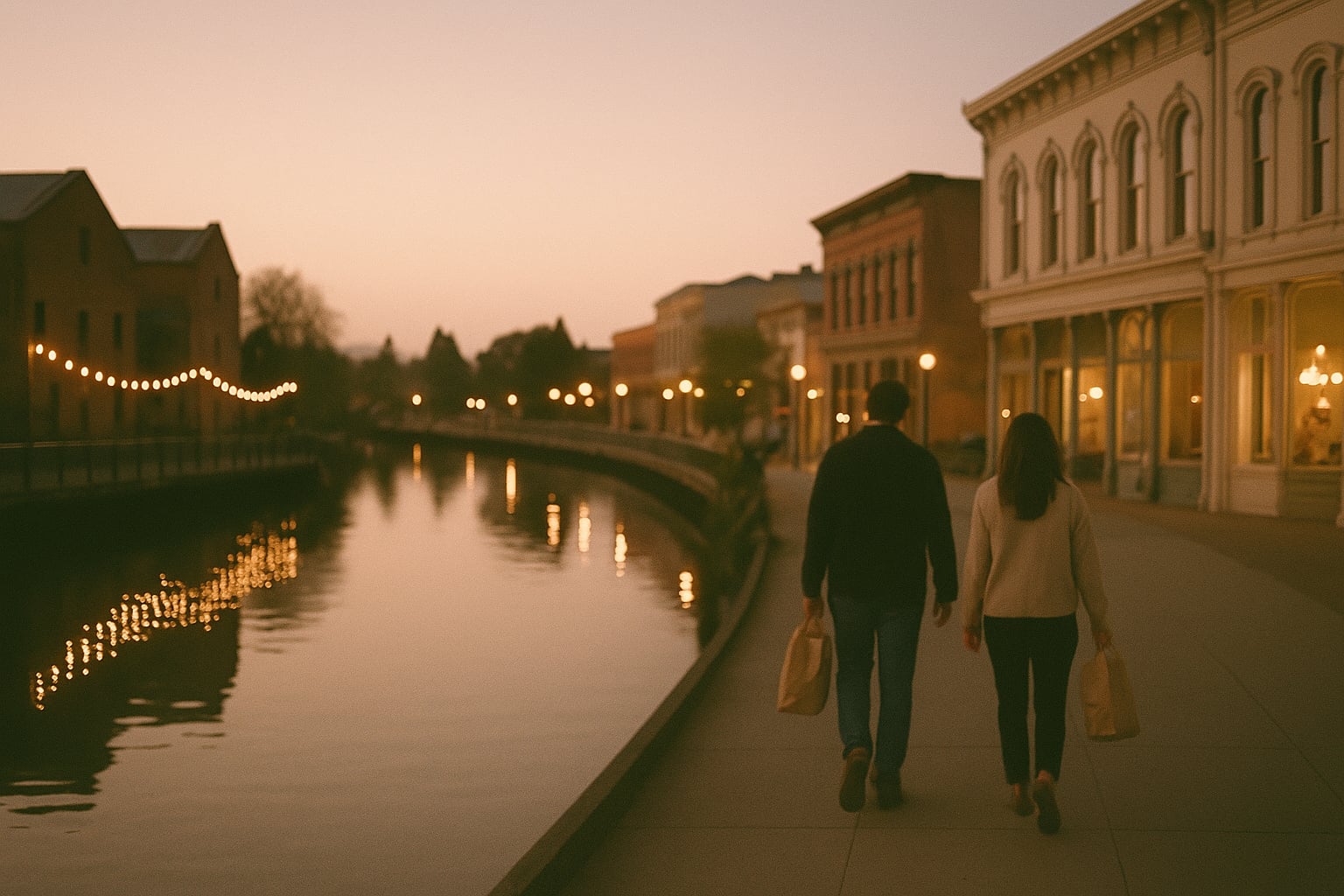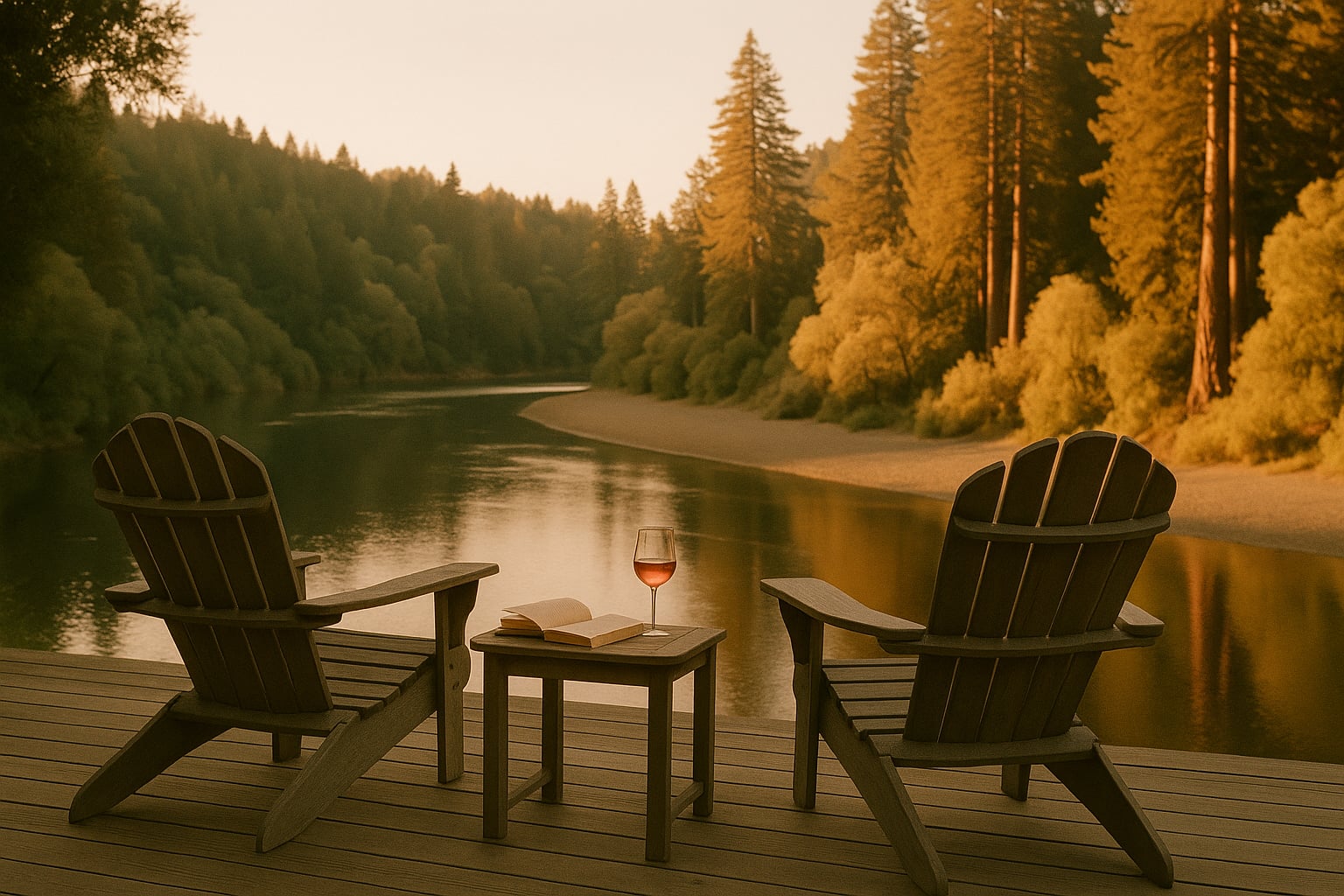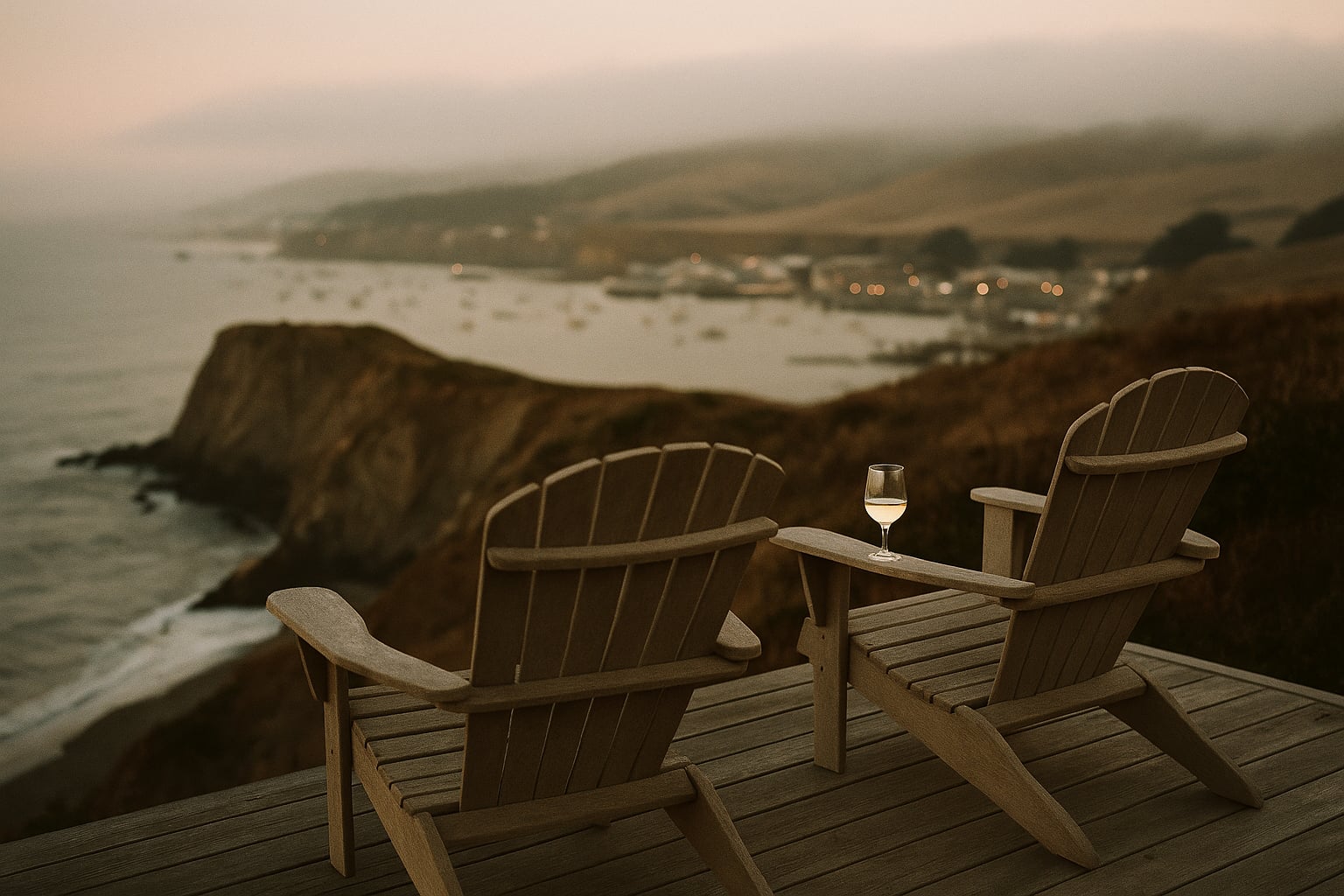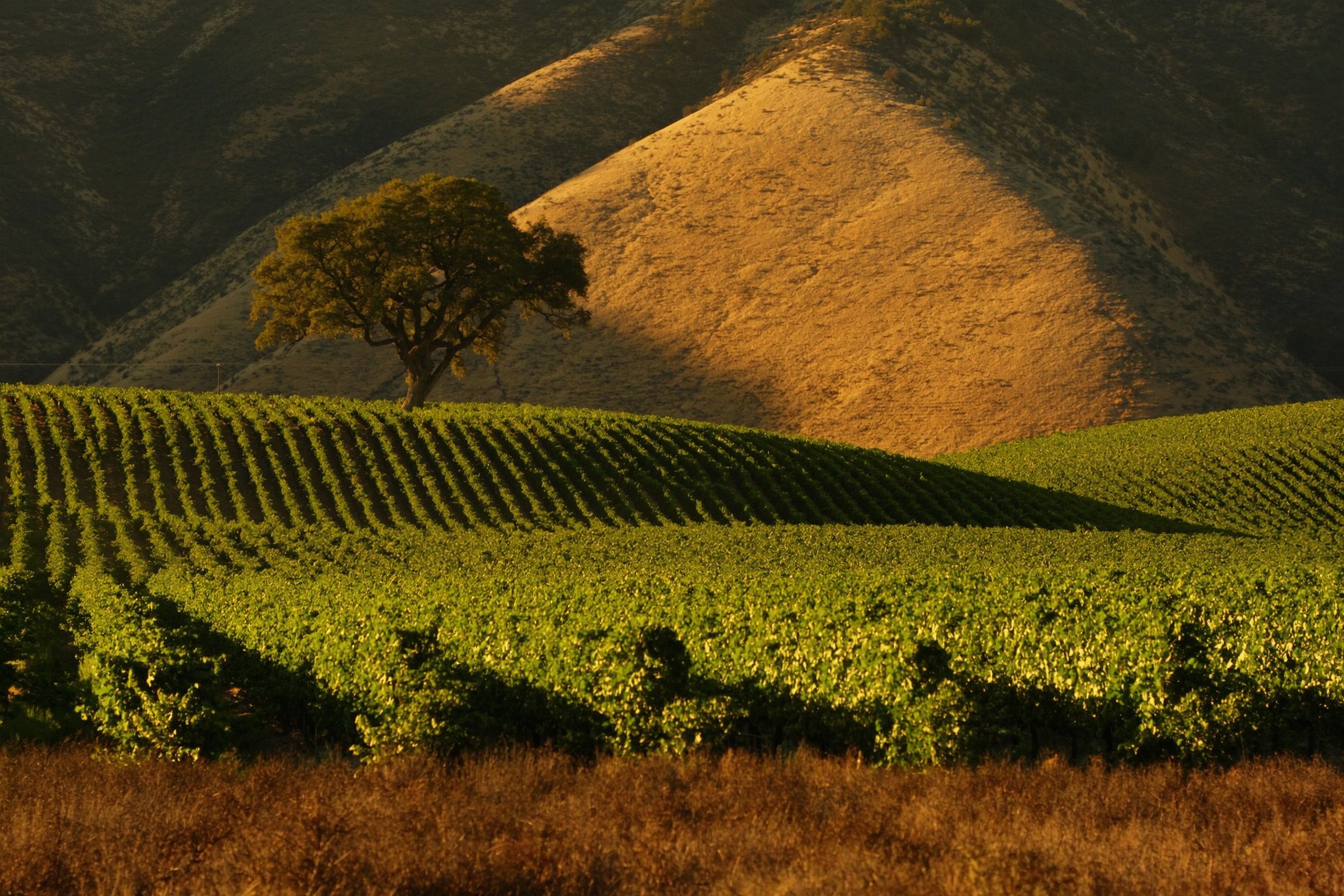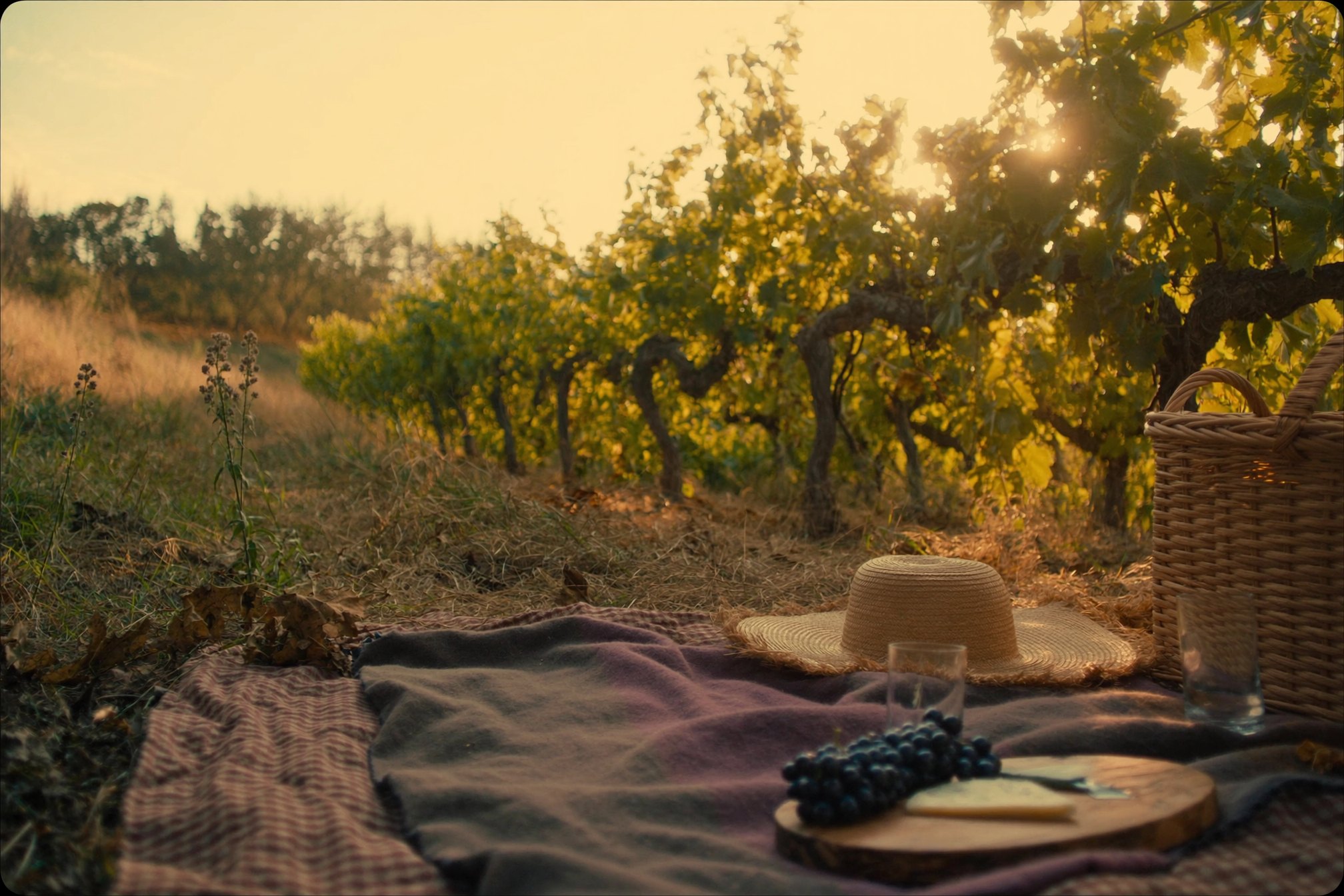
Everyone has the same picture in their head. A blanket somewhere golden. A bottle of something good. That particular afternoon light that Napa does in late summer when everything looks slightly unreal. And then they actually try to do it — and spend two hours driving, eat lukewarm brie in a parking-adjacent field, and drink a wine that was fine but not that.
The fantasy is real. The execution is just under-planned. Here's what actually makes the afternoon work.
Start in Healdsburg, Not Napa
This is the first course correction most people need. The city of Napa is a long drive from the best scenery. Yountville is gorgeous but crowded. If you want the version that feels effortless, build your day around Healdsburg.
The plaza has everything within a three-block radius: Shed for provisions, Oakville Grocery for grab-and-go that actually impresses, wine shops where someone will help you pick something specific without condescension. Park once. Walk. Buy things slowly.
That unhurried shopping hour is the first part of the date. Don't skip it by ordering everything online.
What to Actually Buy
The mistake is ambition. Charcuterie boards photograph well and eat badly outdoors — too many components, everything either melting or sliding. Instead: one excellent hard cheese, one soft cheese you eat fast, good crackers (not too crumbly), something briny like cornichons or olives, fruit that travels, and bread that doesn't require slicing.
Add one thing that feels indulgent and specific to the place. At Shed it might be a small jar of something local. At Oakville it's the good prosciutto, sliced to order. That one specific thing is what you'll actually remember.
For the wine: one bottle, not two. Choose it for the afternoon temperature, not the dinner pairing in your head. A slightly chilled Zinfandel rosé from Dry Creek. A skin-contact white that tastes like the valley smells. Ask someone who works in the shop. Tell them you're sitting outside in the heat. They'll know.
The Part Everyone Forgets: Cold
Warm wine ruins the afternoon. Not gradually — immediately. All the planning evaporates the second someone takes a sip and says oh, it's warm.
Bring an insulated bag. Use ice, not freezer packs — freezer packs give out. Wrap the bottle in a wet kitchen towel inside the bag and it'll hold temperature for two hours even in direct sun. This is unglamorous information that will save the entire day.
Two proper wine glasses, not stemless tumblers. The weight of a real glass in your hand changes how it feels to sit somewhere beautiful with someone you want to be there with. The detail matters.
Where to Actually Sit
Most wineries with official picnic grounds are fine. A few are genuinely good. Jordan Winery has grounds you can use if you're a wine club member. Benziger feels pastoral in a way that doesn't feel produced. Preston Farm and Winery is loose and unhurried and pours you something at a table outside if you want it.
But the real answer — the one that earns the fantasy — is finding a spot that isn't a designated picnic area. A pull-off on Westside Road where vineyards run down to the river. A gap in the fence (you'll see it) near the dry creek bed where the light comes through oak trees at about 3 p.m. and does something specific to the air.
You need a blanket thick enough to matter, and you need to commit to staying. Not twenty minutes. At least ninety. Long enough that you stop checking your phone because there genuinely isn't anything better to do.
The best version of this afternoon always takes longer than you planned. That's the point.
— MLL
Pacing It Right
Most couples rush the food because they're nervous about the silence. Don't. Eat slowly. Pour once, let the glasses sit. Talk about what you're tasting rather than what's happening at work.
There's a specific quality of afternoon in wine country — heat plus stillness plus the faint smell of warm earth and something fermenting somewhere nearby — that creates a particular looseness in people. You don't need to engineer the mood. You just need to stop interrupting it.
Put the phones face-down early. Not as a rule. Just set yours down and see what happens. This connects directly to something we explored in The Phone-Free Dinner — absence isn't the discipline, presence is the reward.
What Comes After
The afternoon has a natural arc if you let it. Food, wine, talking, less talking, the particular comfort of lying somewhere warm next to someone you like. Don't schedule dinner immediately after. Leave a gap.
If you're staying overnight — and the picnic earns a night if you can swing it — Indian Springs in Calistoga makes sense. The mineral pools at dusk after a day in the sun are not subtle about what they're doing for you. The warmth gets into your shoulders. Everything that was slightly tense two days ago stops being interesting.
Solage is the more polished version of the same idea. Still Calistoga, still the geothermal pools, but with the kind of room that has a soaking tub and a serious bed. What you do with those two things together is your business.
The Actual Secret
The picnic earns its reputation when you stop trying to make it look like the picture and start letting it feel like the day. The picture is never the part people remember anyway.
What they remember is: the wine being colder than expected, the light doing something strange through the trees, the feeling of actual leisure — not performed relaxation, but the real version where time stops feeling scarce.
And the drive back, windows down, slightly sun-drunk, not talking much but not needing to. That's the thing. That's what all the logistics are actually for.