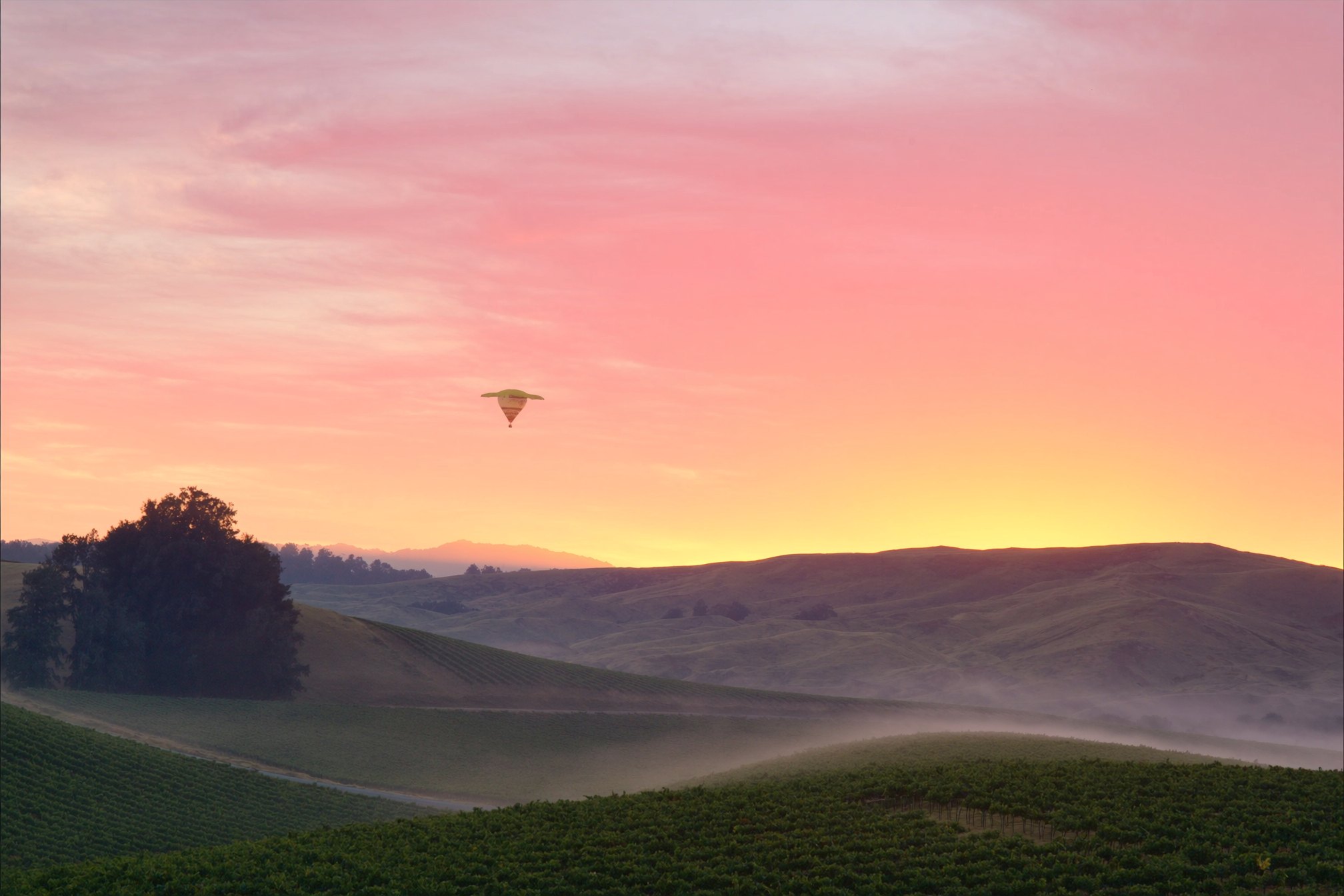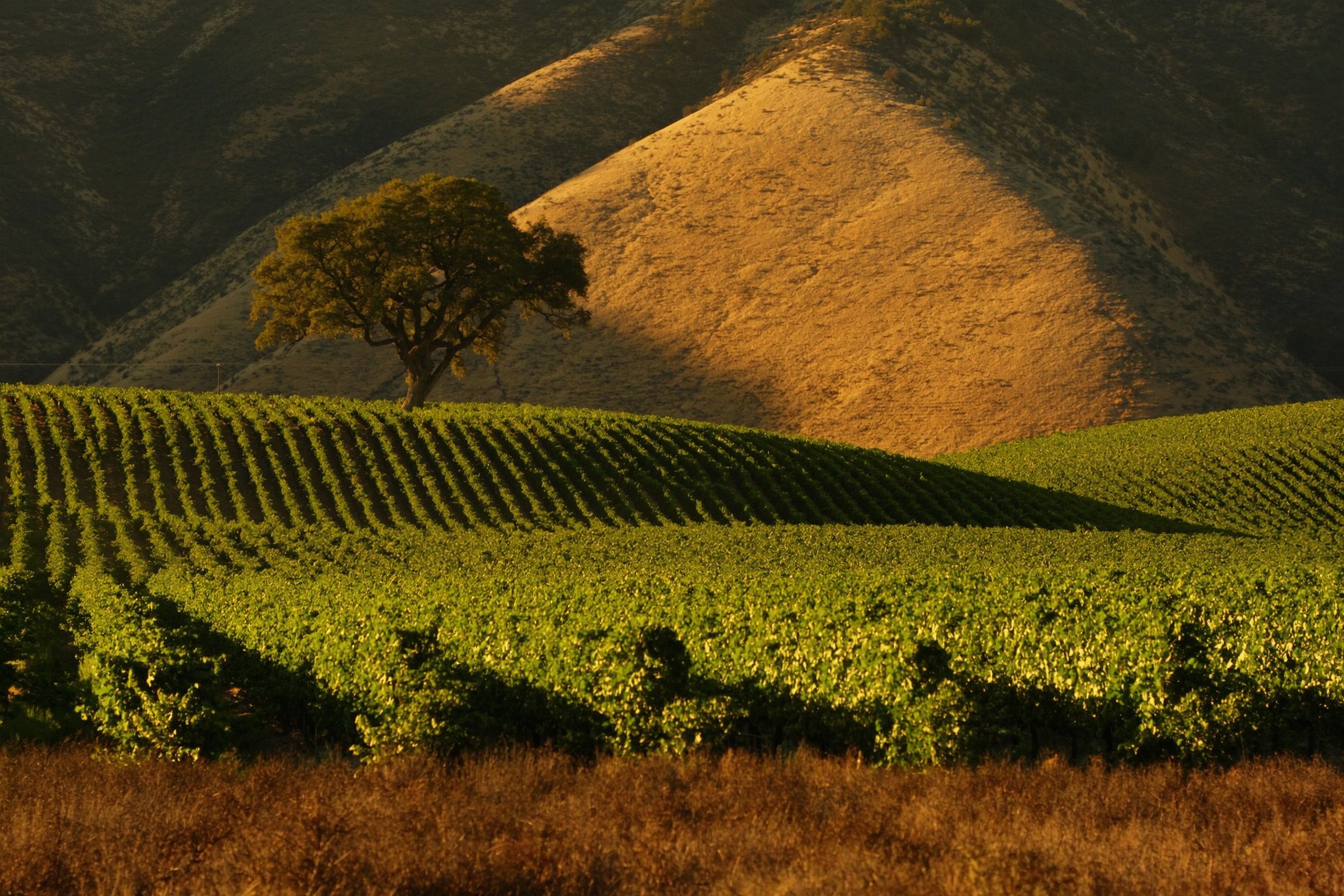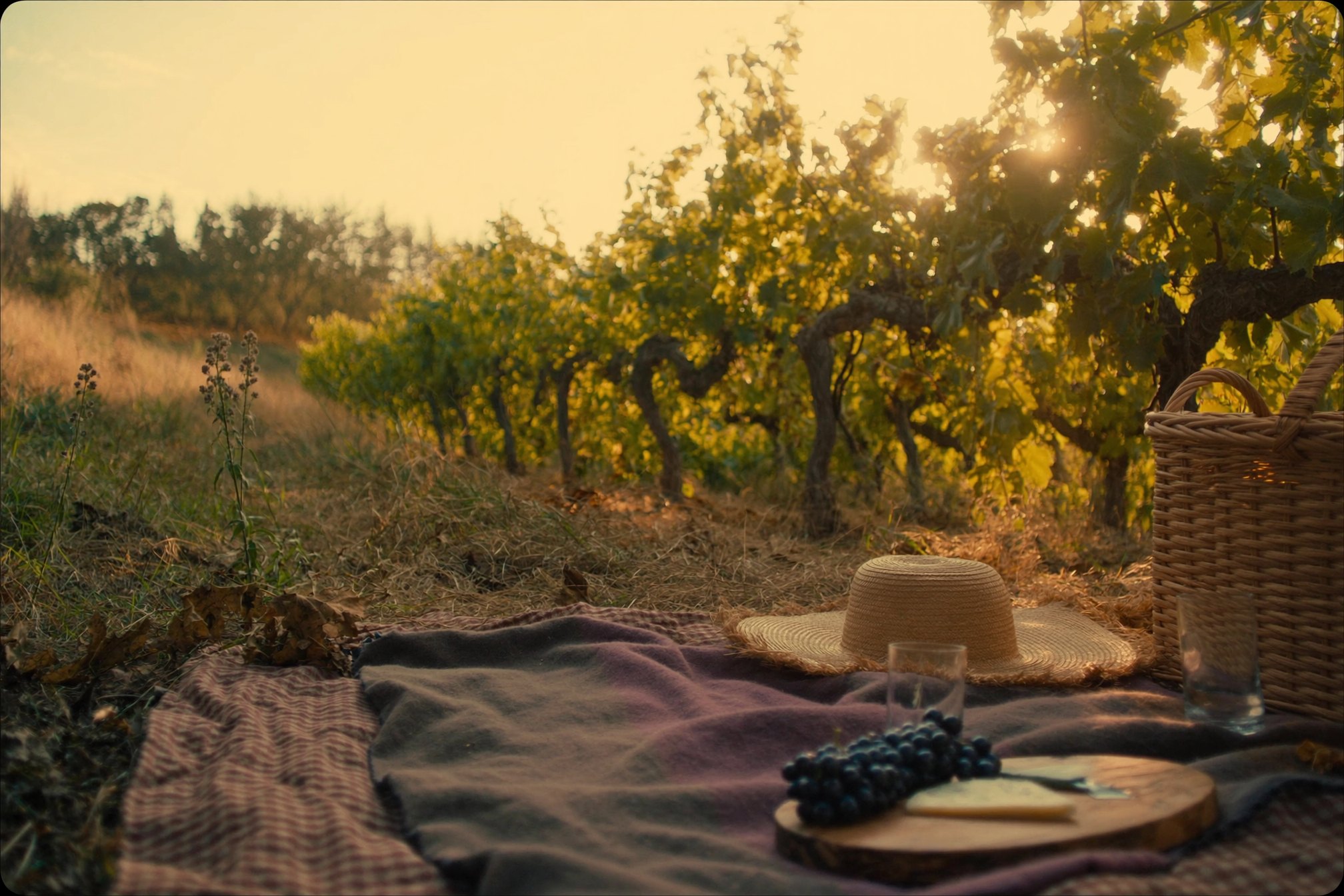
Everyone has seen the photo. Golden vines, late afternoon light, two people holding glasses and squinting in the best possible way. That photo is taken in October. It is also taken by approximately forty thousand other couples that same weekend, at the same winery, from the same gravel overlook.
January looks different. The vines are bare. The light is flat and silver. The tasting room has four people in it, including the two of you. The person pouring actually wants to talk.
This is the version of Sonoma worth taking seriously.
What Off-Season Actually Means Here
Off-season in wine country isn't a euphemism for bad. It means the infrastructure built for crowds is now pointed entirely at you. Hotels that run near-capacity from May through November have rooms. Good rooms. At rates that don't require a spreadsheet to justify.
Solage in Calistoga, Indian Springs just down the road, the smaller inns lining the Sonoma plaza — all of them have January availability and pricing that feels almost suspicious. It isn't. It's just math. Fixed costs don't disappear in winter. They'd rather fill the room.
The Crowd Problem (And Its Absence)
Here's what nobody tells you about the harvest-season wine country trip: you spend a lot of it in traffic. Parking at Yountville. Waiting for a table. Standing three people deep at a tasting bar, elbowing for the pourer's attention while someone behind you discusses their wine club membership loudly.
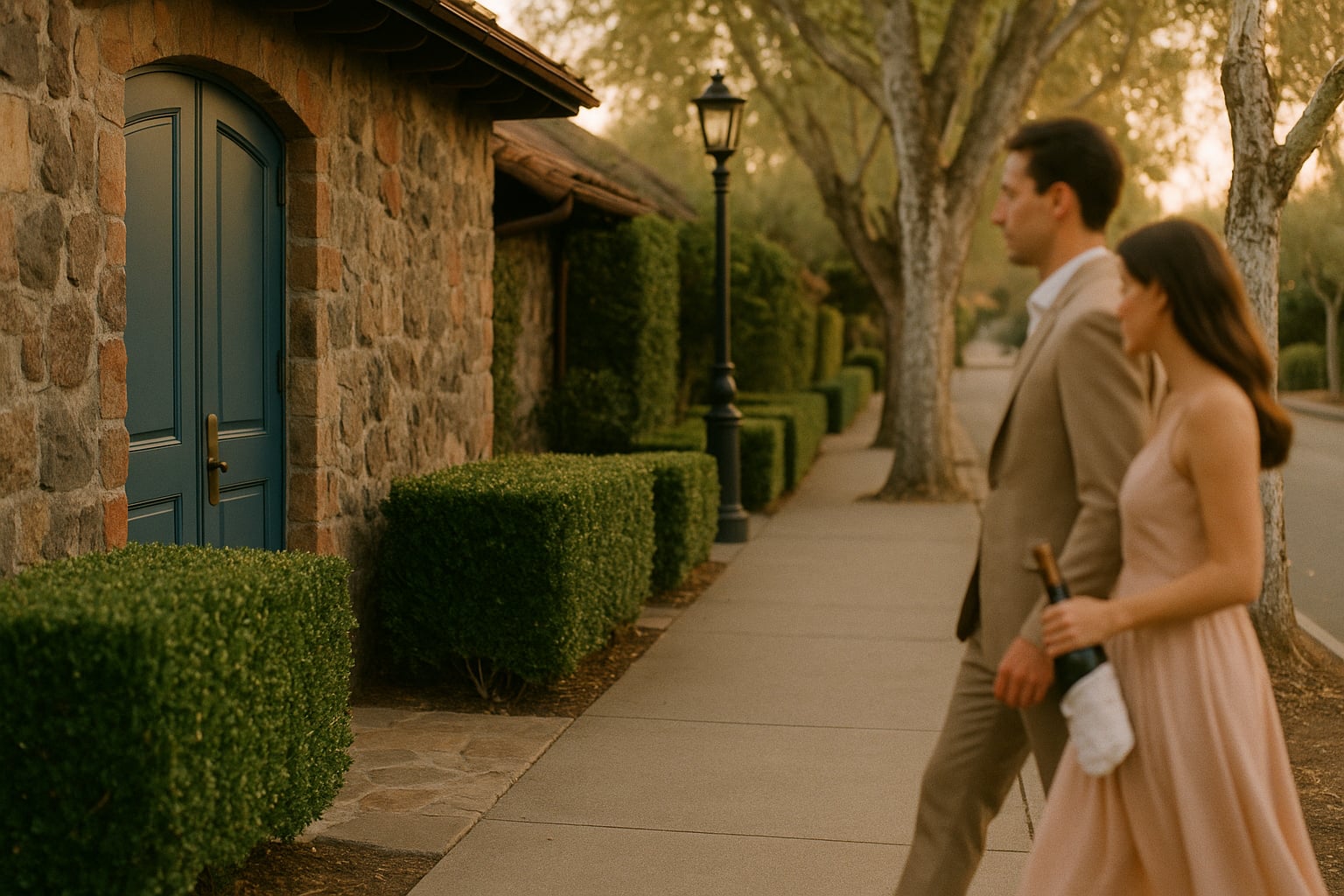
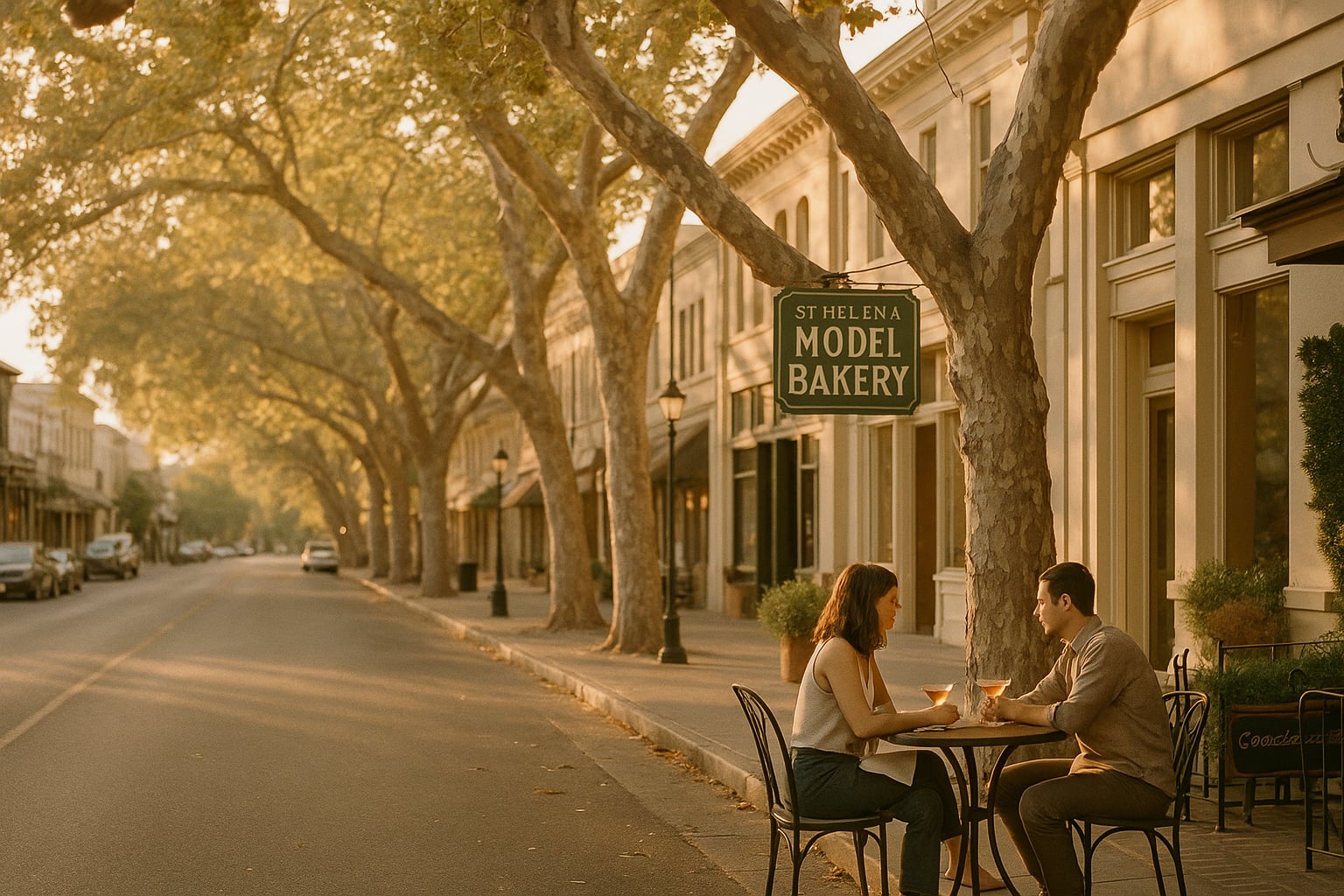
January removes all of that. The Healdsburg plaza at 10 a.m. on a Tuesday is nearly empty. You can actually look at it. It's a genuinely beautiful square. People walk their dogs. A bakery has croissants in the window. Nobody is taking a brand deal photo.
The drive north on Highway 101, then west toward Dry Creek Valley — it moves. No backup at the Geyserville exit. No tour buses parked sideways in the narrow shoulder lanes. Just the road and the stripped-down hills and the kind of quiet that makes it easier to talk.
What the Bare Vines Are Actually Doing
Dormant vines in January look dead if you don't know what you're looking at. They're not. The winemakers know this and most of them, given the chance, will tell you about it at length in a way that's actually interesting.
The previous harvest is in barrels. Some of it is already in bottles. January is when the winery is thinking about the next vintage, which means the conversation in the tasting room is different — less performance, more process. You might taste something unfinished. You might hear an opinion the staff doesn't share in August.
We tell people way more in winter. There's no script to stick to. It's just us and a barrel thief and whatever's interesting that day.
— Overheard, small-production winery, Dry Creek Valley
The Thermal Water Argument
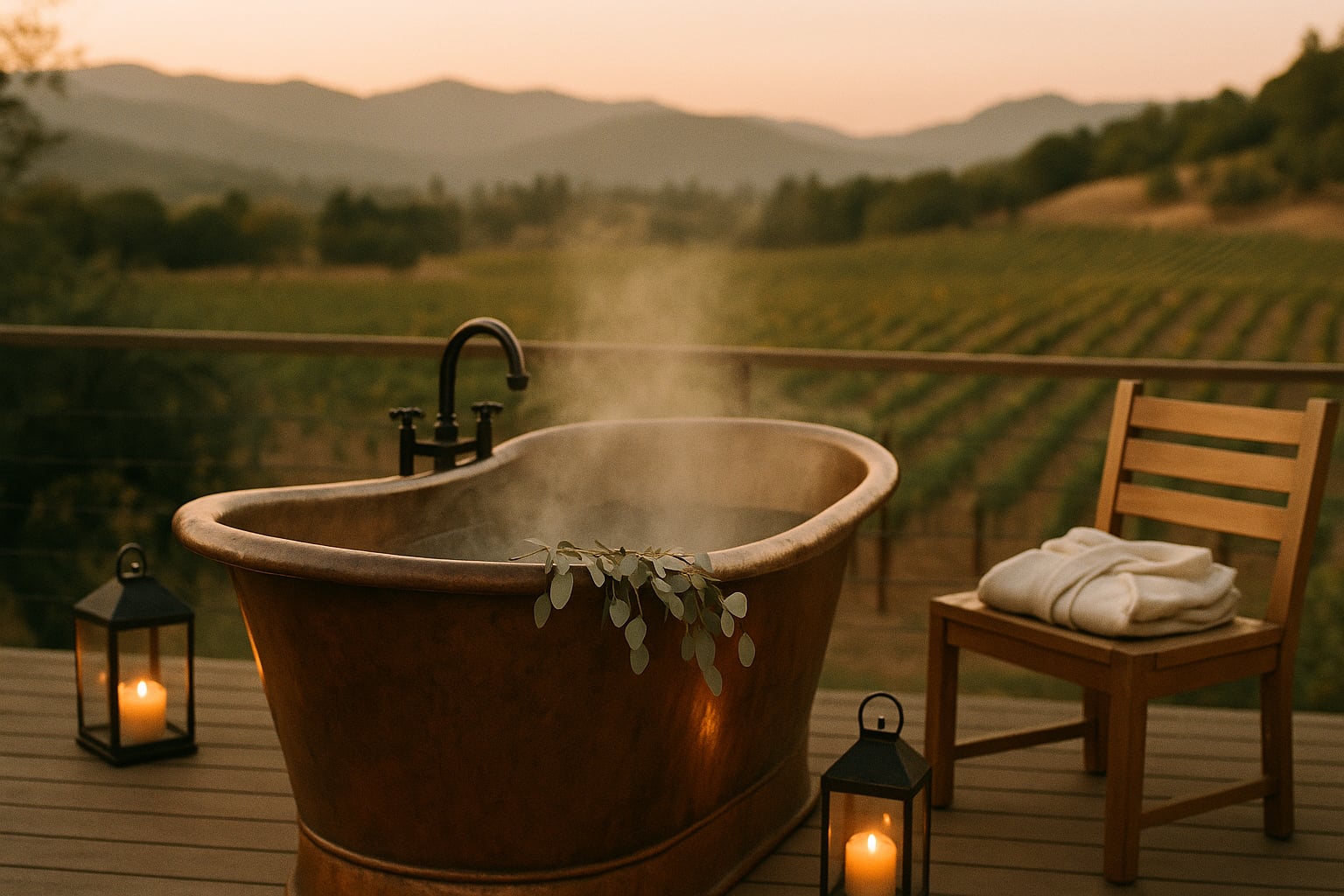
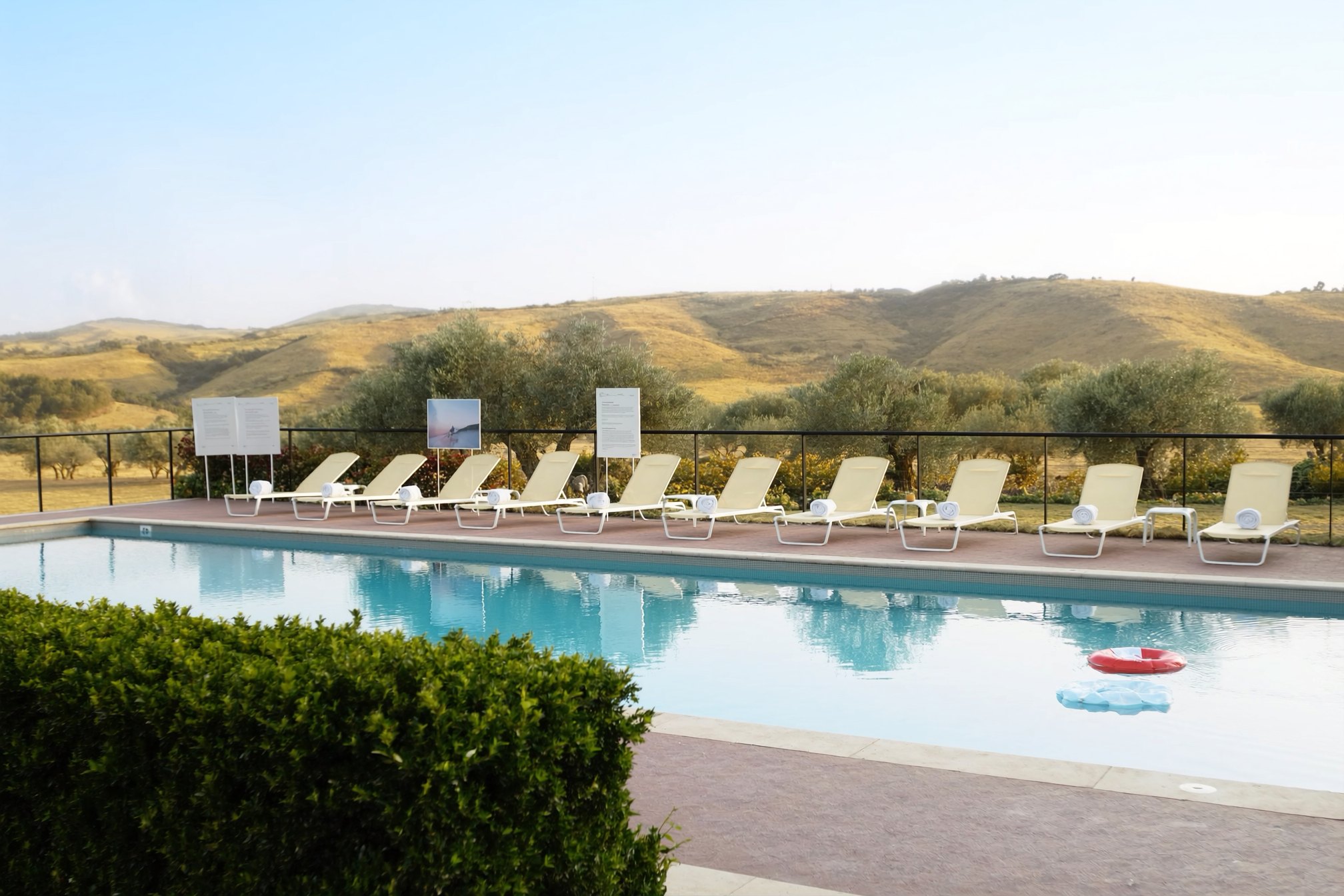
Calistoga sits on geothermal springs. The water comes up hot and it goes into pools, tubs, and baths at places like Indian Springs and Solage. In July, you appreciate this. In January, when the temperature drops to the low 40s overnight and the steam rises off the water against a gray morning sky, it becomes something else entirely.
There's a specific physical memory that happens in cold-air, hot-water situations. The weight of a robe pulled back on. The contrast between the chill on your face and the heat up to your shoulders. Skin that feels different for hours afterward, soft in a way that isn't quite explainable but is very easy to enjoy.
This is not a spa advertisement. It's just what actually happens and why January is better for it than August.
The Slow Dinner Problem (Solved)
Wine country restaurants in peak season are technically excellent and logistically miserable. Reservations made six weeks out. Seatings that expire. The ambient awareness that forty people are waiting for your table.
January dinner in Yountville or Healdsburg or the square in Sonoma is a different proposition. You can sometimes walk in. If you have a reservation, you're not being watched. The pacing is what it's supposed to be: slow, unrushed, the kind of dinner where you actually order dessert because there's nowhere to be.
That dinner — the one where the conversation eventually drifts somewhere real, somewhere you don't get to on a Wednesday at home — requires time and the absence of pressure. January provides both.
What You're Actually Going For
The honest pitch for any wine country weekend isn't the wine. It's the removal of ordinary context. You're not in your apartment. Your to-do list doesn't know your room number. The person across from you is the same person you drove up with, but the setting asks something different of both of you.
January sharpens this. There's no crowd to disappear into and no Instagram moment to manufacture. It's just the two of you in a region that happens to be beautiful even in its dormant state, with nothing particular to accomplish.
That's the setup for the conversations that don't happen at home. The ones that start at dinner and continue in the hot spring and resume the next morning over coffee in bed with the vineyard visible from the window.
A Loose January Blueprint
Drive up Thursday night. Traffic is minimal. Arrive late, have a drink at the hotel bar, go to sleep. This is already better than a Friday arrival in season.
Friday: no itinerary. One winery, preferably small-production, preferably one you can actually talk at. The backroads toward Alexander Valley or the West Dry Creek ridge roads have options that don't require a reservation in January.
Friday night: the slow dinner. Pick somewhere with a fireplace if you can. Spend three hours there. This is the point.
Saturday morning: the thermal water. Indian Springs has a large freshwater pool that stays at 102°F. Go before 9 a.m. The steam-to-cold-air ratio in winter is at its best. Nothing else needs to happen before noon.
Saturday afternoon: the backroad drive. No destination required. The Sonoma backroads in January are wet and green and mostly empty. This is a different landscape than what's in the photos and it's worth seeing.
The One Thing to Pack
Leave the good camera at home. Not as a rule — just as an experiment. The pressure to document a trip is the pressure to perform it, and January Sonoma doesn't photograph the way the algorithm rewards anyway.
What it does is exist quietly, for you specifically, with no competition for your attention. That's rarer than a harvest sunset. It's worth protecting.