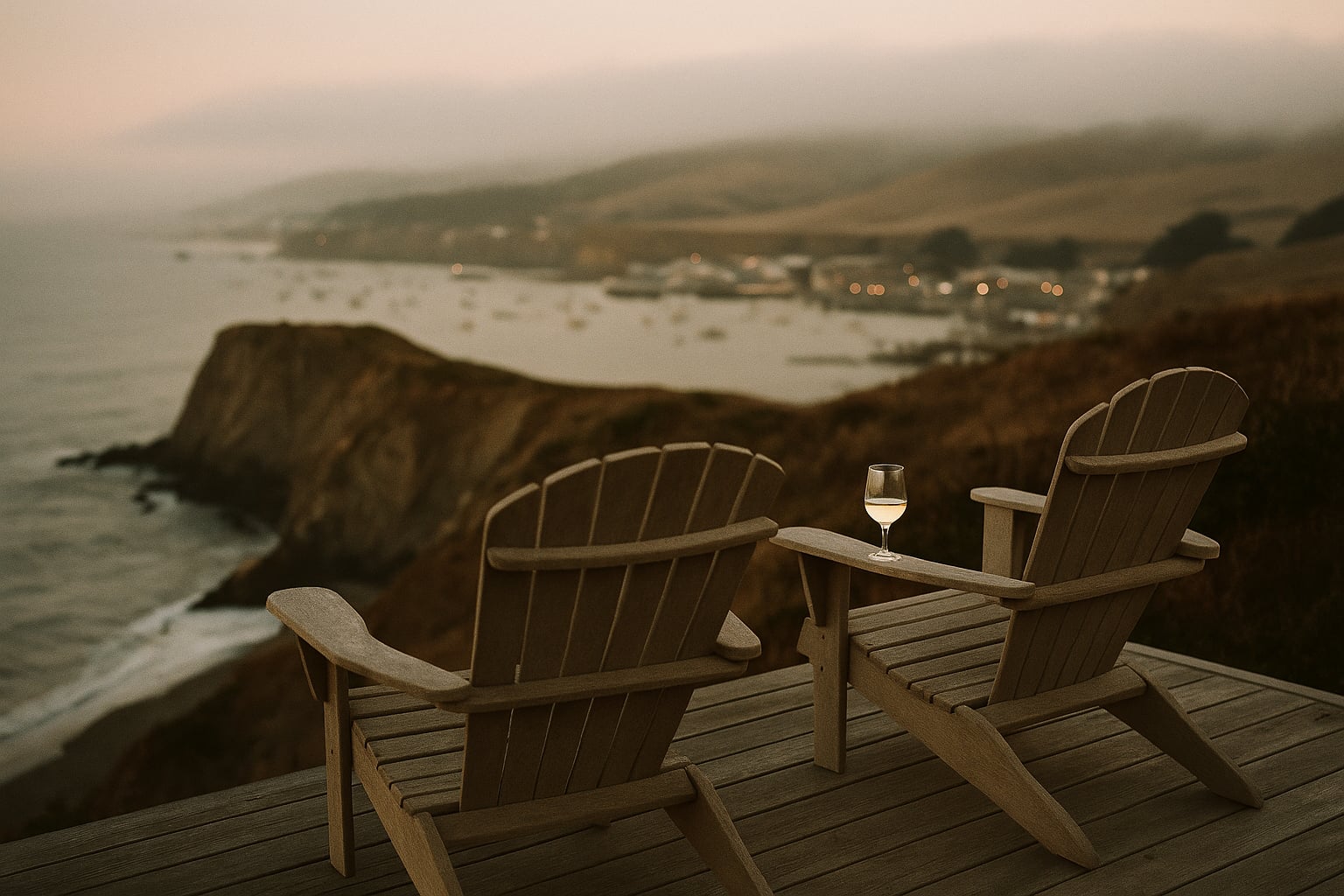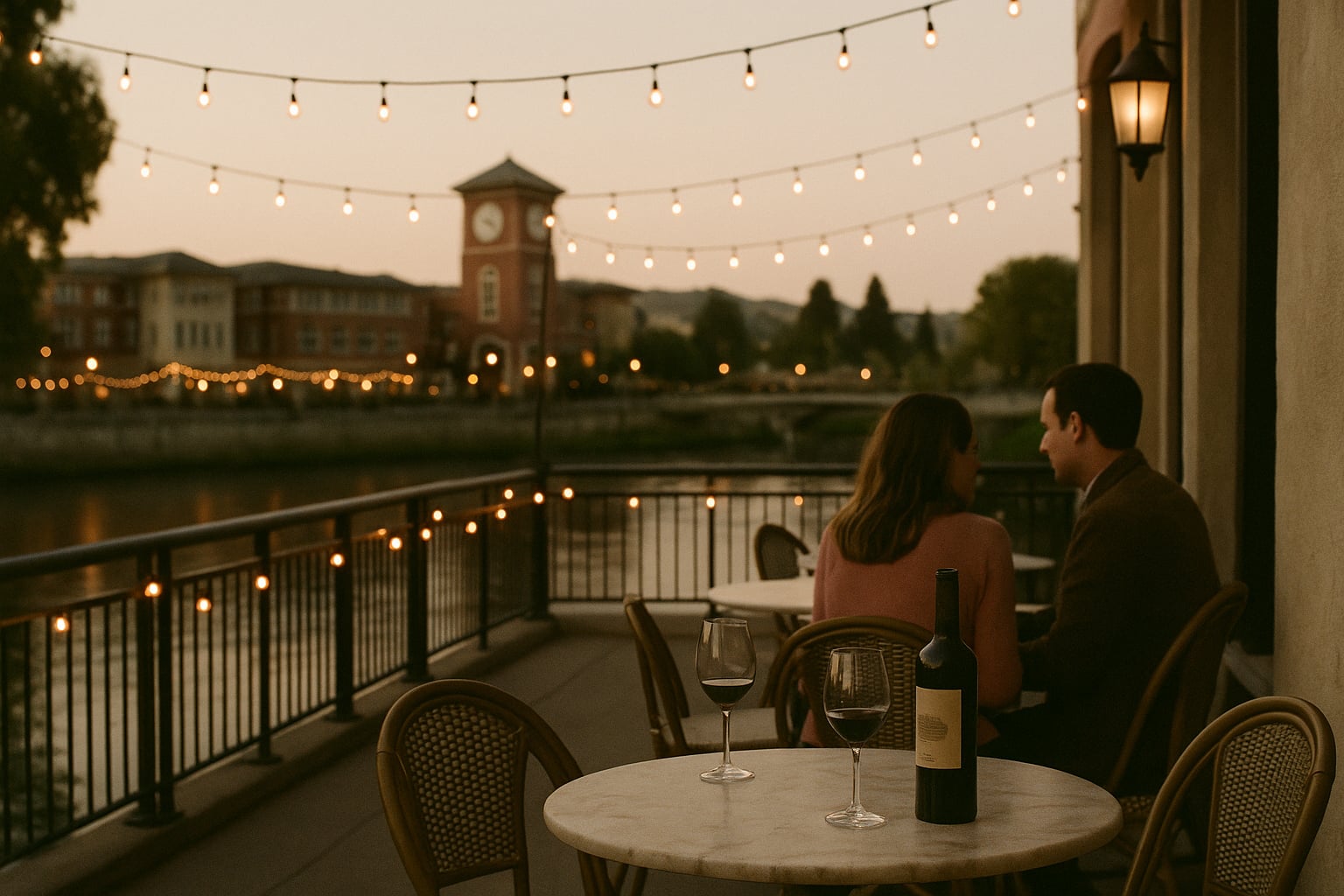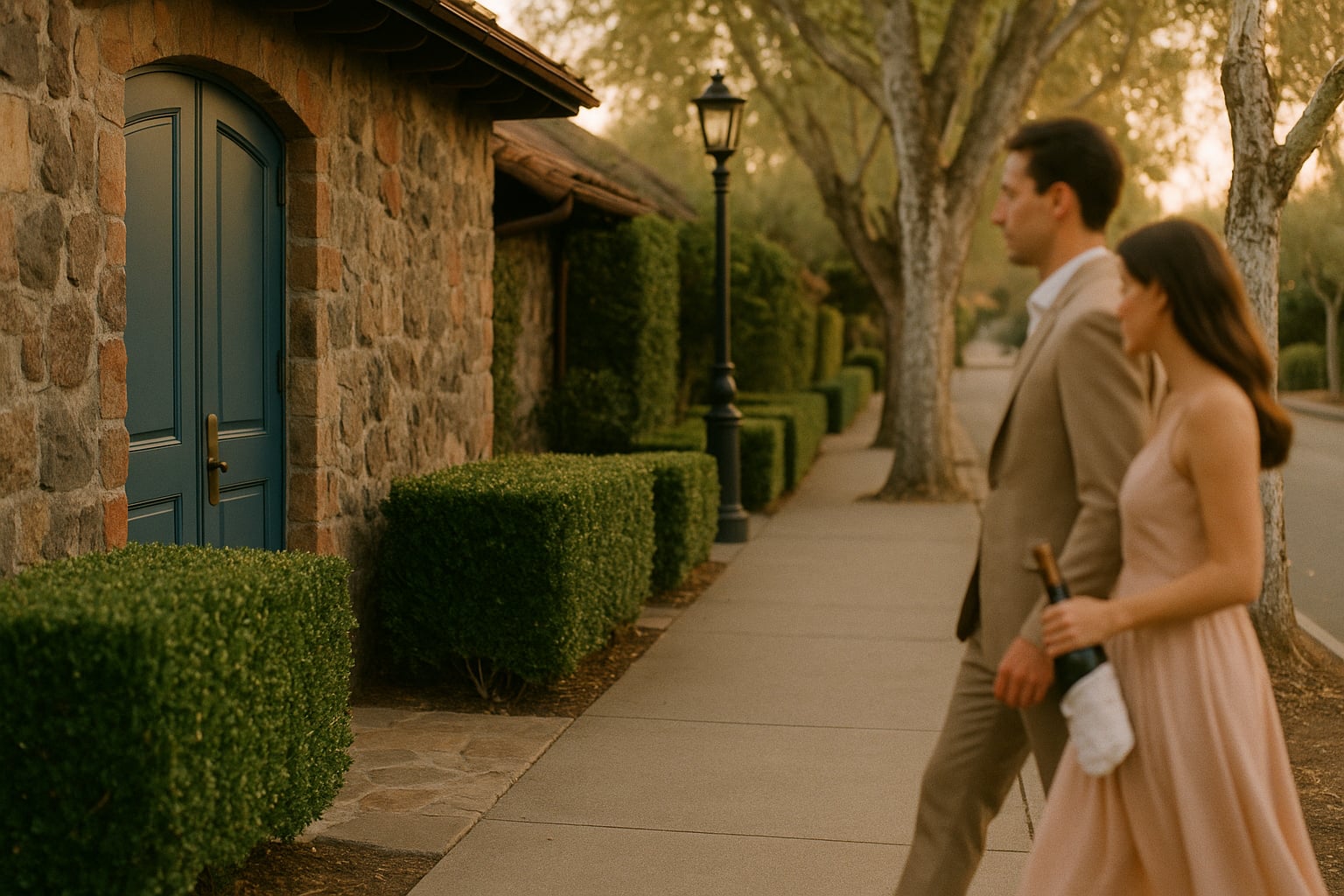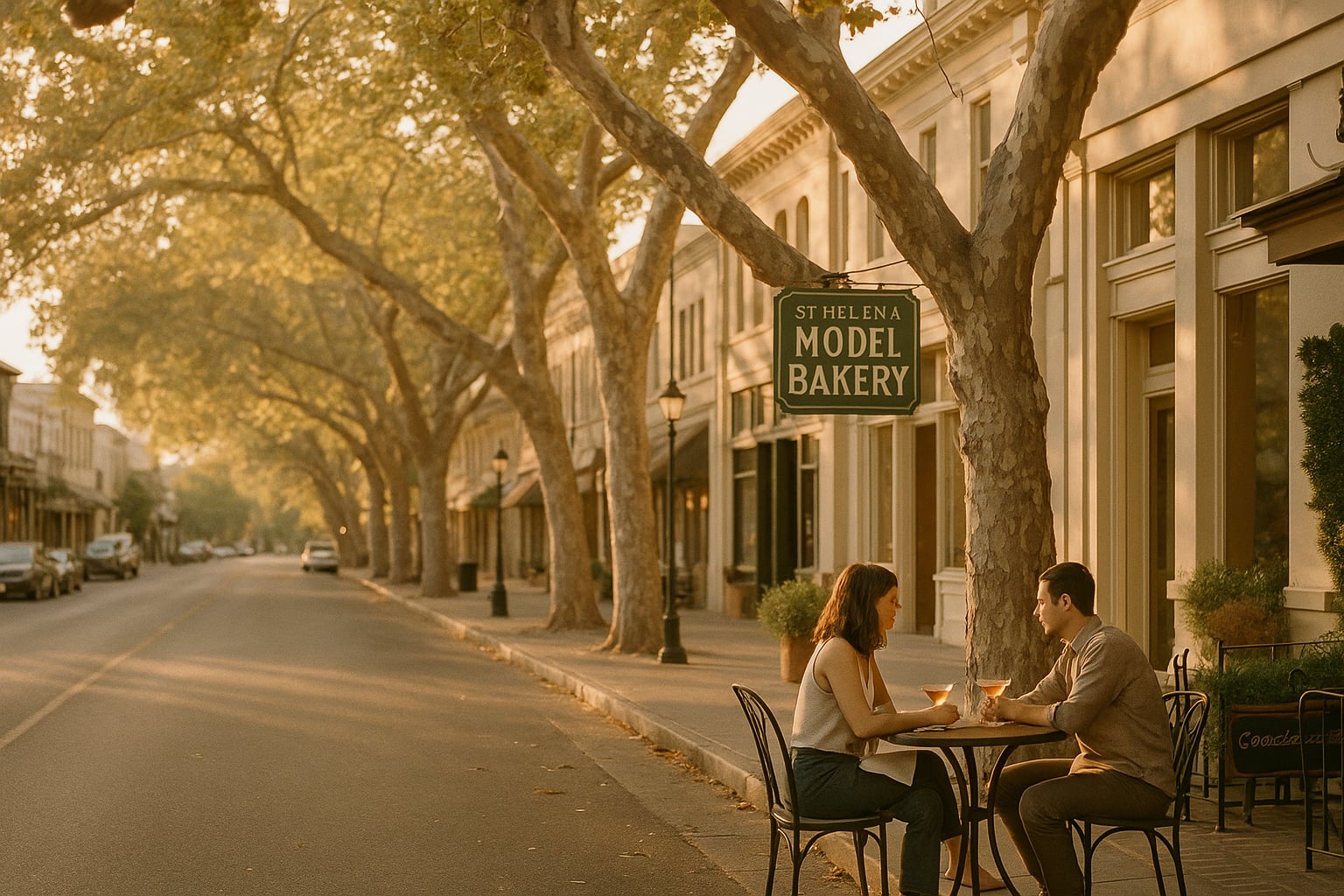
There is a bottle in your house right now that you are not drinking. You know the one. A 2019 Napa Cab someone gave you for your birthday. A Burgundy you picked up at a small producer in Yountville and felt genuinely smug about. A ridiculously good rosé from a tasting room on the Westside Road that you said you'd open "when something happened."
Nothing has happened. Or everything has happened, just not the version that felt official enough to warrant the good stuff.
This is the trap. You've turned a bottle of wine into a performance review. And you keep failing the performance review because Tuesday doesn't look like the label deserves.
Why We Hoard the Good Bottle
Saving something precious for the future is just anxiety wearing the mask of sentimentality. We tell ourselves we're being intentional. We're actually waiting for permission — permission from a circumstance we've outsourced to the calendar.
Anniversaries. Promotions. Someone visiting from far away. The night after a hard thing finally resolves. We have decided, quietly and without realizing it, that ordinary nights don't deserve extraordinary things.
The wine in the rack is not a reward. It was always the point.
The bottle you're saving is slowly oxidizing inside its own mythology.
— MLL
The Occasion You're Waiting For Doesn't Exist
Here's what actually happens on big nights: you're tired, or someone is stressed, or dinner ran long, or the kids were difficult until nine, and by the time everything is quiet you open whatever is closest. The special bottle stays special. It stays in the rack. It becomes a monument to the night you almost had.
The good wine never gets opened at the big moments. It gets opened on a Wednesday in October when one of you says, forget it, let's just open the thing. And that becomes the best night of the year.
How to Build an Evening Worthy of the Bottle
This is not a guide to throwing a dinner party. It's a guide to making an ordinary night feel like it earns the label.
Start with the logistics, not the mood
Pick a night this week. Not a special night. Just a night where you're both home and nothing is scheduled after eight. Put it in the calendar the way you'd put a dentist appointment — with that same commitment to not canceling.
Mood follows structure. You don't feel your way into a good evening; you arrange it and let the feeling arrive.
Set the table, even if it's just the two of you
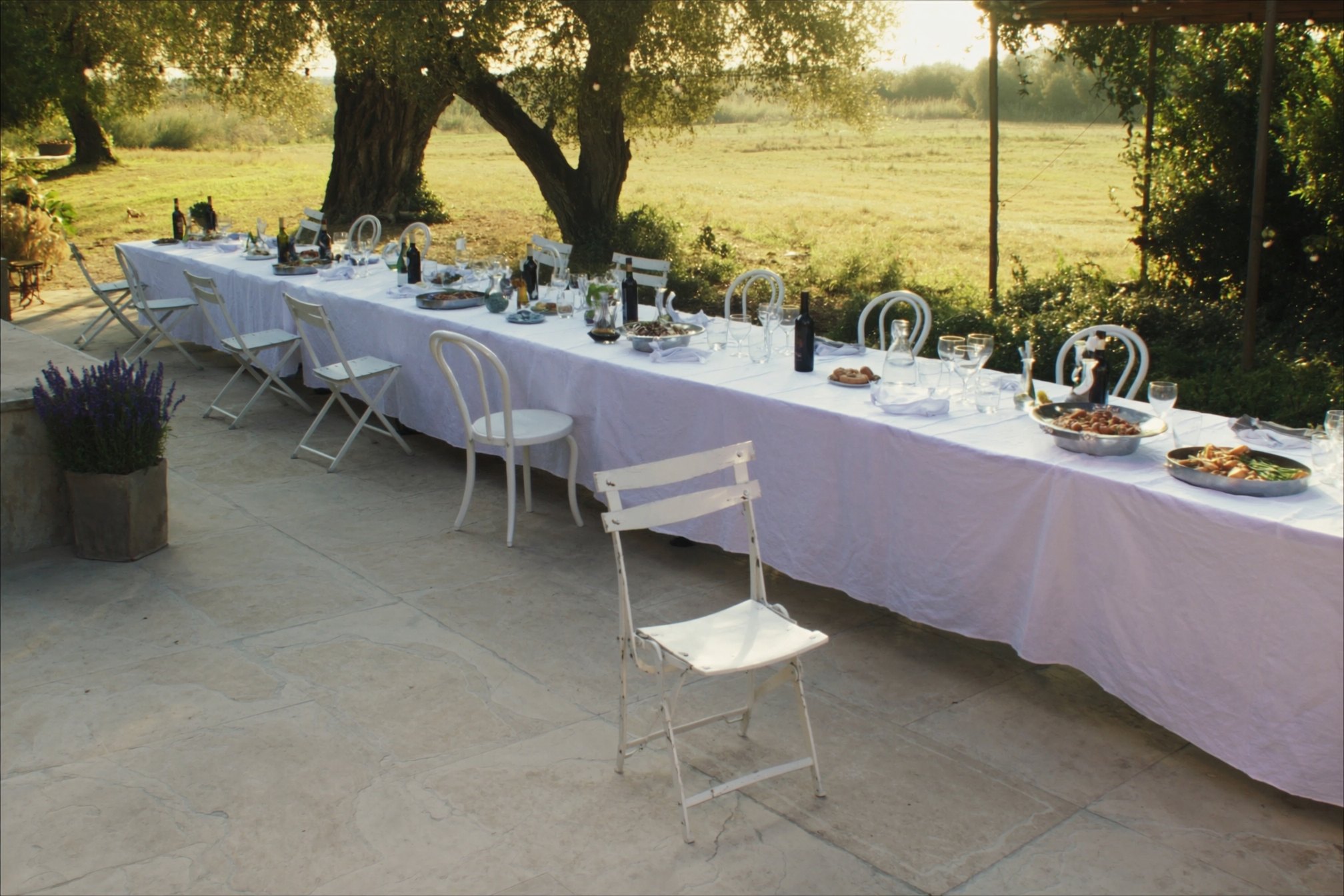
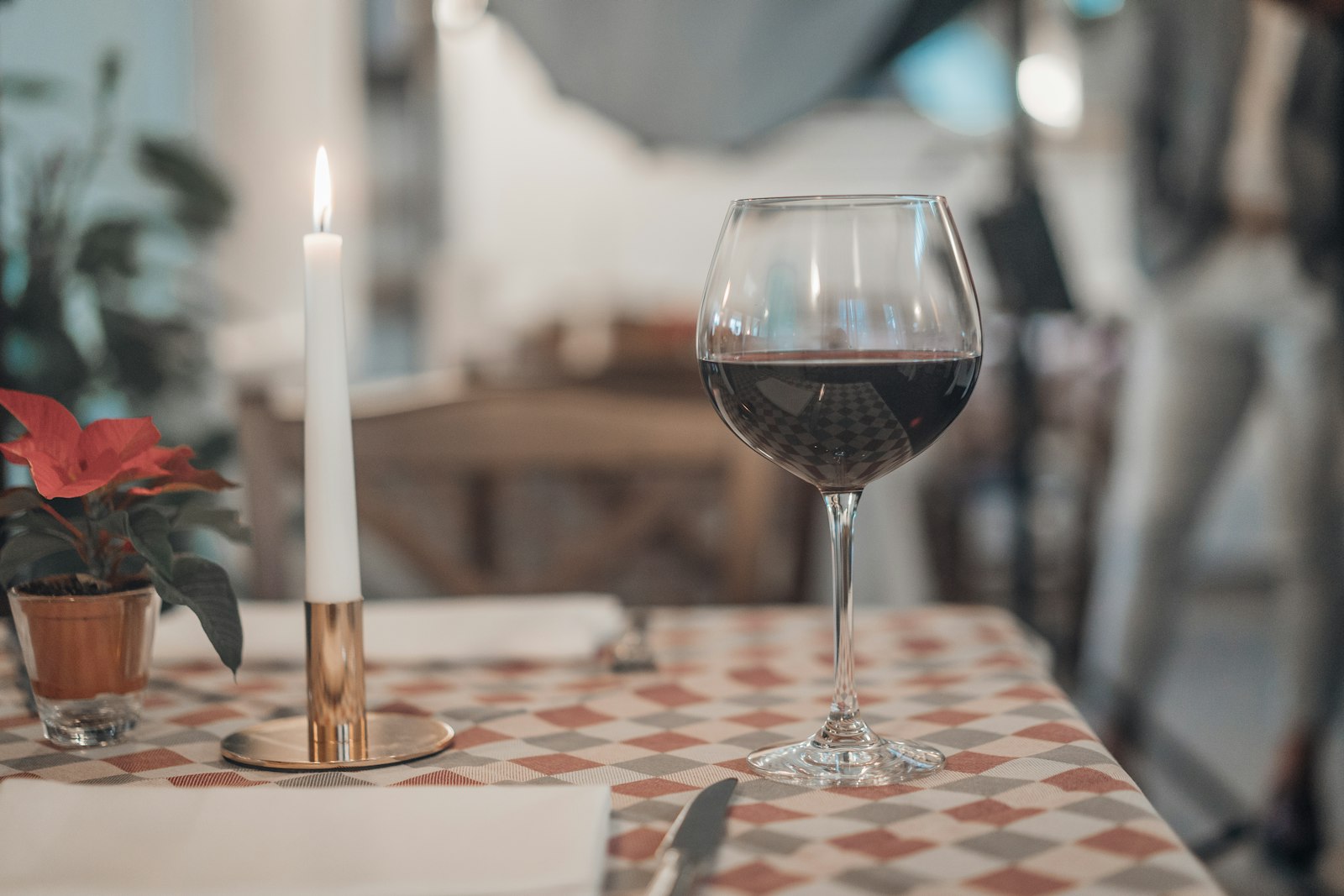
Cloth napkins. Real glasses: not the short ones, the ones with the long stems that you usually put away because they're harder to wash. A candle if you have one, not because it's romantic in some staged way but because candlelight actually changes the quality of a conversation. People lean in.
Put the phones in another room. Not face-down on the table. Another room. This is the thing that matters most and costs the least. The 90-minute phone-free experiment is real and it works.
Cook something that has a smell
Garlic in butter. Herbs in warm oil. Something roasting low and slow. The smell of dinner cooking is underrated foreplay — it creates anticipation in the body before you've sat down. The meal doesn't have to be complicated. It has to be intentional and it has to smell like someone cared.
Let the cooking be part of the evening, not preparation for it. Pour a glass while you chop. That's already the beginning.
Open the bottle before you need it
Open it thirty minutes before you sit down. Pour a small glass each and taste it while you're still in the kitchen. Talk about it. Reds especially: they open up with air and time, and tasting a wine as it evolves over an evening is its own kind of conversation. You'll have something to say at the table.
This is also when you allow yourself to be impressed by the thing you've been hoarding. Let it land.
After Dinner
Don't clear the table immediately. This is the mistake. The table is still warm with the evening and the moment you start stacking plates you've signaled that it's over. It isn't over.
Finish the bottle at the table. Or move to the couch with it. Or take it outside if you have somewhere to sit outside at night. The wine should outlast the meal by at least thirty minutes.
What happens in those thirty minutes is the reason you saved the bottle in the first place.
The Wine Country Version, If You Want It
If you're close enough to the Sonoma or Napa corridor to make a day of it: go pick the bottle in person. Drive the Westside Road, stop somewhere without a reservation, taste through what they have, and bring home the thing that actually surprised you. Not the one with the best label. The one you didn't expect.
The Healdsburg plaza on a late afternoon in September, a seat at a wine bar you've walked past a dozen times, a bottle you carry back to the hotel still slightly warm from the drive: that's already the evening. The rest follows.
The Sonoma backroad drive isn't just scenic. It resets the nervous system in a way that makes the whole night different. There's a reason the drive with no destination keeps appearing in conversations about the best weekends people have ever had.
What the Bottle Is Actually About
It's not about wine. You already knew that.
The saved bottle is the same impulse as the lingerie you're keeping for a more confident version of yourself, the trip you'll take when things calm down, the conversation you'll have when the timing is better. It is the habit of deferring pleasure to a future self who has somehow earned it more than you have right now.
That future self is you on a Wednesday in October. She's not waiting for permission. She already opened it.
You already know how to do this. The slow dinner isn't a production — it's the decision to not rush. The weeknight that actually becomes something isn't an accident: it's one person saying let's actually do this tonight and meaning it.
Open the bottle. The night is already the right one.