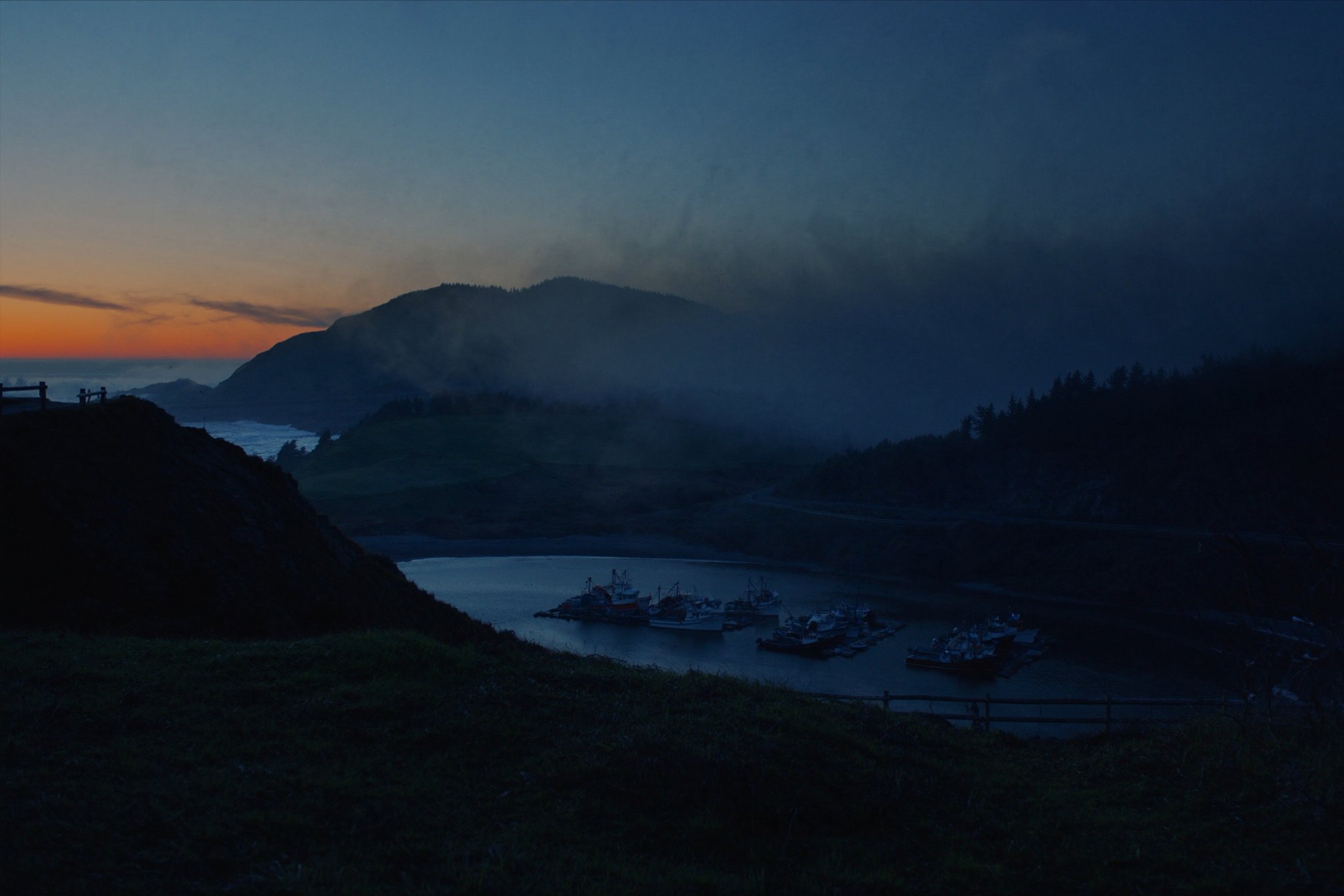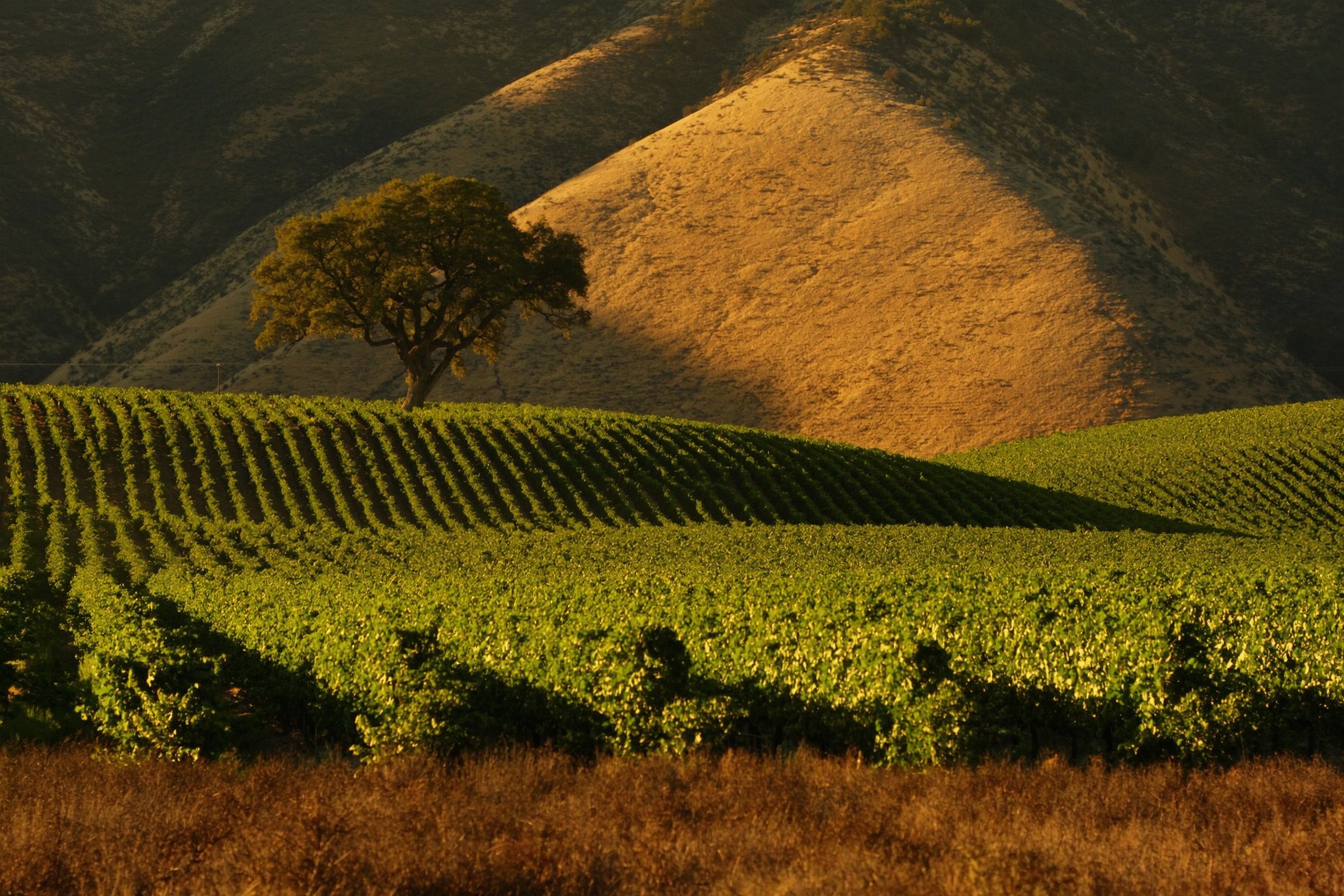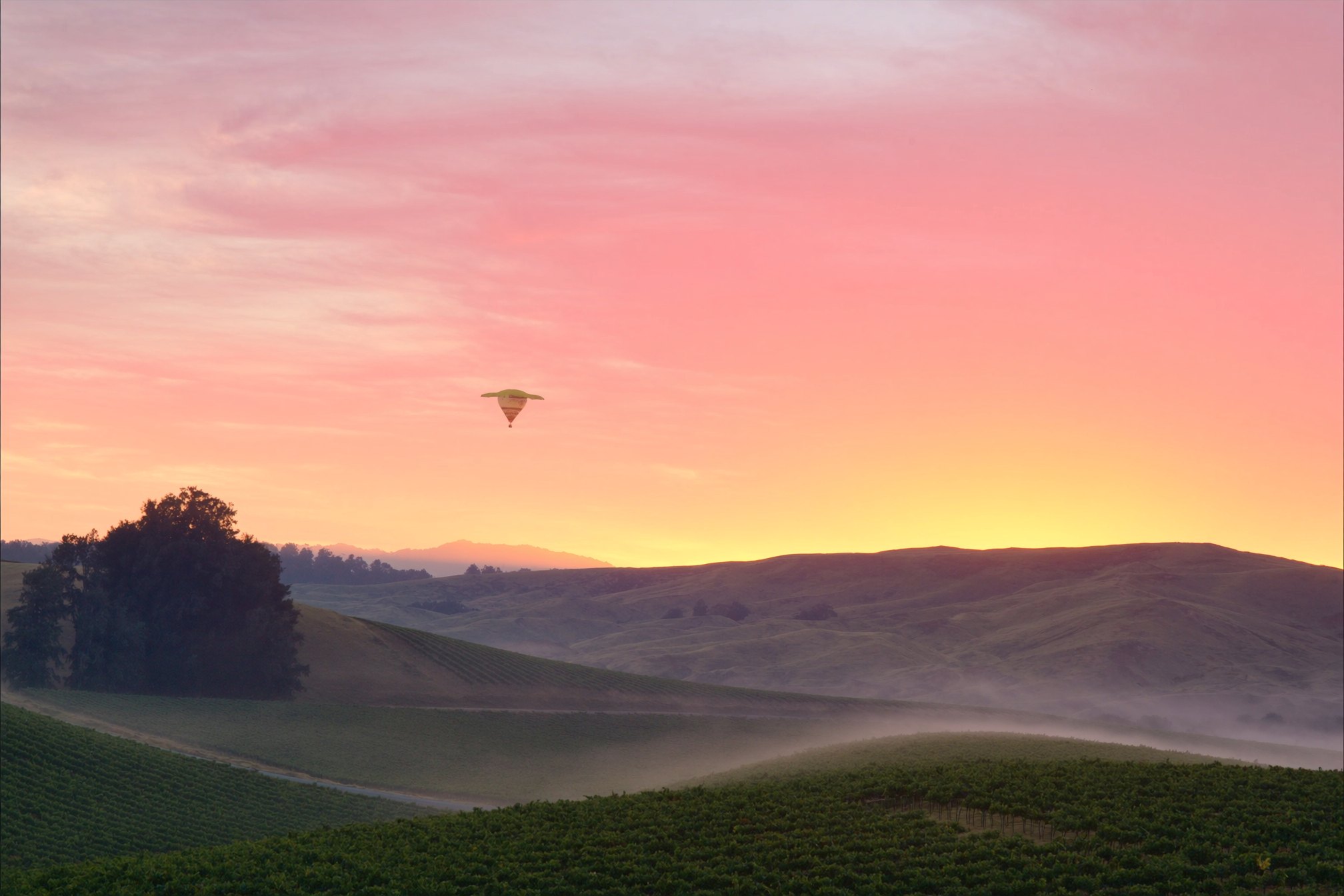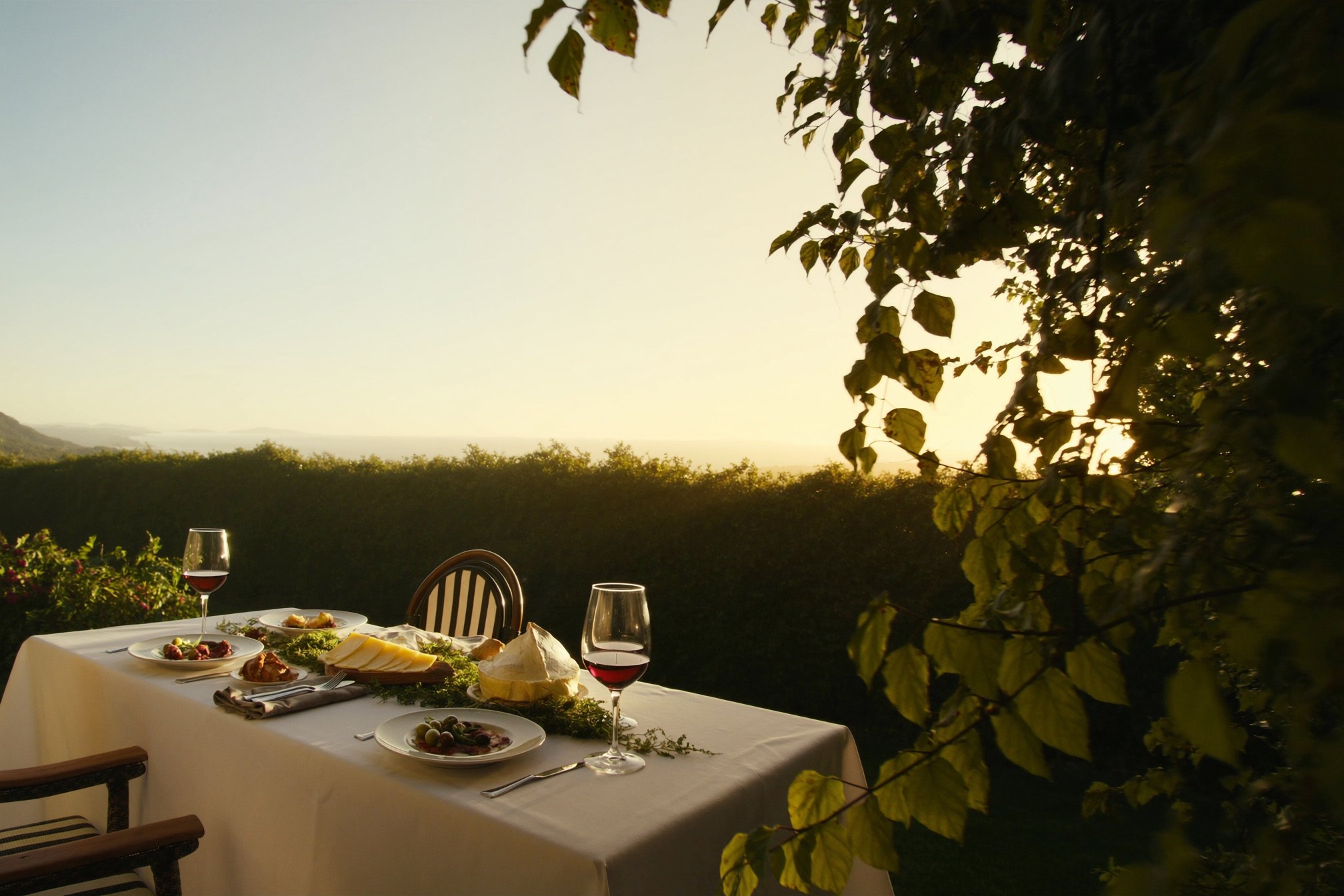
You drove up a gravel road in West Sonoma County, found the unmarked gate, and got turned away because you didn't book three weeks out. This happens more than wineries admit. And honestly? It's supposed to.
The appointments-only model isn't a flex. It's a function. The producers doing the most interesting work in Sonoma — the ones pouring single-vineyard Pinot that never sees a wine shop shelf — physically cannot host a Saturday crowd. So they built a gate. You either earn the code or you don't.
This is a guide to the ones worth earning. What they are, how they work, what to actually order, and how not to waste the two hours you carved out for this.
Why the Friction Is the Point
Walk-in tasting culture produced something efficient and mostly forgettable. A flight of six, a cracker, a view. You're out in forty-five minutes having spent sixty dollars and retained approximately nothing.
The appointment model forces a different pace. You sit down. Someone who made the wine — or at minimum obsesses over it — talks to you like you came to listen. The ratio of people to pours is low. The conversation goes sideways in the best way. That's the product.
The Wineries Worth the Lead Time
Littorai — Sebastopol Hills
Ted Lemon has been farming biodynamically in Sonoma and Anderson Valley longer than most people have been paying attention to either. Littorai is appointment-only, small-group, and structured around vineyard conversation more than sales. You're tasting Pinot Noir and Chardonnay that are about place first, grape second.
What to order: ask specifically for the Haven Vineyard Pinot if it's available. It tastes like the cool air coming off the Freestone hills in October. Book at least three weeks out. Wear something you can walk in — the estate tour is worth taking.
Peay Vineyards — Annapolis
This one requires actual commitment. Annapolis is forty minutes past where most people give up, on a ridge above Fort Ross Road where the fog doesn't burn off until early afternoon. The Peay siblings farm some of the coldest vineyard land in California. The Syrah tastes like it.
Tastings are by appointment and often hosted by someone from the family. The Chardonnay is the opener and it recalibrates what you think Chardonnay is capable of. The Pinot is more savage than anything you'll find in Healdsburg. Plan the whole day around this.
Bedrock Wine Co. — Sonoma Plaza
Morgan Twain-Peterson is the kind of producer who makes old-vine Zinfandel and field blends from pre-Prohibition vineyards feel urgent and alive. The tasting room sits near Sonoma Plaza but the wine is not a plaza wine. Book ahead. Show up ready to talk about California history, because that's what you're actually tasting.
What to order: the Heritage Red Wines program. These are not comfort Zinfandels. They're tannic, complex, and they will make you rethink every assumption you had about Central and Northern California old vines.
Arnot-Roberts — Healdsburg
Duncan Arnot Meyers and Nathan Lee Roberts built a cult following on Trousseau, Chardonnay, and Syrah made without intervention and without apology. The tasting is intimate and takes place in a working production space. You are surrounded by barrels. The lighting is industrial. The wine is exceptional.
Ask about the Trousseau Gris. It's one of the stranger, more memorable wines coming out of Sonoma right now — orange-adjacent, textured, something that makes a good evening feel more interesting.
How to Not Waste the Appointment
Most people arrive slightly late, slightly hungry, and slightly distracted by their phones. They taste everything too fast, buy nothing, and leave before the conversation got anywhere real.
Eat before. Not a full meal: something that lines your stomach without killing your palate. The cheese at the tasting room is a prop. The bread is a prop. You are not there for the bread.
Put the phone down after you photograph the label. You drove two hours to be somewhere specific with someone specific. The wine is giving you a reason to sit still and pay attention to each other. Take it.
What to Do After the Tasting
If you're coming from West County, the drive back through Freestone into Bodega Highway is the move. Stop at Freestone for bread. Eat it warm in the car. This is genuinely one of the better twenty minutes available to you in Sonoma County.
If you're anchoring from Healdsburg, the plaza in the late afternoon is easy and forgiving. Outdoor table, something cold, the wine you just bought sitting in a bag at your feet. No itinerary required.
If you booked a night at Solage or Indian Springs, the sequence is nearly perfect: afternoon tasting, long soak in thermal water, dinner somewhere that doesn't require you to perform. The wine carries the whole day.
The Part Nobody Puts in the Guide
A good tasting with someone you want to be close to is foreplay for the rest of the day. That's not hyperbole. Slow conversation, shared attention, something worth tasting: these are the conditions for the rest of the afternoon going well.
The wineries that require appointments — that make you plan, that limit the crowd, that force stillness — they produce that condition almost accidentally. You show up, you slow down, and suddenly you're actually present with the person across from you.
That's worth the three-week wait. Probably worth the gravel road too.
The best tasting rooms don't feel like retail. They feel like being let into someone's house when they actually wanted you to come.
— MLL