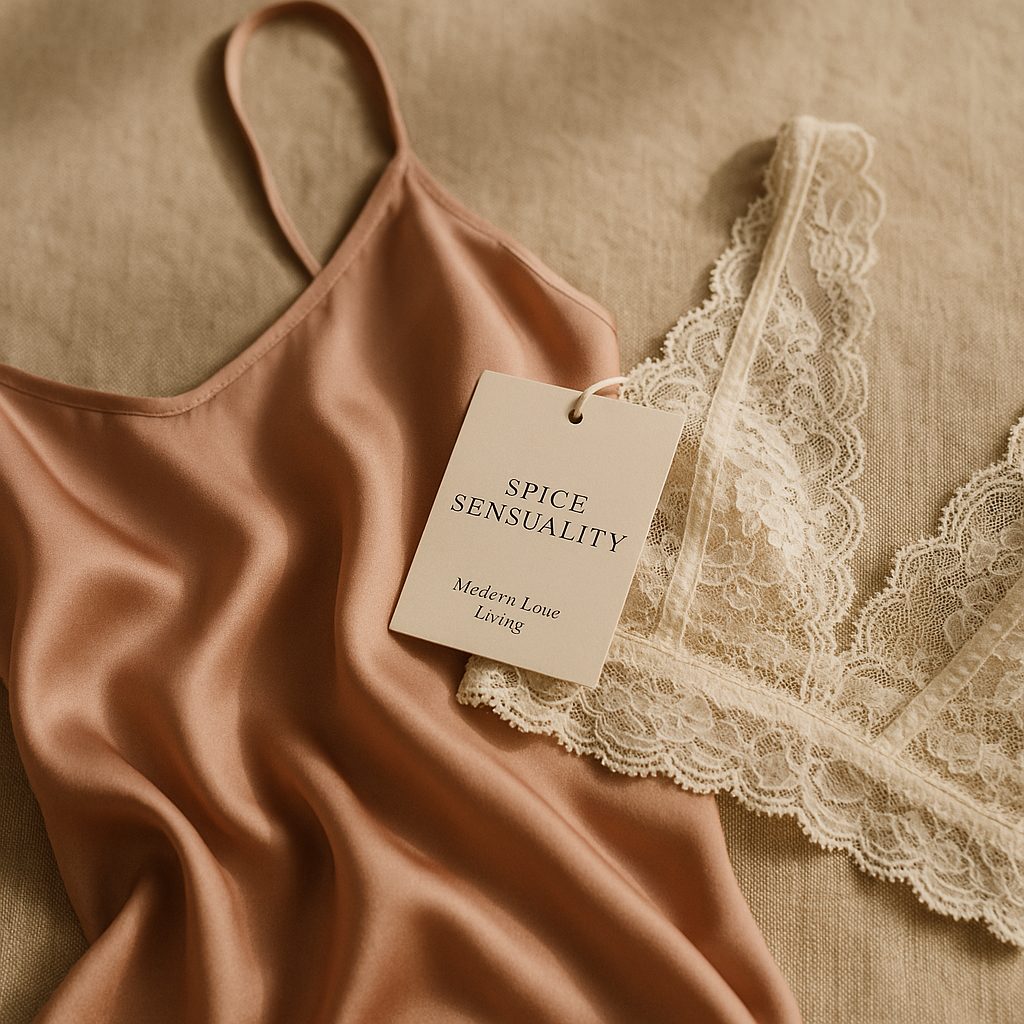
There's a drawer most people have. Or a corner of the closet. Something folded under something else. The good stuff. The stuff bought with intention and worn twice, maybe once, maybe just tried on in the dressing room and then brought home like a hostage.
It stays there because wearing it requires a reason. An occasion. Someone to notice.
That logic is worth examining, because it's quietly devastating.
The Performance Trap
Most of us learned to think about intimate dressing as a thing you do for something. For a date. For a trip. For a night you've decided will be significant. Which means the other 340-odd nights a year, you're in whatever. The faded cotton. The practical bra. The shorts that belong to no one.
That's not a complaint about comfort. Comfort is real and it matters.
It's a question about what the gap between those two wardrobes is actually telling you.
What 'Dressing for Yourself' Actually Means
It doesn't mean wearing a corset to make dinner. It doesn't mean performing wellness in silk pajamas while journaling. It means something quieter and more precise: putting on something that matches the version of you that exists beneath the role you're playing that day.
Parent. Employee. Caretaker. The one who holds things together.
That version of you has a body. Has preferences. Has a relationship with texture and color and fit that doesn't require an audience to be real.
The bralette that makes you feel like someone with taste. The underwear that isn't practical but is yours. The robe heavy enough that pulling it on feels like a decision. These aren't luxury items. They're small recognitions.
The Mirror Moment Nobody Talks About
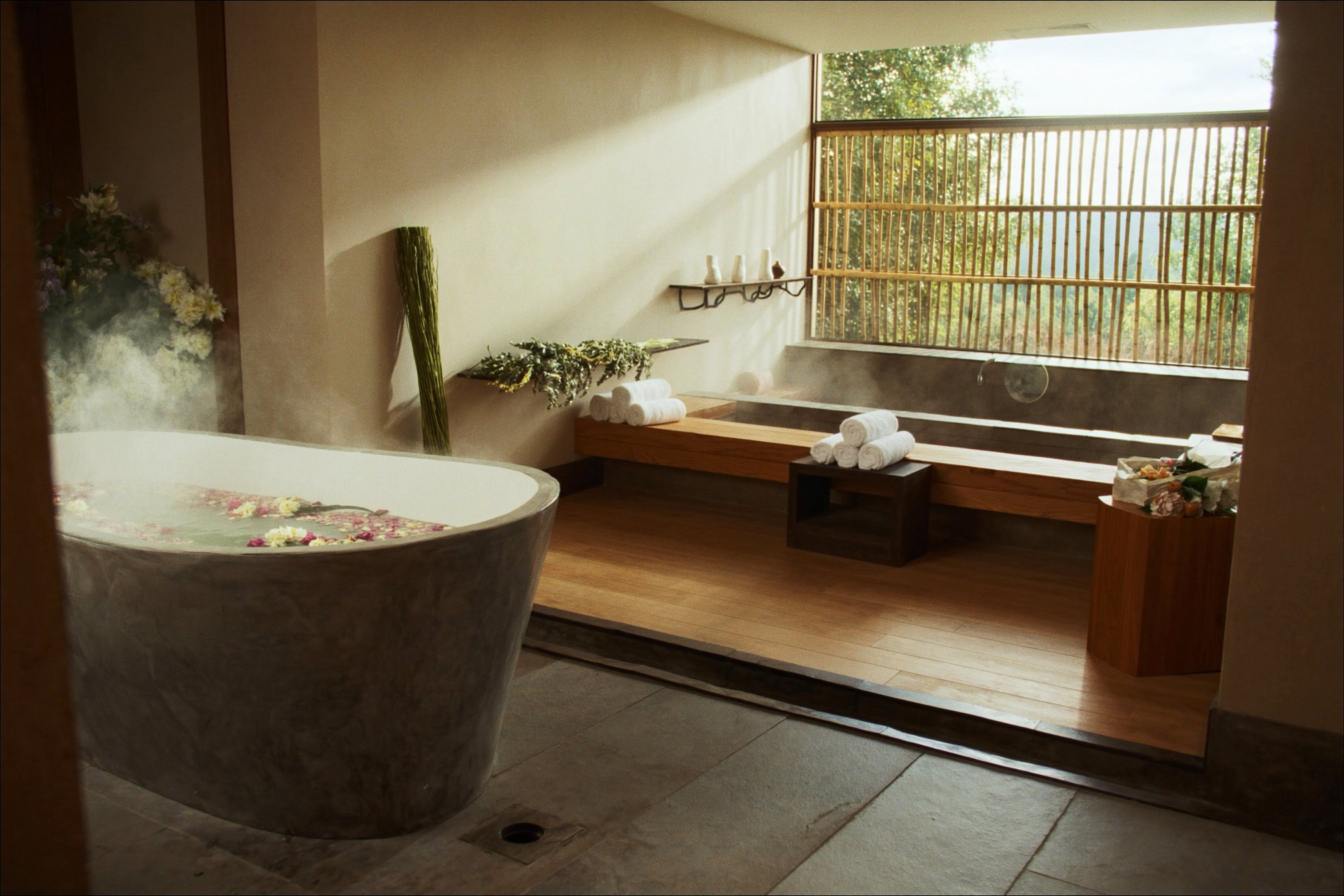
Here's the scenario: you're alone. Maybe it's a Tuesday. You've just showered and you're standing in the bathroom in the steam, and the choice is whatever's clean or the thing in the drawer.
Most people reach for whatever's clean.
Not because the other thing wouldn't feel good. Because wearing it alone feels almost embarrassing. Like you'd have to justify it to yourself. Like dressing with intention when no one's watching is a little bit sad, or a little bit try-hard.
That embarrassment is the thing worth pulling apart. Because it's not about the lace or the silk or the cut. It's about the belief that you don't qualify as your own audience.
The most intimate relationship you have is with your own body in private. Everything else is a negotiation on top of that.
— MLL
What You've Taught Yourself to Wait For
There's a version of you that gets to be desired. Gets to feel attractive. Gets to exist in a body that's dressed for something other than function. And somewhere along the way, that version got put on a schedule. Reserved for occasions. Dependent on someone else's presence to make it valid.
This happens in long relationships especially. The early-days deliberateness fades into routine, and suddenly the lingerie is for anniversaries and the anniversary comes once a year and the drawer stays closed the other 364 days.
It also happens to people who are single and waiting. Waiting until there's someone worth dressing for. Which is maybe the saddest version of the pattern, because the waiting itself reinforces the idea that you're not worth it yet.
How to Start Without Making It a Whole Thing
You don't need a ritual. You don't need a self-care evening or a reason.
You need to open the drawer on a Wednesday.
Wear the thing you bought that you haven't touched since you brought it home. Feel how it sits against your skin. Notice if you stand differently in the bathroom mirror. Not taller necessarily — just differently. Like you caught yourself in a moment you usually skip.
That's the whole exercise. That's it.
The Body You Keep Postponing
There's a version of this pattern that's specifically about body confidence: the idea that you'll wear the good stuff when you're in the body that deserves it. When you've lost the weight, toned up, or fixed the thing you decided is currently unacceptable about yourself.
That version of this pattern is worth naming directly because it's so common and so corrosive.
The body you're in right now is the body that exists. The pleasure available to you is available right now, in this one. Dressing for it — as it is, in this moment — is not acceptance in some therapeutic sense. It's just accuracy.
The lace doesn't care what you weigh. The silk sits against skin regardless. The question is whether you let yourself feel it.
What This Has to Do With Desire
Desire — the kind that's yours, that doesn't require a partner to activate it — is quieter than people expect. It's not always urgent. Sometimes it's just a preference. A pull toward something specific.
Dressing with intention in private is one of the small ways you keep that alive. You stay in contact with the part of you that has taste, that notices sensation, that exists as a sensory being and not just a person who does tasks.
When that goes dark — when you've trained yourself to only feel it in the context of performance — it takes longer to find it again. It's still there. But you have to remember how to listen for it.
A Practical Note on Buying for Yourself
If your intimate wardrobe has been assembled based on what you thought a partner would want, it may not actually contain anything that's yours. That's worth noticing.
Buying for yourself looks different. It's slower. You're not imagining a reaction; you're imagining how something feels in a quiet room. The weight of a fabric. Whether the color does something for you — not for the lighting, not for the occasion. For you, standing in the fitting room at 11am on a Saturday when no one is watching.
If you've never shopped that way, it takes a minute to recalibrate. The internal voice asking but would he like this or but is this sexy enough has to get quieter before you can hear your own answer.
The Part That Surprises People
When you start dressing for yourself privately — really doing it, not as a concept but on the actual Tuesday — you usually feel something unexpected. Not just comfortable. Not just nice.
You feel recognized.
Not by anyone else. By yourself. Which turns out to feel like more than you expected. Because that version of you — the one who gets to be sensory, specific, present in a body that's dressed with intention — has been waiting in the drawer too.
Open the drawer. That's the whole instruction.