You've done the other kind. The one where you spent three weeks building a shared Google doc with color-coded time blocks and a backup restaurant for every restaurant. You drove up Friday afternoon full of anticipation, and by Saturday at noon one of you was quietly annoyed because the 11 AM tasting room didn't open until 11:30 and now everything was sixteen minutes off.
The trip technically happened. You have photos. You cannot honestly say you were there.
What over-planning actually costs you
A tight itinerary feels like investment. Proof that you care, that you tried, that this matters. And it does come from that place. But somewhere between the OpenTable confirmations and the saved Instagram pins, the trip stops being a thing you're going to have and becomes a project you're going to execute.
You stop scanning for what's interesting and start scanning for what's next. You stop noticing each other and start managing the schedule. The weekend becomes a performance of a good weekend rather than an actual one.
The anchor reservation model
Here's the structure that actually works: one thing booked. One real thing — a room, a table, a soak. Something that sets the tone and gives the weekend a center of gravity. Everything else gets figured out in real time.
The anchor is load-bearing. It tells you where you're sleeping, or what Saturday night looks like, or that there's at least one moment where nobody has to decide anything. The rest of the hours belong to whoever you are when you've had coffee and no agenda.
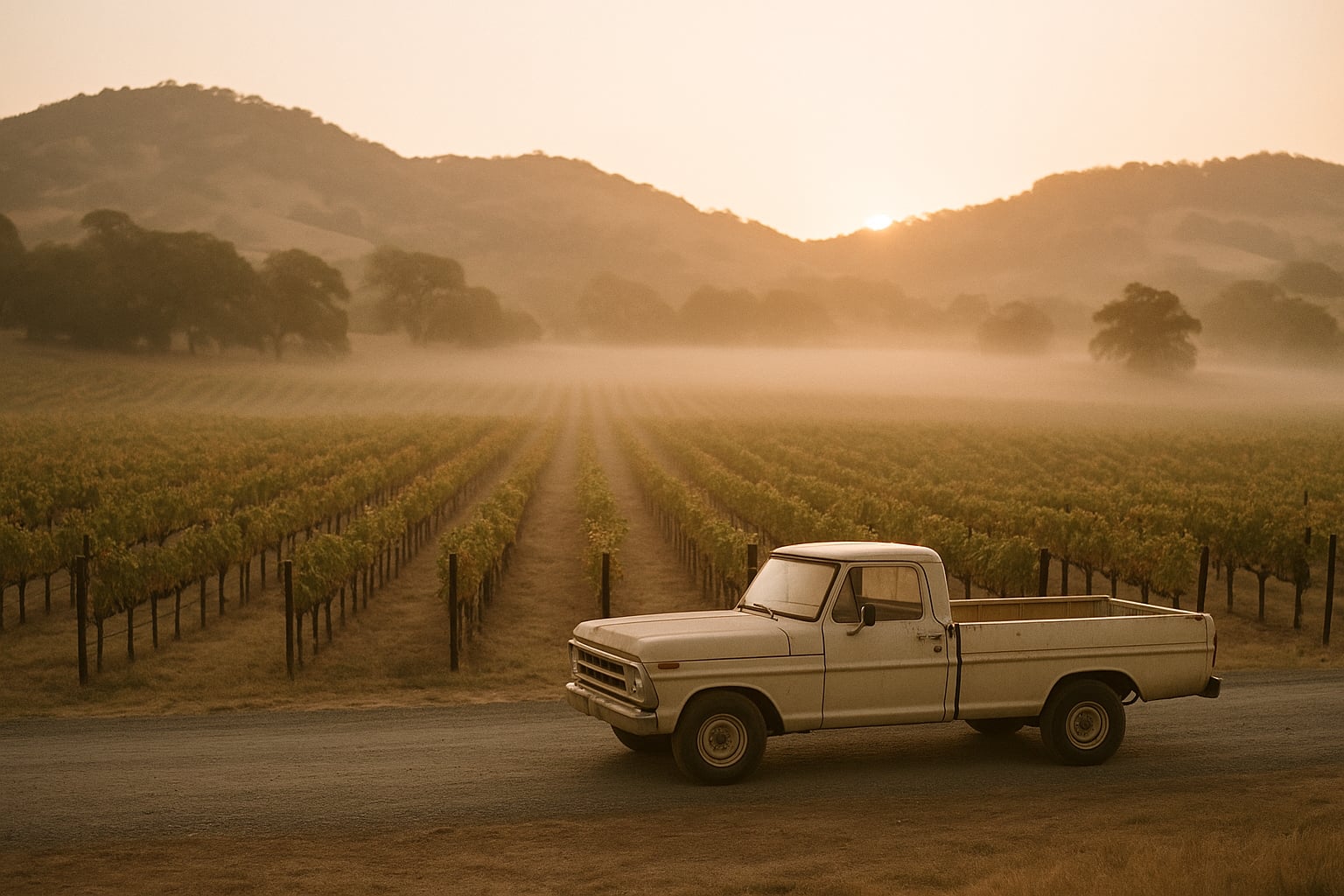
In practice: a room at a place like Harmon Guest House in Healdsburg, or a casita at El Dorado in Sonoma, or a cottage somewhere along the Silverado Trail where the morning light hits the vineyard and you don't immediately reach for your phone. That's your anchor. That's enough.
What the open hours actually give you
Unstructured time in a new place does something that structured time can't. It creates conditions for the kind of conversation that doesn't happen on a Tuesday night between dinner and the dishes. The one where you say something you didn't know you were going to say.
It also creates boredom, briefly. And boredom between two people — real boredom, not boredom you're scrolling through — is where a lot of intimacy actually lives. You start talking about nothing. The nothing turns into something. You remember why you wanted to go away together in the first place.
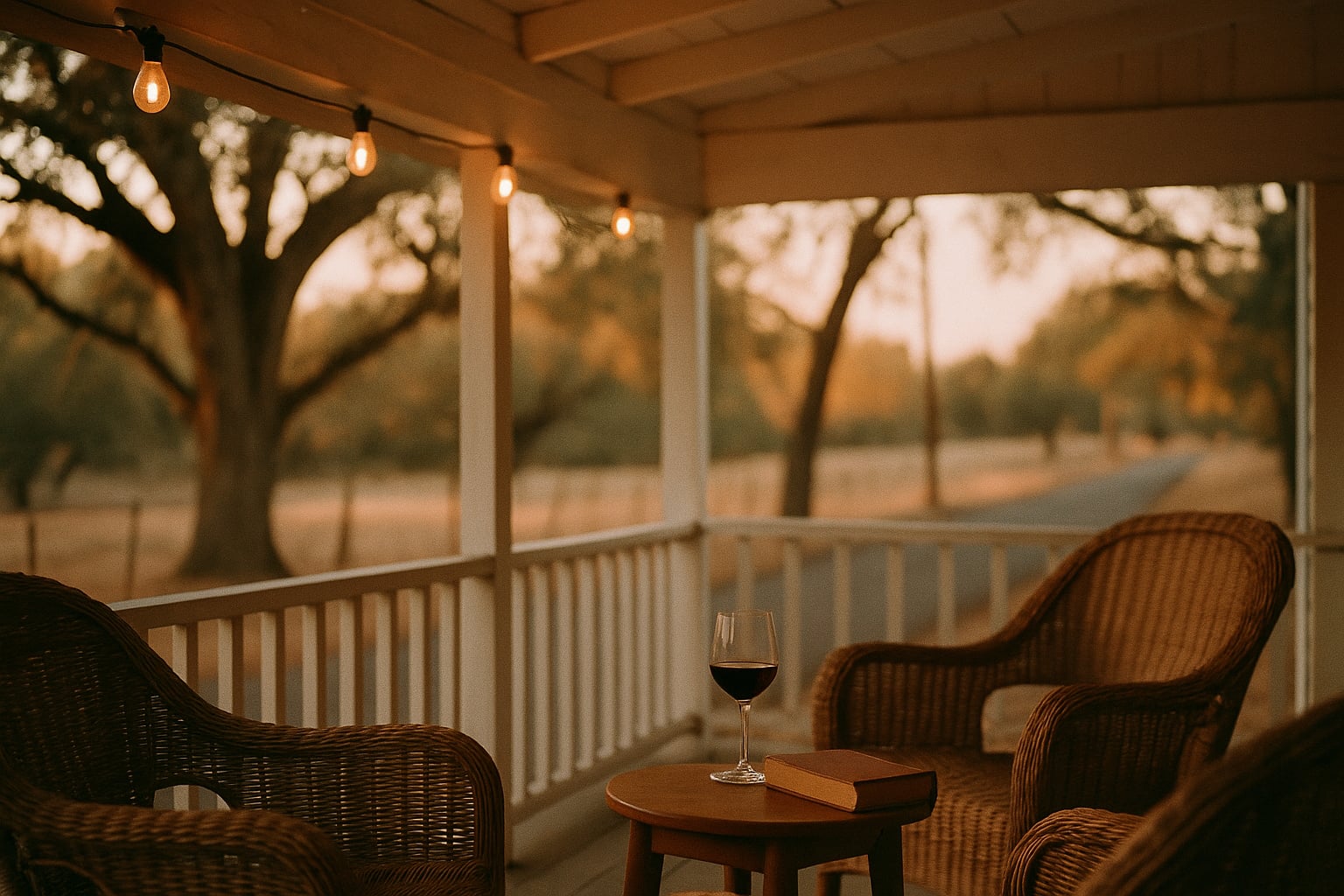
The best part of that trip was the two hours we sat on the porch because we'd already done the thing we drove there to do and there was nothing else scheduled.
— Overheard on the Healdsburg plaza
How to actually leave it open without it falling apart
There's a difference between unplanned and unprepared. You can have three or four things loosely in mind — a tasting room you've heard about, a drive you've wanted to take, a trail that's been sitting in your saved places — without committing to any of them. Think of them as options, not obligations.
The move: agree in advance that you're going to make one decision at a time, and not until you need to. Wake up Saturday, drink coffee, ask what sounds good. Not what the itinerary says. What sounds good right now, with this light, in this mood.
If you both want to drive the Dry Creek Valley backroads with no particular destination and a cooler in the trunk, you do that. If one of you wants a long lunch and the other wants to walk the Healdsburg square and buy a book, you do that. None of this requires a spreadsheet.
The sensory case for slowing down
There's a physical dimension to this that gets ignored. When you're running an itinerary, your nervous system is in logistics mode: next thing, time check, parking. When you're not, it starts actually receiving the place you're in.
The smell of eucalyptus on a warm afternoon. The weight of a good hotel robe. The specific unhurried feeling of a tasting room that isn't crowded yet, where you're drinking something cold and a little mineral and there's no reason to be anywhere else for the next hour.
That's the version of the trip you'll remember. Not the restaurant you'd pre-researched for six weeks. The afternoon that showed up sideways because you left room for it.
What to actually book (and what to leave alone)
Book this
Your room. Non-negotiable. The room sets everything. Don't compromise here and then try to fix it with experiences.
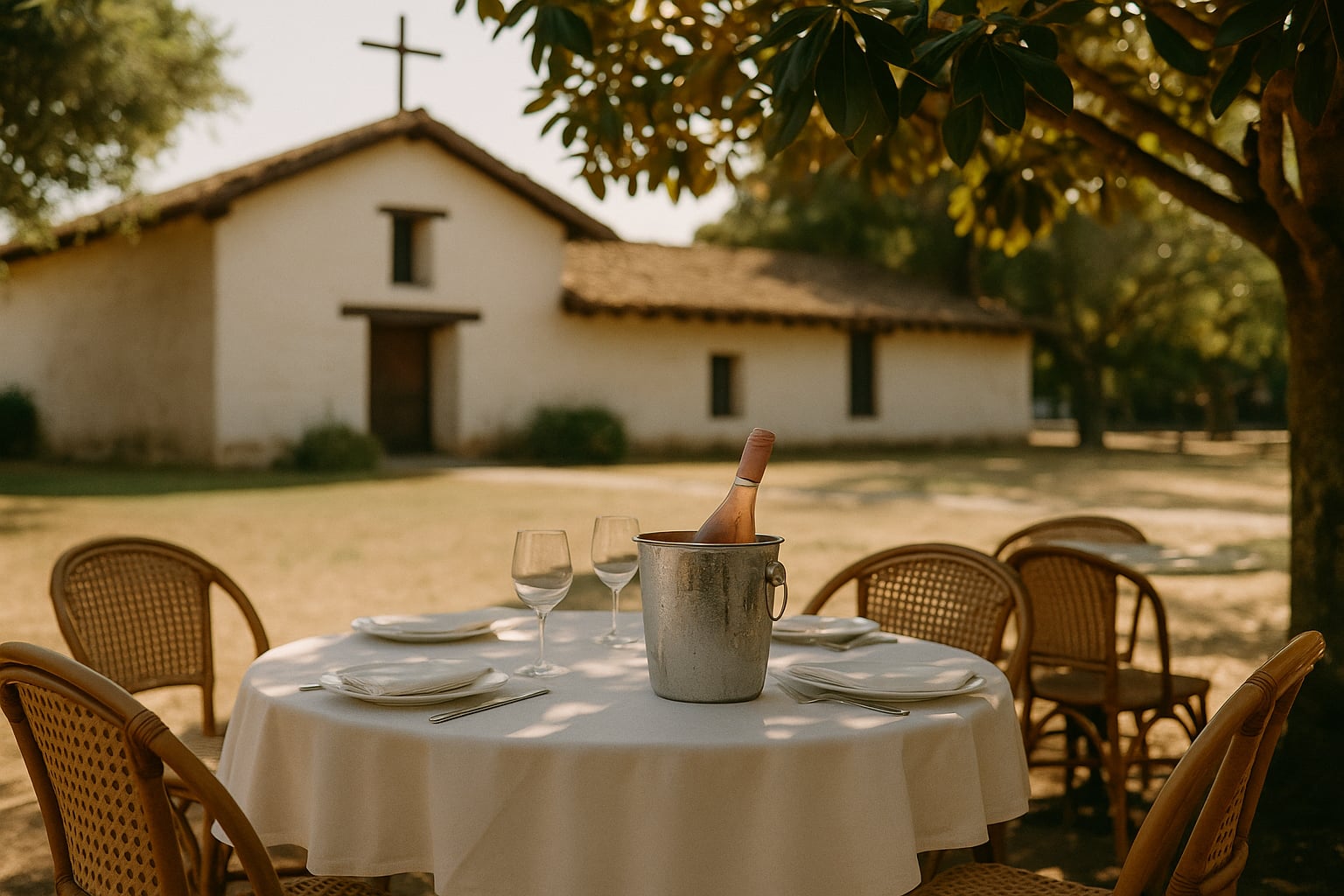
One dinner. Saturday night. One table at a place you'd genuinely be disappointed to miss. Bouchon in Yountville. Valette in Healdsburg. The long table at SingleThread if you're doing that kind of trip. One dinner you don't have to think about.
Maybe one experience with a time constraint. A cave tasting that requires a reservation, a mud bath at Indian Springs that books out, a morning spa slot at Solage before the day heats up. One. Not three.
Leave this open
Lunch. Always leave lunch open. Some of the best meals on any wine country trip happen because you pulled over for something that looked good from the road.
Sunday. Specifically Sunday morning. The worst thing you can do to a long weekend is give Sunday morning a job. Let it be slow. Let checkout be the only deadline.
The drive home. Take the long way. You already know this.
The real reason this is hard
Leaving things open requires a kind of trust most couples haven't explicitly made a decision about. Trust that the other person will be okay with a loose Saturday. Trust that boredom won't become irritability. Trust that you're interesting enough to each other without a schedule keeping things moving.
If that last one lands with any weight: that's worth sitting with. Not as a verdict. Just as information.
For most couples, the loosely structured weekend reveals something true and good — that you actually like each other's company when nobody's managing it. The over-planned trip hides that question under logistics. The open one answers it.
A loose shape for the whole thing
Friday: Drive up, check in, walk somewhere, eat somewhere that doesn't require a reservation. Go to bed without a plan for the morning.
Saturday: Coffee first, always. Decide what sounds good. Do the one booked thing if it's today. Have the dinner you reserved. Don't discuss work after 7 PM — not as a rule, just as a practice worth trying.
Sunday: Slow morning. The long checkout. The drive back that takes longer than it needs to. Arrive home tired in the good way, which is different from the regular way.
That's it. That's the whole architecture. You don't need more than that to have a weekend that actually happened to you.