You're not burned out on each other. You're burned out on the version of yourselves you've had to be all week. That's a different problem, and it has a different solution.
The solution isn't a restaurant reservation. It's not a massage-and-dinner combo that still has a start time and an end time and a parking situation. It's two nights in a house that isn't yours, in a place that smells like oak and heat, where no one is coming to check on you.
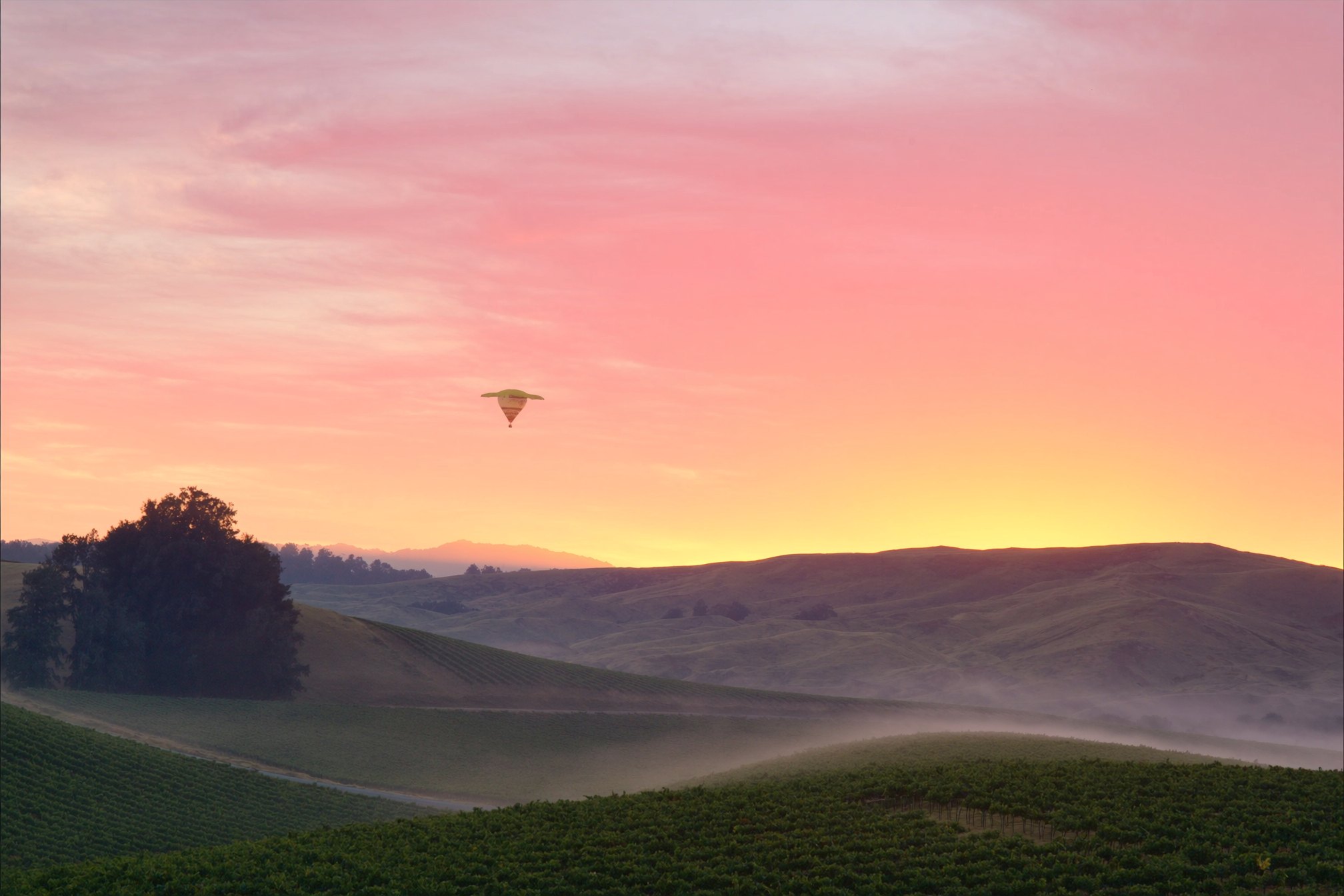
Sonoma does this particularly well. Not because it's magic. Because the geography actively discourages urgency. The roads curve. The cell signal drops. The afternoon light is so specific and so golden that it feels almost rude to be on your phone.
Why the Rental House Works When a Hotel Doesn't
A hotel has a lobby. Staff. A checkout time you're slightly anxious about. It still has a framework around it, which means you're still performing inside one.
A rental house has a kitchen. That matters more than it sounds. When you make coffee together at 8 a.m. in a kitchen you don't know, looking for where they keep the mugs, something loosens. You're figuring something out together. Small-stakes. Low-consequence. Just two people in their socks, not quite awake yet, not trying.
That's the state you're actually chasing. Not romance, exactly. More like: ease. The feeling that the person next to you isn't a co-manager of your shared life for a moment.
What 'No Itinerary' Actually Means
It doesn't mean you do nothing. It means nothing is required. There's a difference.
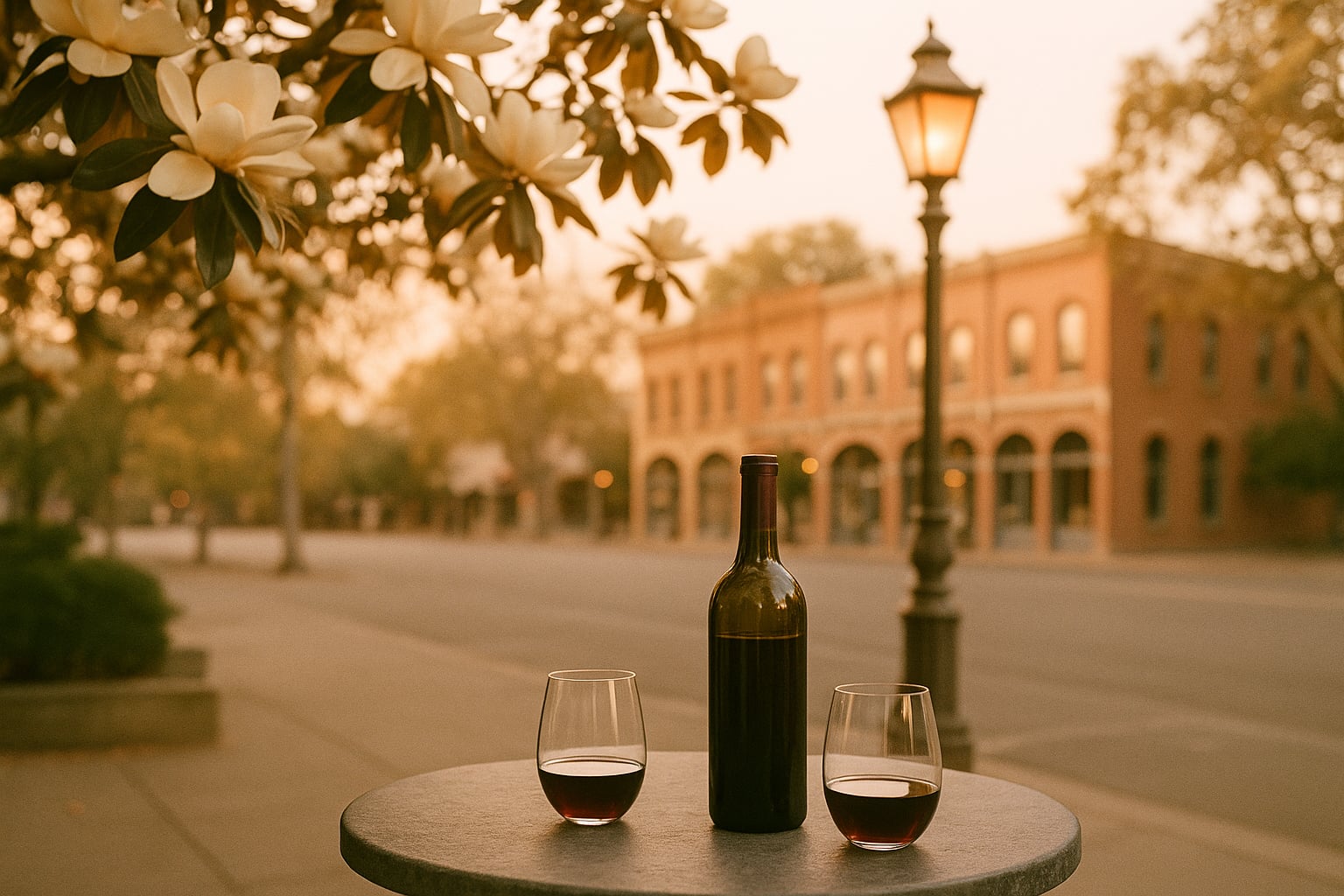
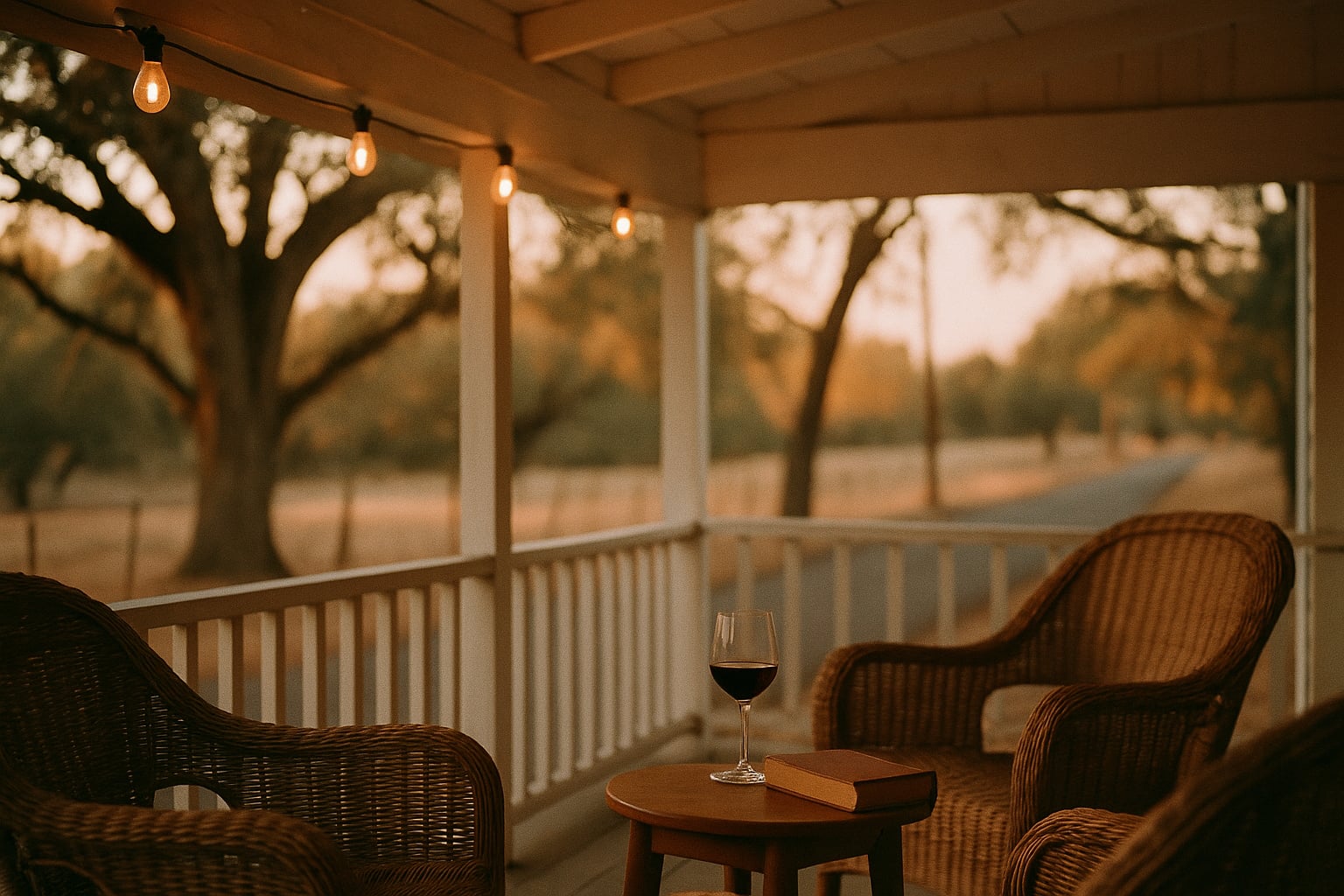
You might end up at a tasting room near the Healdsburg plaza for three hours because the conversation got good and no one wanted to leave. You might drive a backroad with no destination just to see what's there. You might buy too much cheese at a farm stand and eat it on a porch at 4 p.m. instead of waiting for an actual meal.
None of that is planned. All of it counts. The best moments of a trip like this are the ones that aren't load-bearing, the ones that happen because you had room for them.
Weekly date nights don't have room. They have ninety minutes and a babysitter's cut-off and a parking meter. They require you to be present and connected on schedule. That's a lot to ask.
The Decompression Curve
Here's what actually happens across forty-eight hours if you let it.
First night: you're still half in your regular life. You unpack weird. You check work email once. You're tired from the drive. Dinner is good but you're not quite there yet. You fall asleep earlier than you expected.
Morning of day two: something shifts. You wake up with no alarm, no agenda. The light in the bedroom is unfamiliar. Your partner is warm next to you and you notice it, because you have the bandwidth to notice things.
This is what a month of date nights can't replicate. They can't compress the decompression curve. You need the first night to shed the week. The second day is when you actually arrive.
You need the first night to shed the week. The second day is when you actually arrive.
— Modern Love Living
What the House Does to the Body
There's something about a house you don't live in that gives your body permission to stop bracing. Your own home has a refrigerator that needs cleaning and a closet you've been avoiding and about eleven ambient obligations.
A rental doesn't have any of that. It has a duvet that's heavier than yours. A bathroom that smells like eucalyptus from the last guests' toiletries. A patio where the chairs are facing somewhere you'd never sit in your real life.
The body reads the environment and softens. Shoulders drop. Touch that would have felt like an interruption at home starts to feel like something else. You're not running a household together for a weekend. You're just people.
Solage, Indian Springs, or Neither
If you want structure, it's easy to find. Solage in Calistoga has the pools and the treatment rooms and the kind of thick robes that make you feel like a different person. Indian Springs has the volcanic ash pools that hit differently at dusk. Both are worth it.
But the rental house doesn't need either of those things to do its job. A private hot tub on a deck in Guerneville. A fireplace in a cottage outside Yountville. A window over a vineyard row where you sit with wine and nothing to say and that turns out to be exactly right.
The geography earns it. You don't have to force the romance. Wine country has been producing that light and that warmth for longer than you've had whatever this tension is.
The Part Nobody Says Out Loud
Two nights away with real decompression is also, reliably, when people have the best sex they've had in months. Not because the rental house is a set piece. Because they finally stopped running the mental tab of everything they owe to everyone.
Desire has a hard time competing with logistical stress. Take the logistics off the board for forty-eight hours and the other thing comes back on its own. You don't have to manufacture it. You just have to give it room.
A Note on Over-Planning the Unplanned Trip
The irony is that some people research the hell out of a spontaneous weekend. Four saved Instagram folders. A shared Notes doc with restaurants ranked by Yelp stars.
That's fine. Plan the rental. Book one dinner if it makes you feel better. Then put the phone face-down on the counter when you arrive and leave the rest to the day.
The whole point is that unscheduled time feels unfamiliar enough that something real can happen inside it. Over-programming it turns it back into a project. And you have enough of those.
What You Come Home With
Not a tan. Not a souvenir. A slightly recalibrated sense of who the person next to you is when they're not managing anything.
That's the actual return on investment. You remember something you forgot. That they're funny when they're not tired. That you like them, not just love them, which is not the same thing and you know it.
The house is just a location. What it gives you is context. A forty-eight hour window where you're both someone slightly different from who you've had to be, and that turns out to be exactly who you needed to see again.