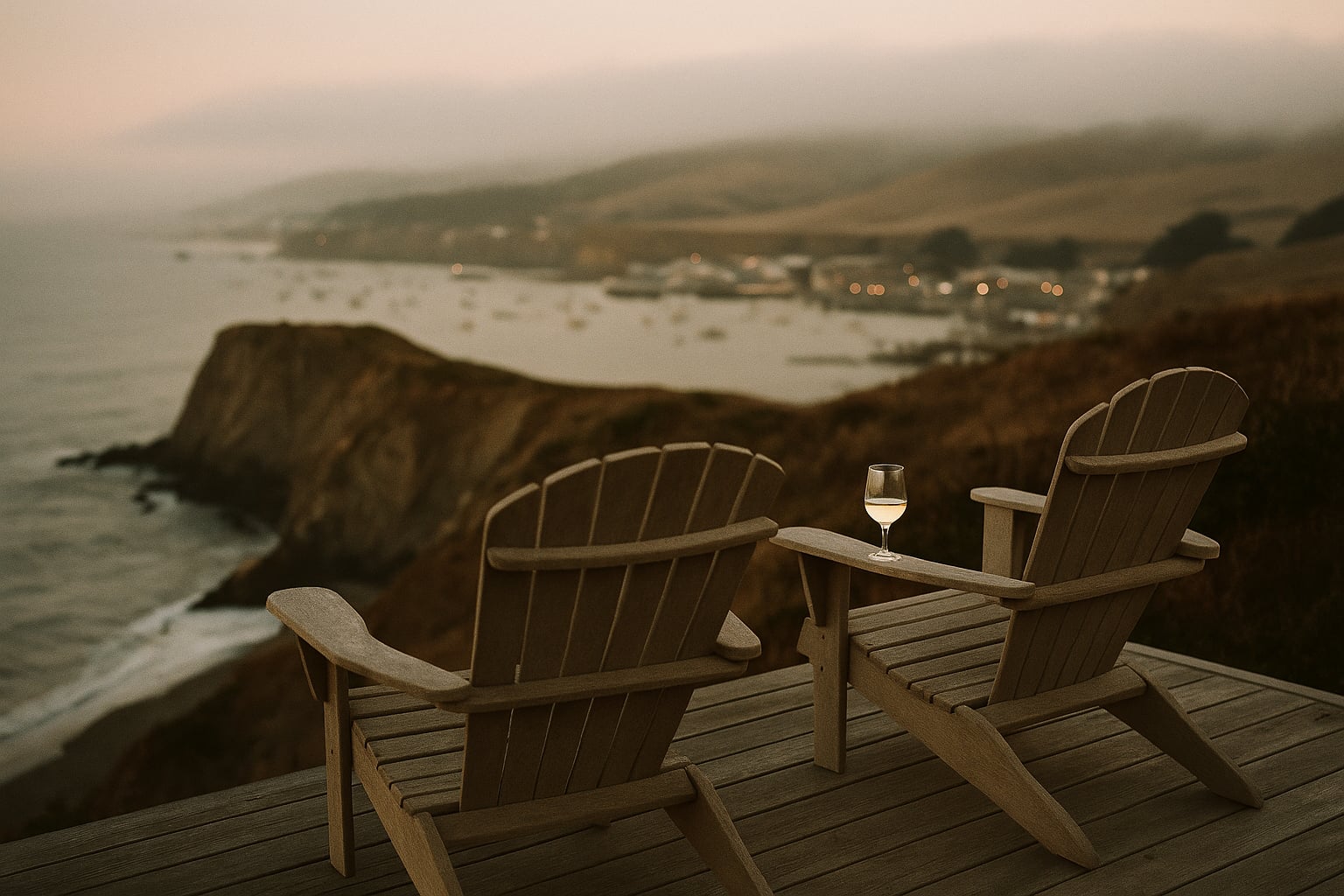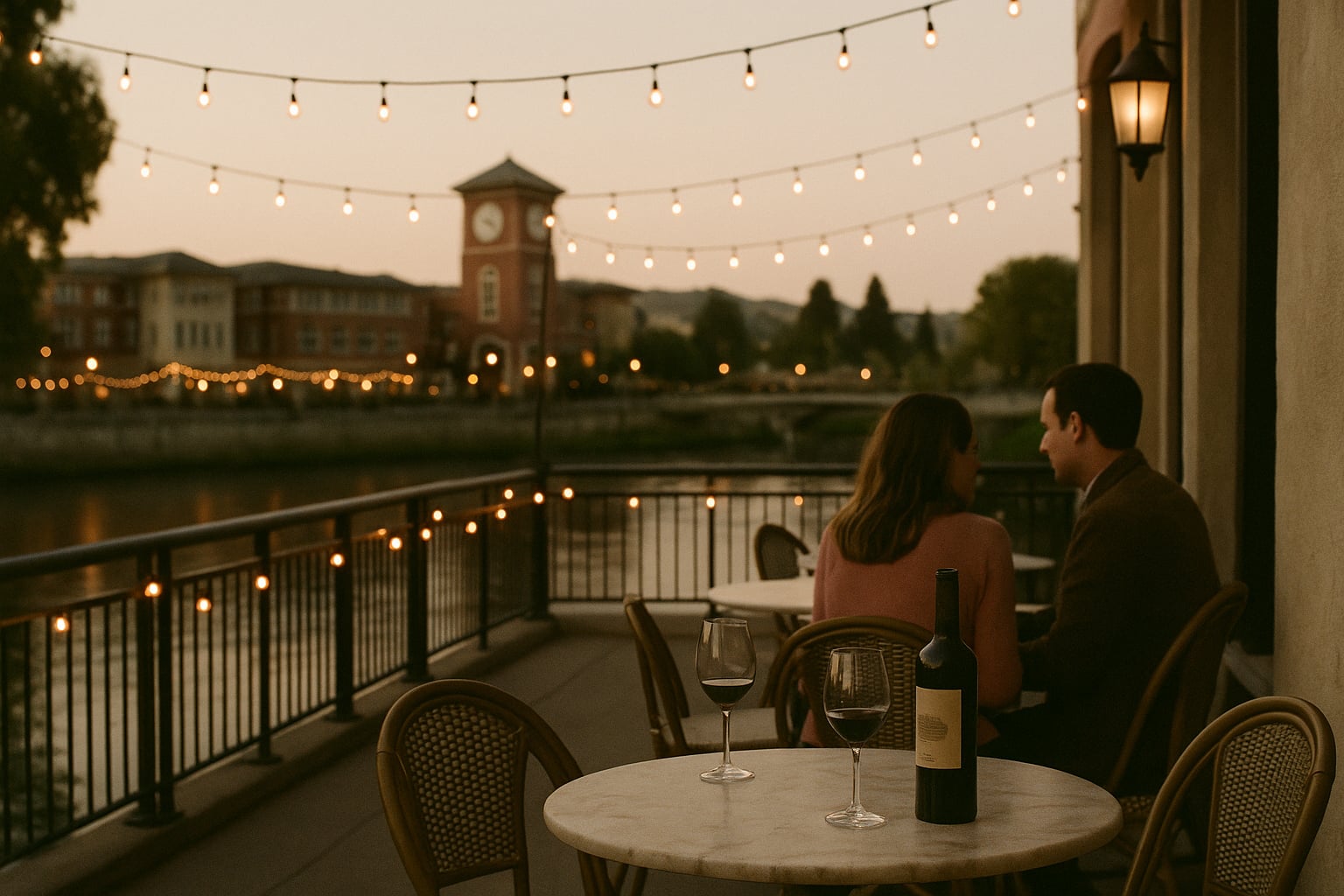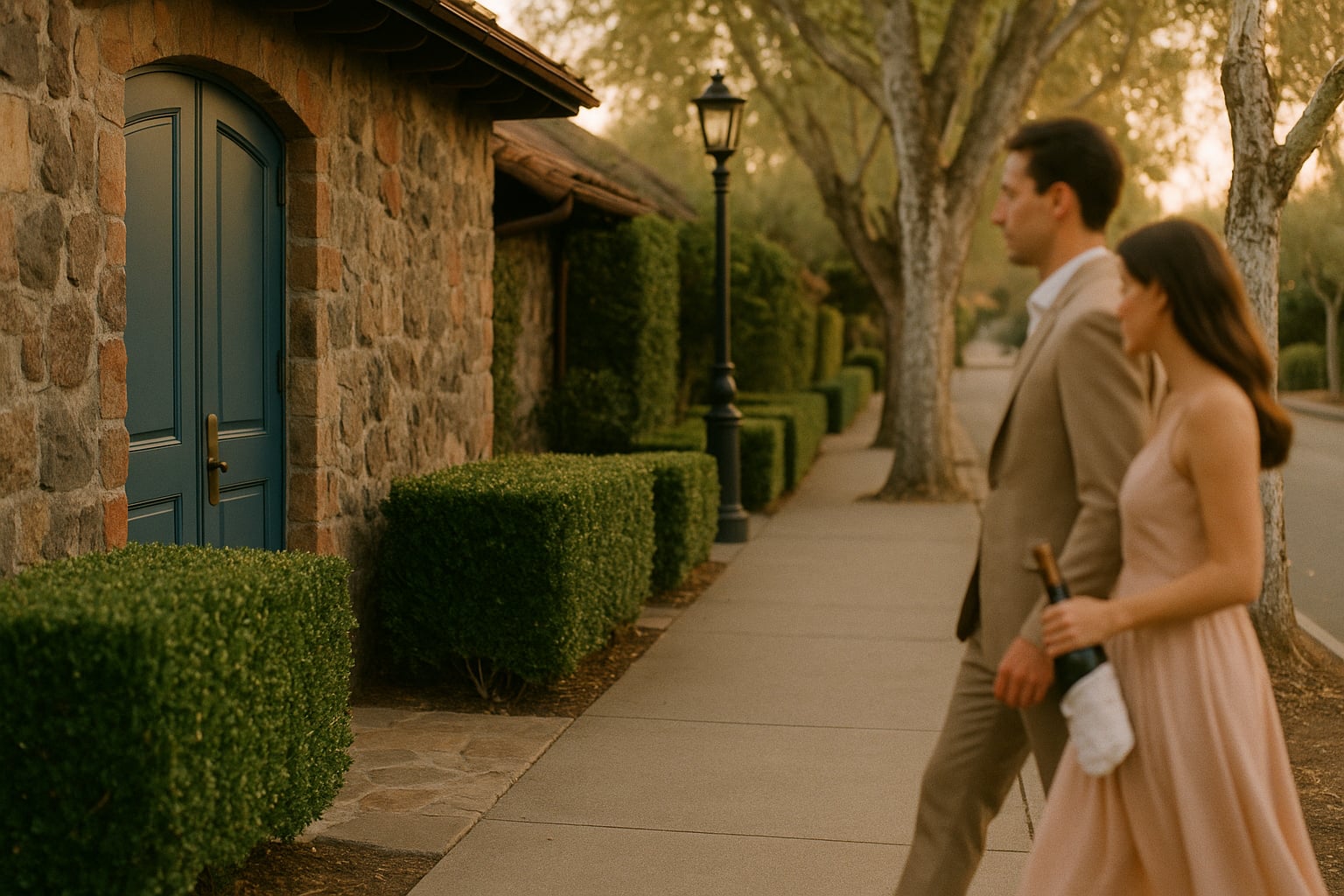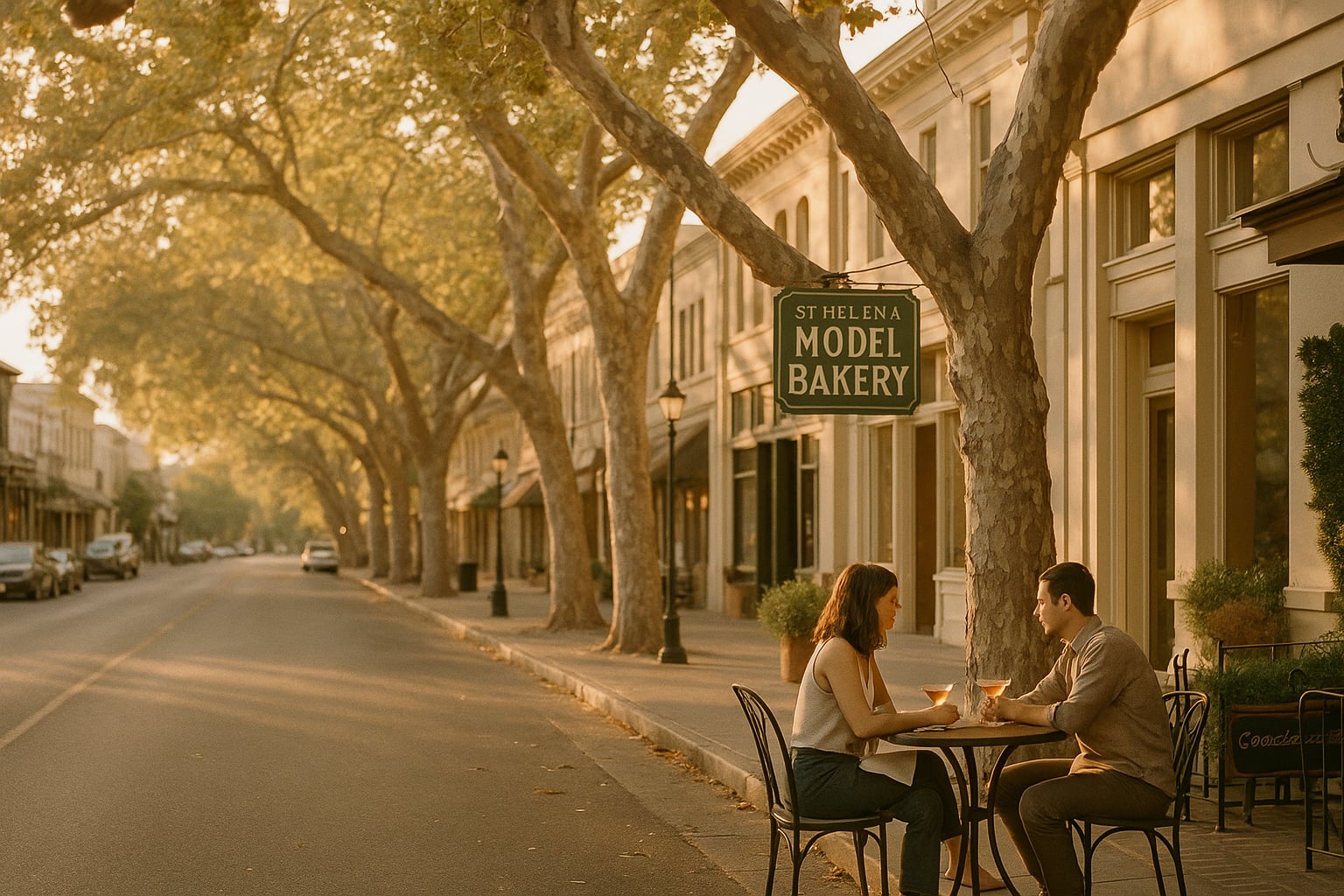
Most couples plan trips by subtraction. She doesn't love long tastings. He won't wake up before nine. Someone has a thing about crowds. You negotiate before you've even packed, and what you arrive at isn't a trip — it's a truce with luggage.
There's another way. Build the weekend around one person's actual wants. Not preferences offered as suggestions. Wants. The real list.
Then invite someone into it.
What you'll find is that a fully realized itinerary is more interesting to travel inside than a compromised one. Confidence is magnetic. A person who knows exactly what kind of morning they want is, quietly, someone worth following around Sonoma County for three days.
The Compromise Trap Nobody Names
Compromise travel feels considerate. And it is, technically. But it also produces a specific kind of low-grade disappointment nobody admits out loud — the sense that you're on a trip designed for someone who doesn't quite exist. Not you. Not them. The averaged version of both.
You've done this. You wanted a slow morning at Harmon Guest House with coffee and no agenda. They wanted the Alexander Valley tasting circuit before noon. You went to bed negotiating the next day's schedule and woke up vaguely annoyed before anything had actually happened.
A trip built around someone's actual desire has shape. A compromise trip has coverage.
— MLL
Shape is what makes a place memorable. Coverage is just geography with receipts.
What Planning for One Actually Looks Like
Start alone. Literal or figurative — doesn't matter. Open a note on your phone and answer without hedging: What does your body want for seventy-two hours?
Not what sounds good to say. What you actually want. Steam. Dry heat. A long lunch where no one's checking the time. A tasting room that's quiet on a Tuesday, somewhere past Geyserville where you have to want it enough to look it up. A hotel bed you don't make. A bottle of something good opened before seven and finished slowly.
Write the whole list. Then build the trip from it. Only once it has bones do you share it.
A Real Example: Three Days in Sonoma, Built for One
Say the trip is yours to build. Say what you want is warmth, unhurried food, and at least one moment where you forget what day it is.
Friday: Arrive like you mean it
Check into Macarthur Place in Sonoma town. Not the flashiest option, but the gardens are real and the spa is quiet in a way that Napa rarely manages. Drop the bags. Don't plan anything for two hours. Order from room service if that's what you want. Let the trip exist before you perform it.
Walk to the Sonoma Plaza before dinner. Sit. Watch the light go sideways across the square. This is not an activity. It's a recalibration. By the time you're at dinner — somewhere with a real wine list and food that takes a while — you're actually there.
Saturday: The long middle of it
This is the day that makes a trip. Not the arrival, not the departure. The long Saturday that has nowhere to be.
If the list said steam and dry heat: Osmosis in Freestone, an hour east and worth the drive, or the mineral pools at Indian Springs in Calistoga if you're willing to cross into Napa for the afternoon. Either way you'll want the driving sorted in advance — rideshare is unreliable out here, especially between valleys. You're horizontal by noon, warm through the sternum, and the conversation gets better. Heat does something to the places people hold tension.
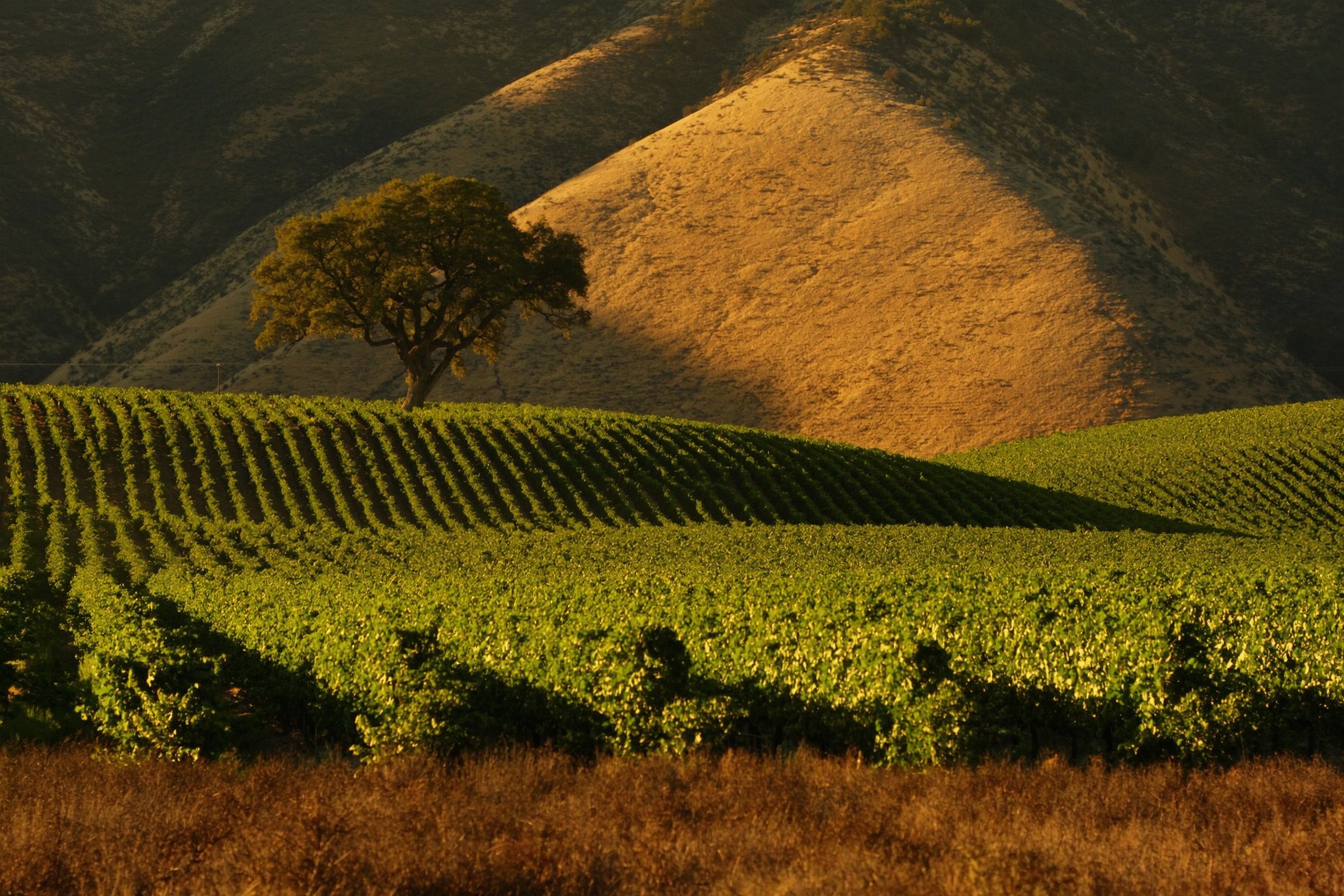
Late afternoon: one tasting room. One. Chosen because you actually want to go, not because it has the highest rating. The Dry Creek Valley has producers who'll pour for twenty minutes and let you stand in the barrel room if you're curious. That's the one. Not the one with the prettiest Instagram backdrop. (A bigger group changes that math — planning for a crowd runs closer to two tastings a day.)
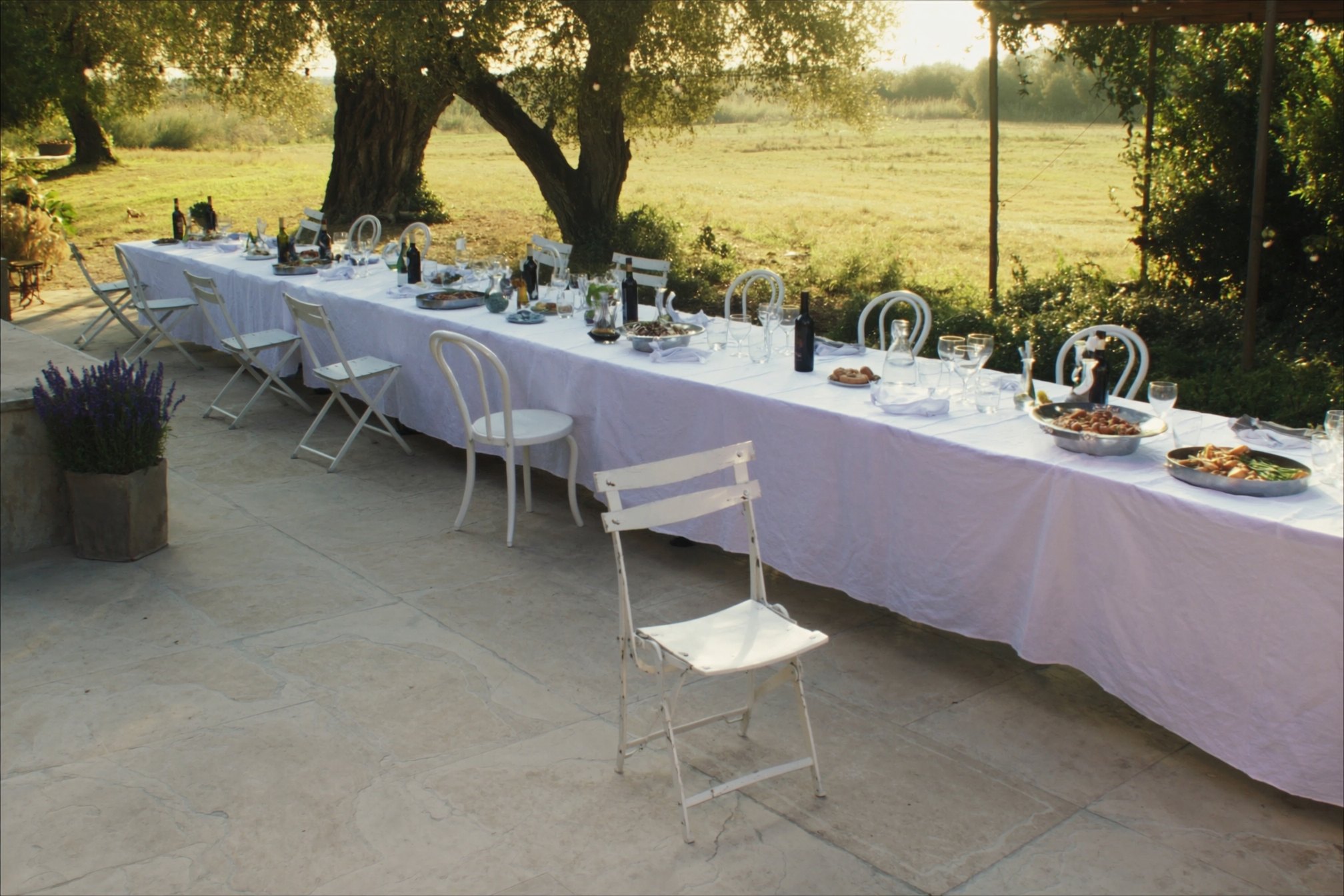
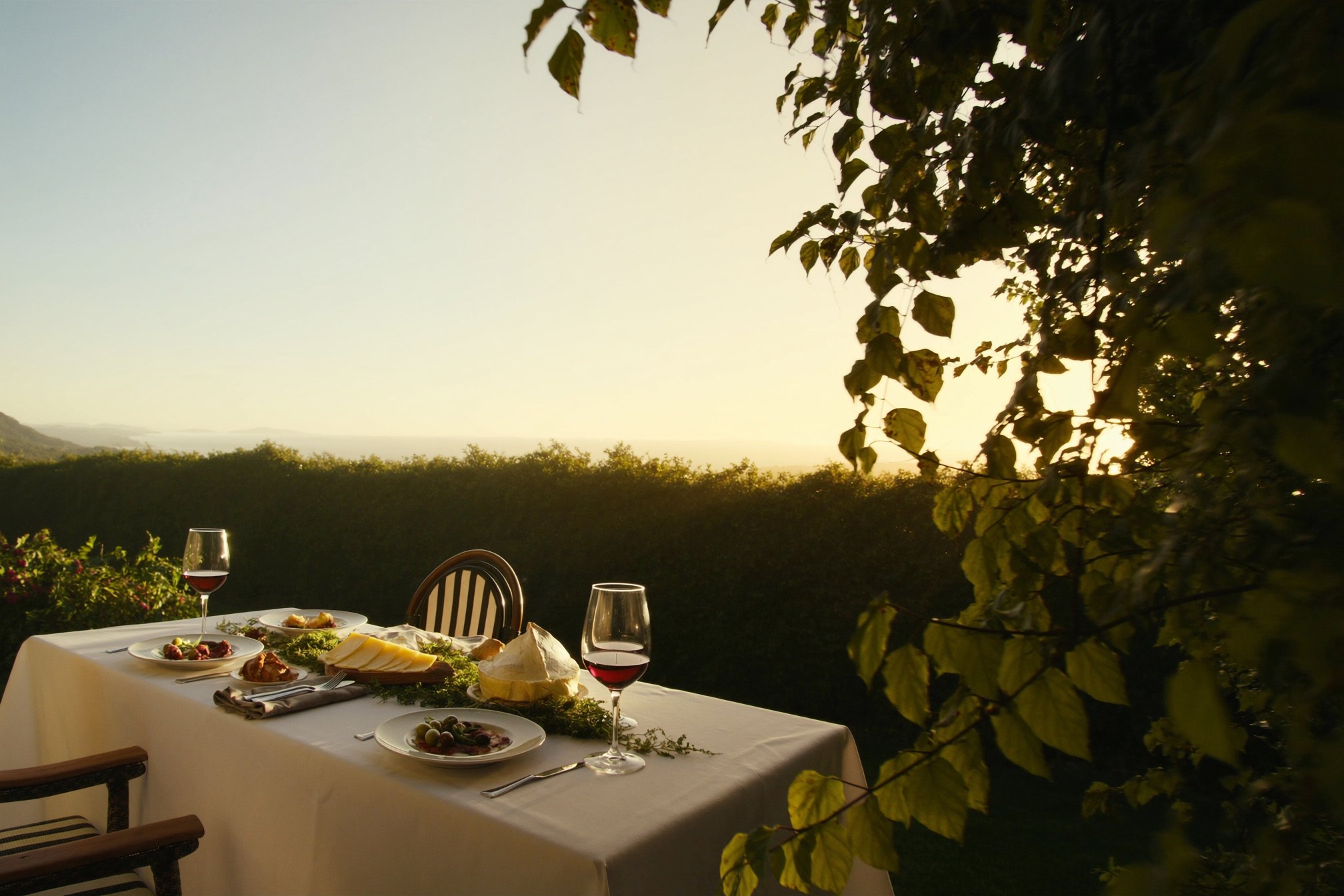
Dinner slow. Back to the plaza or somewhere on the square with a patio and enough room to linger — and if the group has grown past four, call ahead about the table. You've been warm all day; the evening cool is the right contrast. The silk of a light jacket pulled on at dusk. The weight of a full glass. This is what the trip was for.
Sunday: Don't rush the exit
The mistake people make is trying to fill Sunday. Don't. If the list said a slow morning, defend it. Coffee brought back to the room. No itinerary before ten. Maybe a farmers market on the square if your legs want movement. Maybe nothing.
Drive home the long way. Through Petaluma, down the coast if you have time, or back through Sonoma Valley with the windows down. The trip doesn't end at checkout. It ends when you walk back into your real life. Give it a proper ending.
What Happens When You Share It
Here's what's interesting. When you hand someone an itinerary that was built with real desire, they almost always relax into it. Not because they have no opinions, but because the trip already has a nervous system. It knows what it is.
They'll add things. Of course they will. Maybe they find the tasting room, maybe they know someone in Healdsburg worth a detour, maybe they're the one who wants to keep driving instead of stopping. Good. Those additions land differently on a trip that already has bones. They feel like gifts rather than corrections.
And you'll notice something else: watching someone inhabit a world you built for yourself is its own form of intimacy. You're not showing them a slideshow. You're showing them what you actually like. What you reach for when nobody's watching. That's more revealing than most conversations.
The Thing You're Actually Practicing
Planning a trip for yourself first is practice in knowing what you want and being willing to say so. That's not a small thing. Most people are better at saying what they don't want than naming what they do.
A Sonoma weekend is low stakes enough to try it. The worst outcome is a very good trip that has one wrong afternoon. But the real outcome, more often than not, is that you both come home remembering something specific: the mineral smell of the pool, the drive back through the valley with the sun going down, the moment one of you said something honest because the heat had made you calm enough to say it.
That doesn't come from a compromise itinerary. It comes from a trip someone actually wanted to take.
Related: The Sonoma Backroad Drive with No Destination goes further into the county's instinct for unhurried travel. And if the meal is the destination, The Art of the Slow Dinner has the logic of letting food do the relational work.