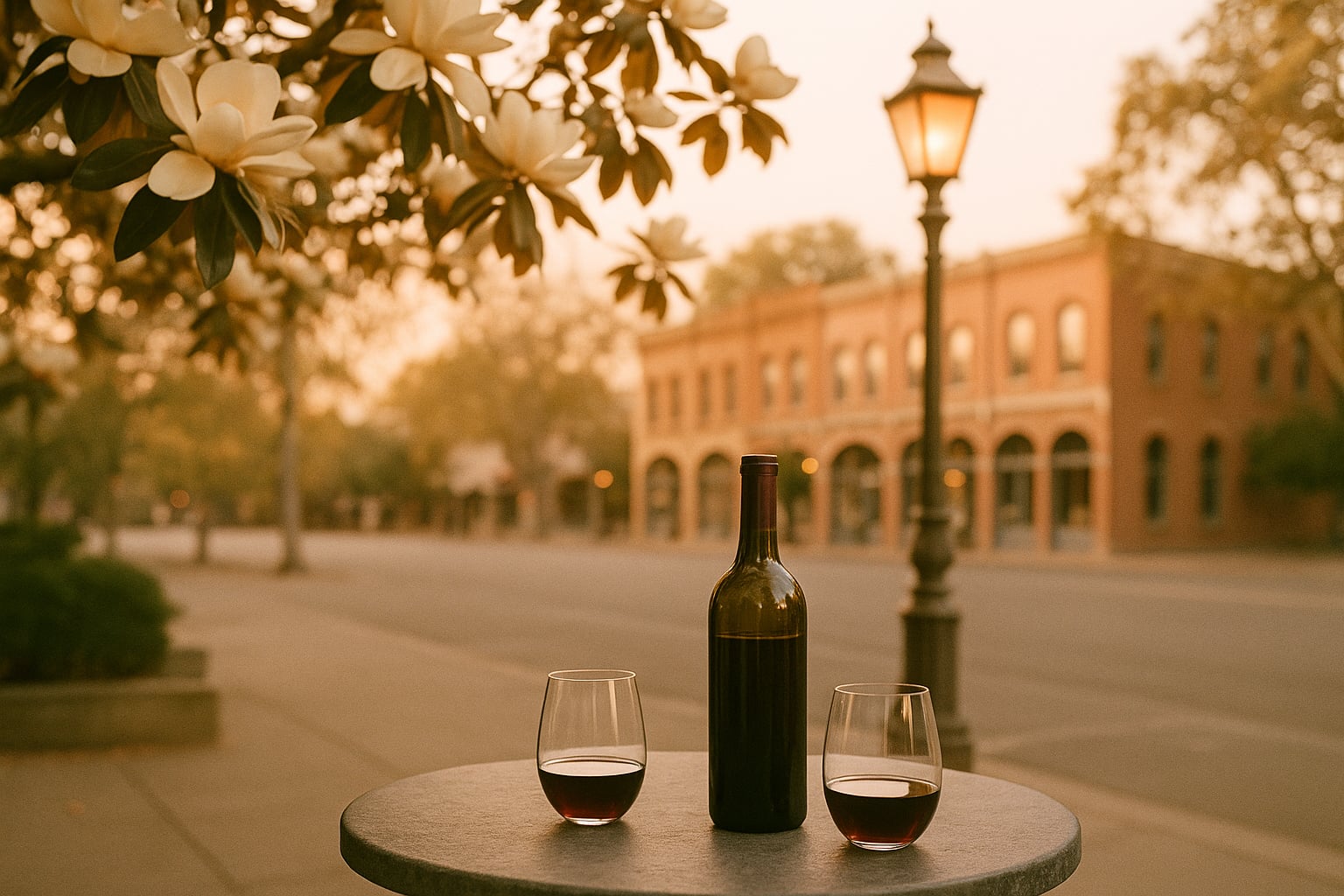
There's a bottle in your house right now that you won't open. You know the one. It might be a Dry Creek Zinfandel someone brought back from a weekend in Healdsburg. Maybe a Ridge or a Littorai that cost more than you want to admit. It's been sitting there for six, eight, fourteen months. Waiting for the occasion that is worthy of it.
The occasion has not arrived. It probably won't. Not in the form you've imagined.
This is the Sonoma Cellar Pull problem. And it has almost nothing to do with wine.
What You're Actually Waiting For
The good bottle is a stand-in. For the evening that earns it. The dinner where everyone is present and nobody checks their phone. The night when you feel like the version of yourself who deserves expensive things. When the relationship feels full and celebratory rather than functional and tired.
You are, without meaning to, holding joy in reserve. Rationing it. Waiting for conditions that may never perfectly align.
The wine in your cellar, or your high cabinet, or that specific corner of the counter: it's a symbol of a life you're planning to fully inhabit later.
The special occasion is just Tuesday with the lights a little lower and a decision not to wait anymore.
— MLL
The Micro-Behavior That Gives It Away
Watch what people reach for on an ordinary Wednesday. The $14 something. The reliable grocery store red. The thing they wouldn't feel bad about if it was mediocre. They save the good bottle for guests. For validation. For a dinner party that proves their taste to someone else.
The person they share a home with — the one who knows them completely, who has seen them sick and irritable and unselfconscious in the kitchen — that person gets the weeknight bottle.
There's something quietly backwards about that.
What Opening It Actually Does
Pull the good bottle on a Tuesday. Not because anything happened. Just because it's a night and you're both there and the alternative is another night of fine.
Something shifts when you do. Not dramatically. Not with music swelling. But the act of choosing the good thing signals to both of you: this night is worth it. We are worth it. Not when we accomplish something. Right now.
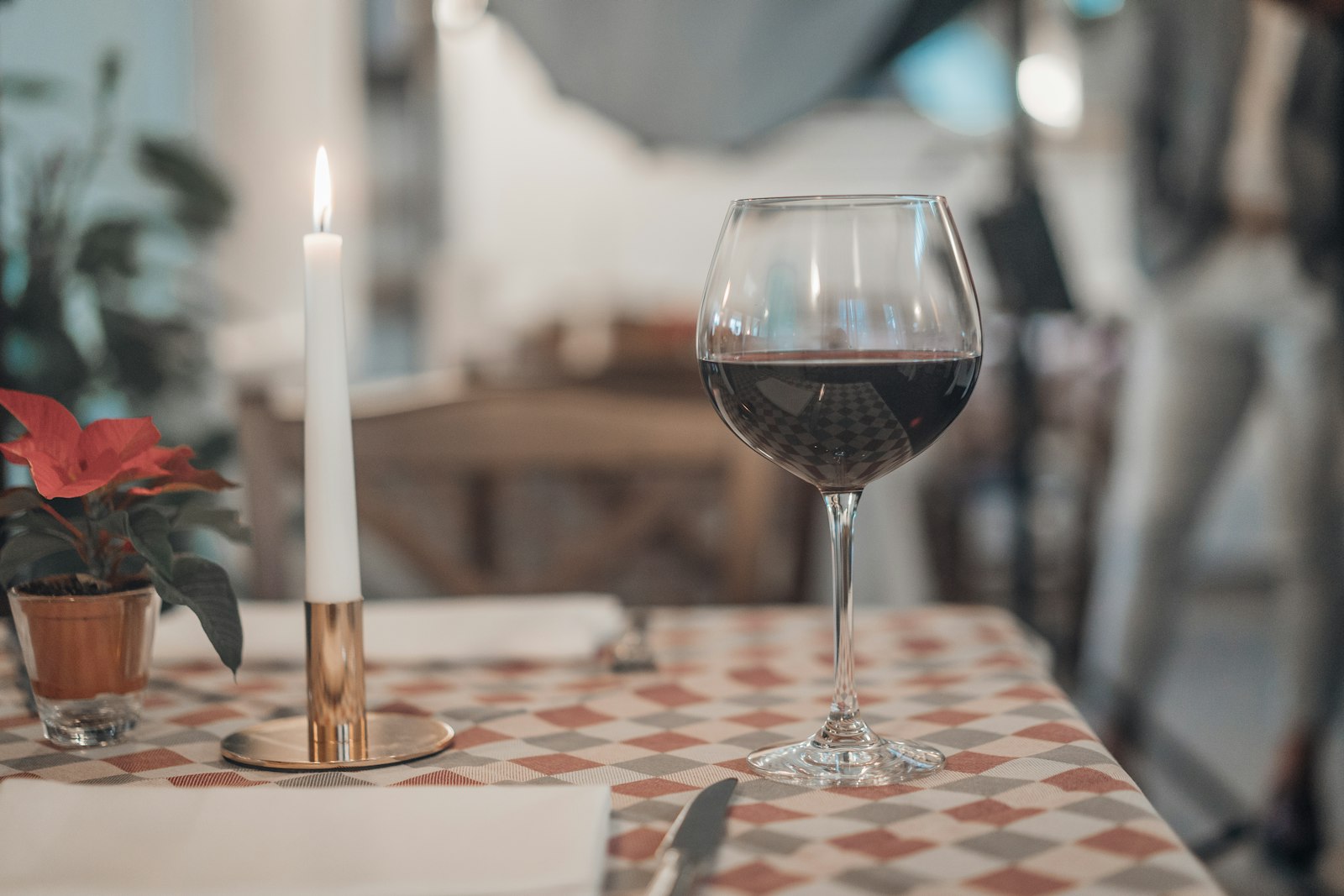
The glass is heavier. The pour is darker — maybe it's an Alexander Valley Cabernet, that specific weight of it, the smell of cedar and leather when you put your nose in. You sit down at the table instead of the couch. You slow down, even slightly, because the wine asks you to pay attention to it.
That slowing down is the whole point. The bottle is just the mechanism.
How to Do It Without Making It a Thing
Don't announce it. Don't make a production. The moment you say I thought we deserved something special tonight, you've turned a simple decision into a performance that requires the other person to respond correctly.
Just open it. Put it on the table. Let the evening build around it naturally.
The best version of this: no reservation, no plan. Something good from the fridge or the corner place. The bottle decanting on the counter while you figure it out. That particular combination of low effort and high quality is its own kind of luxury.
It's the same instinct that makes a slow dinner at home sometimes beat a restaurant with a two-month waitlist. The intimacy is in the casualness. The message is: I didn't need an occasion. You are the occasion.
The Sonoma Principle
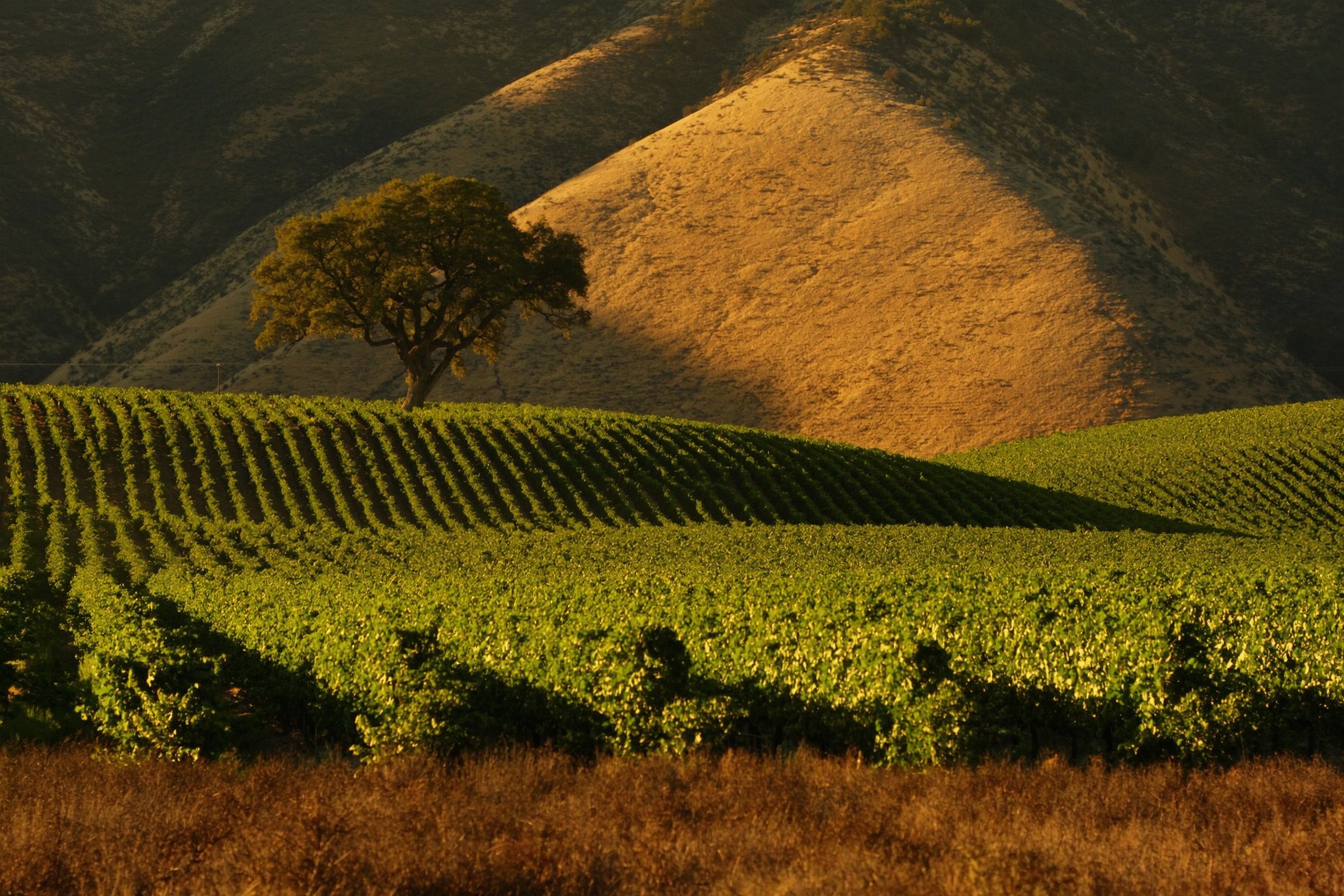
Spend a weekend in wine country and you'll notice something. The people who live there — the ones in Healdsburg or Geyserville who aren't performing tourism — they open the good bottle on a nothing Thursday. They have wine-stained afternoons that go nowhere. They stop at a tasting room on the Westside Road because the light was good, not because they planned to.
The mindset isn't abundance exactly. It's permission. They've decided the good stuff is for living, not for proving.
You can apply this without moving to Sonoma. Which is good, because the housing prices are what they are.
A Few Things Worth Knowing
Is it better to drink wine young or let it age?
Most wines bought in the $25–$60 range are made to drink within three to five years. The window where it's at its best is often shorter than people think. If you're saving something from a Sonoma or Napa producer without specific cellaring guidance, there's a real chance you're waiting past its peak. Open it while it's good.
What if the bottle is genuinely meant for a milestone?
Some bottles carry specific meaning: a wedding year, a birth year, something tied to a real event. Those are worth holding. But most bottles sitting in most homes don't carry that weight. They carry guilt about spending money on something and the vague sense that opening it too soon would be wasteful. That's not the same thing.
How do you make an ordinary night feel like it earns the good bottle?
You don't. That's the reframe. The night doesn't need to earn it. You open the bottle, and the night becomes the occasion. Not the reverse. Stop asking the evening to justify the wine. The wine justifies the evening.
The Part That's Actually About the Relationship
Long-term relationships develop a kind of economy of effort. The big gestures happen for anniversaries and birthdays. The ordinary nights get ordinary attention. It's not malicious. It's just math: you can't sustain high ceremony every evening.
But there's a version of low effort that becomes invisible. Where the person across the table starts to feel like furniture. Where you both stop noticing each other because you've agreed, implicitly, that noticing requires an occasion.
The bottle is a fast bypass around that. It costs one decision. Pull the good wine. Light something. Sit down without your phone face-up on the table. The signal is: I'm here, you're worth this, tonight counts.
That's a lot of work for a bottle of wine to do. But it does it.
Tonight, Specifically
Go find the bottle. The one you've been holding. Look at what you actually have in the house for dinner. Decide it's enough.
Open the wine before you've solved the food question. Let it breathe on the counter. The smell of it in the room is already doing something.
Put on something you'd wear if you were going somewhere. Not because you need to look a certain way, but because the act of getting slightly dressed for a person who already knows everything about you is one of the more romantic things you can do.
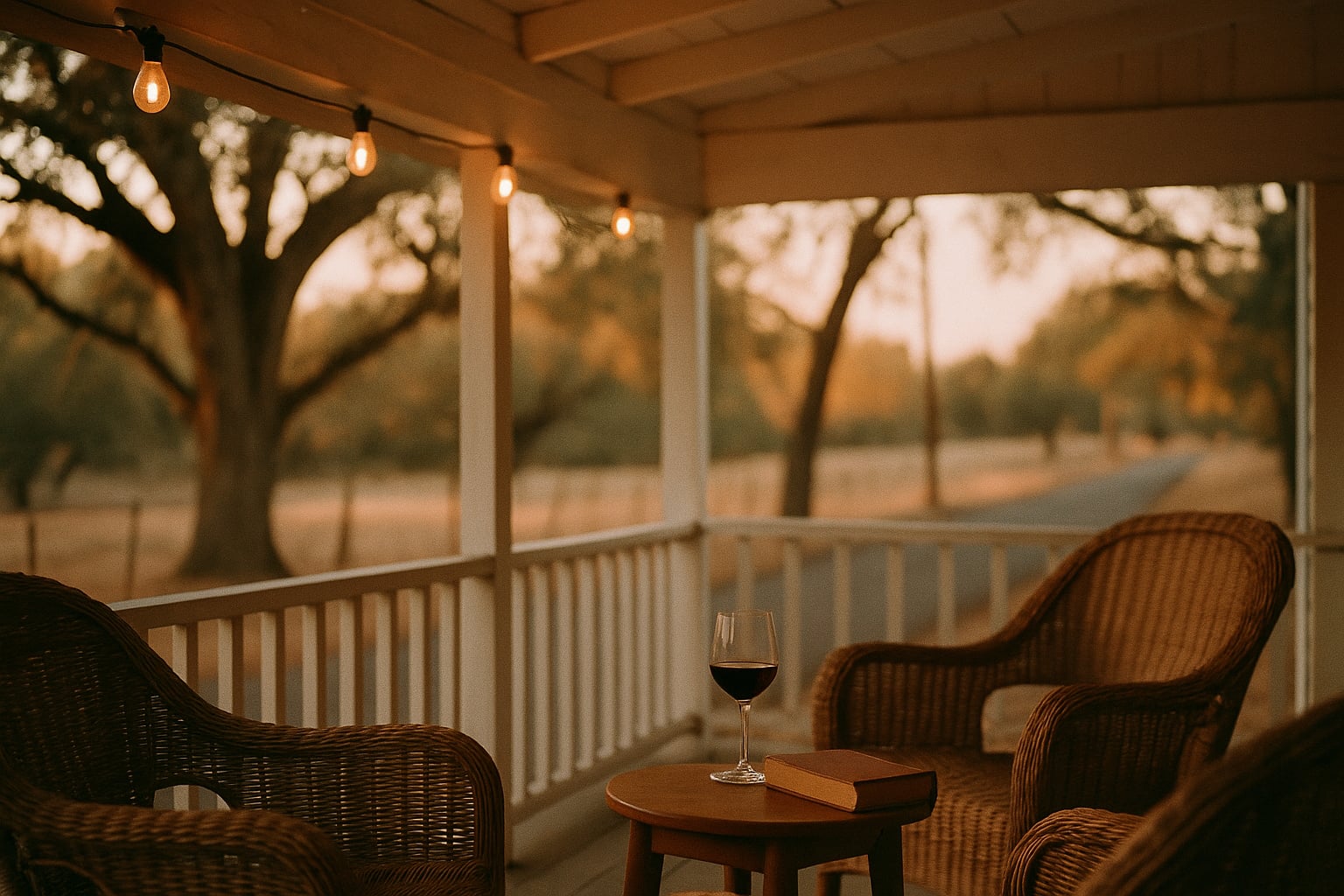
Pour two glasses. Sit down. The occasion is here. It was always going to be this unremarkable Tuesday. The only thing that was ever missing was the decision to treat it like it mattered.
It does.