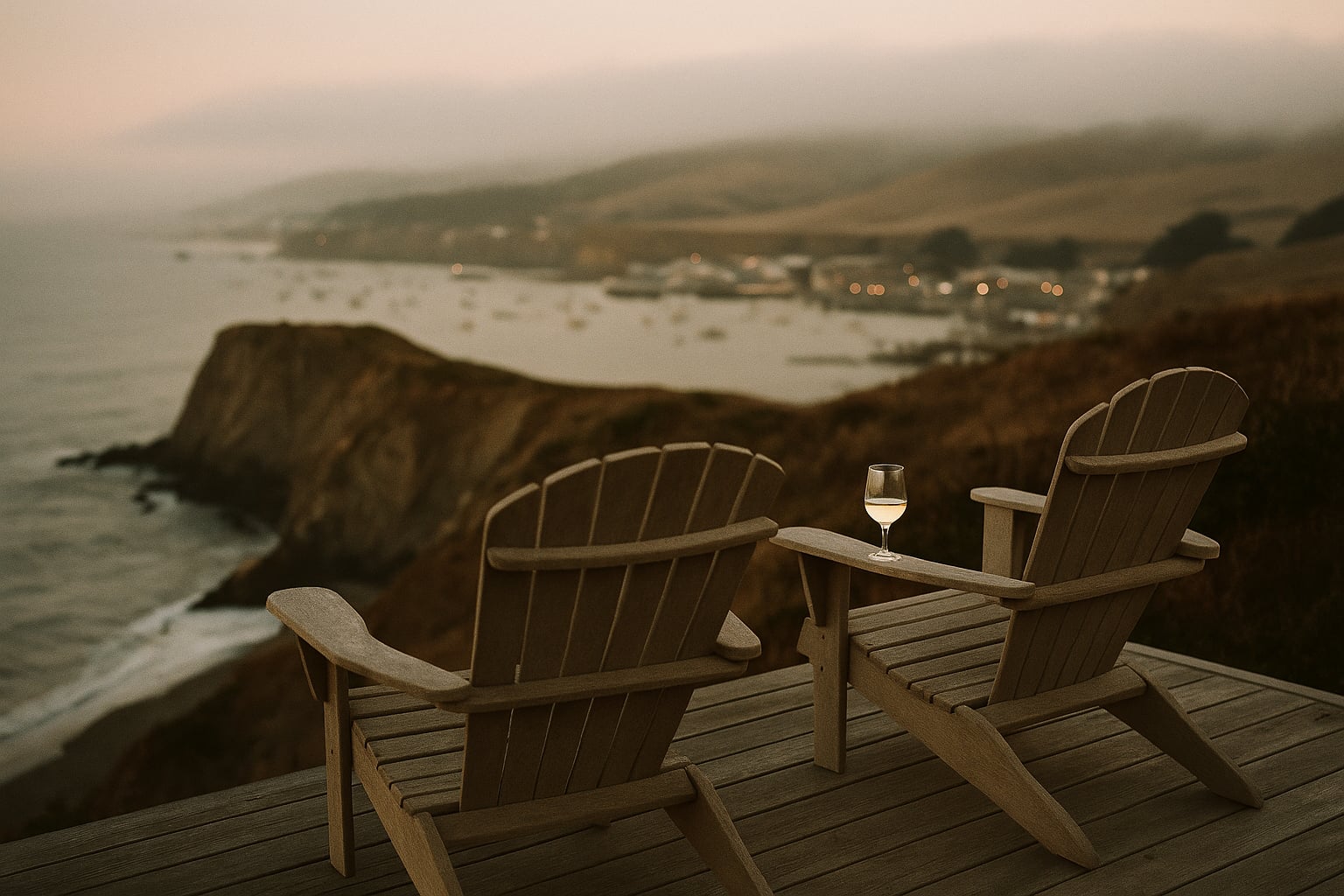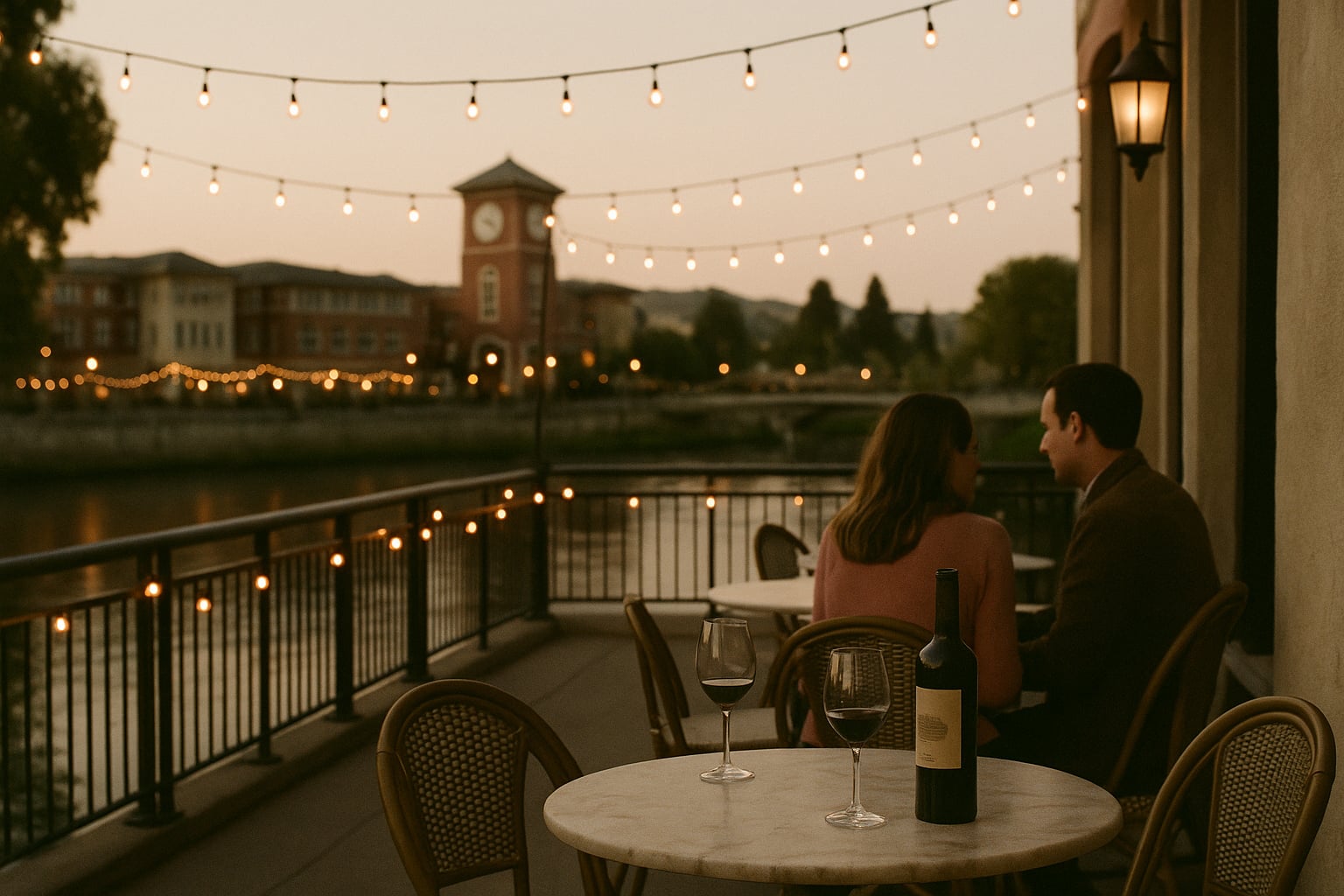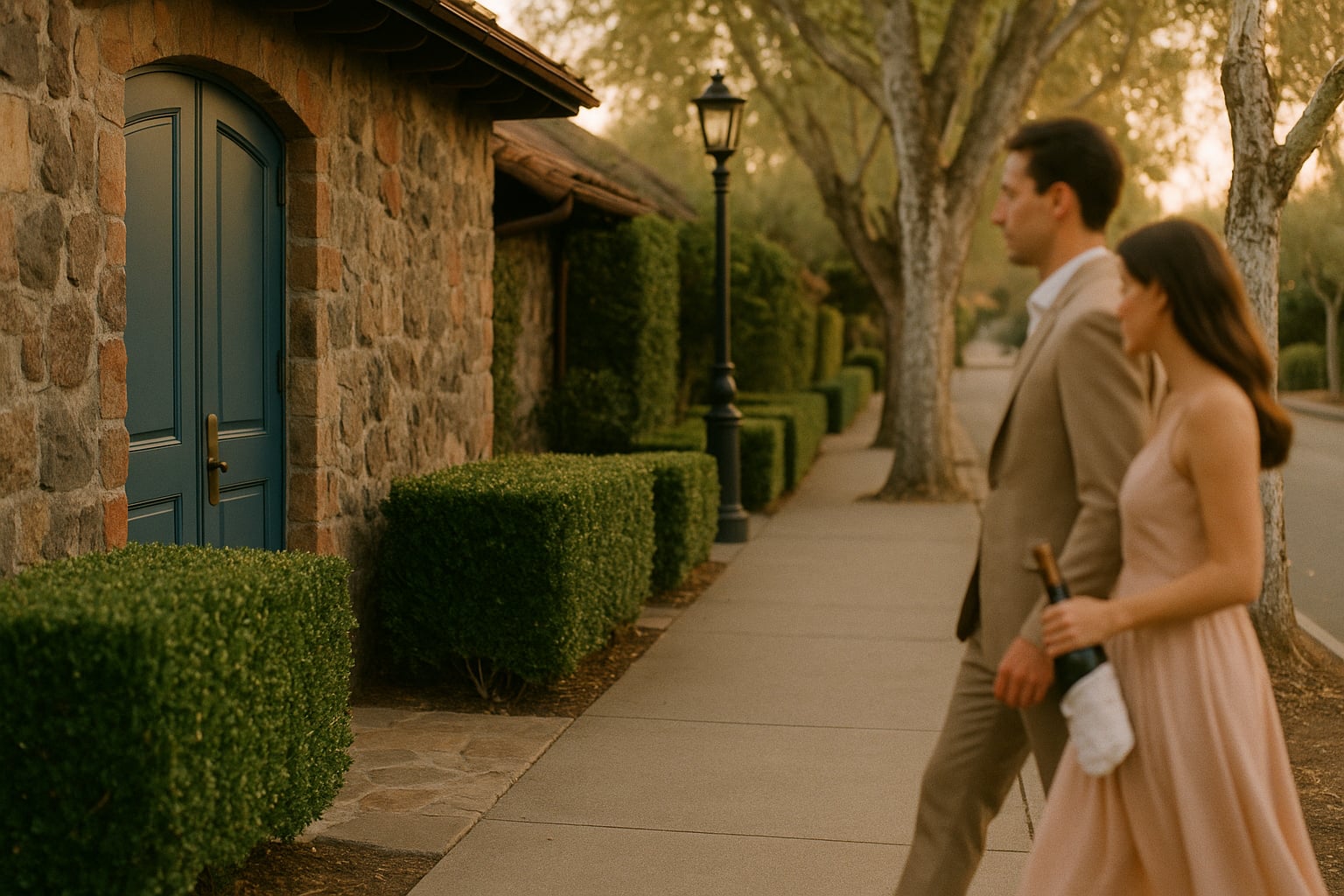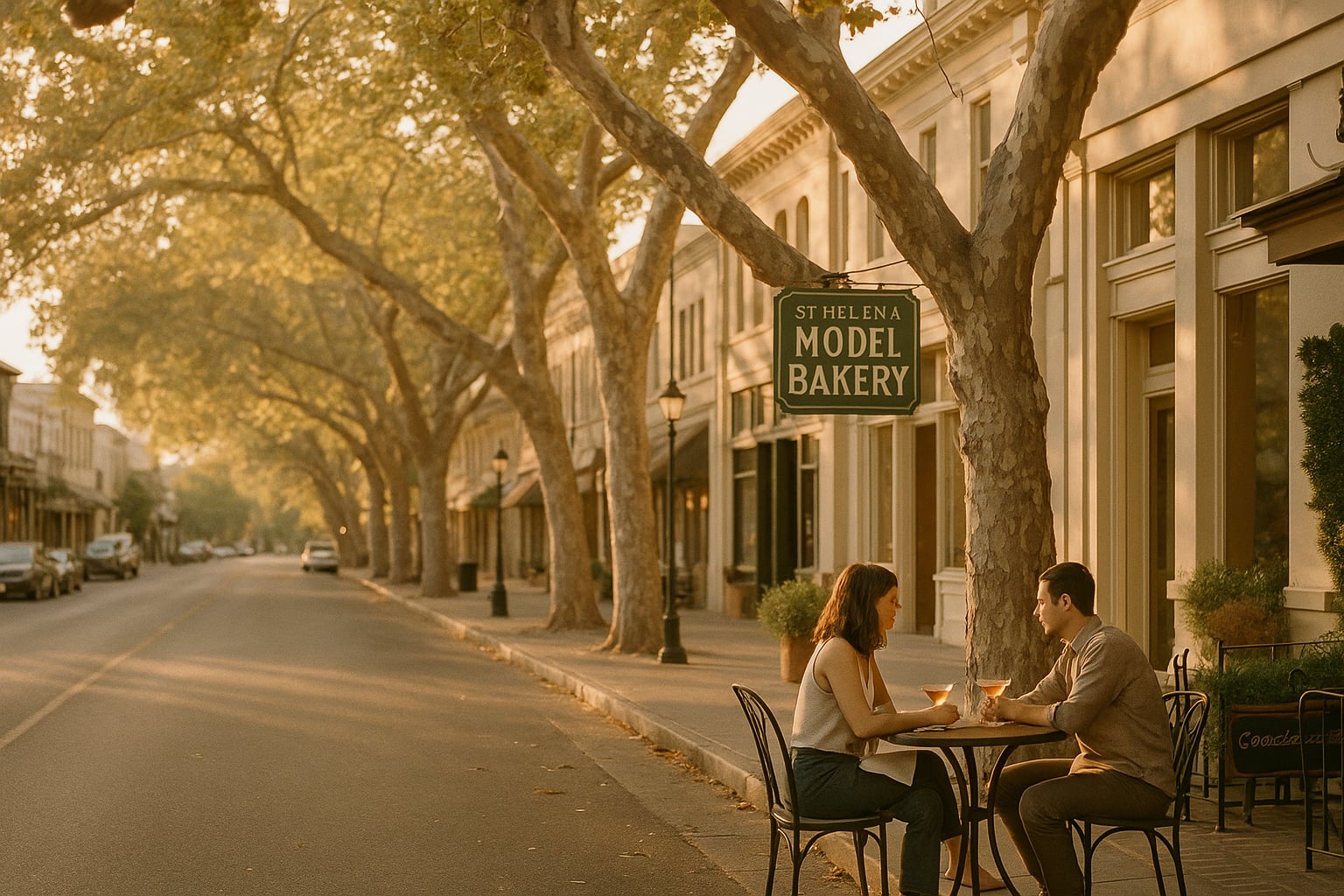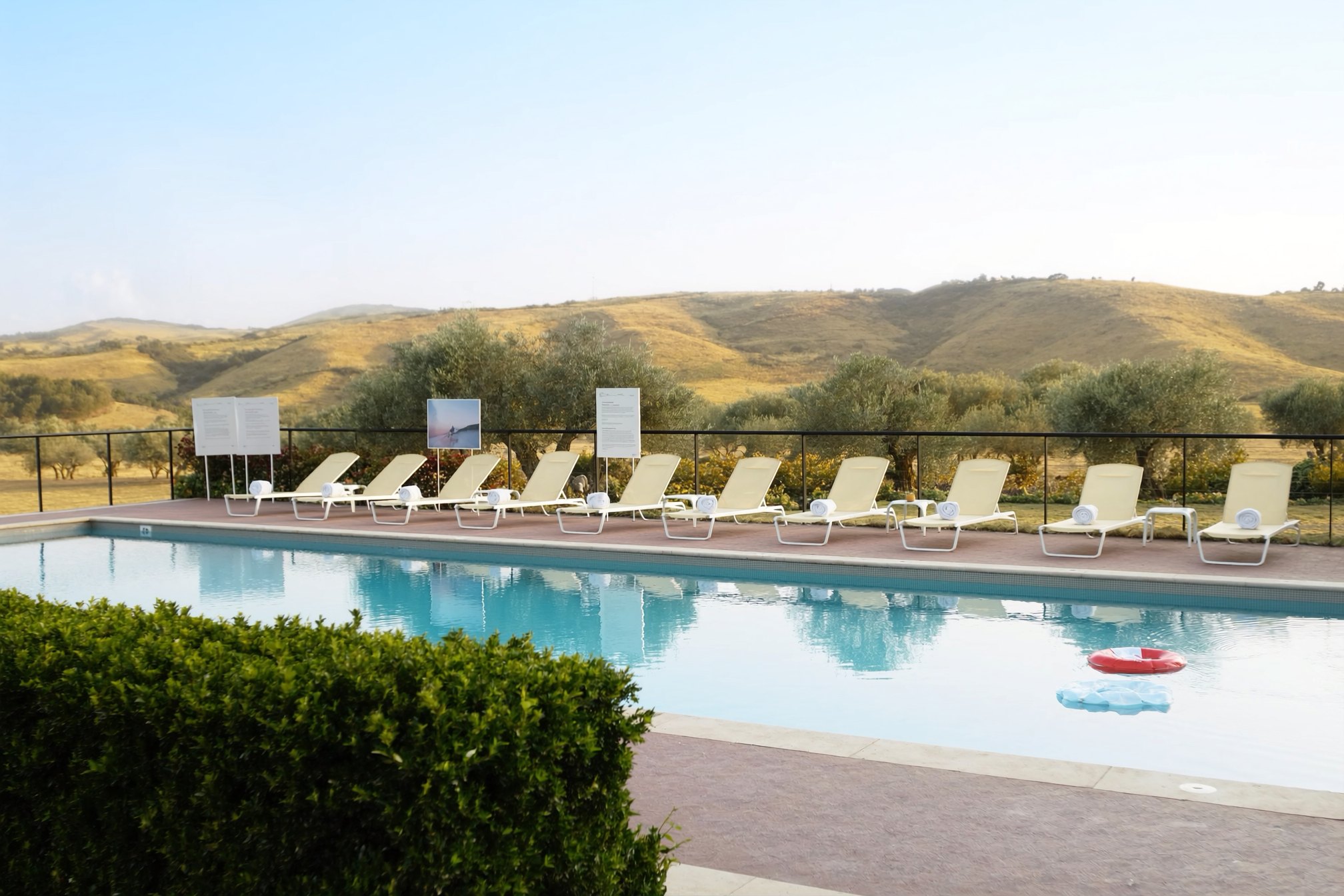
You planned it for weeks. Healdsburg plaza on Friday evening, a tasting at Dry Creek on Saturday afternoon, dinner somewhere with a wood-fired oven and a wine list that requires commitment. Sunday morning at the pool, slow checkout, a pastry from the bakery on your way out of town.
And then the drive home. Two hours, maybe two and a half with a stop. No itinerary. No reservation. Just the two of you and whatever comes out of your mouths on 101 South.
That's the part that matters.
The Weekend Is a Controlled Environment
A Sonoma weekend is, by design, optimized. Good food removes the friction of deciding what to eat. A hotel room with no dishes removes the argument about whose turn it is. Distance from your actual life removes the ambient noise of your actual life.
You're not being your real selves. You're being your vacation selves, which is a slightly more rested, slightly more generous, slightly more attractive version. That's fine. That's the whole point of going.
But vacation selves are on a kind of borrowed time. The drive home is when they start to fade. And what's underneath is what you actually live with.
What People Talk About (And What That Reveals)
The Logistics Loop
Some couples spend most of the drive home running through logistics. The week ahead. The dry cleaning. Whether someone texted about that thing. It sounds like nothing, but it's usually a signal that they're good. They trust the weekend did its work, and they're ready to re-enter without ceremony.
Or they're avoiding something. And you can usually tell which by how quickly they reach for their phone when you hit the first stretch of highway traffic.
The Debrief
Other couples replay the weekend like a highlight reel. The wine that surprised them. The table they lucked into. A joke from Friday night that still lands. This one is actually beautiful if it's genuine — it means they were both present, and now they're building a shared version of the memory together in real time.
When one person drives the debrief and the other just agrees, that's worth noticing.
The Drift Into the Real Thing
This is the one that tends to happen around Santa Rosa, right after the last sip of gas station coffee. One of you says something that isn't quite about the weekend. It's about something older. A thing you've been circling for a while.
It might start as, "That conversation with the couple at the next table was interesting." And then become something else entirely. Something about your own future, or a decision you haven't made, or how you felt watching them.
That drift is the weekend working. The distance and the good meals and the hotel sheets all loosened something. And the car — specifically the car, because you're not looking at each other, because there's forward motion, because exit ramps give you natural pauses — is where it finally surfaces.
The Silence That Doesn't Need Filling
A lot of couples hit a stretch of quiet somewhere on the drive. Maybe Petaluma to Novato. Maybe longer. And what they do with that silence is its own kind of data.
If one of you immediately fills it with a podcast, or a playlist, or a comment about a road sign, that's worth sitting with. Not as a red flag. Just as information.
The couples who can be quiet together in a car for twenty minutes without it meaning anything — that's something. That's actually a lot.
Comfortable silence in a moving car is one of the few honest tests of a relationship that doesn't feel like a test while it's happening.
— MLL editors
What the Weekend Itself Can't Tell You
The tasting room at Dry Creek, the long lunch in Yountville, the morning soak at Solage — none of it reveals how you handle being low-grade tired with each other. Or whether one of you goes quiet when something felt slightly off and never says what it was.
Three days away doesn't show you how you argue. It often prevents argument entirely. Which is its own kind of gift, but also a kind of delay.
The drive home removes that cushion. You're coming down. The robe and the wine and the view of the vineyard from the room are behind you. What's in front of you is Sunday dinner and Monday morning.
How you both handle that transition is closer to the truth than almost anything that happened in Healdsburg.
A Few Small Things to Notice
Who drives. Not because it matters who drives, but because the person who doesn't drive usually talks more. If the talker is always the same person, the dynamic is probably always the same dynamic.
When the phones come out. There's a natural point where you both check back into your real life — texts, emails, the thing you were ignoring for three days. If it happens before you've even cleared Cloverdale, that's different from it happening when you're twenty minutes from home.
Whether you make a plan for next time. Not the logistics of booking it. The impulse to say "we should do this again" and mean it, specifically, with each other — that impulse is worth paying attention to.
How you talk about the parts that weren't perfect. The reservation that took too long, the wine you overpaid for, the one afternoon that went slightly sideways. Couples who can laugh at the not-perfect parts without anyone getting defensive — that's a durability signal.
The Part Nobody Puts on an Itinerary
Here's what actually makes a Sonoma weekend worth doing: not the tasting notes, not the thread count, not the Instagram sunset from the Healdsburg plaza. It's whether you leave knowing something slightly more true about the two of you.
That usually happens in the car. On the way back. With bad coffee and a half-eaten bag of something from the last rest stop.
You spent three days loosening up. The drive home is when something real falls out.
That's the actual itinerary. Everything else was just the setup.