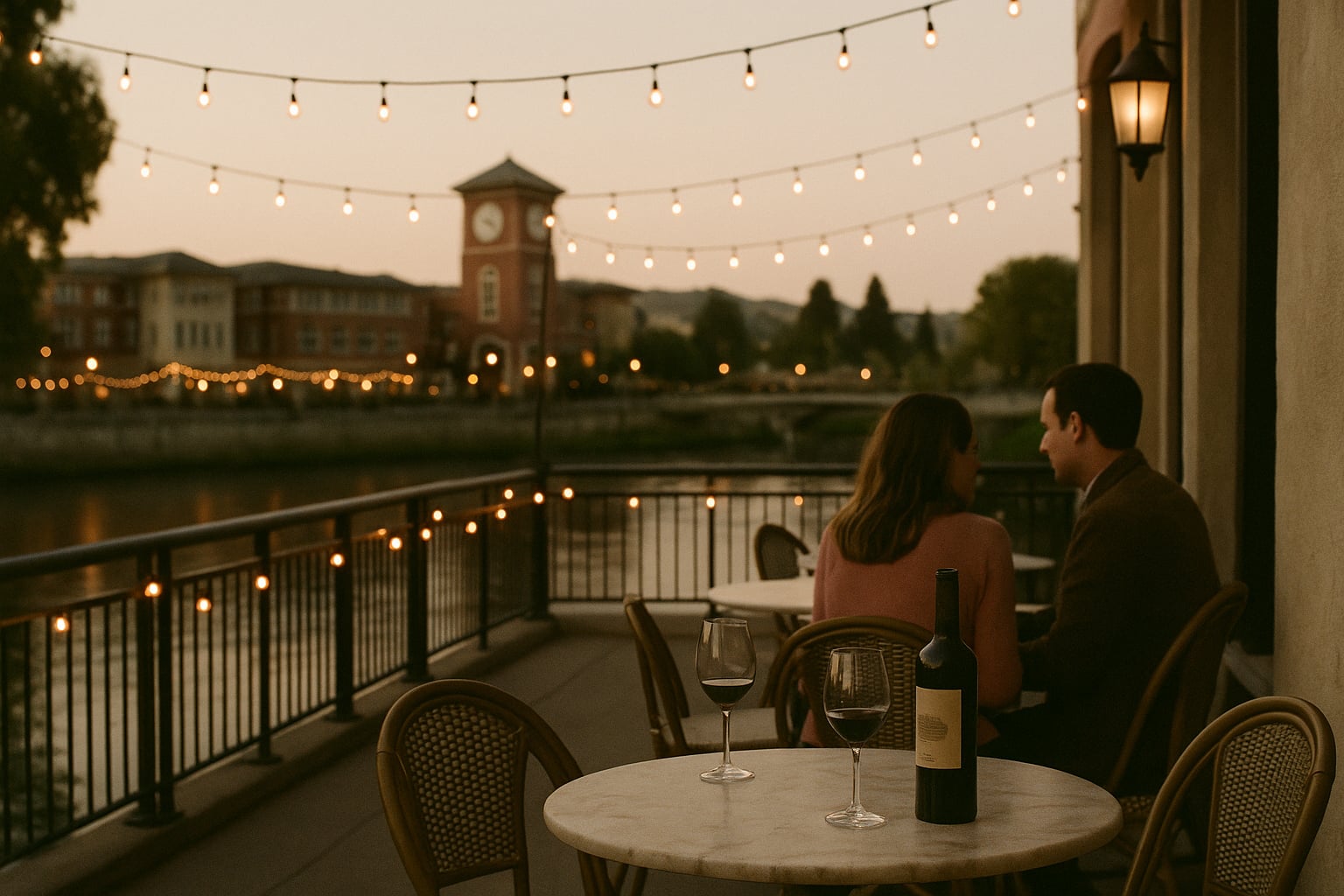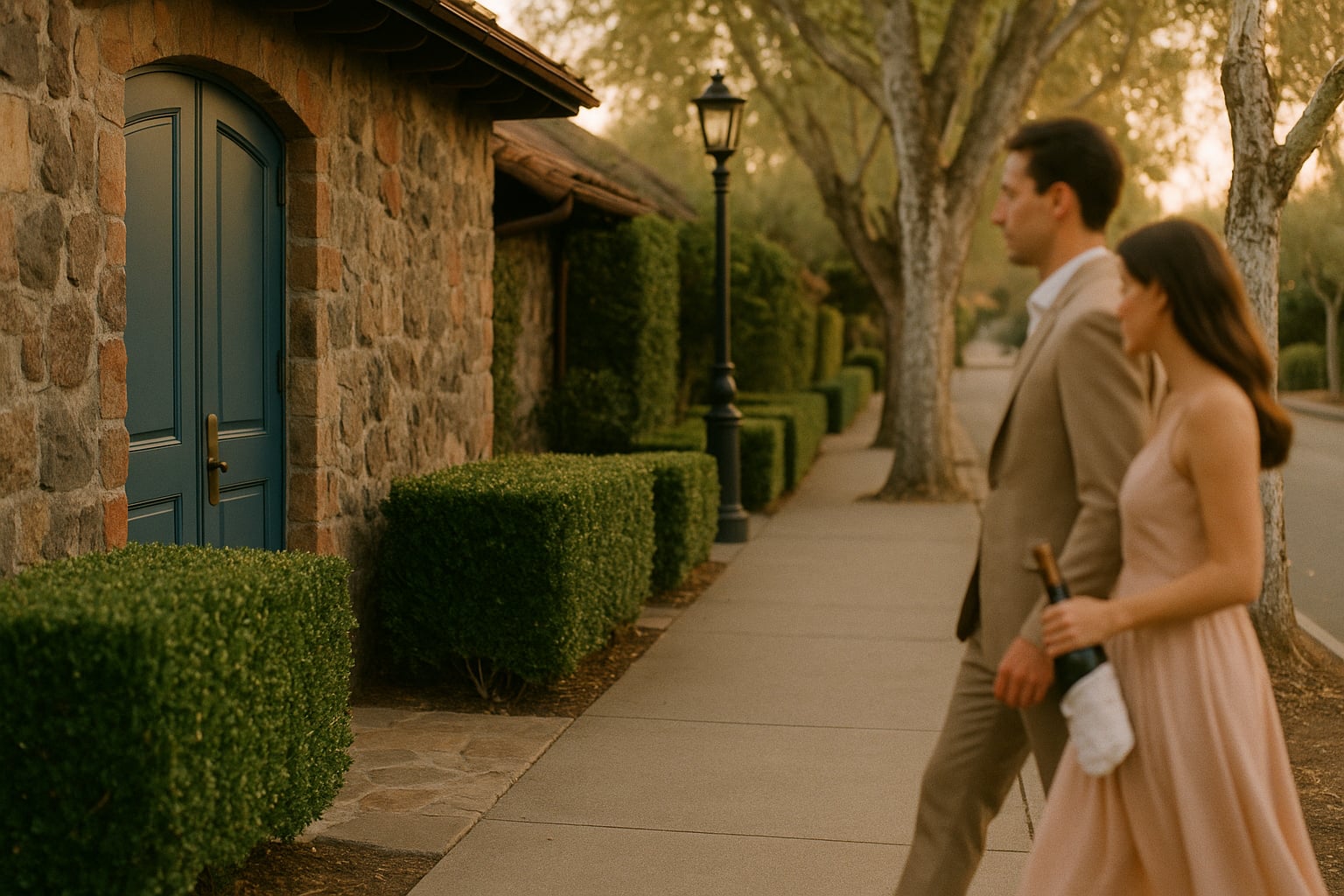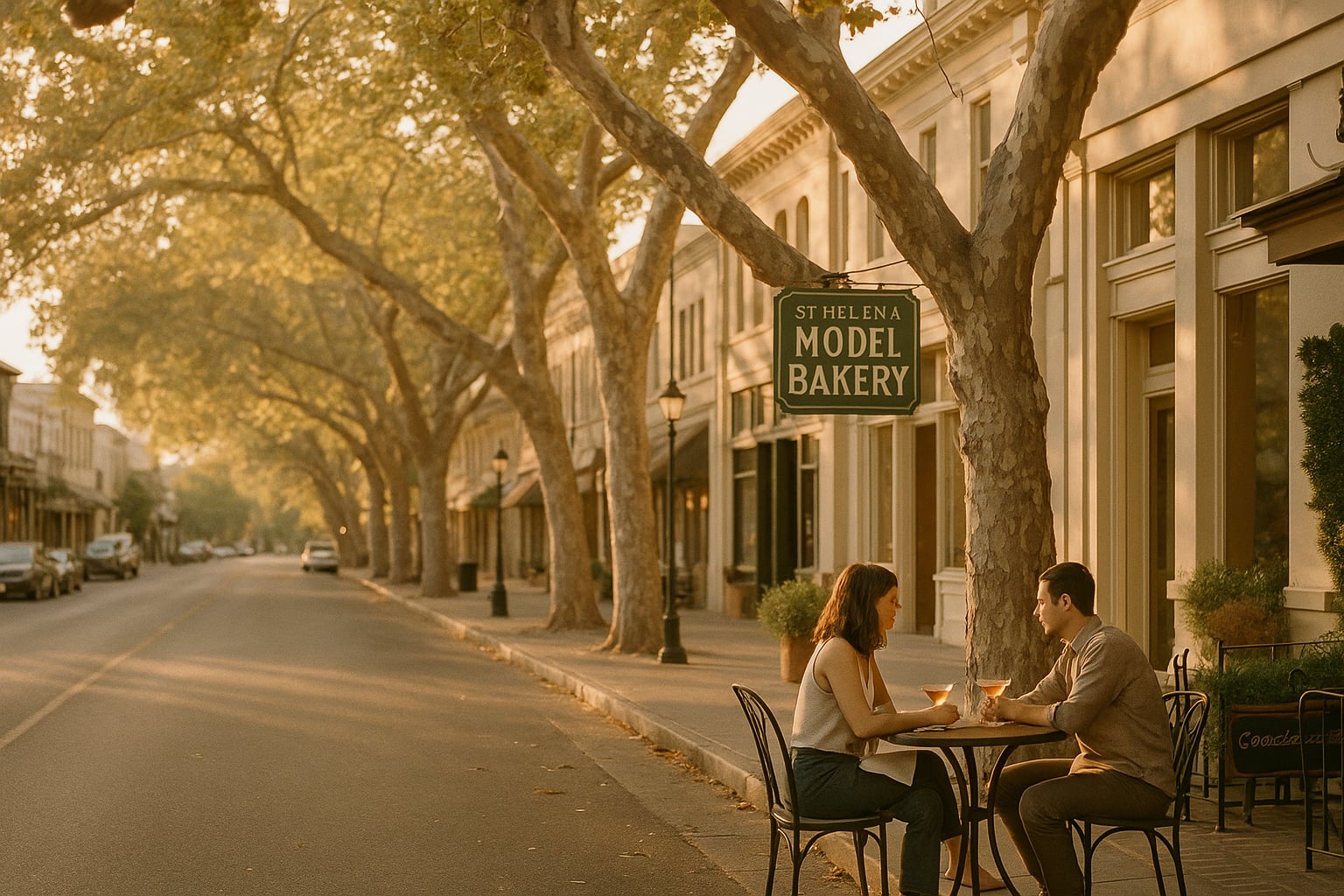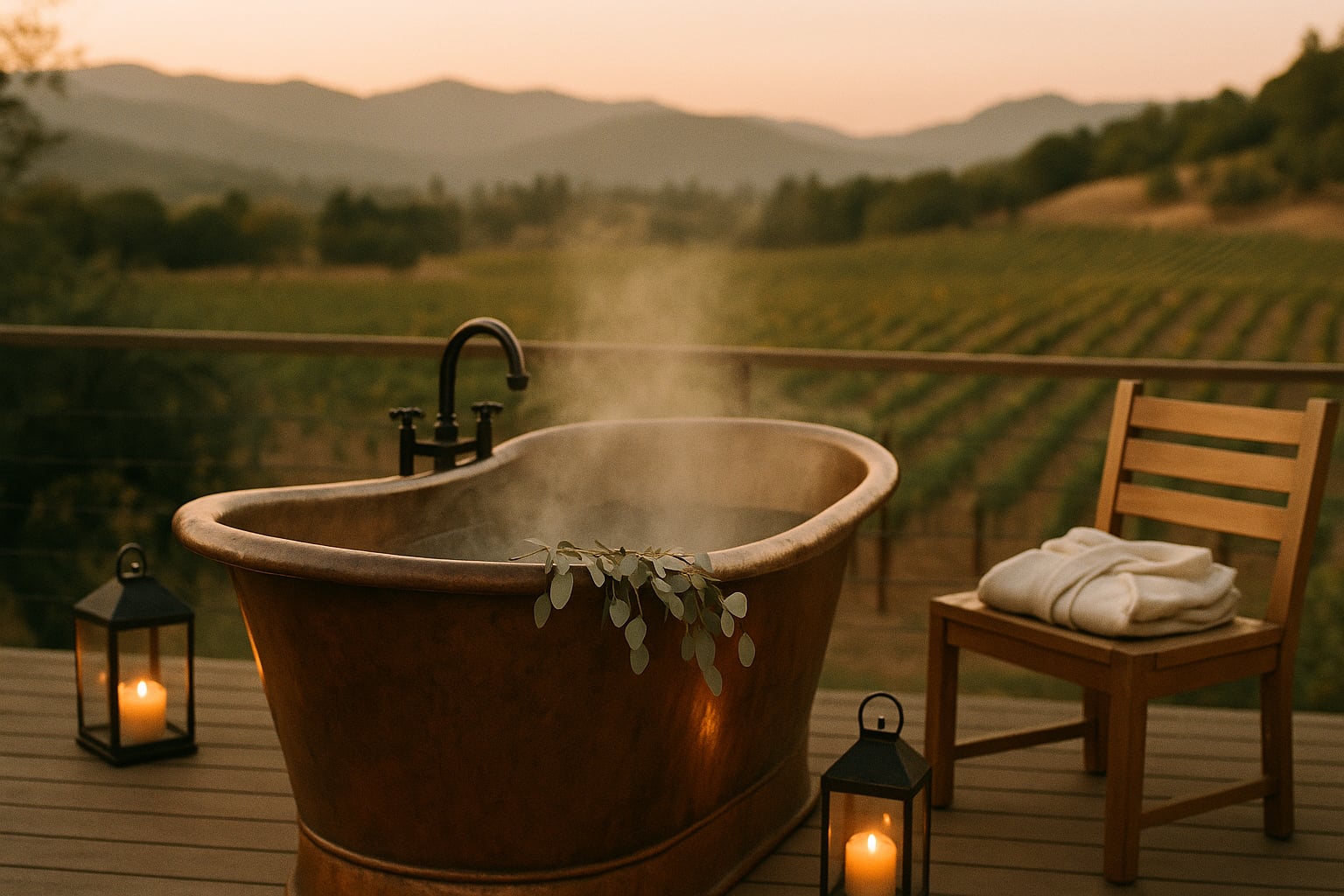
Everyone photographs Sonoma in October. The crush, the color, the Instagram-ready rows of cab franc going rust and gold. It looks exactly like a wine country poster and people show up accordingly — weekend traffic on 101, tasting rooms at capacity, the Healdsburg plaza packed with people holding glasses they haven't sipped yet.
November is different. The harvest is done. The vines are stripped. And somehow, inexplicably, almost nobody comes.
That's the version of Sonoma that gets inside you.
What Post-Harvest Actually Looks Like
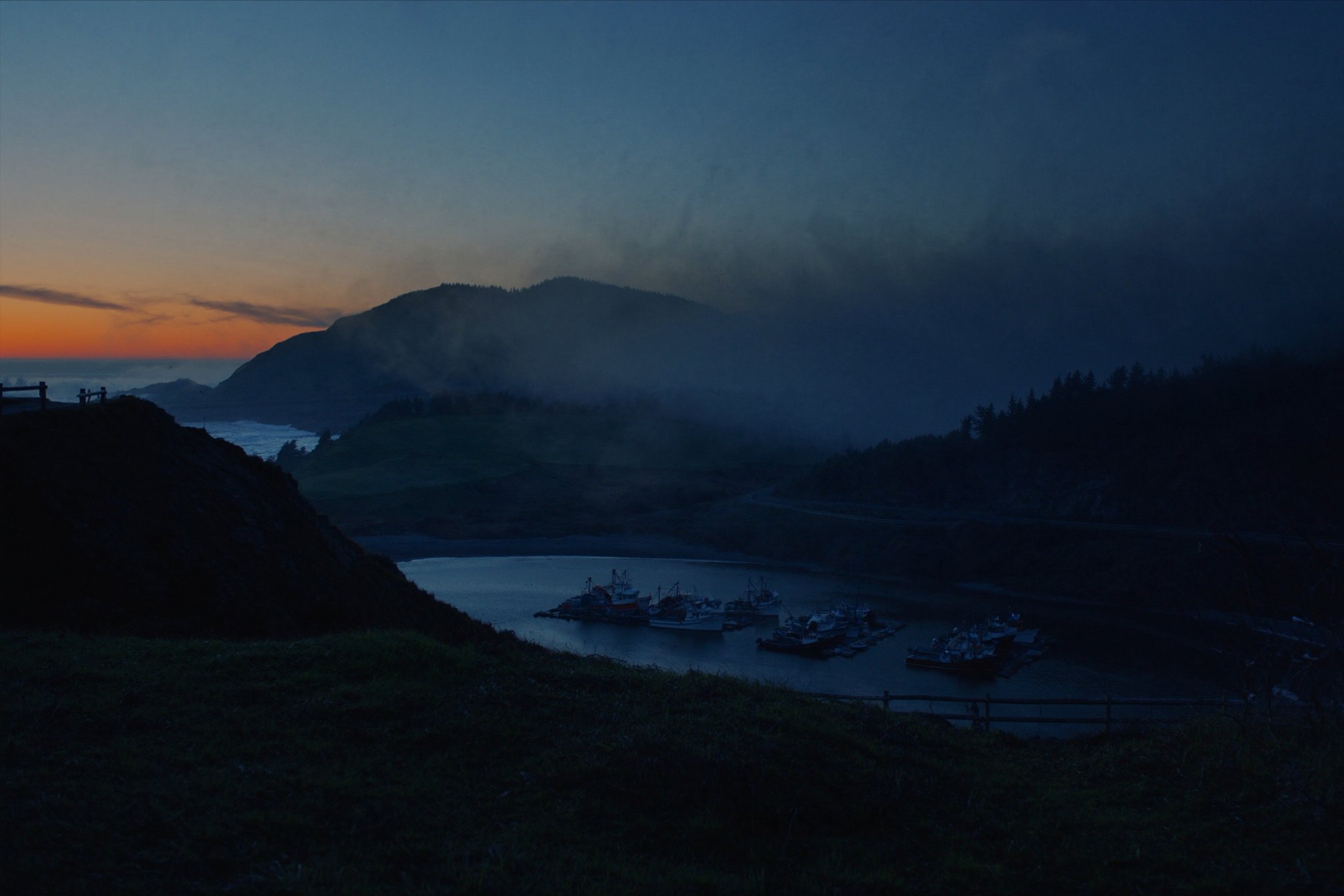
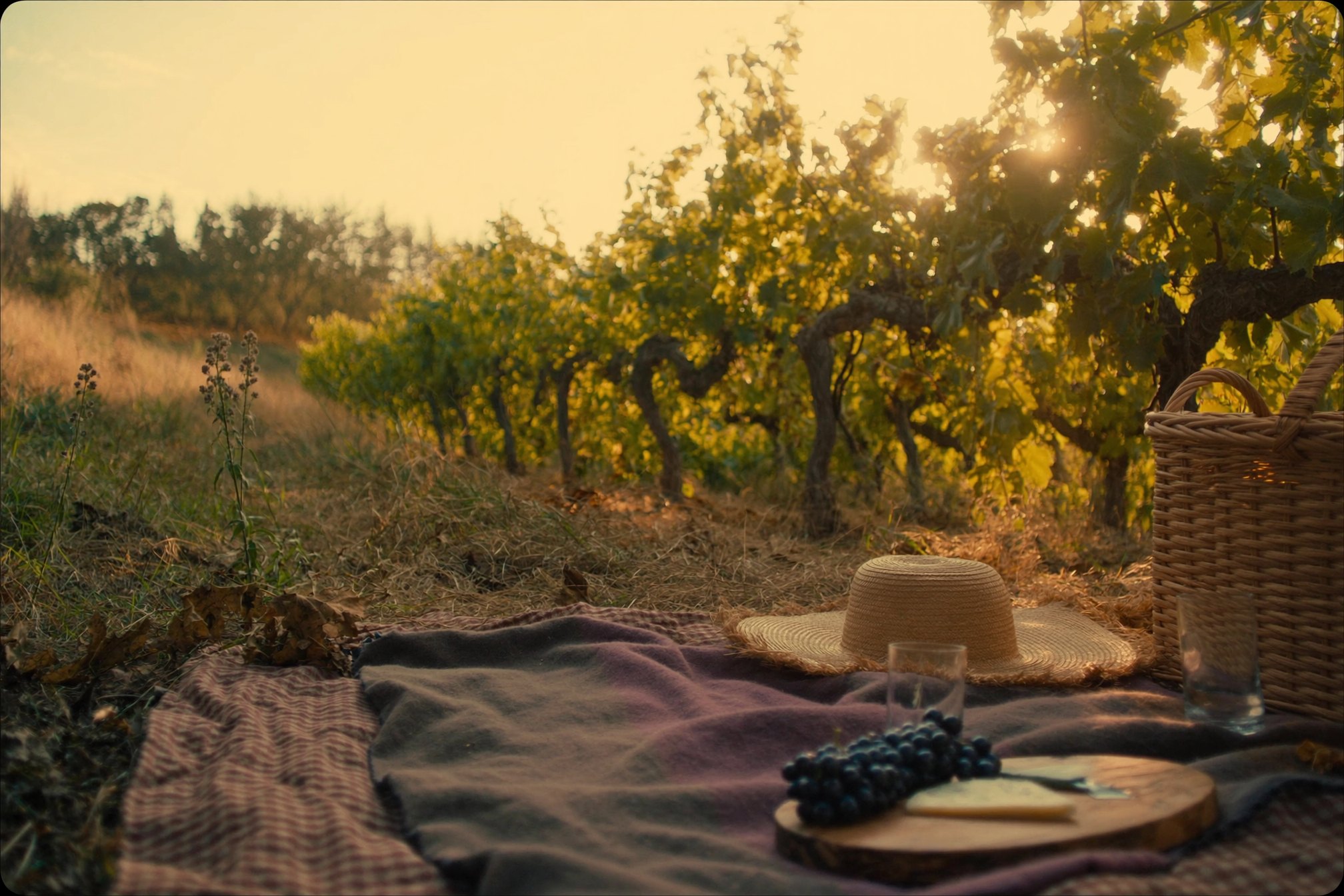
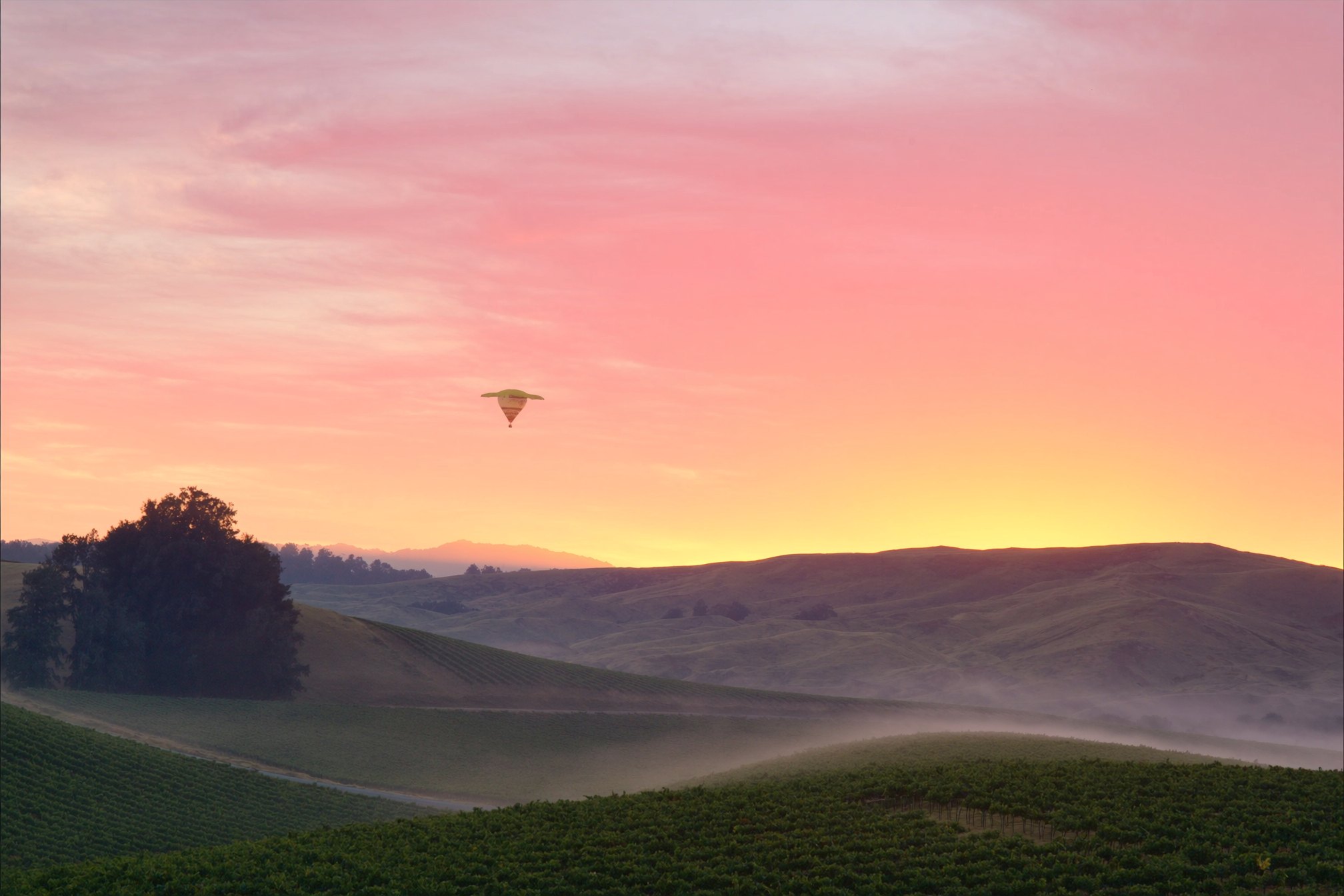
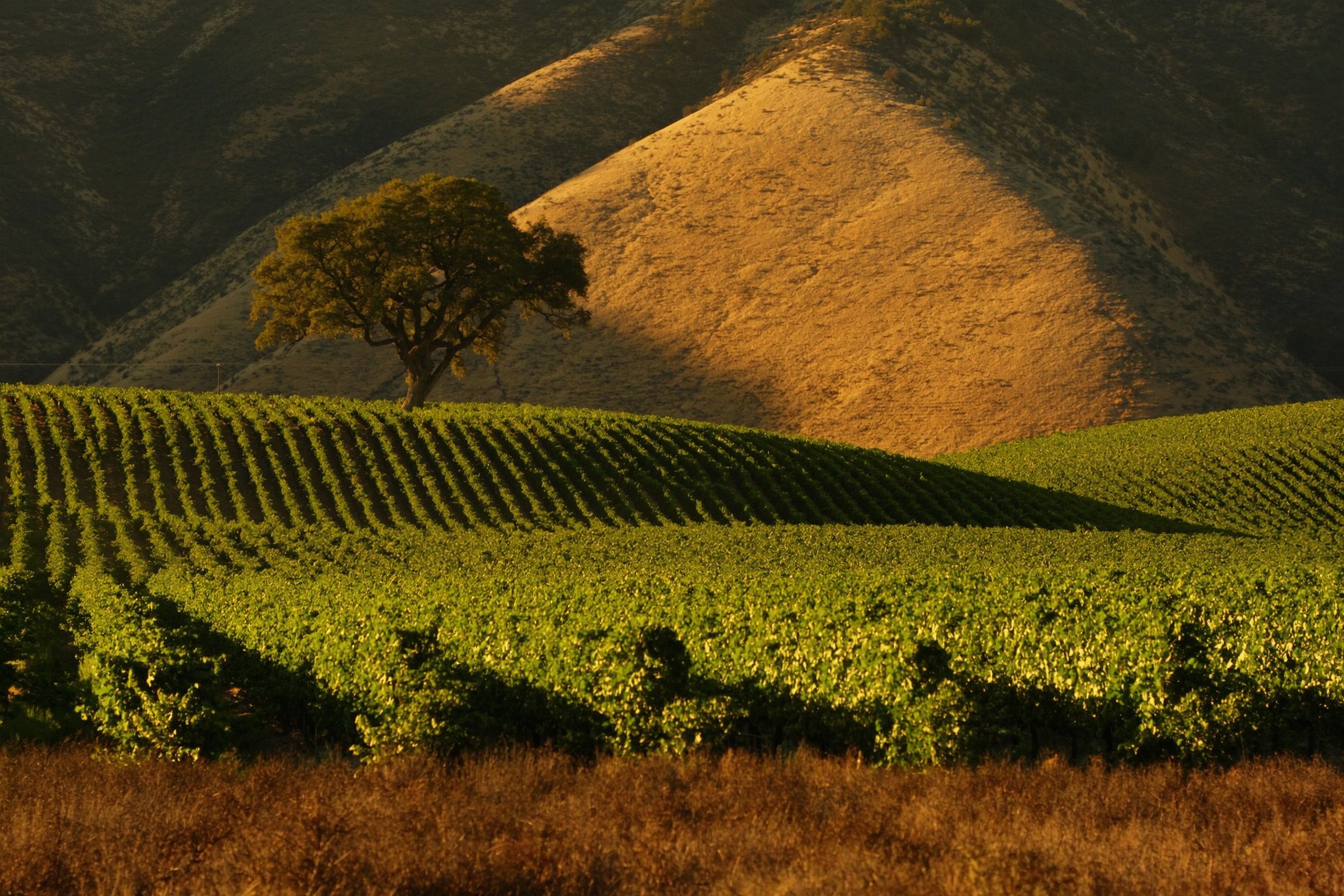
The vines in November aren't barren — they're architectural. Rows of bare wood against pale morning sky, fog sitting low in the Alexander Valley, the occasional late-harvest Zinfandel block still holding a few dark clusters. It's not pretty the way the brochure is pretty. It's prettier, because it's real.
The light is softer, lower, more honest. Everything is a little muted. The hills go from gold to olive. The air smells like wet earth and woodsmoke instead of fermentation tanks.
There's a specific quality to a landscape that isn't performing for you. Sonoma in November has it.
The Crowd Problem, Solved
Tasting rooms that were booked out six weeks in advance in September will wave you in. The person pouring will have time to actually talk — about the vintage, about what harvest was like this year, about why the Dry Creek Valley Zin is different from the one they make down the road. These are conversations that don't happen in peak season.
At Solage in Calistoga, the mineral pools are walkable without navigating around bachelorette parties. At Indian Springs, the historic bathhouse has real stillness to it. The thermal water is the same temperature. The experience is categorically different.
The Specific Pleasure of an Off-Season Hotel Room
There's something about checking into a wine country inn in November that feels different from arriving in peak season. Maybe it's the rate. Maybe it's that the staff aren't sprinting. Maybe it's that you get the corner room with the vineyard view because it was actually available.
The bathrobe is heavier. The fireplace in the room isn't decorative. You use it. You sleep with the window cracked because the air is cold enough to matter, and you wake up under layers with no particular urgency to do anything.
This is what people are actually chasing when they book the summer hotel weekend and don't quite find it.
Yountville Without the Wait
Yountville in October is a lesson in patience. November is a different town. You can walk Washington Street without moving in formation. You can get a table at Bouchon without the theatrical wait. The French Laundry is still French Laundry — you're not walking in — but the bistro next door has room at the bar and the duck confit is the same duck confit.
Lunch takes two hours because nobody is waiting for your table. That's the whole point.
The best meals aren't the most expensive ones. They're the ones where nobody's rushing you.
— Overheard at a Yountville bar, November
Why We Default to Peak Season (And What That Costs Us)
There's a pattern here that goes beyond travel planning. We go when everyone else goes because it feels safer — validated. The moment is designated as special and we show up for the designated moment. Then we're surprised when the experience feels managed and slightly exhausting.
Off-season travel is a bet on your own judgment over social consensus. It says: I think I know what I'm actually looking for, and I think I can find it when the noise is down.
That's not a small thing. Most people can't do it. They need the external permission of the peak moment to justify the trip.
What the Sonoma Backroads Do in November
The back way from Healdsburg to Guerneville — Westside Road, following the Russian River — is quiet in a way that makes you feel like you've discovered something. You haven't. It's just that in November, discovery is possible again.
Pull over at a roadside stand still selling late-season apples and a few bottles from a small producer. Pay cash. Eat an apple in the car with the window down. That moment costs nothing and it will stay with you in a way the crowded Saturday tasting room won't.
The Sonoma backroad drive with no destination hits differently when there's actual nothing happening on the road. No cyclists in formation. No tour vans. Just the river and the bare vines and the sound of your own conversation.
What to Actually Do There
Drink the wines they're proud of right now
November is release season for some producers. Barrel samples from the current harvest are moving around. The winemakers are actually there, not buried in harvest logistics. Ask what they'd drink tonight if they were you. You'll get a real answer.
Eat at the bar
Sonoma's best meals happen at the bar in November. No performance, no occasion. Order the thing that sounds specific to here — the local oysters, the housemade charcuterie, the late-season vegetable dish that won't be on the menu in six weeks. Drink something local and slightly obscure and don't photograph it.
Go to the thermal pools on a Tuesday morning
Indian Springs and Solage both run their geothermal pools year-round. November weekday mornings, you might have a lane to yourself. The water is 102 degrees. The air is 48. The contrast is everything.
Do nothing for at least one full afternoon
This is the one. Book a room with a fireplace. Buy a bottle at the last tasting room. Go back to the room at 3pm. Light the fire. Don't plan what comes next. The afternoon that needs no agenda to be romantic is the one you actually remember.
The Real Argument for Going After the Moment
The best version of a place isn't always the one with the best weather or the most Instagram documentation. Sometimes it's the version that forces you to slow down, talk to the person pouring, notice the light without staging yourself in it.
Sonoma in November doesn't ask anything of you. No moment to capture, no crowd to navigate, no itinerary that's actually just anxiety dressed up as fun. It just exists. Muddy and cold and quiet and honest.
Go before everyone remembers it's there.