Nobody ever says, that was good because of what happened at 9 PM. But that's usually when it was decided.
Not by a conversation. Not by a move. By whether someone looked up from their phone when you walked in the room. By whether the lights got dimmed or stayed at full fluorescent. By whether anyone put on music or just left the TV on, loud and indifferent.
The warm-up nobody talks about isn't technique. It's atmosphere. It's attention. It's the fifteen small things that happen before anyone touches anyone, and whether those things land as invitation or static.
The Setup That Isn't Romantic Theater
Here's what people get wrong: they think atmosphere means candles and deliberate seduction. Like you have to turn the apartment into a hotel lobby or it doesn't count.
It's not that. It's just: does this room feel like somewhere a person wants to be right now? Warm enough. Smells okay. Cluttered but not chaotic. The difference between a lamp on and overhead lights blazing is not subtle — your nervous system notices before you do.
Heat is underrated. Not metaphorically. Actual body temperature. A warm shower, a weighted blanket, the side of the bed that's already been slept in — warmth drops the body's vigilance in a way that air conditioning at 68 degrees simply doesn't.
Attention Is the Foreplay
The most direct path to desire is pretty simple: feel like the person you're with actually sees you right now. Not in a processed-feelings way. Just — they're here, you're here, they noticed.
That's it. That's the whole thing.
A hand on the back of your neck while you're standing at the counter. Eye contact that lasts a beat longer than functional. Someone putting their phone face-down without being asked. These aren't grand gestures. They're micro-signals that read, without words, as: I'm thinking about you specifically.
The absence of those signals reads just as clearly. You can be in the same room with someone for ninety minutes and feel completely alone in it. That feeling doesn't evaporate when the lights go out.
The Transition Problem
Most people go from busy and distracted to trying to be intimate with almost no buffer. Dinner, dishes, a few screens, then one person reaches over and the other isn't quite there yet. Not unwilling. Just not arrived.
The transition is the warm-up. How you move from the day into the evening into the room into each other. Whether there's a moment where the pace actually slows or whether you're still running at work speed when someone's hand is on your hip.
You can't sprint all day and then expect your body to act like it's been on vacation.
— Modern Love Living
A slow dinner helps. Not a structured ritual — just eating without a side task. The Art of the Slow Dinner gets into why the table is one of the better foreplay venues that nobody counts as one.
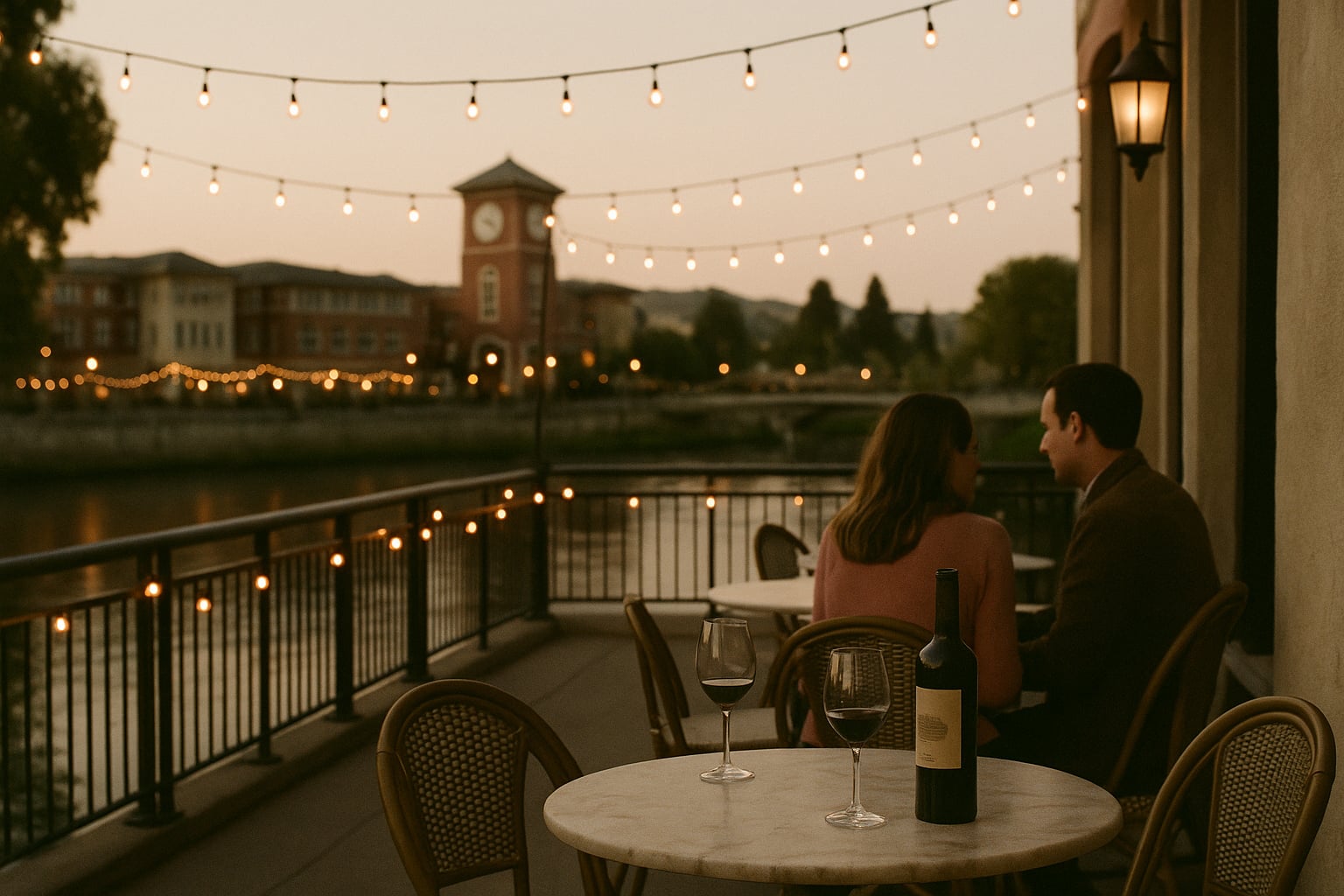
The Sonoma version of this looks like: glasses poured, sitting on the back porch, no agenda for what comes next. The decompression is the point. That's not a vacation habit. It's a transferable one.
Small Signals That Land Differently Than You Think
There are things people do in the hour before that register as desire without being named as such. Getting dressed slowly instead of rushing into pajamas. Putting on music that's not a playlist default. Brushing your teeth before ten-thirty instead of right at the point of surrender.
These read as: I still care what this looks like. What tonight feels like.
Lingerie in this context isn't performance. It's just: I put on something that makes me feel like a person who is present in their body. Even if no one sees it immediately. You feel it. That matters — which is something Lingerie for the Mirror covers more honestly than most.
The signals you send to yourself are part of the warm-up too. Not just the ones toward your partner.
What the Body Is Actually Waiting For
Desire isn't a switch. Anyone who's stared at the ceiling and wondered why it isn't turning on knows this.
The body needs a reason to stop being a worker and start being a lover. That reason isn't usually a technique. It's a felt sense of safety plus a felt sense of interest. Both at the same time. Safety without interest is just comfortable. Interest without safety is anxiety with good lighting.
The hour before sex — when it works — is quietly building both of those. The warmth, the attention, the slowing-down: that's the safety part. The lingering look, the hand that stays a second longer, the music someone actually chose: that's the interest signal. They layer.
The Scenario Nobody Names
Here's a real one. It's Tuesday. Neither of you planned anything. Someone came home tired, the other one made food, you ate on the couch with the news on. By ten o'clock you're side by side and not really talking.
Then one of you turns the TV off. Not to initiate anything. Just because it was loud and you're tired of noise. The other person shifts toward you. There's some quiet.
That quiet is the warm-up. That turned-off TV is an act of presence. What happens next isn't inevitable, but the conditions for something are now different than they were sixty seconds ago.
That's what the warm-up nobody talks about actually looks like. Not a protocol. A small decision to be here, made out loud in the quietest possible way.
Quick Reference: The Hour Before
Does the atmosphere actually matter or is that overthinking it?
It matters. Temperature, light, smell, sound: your nervous system is reading all of it before you've made a conscious decision. A room that feels good to be in lowers the activation threshold for everything else. This isn't romance mythology — it's just physiology.
What if we're both tired and busy — is the warm-up even possible?
Yes, but it has to be smaller and you have to give it permission to be small. You're not recreating a Solage weekend on a Wednesday. You're just slowing down for fifteen minutes instead of running at full speed into each other. That's enough to shift the conditions. The Weeknight Date That Actually Happens covers the version of this that's actually sustainable.
How do you signal interest without making it feel like a whole production?
Phone down, eye contact held a beat too long, a touch that has no destination. None of those require setup or conversation. They just require actually being present instead of half-somewhere-else. The signal works because it's specific: it's directed at this person right now.
What if one person is ready and the other is still transitioning?
This is almost always what's happening. The gap isn't rejection — it's timing. The person who's still transitioning usually just needs the room to feel different and a few minutes without pressure. Reaching for someone who isn't quite there yet tends to close that gap faster if it comes as warmth instead of urgency.
For the bigger version of this dynamic, The Second-Year Sex Problem Nobody Warns You About and Desire That Went Quiet Isn't Gone both name what happens when the gap becomes a pattern.