Wednesday night is for catching up. Finishing the thing you didn't finish Monday. Answering the emails that feel urgent enough to open but not urgent enough to write back to. Maybe a load of laundry. Definitely the dishes. Wednesday is, by general agreement, not for anything good.
Which is exactly why it's the most interesting night of the week to protect.
Not by blocking the calendar and calling it a date night. Not by scheduling a dinner reservation with the same energy you'd schedule a dentist appointment. Something smaller than that. One hour — maybe ninety minutes — that is deliberately, stubbornly not useful.
The Problem With Practical
Most couples are very good at being functional together. Groceries handled. Kids covered. Bills sorted. The logistical machinery of a shared life runs surprisingly well even when the actual connection underneath it is running on fumes.
What slips first isn't love. It's uselessness. The willingness to spend time together that produces absolutely nothing. No plan advanced, no problem solved, no item checked off. Just the two of you in a room, doing something that earns nothing and costs nothing except the forty-five minutes you could have spent being productive.
When every hour together has a purpose, the relationship starts to feel like a project. You start relating to each other like colleagues who happen to share a bed. It's not dramatic. It's just a slow, almost imperceptible narrowing.
What One Impractical Hour Actually Looks Like
Not a grand gesture. Not a themed evening. Not the phone-free dinner with candles and a conversation prompt card. Those things are good. This is smaller and weirder.
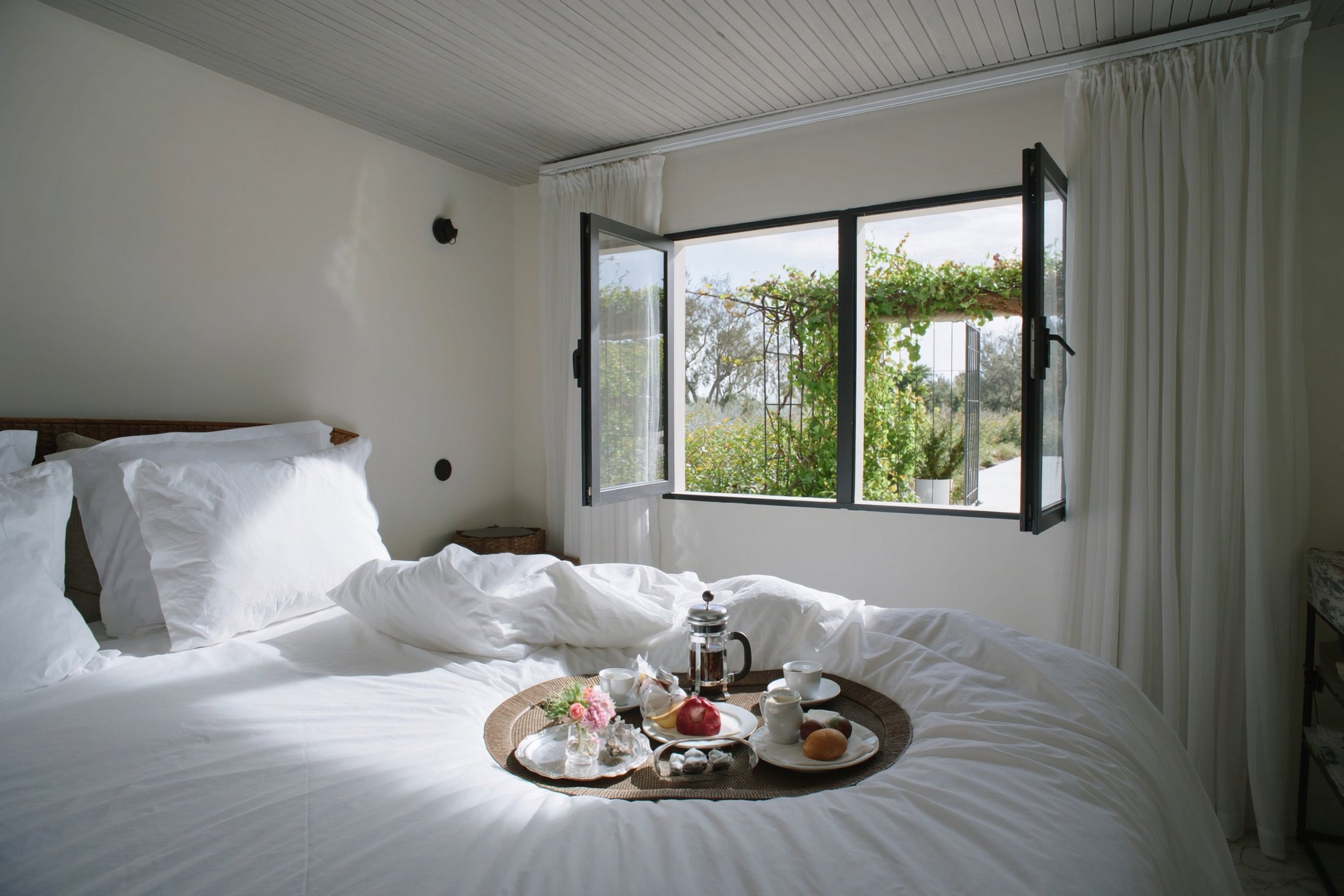
It looks like this: you open a bottle of something halfway decent on a Tuesday or a Wednesday for no reason. You sit in the same room. You put something on that neither of you is really watching. Someone puts their feet in the other person's lap without asking. No one says "we should talk about" anything.
Or it looks like this: you both get into bed forty minutes earlier than you need to. Not for sex, not necessarily. Just to be horizontal together in the dark with the lights off and the day actually over. Talking about nothing. The specific, low-stakes nothing that is somehow more intimate than most conversations couples have.
Or it looks like this: you make something together in the kitchen that requires more effort than it deserves for a Wednesday. Not a slow dinner designed to be romantic. Just pasta from scratch because one of you felt like it, and the other stayed to watch and talk and steal pieces of dough.
The ritual doesn't matter as much as the refusal. The refusal to let Wednesday be only productive.
Why Wednesday, Specifically
The weekend carries weight. Friday night comes loaded with expectation: it should be fun, it should be romantic, it should justify the whole week. Saturday morning has its own mythology — see what happens when you've been together eleven years and Saturday still gets to mean something. Sunday is tinged with the ambient dread of Monday.
Wednesday is nobodys night. Which means anything you claim it for is entirely yours. There's no competition with a better version of the evening. No ghost of what Saturday could have been.
It's also mid-week, which is the exact moment most couples are running on the lowest reserves. Not fighting, necessarily. Just a little flat. A little distant in the way that happens when two people have been adjacent to each other without actually landing.
One impractical hour on a Wednesday is not a fix for that. It's more like a small, regular signal: we are still here, and we are still willing to waste time together. And that signal, sent consistently, does something real.
The Micro-Behaviors Worth Paying Attention To
Watch what happens when you stop trying to use the time. The conversation gets stranger. Someone brings up something they read three days ago that they'd been carrying around without mentioning. Someone says something honest about work, not the version they'd been telling, the actual version. The kind of disclosure that only comes out sideways, when neither person is trying.
Physical ease returns, too. Not necessarily sex — though that becomes less fraught when it isn't the only non-logistical interaction you've had all week. Just the smaller stuff. A hand on someone's back. Leaning into each other on the couch. The body remembering it likes this person.
The Version of This That Involves Leaving the House
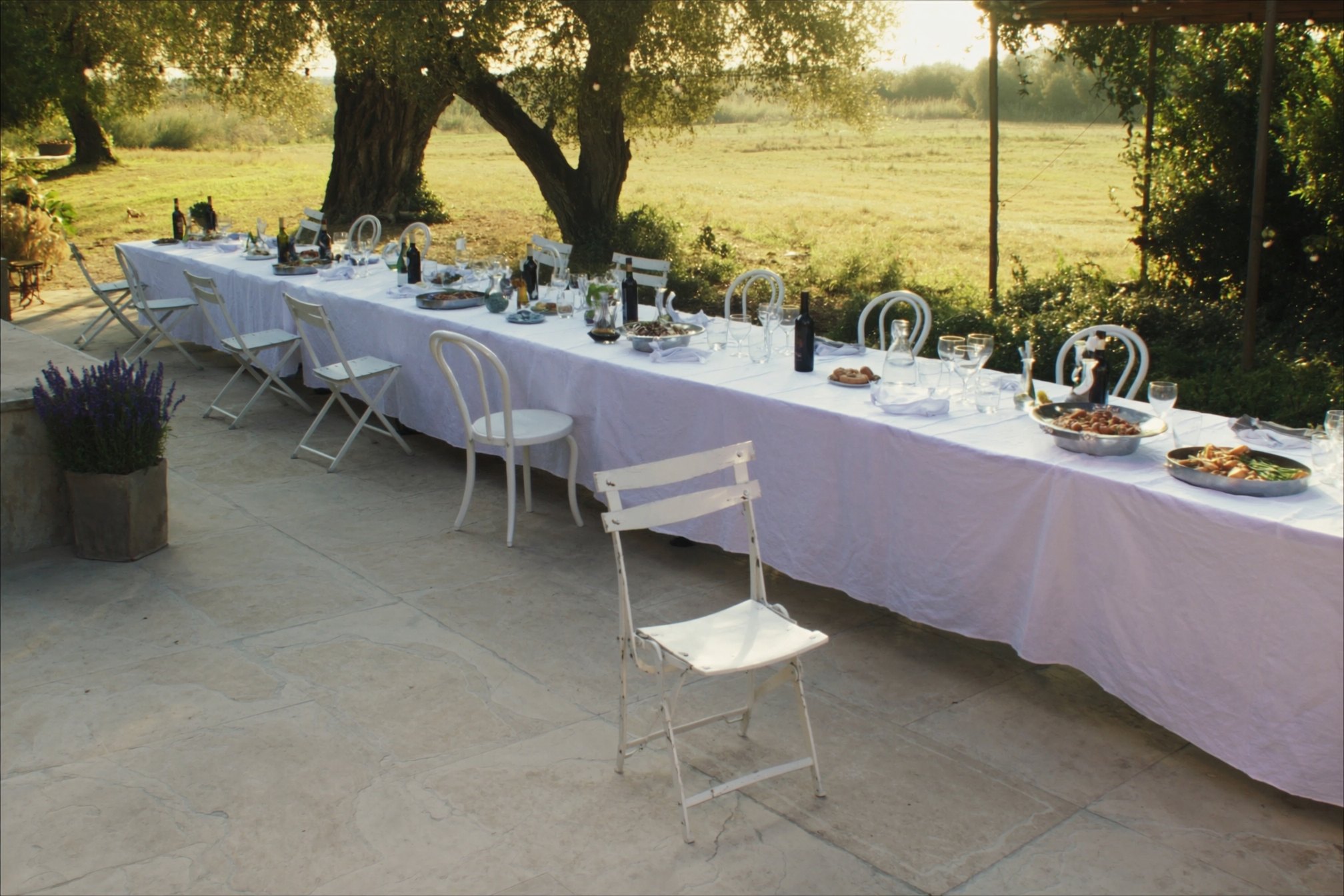
If you live close enough to do it, the mid-week night out is a specific pleasure. Not dinner with a reservation and dress clothes. Something lower-stakes: a glass of wine at a bar you both like, chosen because it's close and not too loud. A walk with no destination that somehow turns into forty minutes. A tasting room on a slow weekday evening in Healdsburg or Sonoma, when the weekend crowds are gone and the person pouring has actual time to talk.
The point is the same whether you leave or stay home. You are choosing to spend time that produces nothing measurable, in the middle of a week that is asking for everything measurable you have.
What Gets in the Way
Mostly guilt. The feeling that you should be doing something with this time. That the dishes are right there. That the email is still open in another tab.
The dishes will keep. The email will answer itself tomorrow or it won't. The particular version of your relationship that exists right now — this age, this phase, this specific dynamic you've built — won't.
There's also the low-grade exhaustion that makes impracticality feel impossible. It is easier to fold laundry together than to sit together and do nothing. Doing nothing requires you to actually be present instead of parallel. That's harder than it sounds, especially mid-week.
Start smaller than you think you need to. Twenty minutes of genuinely unproductive time, together, is more than most couples are getting on a Wednesday.
The Actual Argument for It
Long relationships don't usually end in a dramatic moment. They end in accumulation: too many practical evenings, too many logistics, too much efficiency applied to something that was supposed to be a little wild and a little useless at its core.
The Wednesday night that refuses to be practical is not a maintenance strategy. It's the opposite of that. It's the deliberate refusal to treat the relationship like something that needs to be maintained.
It's an hour where you act like two people who chose each other, rather than two people who are managing a shared life together. Those things aren't mutually exclusive. But one of them tends to crowd the other out, and it tends to do it quietly, on a Wednesday, when no one was paying attention.
Pick a night this week. Not the weekend. Wednesday, or close enough. Open something, put on something, do nothing useful for one hour. The dishes will still be there at nine. The relationship will be slightly different than it was before.