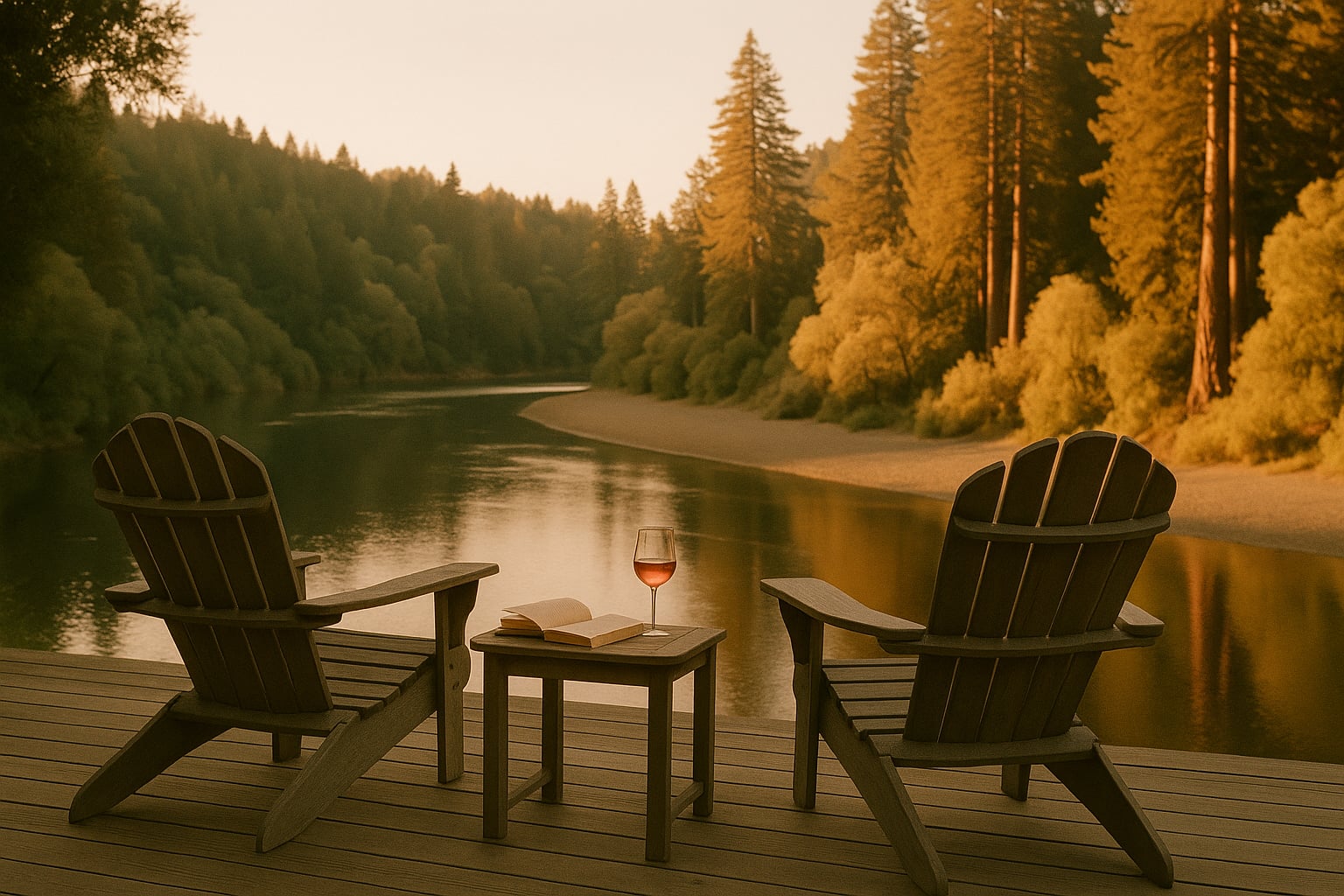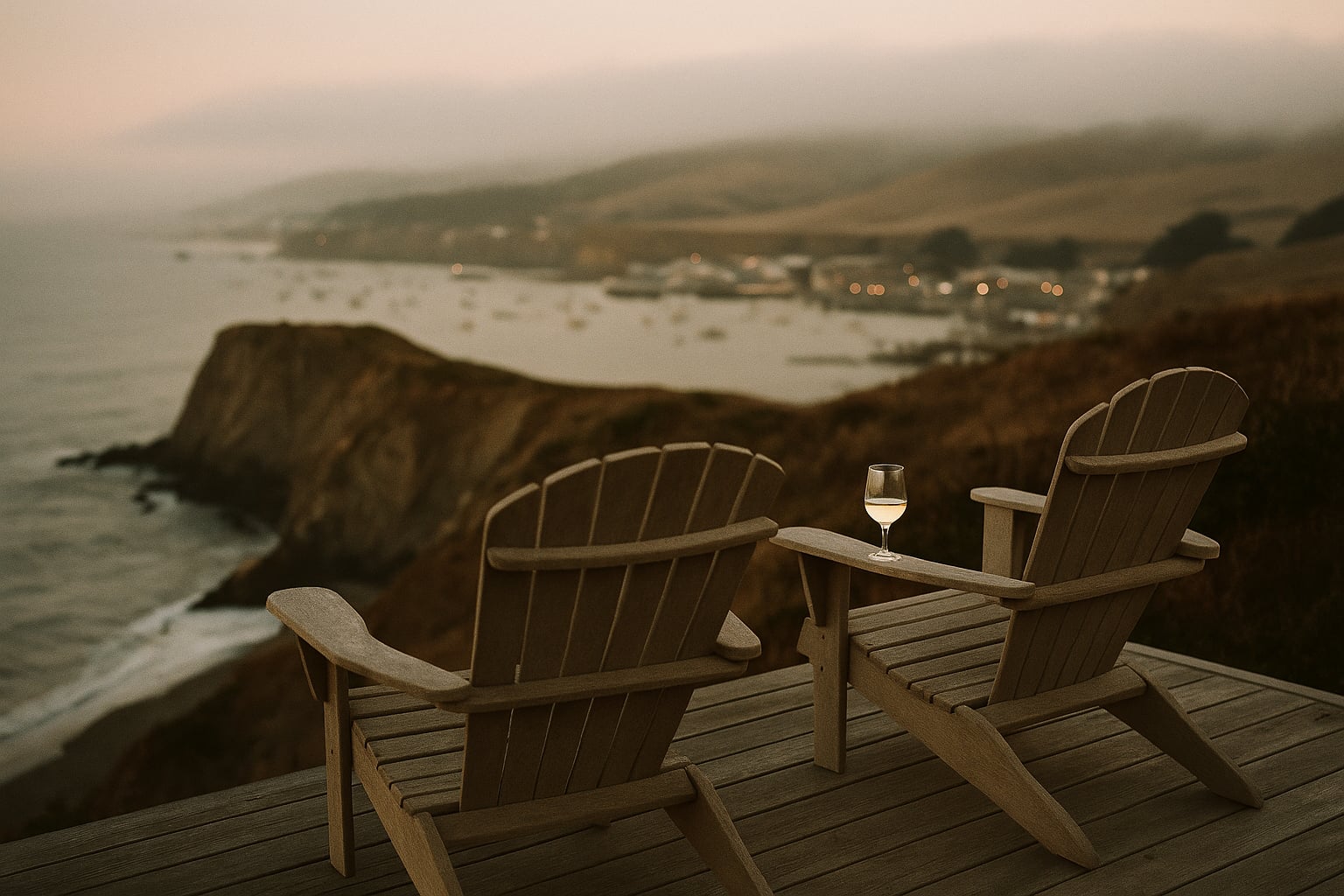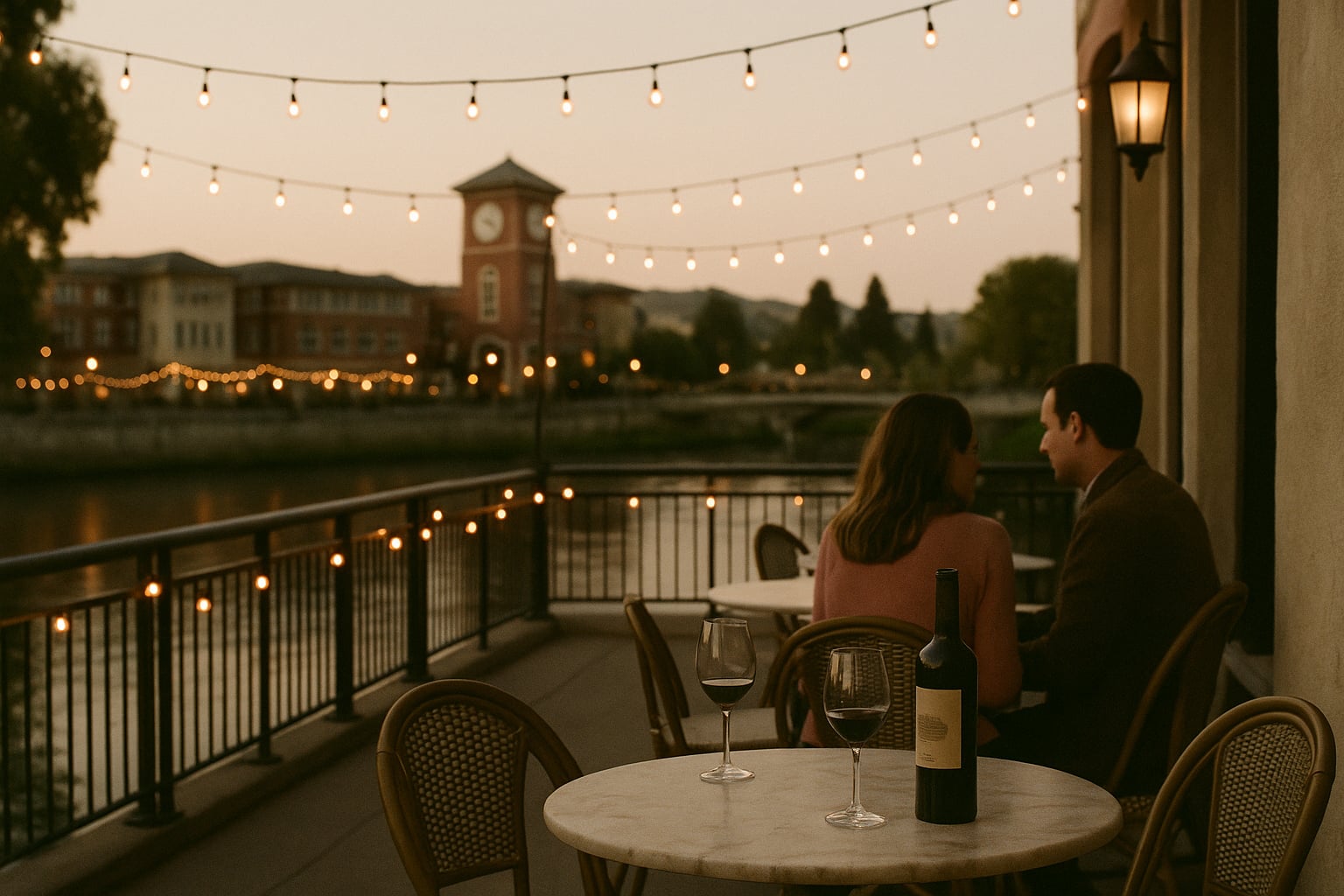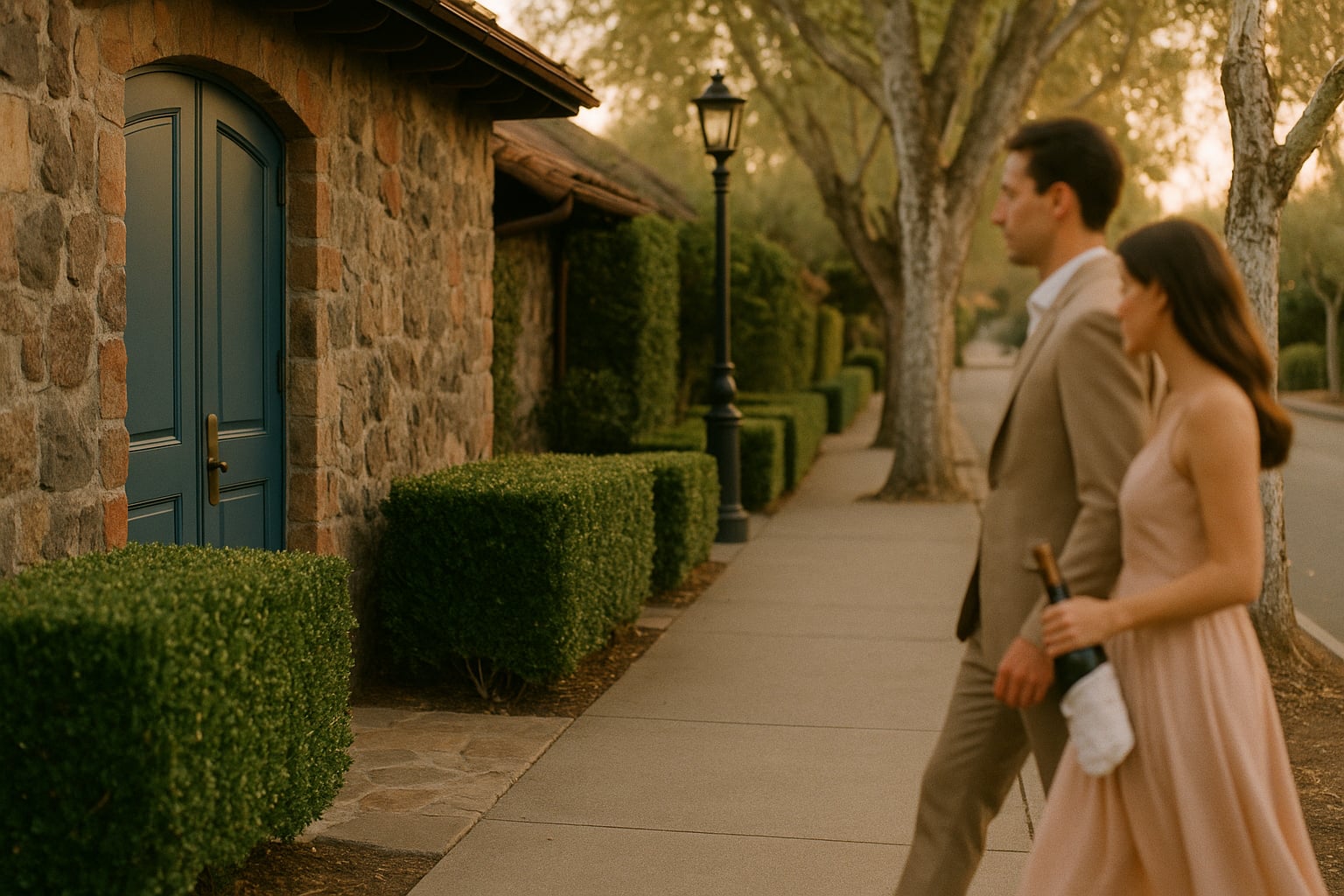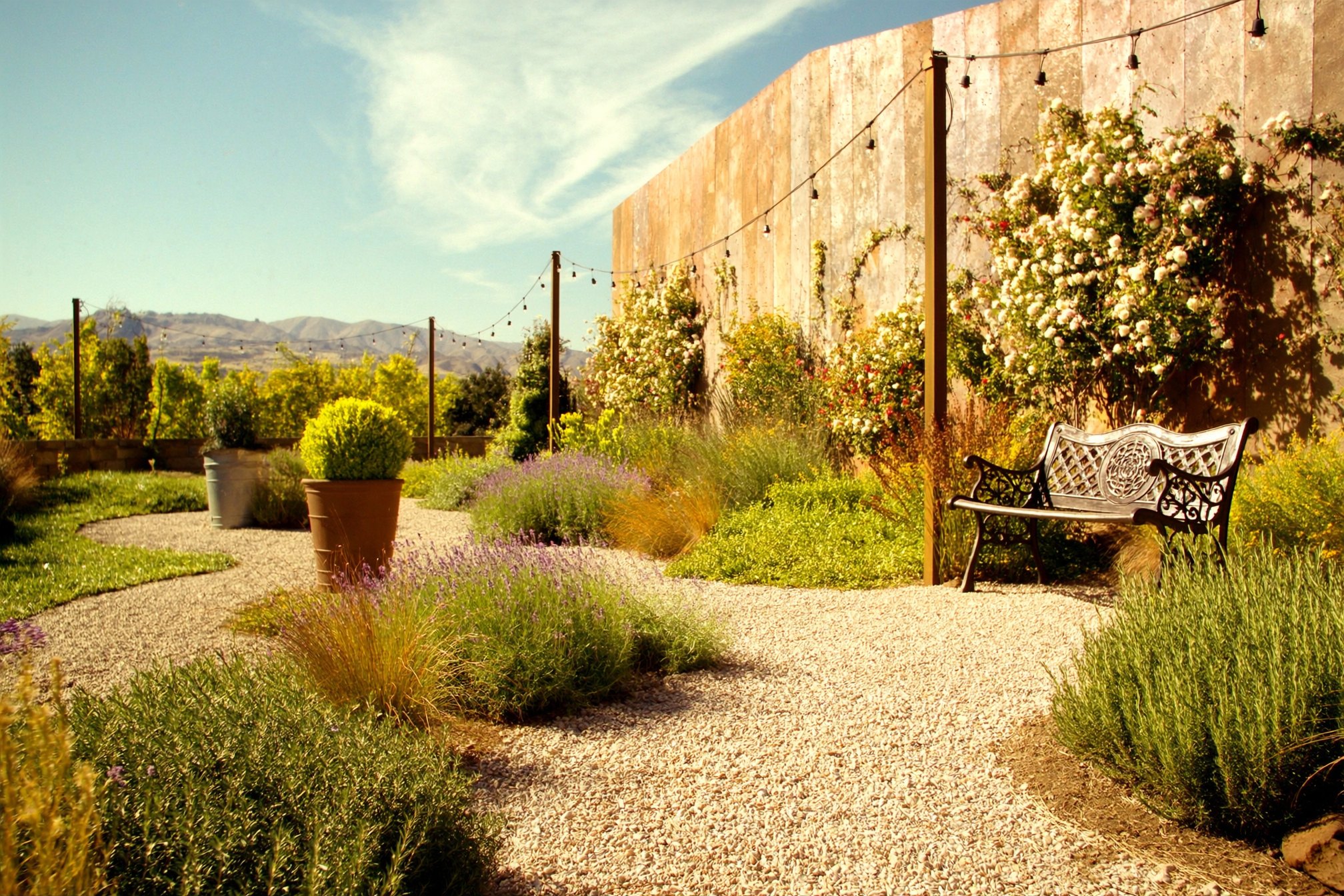
You've seen the photo. The one with the charcuterie board at golden hour and two glasses touching above a vineyard row. It's a real place. Real wine. Real people who also checked their phones approximately eleven times before the food arrived.
That's not the night we're talking about.
The winery dinner worth planning — the one you'll actually remember — is slower, weirder, and a little less photogenic. It's the one where you're both slightly sunburned and underdressed and end up talking about something you haven't talked about in two years. It doesn't require a reservation at the most-tagged spot in Healdsburg. It requires intention.
Start With the Question: What Do You Actually Want Tonight to Feel Like?
Not what you want it to look like. What you want it to feel like by 10 p.m. Loose? Tender? Charged? A little reckless? The answer shapes every choice after it — where you sit, what you order, whether you share a bottle or two glasses of something different.
This sounds obvious. It isn't. Most couples optimize for logistics — parking, timing, the Yelp rating — and then wonder why the evening felt like a task completed rather than a night actually lived.
The Pour Order Matters More Than the Label
If you're doing a tasting — at Scribe, at Littorai, at one of the smaller Dry Creek producers that doesn't show up on the first page of search results — resist the urge to rush through. The pour order is a pacing mechanism. Let it pace you.
Sparkling or a crisp white first. Always. It opens your palate and it opens conversation. There's something physiologically real about a cold first sip slowing you down after a drive through wine country traffic.
Reds in the middle, when you're warmer and more settled. The big Cabernet — the one they saved the estate pour for — belongs after you've been sitting for an hour. Not before.
The last pour should be something unexpected: a late harvest, a skin-contact orange, a Blanc de Noirs neither of you has tried. End on curiosity. It keeps the night open.
The Table You Pick Is a Decision
Inside or out? Corner or center? Facing the room or facing each other?
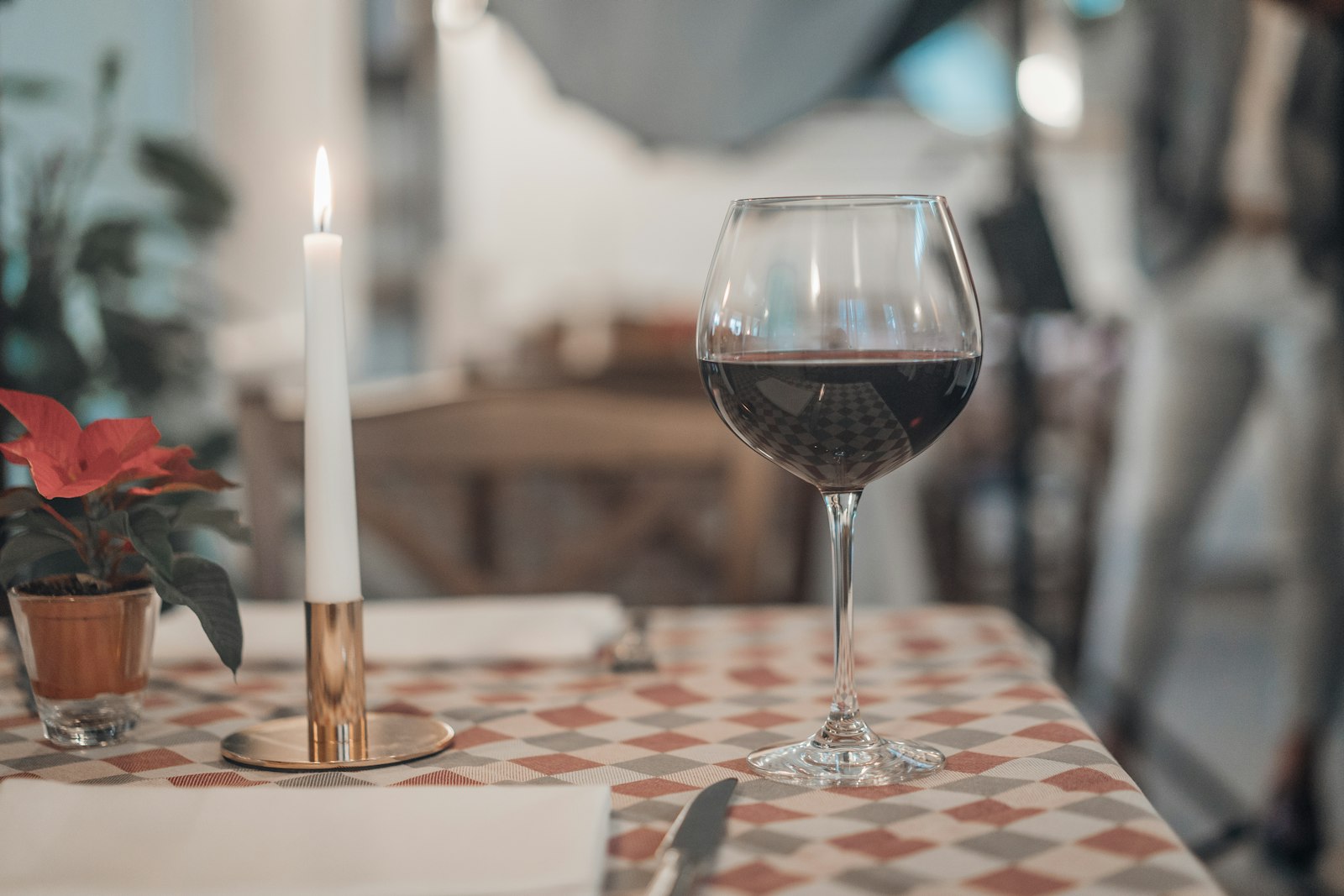
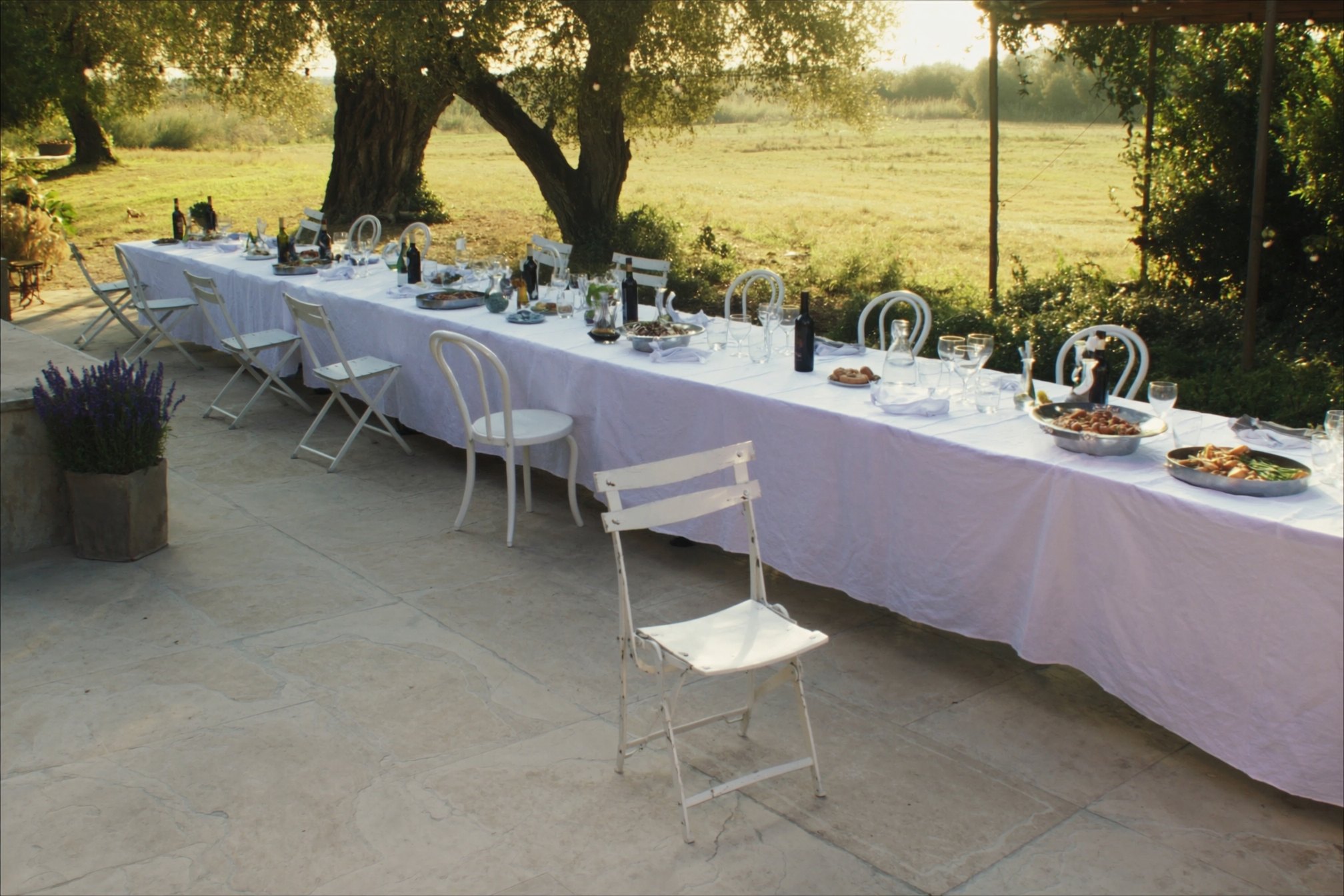
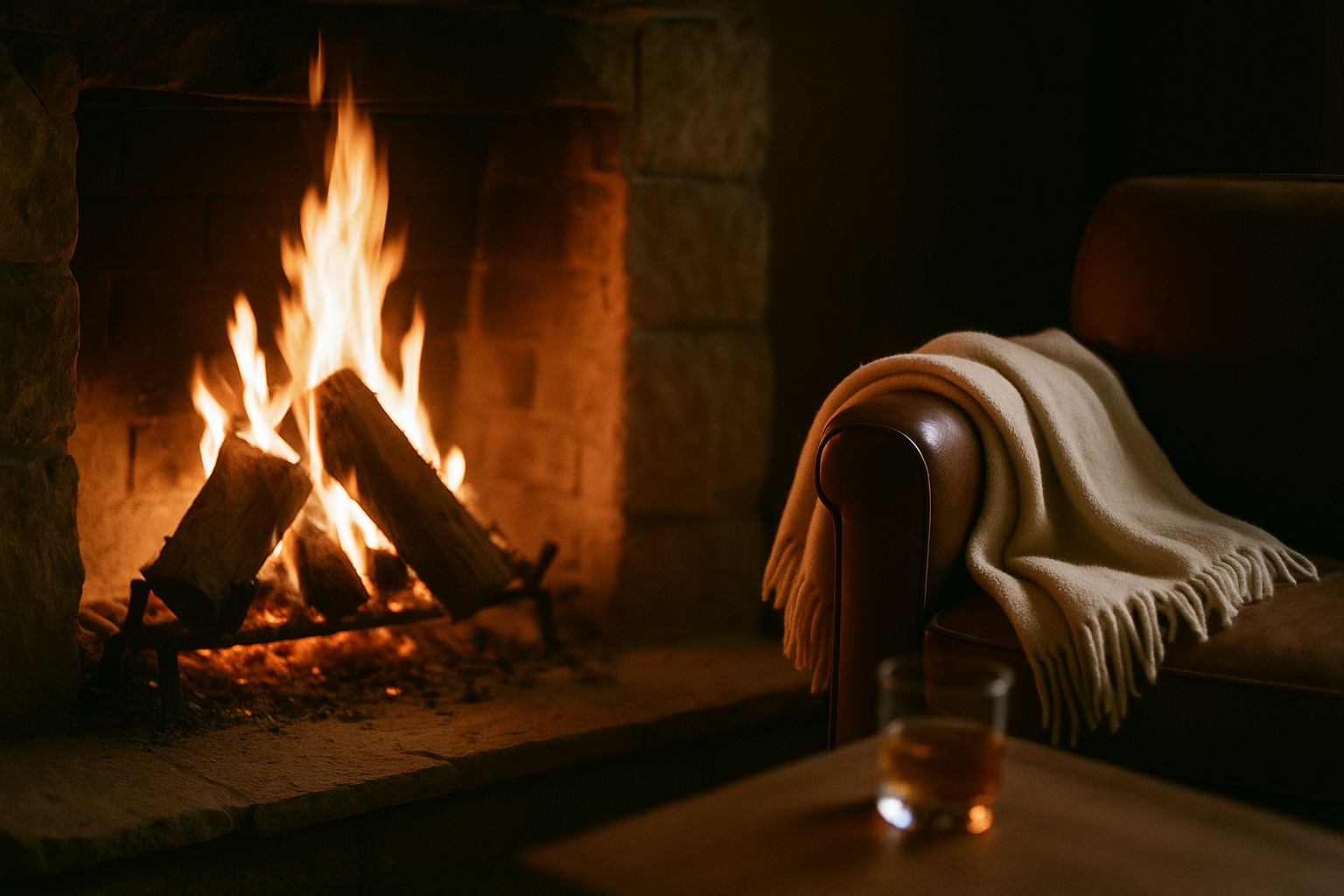
People-watching is fine for brunch. For a night you're building around intimacy, you want a table where the view is mostly each other. The corner booth at the back of a Yountville restaurant. The small two-top by the fireplace at a cave-adjacent tasting room. The outdoor table that's slightly too far from the heat lamp, so you end up sitting closer.
Ask for what you want when you book. "Can we have something quieter?" is a complete sentence. Most good restaurants will honor it.
Phone Protocol — Yours, Not Theirs
You don't need a rule. You need an agreement. Made in the car on the way there, not at the table after the bread arrives.
One photo at the beginning — for you, not for posting. Then the phone goes face-down, or into a bag, or into your jacket pocket. The kind of evening we're describing does not survive being documented in real time. The documentation is the enemy of the experience.
The moment you start composing a caption in your head, you've left the date.
— MLL
What to Talk About (And What to Not)
The logistics of your life are not dinner conversation. The school schedule, the thing with the car, the email you both know about but haven't dealt with — none of that belongs at this table. You have approximately six hundred other opportunities to discuss those things. This is not one of them.
What works: something you've been thinking about but haven't said. A question about them you don't already know the answer to. A memory from early on — not the highlight reel version, the specific small one. The night the car broke down. The first time you both knew something was real.
If conversation feels forced, that's information. Not a crisis — information. Sometimes a slow dinner exposes distance that got built up quietly. That's not a ruined evening. That's the evening doing its job.
The Sensory Details That Actually Set the Tone
Order something you've never ordered before. Something that requires a little negotiation — a shared appetizer, a cheese course with actual opinions involved. Eating adventurously together, even mildly, is a low-key intimacy engine.
Notice the weight of the glass. The temperature of the room — whether you need to slide closer for warmth. The olive oil on the bread. The sound level of the restaurant, which will affect how quietly you end up speaking, which will affect how close you lean in.
These are not small things. They are the whole architecture of the evening. The body registers them even when the brain is busy talking.
After Dinner: The Part Everyone Skips Planning
Most winery dinners end in a parking lot. The evening sort of dissolves — good night, thank you, where did I put the keys. That's a missed ending.
Plan the after. Loosely. A slow walk through the Healdsburg plaza after dark when the day-trippers are gone and the air is still warm and smells faintly like eucalyptus. A soak at Solage or Indian Springs if you've booked ahead. Or honestly: just the drive home with no podcast, no music queue debated in the driveway — just the two of you and the back roads and whatever got started at dinner.
The drive home from a night like this is underrated. Something about motion and low light. People say things in cars they wouldn't say across a table.
One Practical Note on Booking
Book a weeknight if you can. Sonoma and Napa on a Thursday evening are different places than on a Saturday. The staff are less stretched. The room is quieter. You'll get more of the wine educator's actual attention. The whole night breathes differently.
If Saturday is all you have, book early — first seating. You'll finish before the room gets loud and still have the whole evening ahead of you.
What Makes It Yours
Not the restaurant. Not the vintage. Not whether you knew enough about biodynamic farming to hold up your end of the conversation with the sommelier.
What makes it yours is that you built it around a feeling instead of a photograph. That you said what you actually wanted the night to be. That you ordered the weird grape variety just to see what would happen. That you stayed at the table twenty minutes past when you could have called for the check.
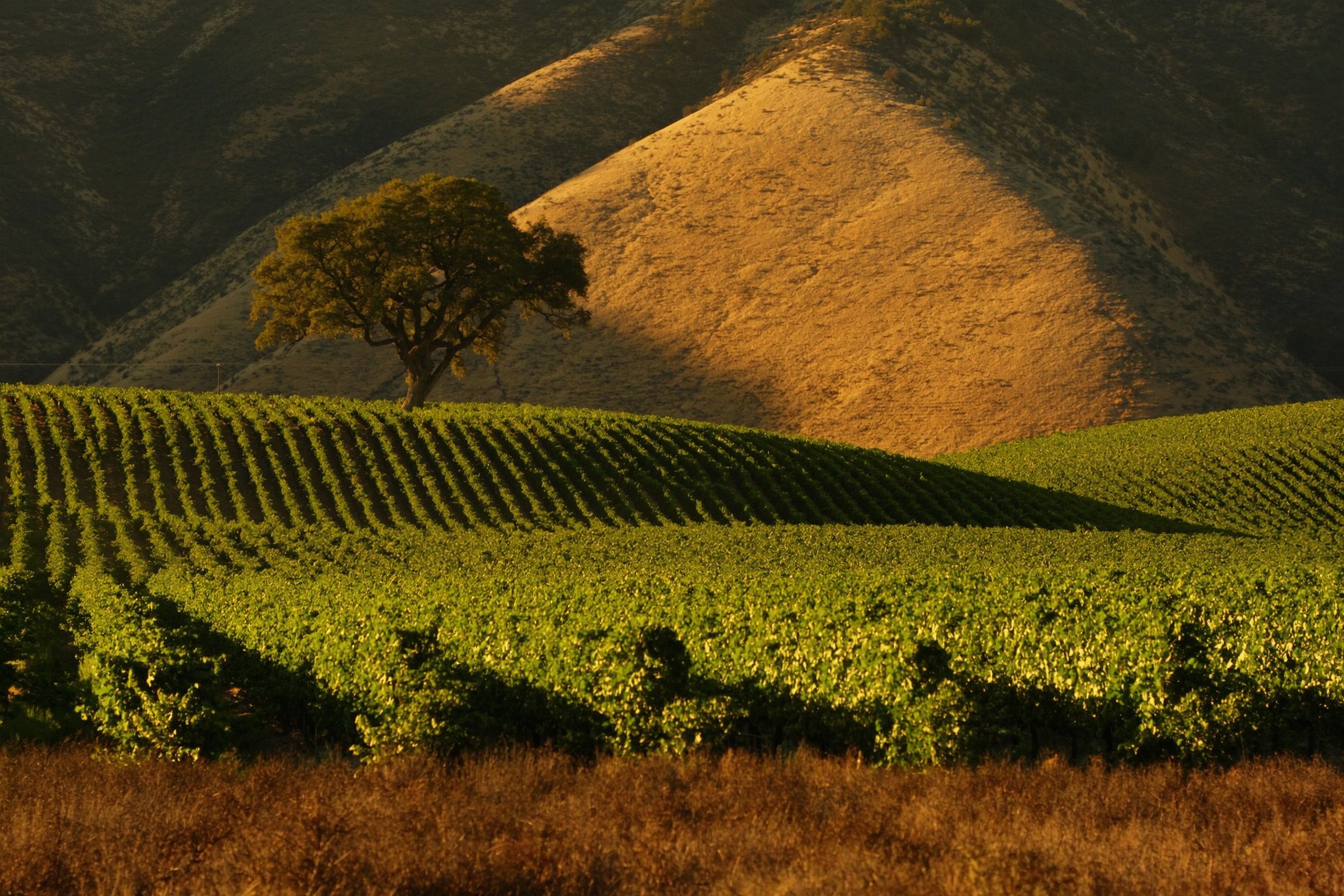
That on the drive home, on the dark stretch of road past the vineyards, one of you reached over and that was enough. No caption necessary.