There's a restaurant you keep going back to. Not because it's the best option now. Because it was the restaurant then. When you were first figuring each other out, when desire had that specific nervous edge to it, when the night felt genuinely open.
You book the same table. You order the same wine. Someone makes a joke that lands the same way it always did. And for about forty minutes, it works.
Then it doesn't. Not dramatically. Just — the seam shows. You're wearing a costume that almost fits.
The Ritual Isn't the Problem
Returning to places that matter is a real thing. Smell and light and the weight of a particular booth have genuine pull. Neuroscience people would call it state-dependent memory. You'd call it that place.
The ritual isn't wrong. The unconsciousness is.
When the date is actually an attempt to feel something you used to feel automatically, that's different from returning to a place because you love it now. One is celebration. The other is a kind of low-grade grief dressed up as a reservation.
What's Actually Happening at the Table
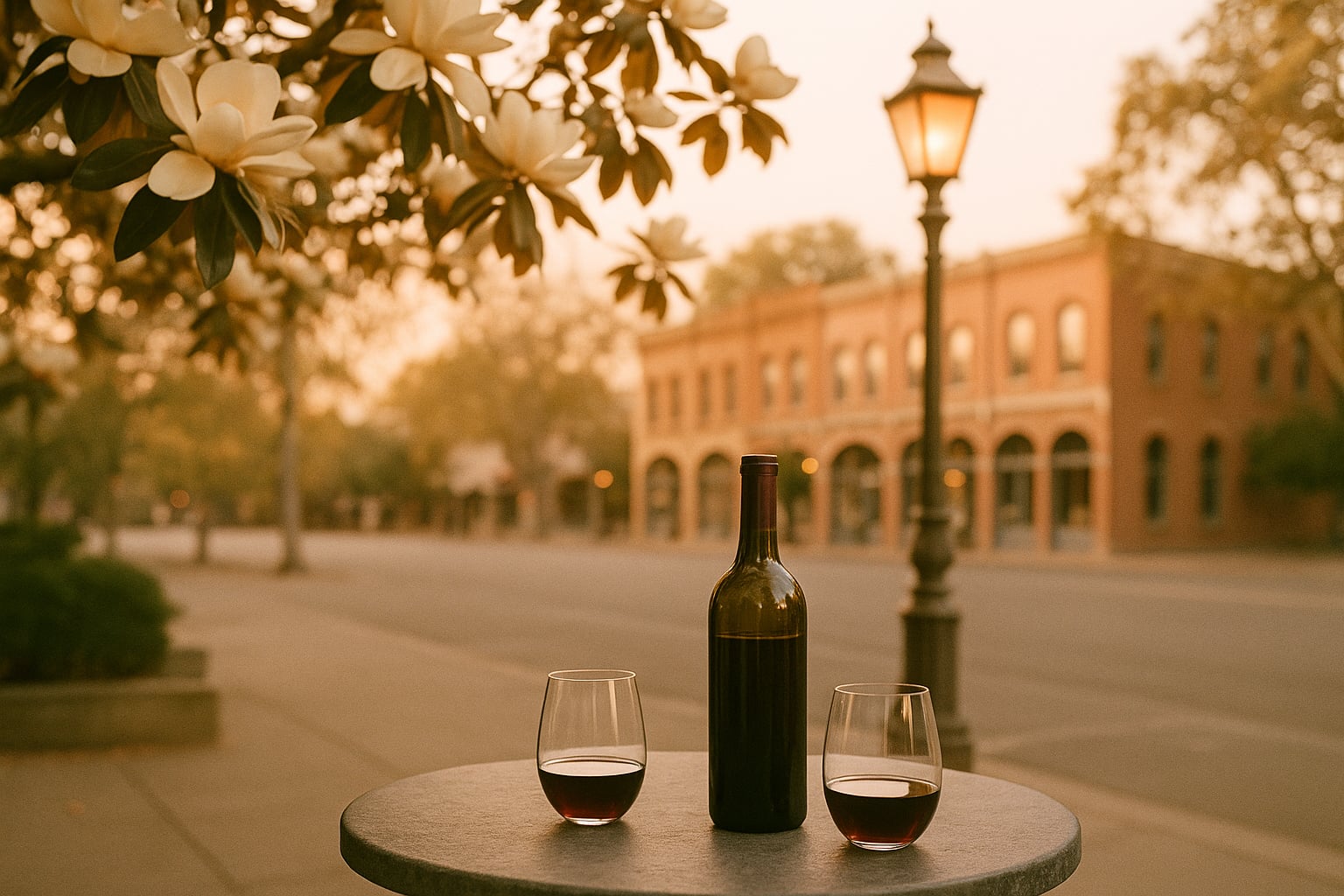
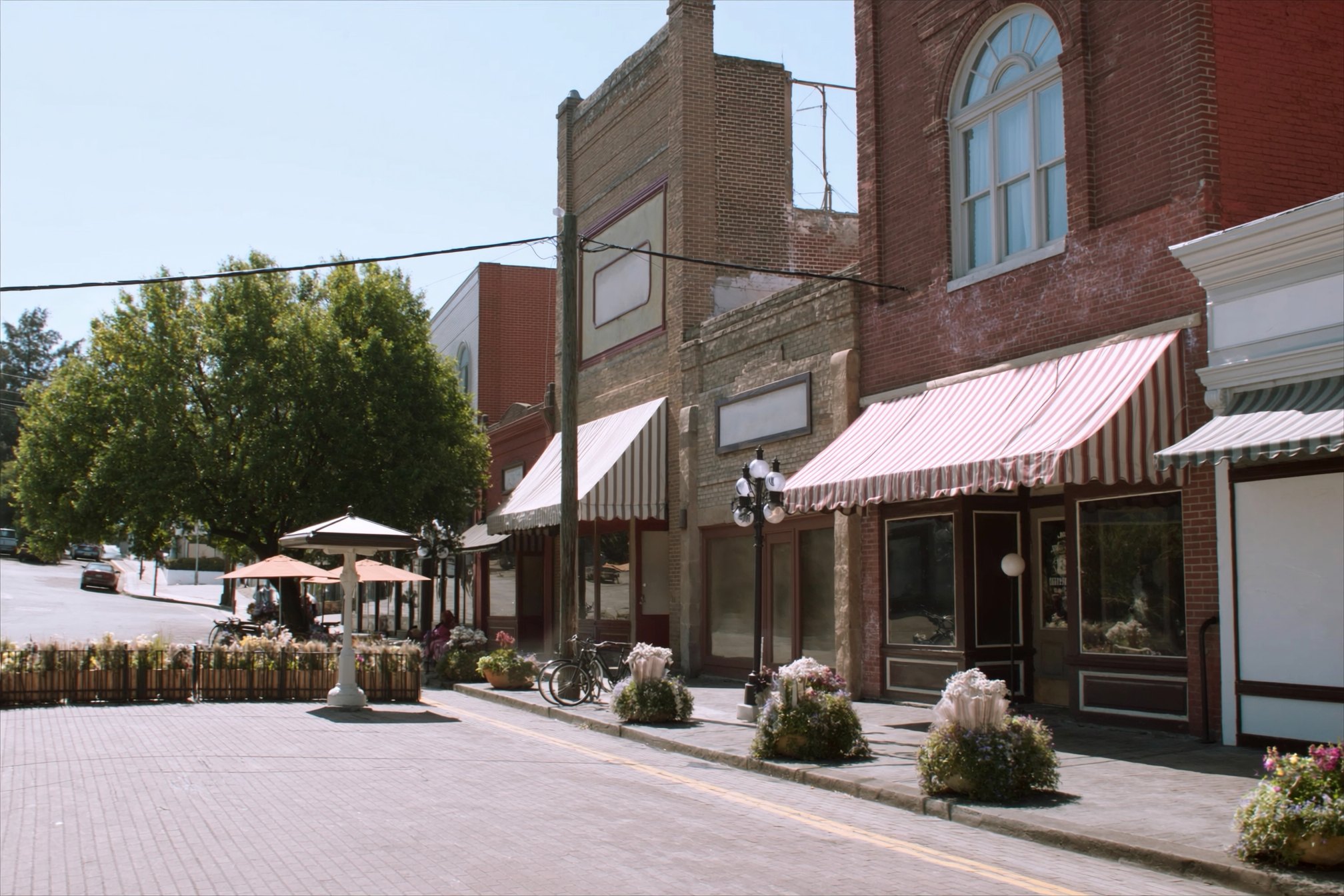
Picture it practically. You're at the Healdsburg plaza, that corner spot with the good natural light and the bottle list you once spent an embarrassing amount of time discussing. You look good. Your partner looks good. The bread arrives.
And you spend some portion of dinner performing ease rather than having it.
The performance isn't dishonest exactly. It's more like method acting with shaky motivation. You know the lines. You hit the beats. But the version of you who lived in that scene organically — that person had different pressures, different skin almost, different things they hadn't yet said or decided or let go of.
You are not that person. Neither is the one across the table.
We kept going to the same place because something good had happened there once. After a while I realized we were going because we didn't know where the new place was yet.
— MLL reader, submitted anonymously
The Version You're Trying to Reach
This isn't about nostalgia being bad. It's about what specifically you're nostalgic for.
Sometimes it's the early desire — that first-year electricity before you knew each other's full inventory of flaws and habits and 2 a.m. moods. Sometimes it's a simpler life: fewer obligations, less weight in the air. Sometimes it's a version of yourself you liked better. Lighter. Less careful. More likely to laugh without checking first.
All of that is real information. None of it gets solved by the reservation.
Which doesn't mean stop going. It means start noticing why you're going, what you're hoping the room will do for you, and whether the current version of your relationship actually needs something the old location can't provide.
The Micro-Behaviors Worth Watching
You can spot this pattern in small things before you spot it in the bigger picture.
You reorder the same bottle without looking at the list. You retell the same story from that trip, the one that got funnier every time until it didn't quite. You avoid certain topics without discussing that you're avoiding them. You reach for each other in the parking lot because that's what you do here, at this place, on this kind of night.
These aren't failures. They're data. The relationship is running a script because scripts feel safe when the improvisation has gotten complicated.
Why This Matters More Than It Seems
A date night that's secretly a séance doesn't ruin anything by itself. One or two or twelve, they're harmless.
But over time, if neither person is looking at who they actually are now, what they actually want now, what actually sounds good on a Tuesday in this specific chapter of the relationship — the gap between the real thing and the reenactment gets quietly wider.
You end up optimizing for a relationship that exists mostly in amber. Preserved, beautiful, increasingly beside the point.
The question isn't whether you loved who you were then. You probably did. The question is whether you're willing to be curious about who you both are now. That's the harder ask.
The Reframe: Old Place, New Conversation
Here's what changes this without needing to burn anything down.
Go to the place. Drink the wine. Sit in the good light. And at some point during the meal, say something true that you wouldn't have said the first time you sat there. Something that belongs to who you are now, not who you were.
It could be small. A thing you've been sitting with. A preference that shifted. Something you want differently than you used to. Not a confession. Not a crisis. Just a real current thing, offered to the person in front of you — who is also not exactly who they were the first time you ordered that bottle.
The familiar room becomes a new conversation. That's the move.
A Specific Moment to Try
Midway through dinner, before the second glass lands: ask each other one thing you'd do differently if you planned this night from scratch. Not as a complaint. As a genuine question about who you are right now.
Maybe one of you wants to skip dinner entirely and drive out toward Dry Creek with a blanket and something cold. Maybe the other one actually wanted the new place on the east side of the plaza but defaulted to familiar. Maybe neither answer is dramatic, but both of them are true.
Truth in a familiar room is still truth. That's where the updated version of your relationship actually lives — not in finding somewhere new, but in showing up as who you currently are, wherever you are.
The restaurant will still be good. The wine will still be the right temperature. The night can still be worth it. Just let it be worth it for the people you actually brought to the table.