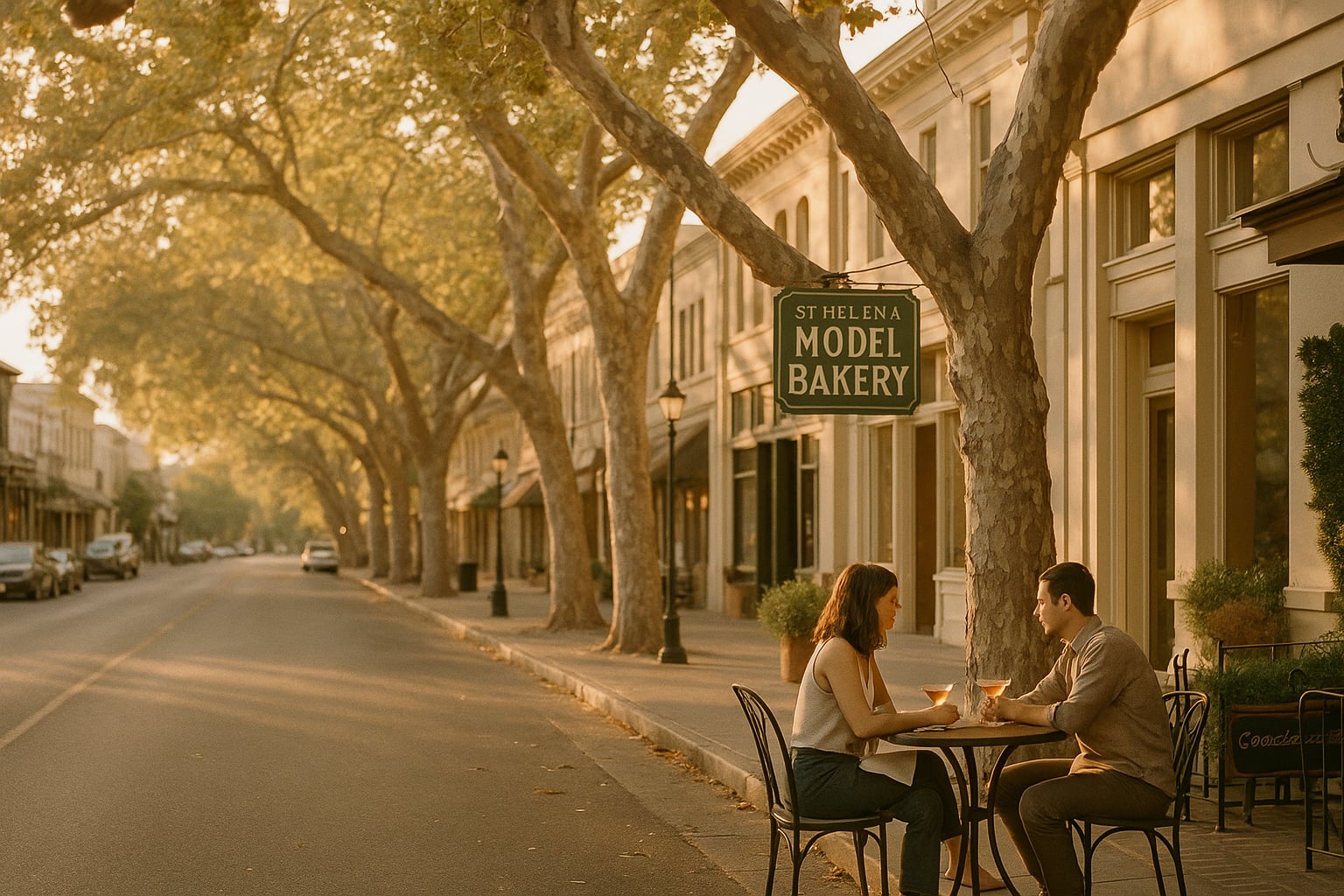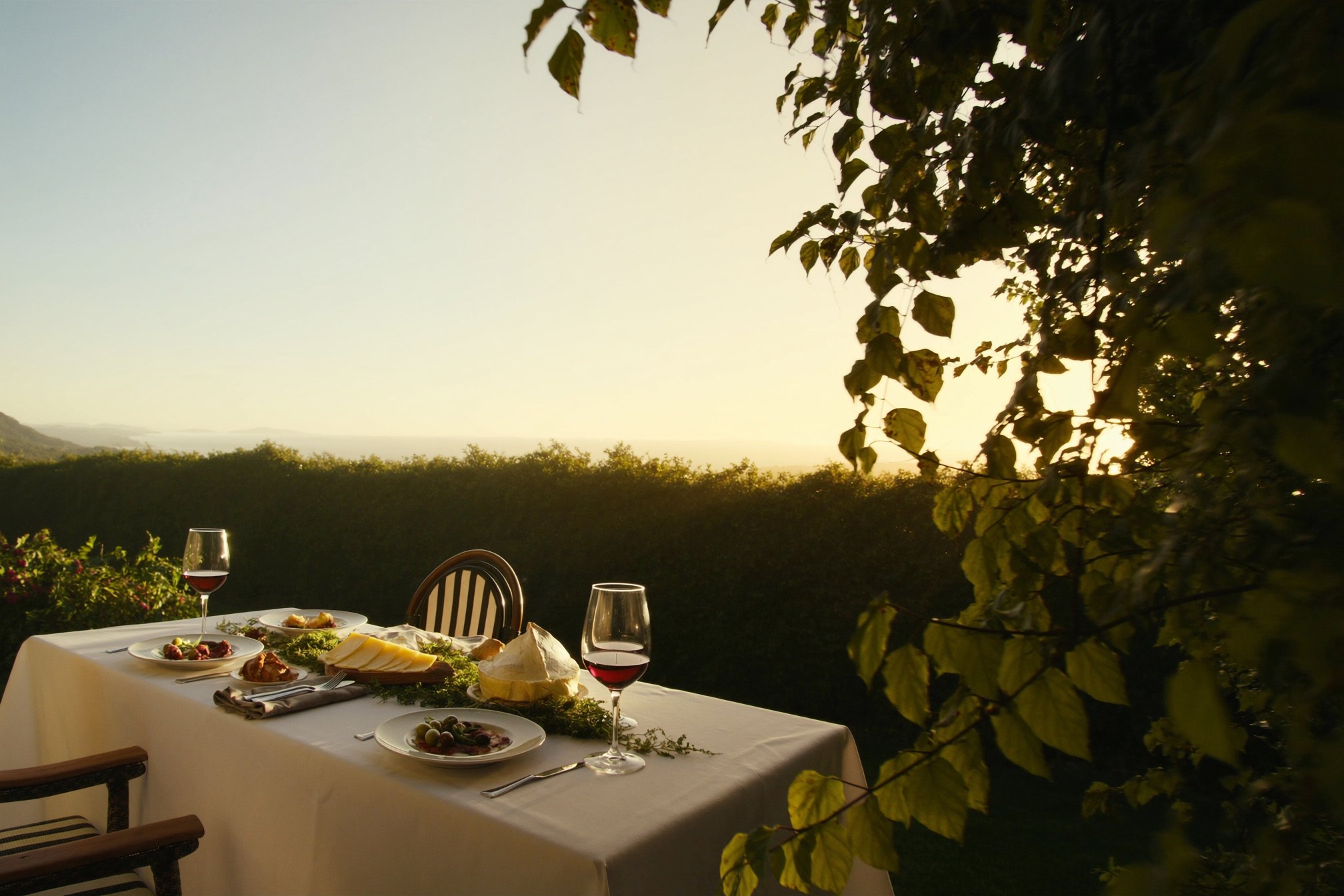
You made the reservation weeks out. Somewhere with a tasting menu, or at least a wine list that requires a second look. You told yourself it was overdue. A proper night out. A reset.
But if you're being honest, it was also a little bit of a bet. That the right table in the right room would do something the last fourteen evenings on the couch couldn't.
And it looked great, from the outside. Candlelight. A server who knew the provenance of every dish. The kind of bread you don't rush. But somewhere between the second course and the cheese cart, you realized you were mostly just eating.
What the Reservation Is Actually Doing
Fancy dinners are one of the oldest proxies for intimacy in the couple playbook. And they work — until they don't. The setting signals effort. The cost signals priority. The ritual of getting dressed, driving somewhere, sitting across from each other with no dishes to do after: all of it says you matter.
The problem is that none of that is the same as actually connecting.
Connection requires a specific kind of unguardedness. And four-star restaurants, whatever else they offer, are not designed to make you unguarded. They're designed to make you feel good. Those are not the same thing.
The Behavior Beneath the Booking
Here's the micro-behavior that gives it away: you talked about the food. A lot. The reduction, the pairing, whether the scallop was slightly oversalted. Which is fine — it's interesting — but it's also safe. It's a topic you can share without exposing anything.
You talked about logistics. The drive. Whether parking was a nightmare. A work thing one of you mentioned and then didn't pursue.
You checked your phone twice. Not urgently. Just to break the silence that started gathering between courses.
None of this is a crime. It's just a pattern that expensive restaurants can't interrupt, and sometimes quietly reinforce. The structure of a tasting menu — course after course, the server appearing and disappearing — actually gives you a reason not to go anywhere emotionally difficult. There's always something new arriving at the table.
Why Couples Do This
It's not cynical. It's human. When things feel a little off — not broken, not dramatic, just slightly dry — the instinct is to inject occasion. To do something that looks like what you did when you were falling for each other.
And restaurants are carrying a lot of that memory. That first dinner where you talked for four hours. The spontaneous place in the city where something shifted. Somewhere in Yountville on a trip that still comes up.
So you go back to the form, hoping the feeling follows. Sometimes it does. But when the distance between you is emotional rather than logistical, a great meal tends to paper over it rather than close it.
We went to a place with a Michelin star and spent most of dinner talking about whether our refrigerator was making a weird noise. I didn't even realize until we were in the car.
— reader-submitted
What a Better Night Actually Requires
It's not the downgrade people assume. You don't have to swap the tasting menu for a heart-to-heart on the kitchen floor. But you do have to walk in with a different intention.
The difference between a dinner that performs connection and one that creates it is usually one moment: someone saying something real before the food arrives.
Not therapy-script real. Just: I've been in my head lately and I've missed you. Or: I don't actually know what you're thinking about these days and I want to. Something that cracks the evening open a little.
That's it. The rest of the night can still have the wine list and the good bread. But now you're inside the dinner instead of being served by it.
The Nights That Actually Land
They're rarely the ones with the most production value. They're the counter stool at a wine bar in Healdsburg where you ended up somewhere you didn't plan to go. The late lunch at a tasting room in Sonoma that turned into three hours because neither of you wanted to leave.
Or — and this one stings a little — the weeknight where you ordered in, sat on the floor because the couch felt too far apart, and talked until midnight about something you hadn't touched in a year.
No reservation required for that one.
How to Rescue the Dinner You Already Booked
Cancel your phone before you walk in, not just silence it. The physical act of turning it face-down and leaving it there changes your body's availability.
Order without much deliberation and then put the menu down. The menu is the first distraction.
Ask one question you actually don't know the answer to. Not how was your week. Something with teeth: what's been sitting with you, what do you want that you haven't said out loud, what was the last thing that surprised you. Let it go somewhere.
Don't perform the good time. If something is slightly off between you, it's okay to name it at dinner. A real conversation in a beautiful room is still a real conversation.
The Uncomfortable Truth
Sometimes the reservation is a way of telling yourself you're trying without having to try in the harder direction.
The harder direction is the twenty minutes of actual attention on a Tuesday. The question you ask when you're both already tired. The moment you choose to reach across instead of scroll.
That stuff doesn't photograph well. It doesn't have a waiting list. But it's the thing the tasting menu was supposed to stand in for.
Make the reservation. Go. Eat the bread. Drink the wine. Just don't let it do all the work.
Related reads: The Art of the Slow Dinner, The Phone-Free Dinner: A 90-Minute Experiment, The Weeknight Date That Actually Happens, and The Relationship You Describe vs. the One You're Actually In.