There's a version of cooking together that nobody photographs. No charcuterie board staged on a marble island. No matching linen aprons. Just the two of you, a decent knife, something on the stove that smells right, and the particular quiet of a Saturday that still has hours left in it.
That version is actually intimate. Not because you planned it that way. Because nobody was performing.
Why Saturday Night Hits Different
Tuesday dinner is survival. You're reheating, you're texting while the water boils, you're eating standing over the sink because sitting down feels like a commitment you can't afford. Tuesday is not the enemy of romance. It's just honest about what it is.
Saturday has a different metabolism. The body decompresses on a longer timeline. By 5 PM, if you haven't wrecked it with obligations, there's actual slack in the day. Slack is where intimacy lives. Not in grand gestures. In the gap between done and dinner.
That gap is the thing. Forty-five minutes of prep with a glass of something cold and no particular urgency. That's the foreplay people forget to name.
The Bottle You Open Before You Start
Open it early. Not with dinner. Before you've done anything. This is the part most people skip because it feels indulgent on a regular Saturday, which is exactly why you should do it.
A cold Sancerre. A Sonoma Coast Pinot if you want something with a little body behind it. Something from a tasting room you both remember, if you have that. The wine isn't decoration. It changes the pace of the prep. Your hands move slower. You're tasting as you go. You're actually talking.
Pour two glasses. Set them on the counter where you'll both be working. That's it. That's the whole move.
Assign Roles Loosely, Not Militarily
Cooking together goes sideways when one person runs it like a project manager. Delegating tasks, asking for status updates, wincing at how someone's holding the knife. That's not cooking together. That's a demonstration.
The dynamic that actually works: one person has a general sense of the dish. The other asks what needs doing. Tasks get handed off loosely. Nobody's being evaluated.
Someone's charring peppers directly on the gas burner while the other one tears bread and neither of you is checking a recipe on your phone. That's the version. It smells like smoke and garlic and the good kind of mess.
The Playlist Is a Decision About Who You Are Tonight
Not background music. A decision. The playlist tells your nervous system what register this evening is in. Wrong playlist and the kitchen feels like a Monday morning commute.
What works: slow tempo, warmth, a little texture. Early Norah Jones. D'Angelo. Nick Hakim. Something with bass that isn't trying too hard. Nothing with lyrics that make you think about work or other people or the news.
Volume matters too. Low enough that you don't raise your voice to be heard. You want to be able to say something quietly across the counter and have it land.
The Physical Vocabulary of Cooking Together
Pay attention to the small stuff. Who moves out of the way when the other person needs the sink. Whether you taste something off the same spoon or reach for separate ones. Whether the hip bump at the cutting board was incidental or stayed a second longer than necessary.
These aren't big romantic gestures. They're the real-time register of how you're actually relating to each other right now. A relationship that's running warm shows up in the physical language of a shared kitchen. You already know this. You've felt both versions.
The kitchen is one of the few places where you're physically close, working toward the same thing, with your hands occupied — which means your defenses are just slightly lower than usual.
— MLL
Lower defenses, good smells, a glass in hand. That's a useful combination.
What You Actually Make (It Matters Less Than You Think)
The dish isn't really the point, but the dish has to be right. Not ambitious enough to create stress. Not so simple it's over in twelve minutes. You want something with stages: a little prep, something that needs time on the stove, a moment where you wait.
A slow braise works. Pasta that needs thirty minutes of attention, not twelve. Roasted chicken with things thrown around it. Something you can taste along the way, adjust, argue about lightly.
The waiting is built-in downtime. Lean on the counter. Refill your glass. Talk about something that isn't logistics. Let the kitchen do its thing.
Dim the Kitchen. Set the Table Like You Mean It.
Most kitchen lighting is designed for visibility, not for making anyone look or feel good. Overhead fluorescents are for surgery. For this, cut them. Use the stove light, a lamp from another room pulled close, candles if you have them. Warmth changes the room.
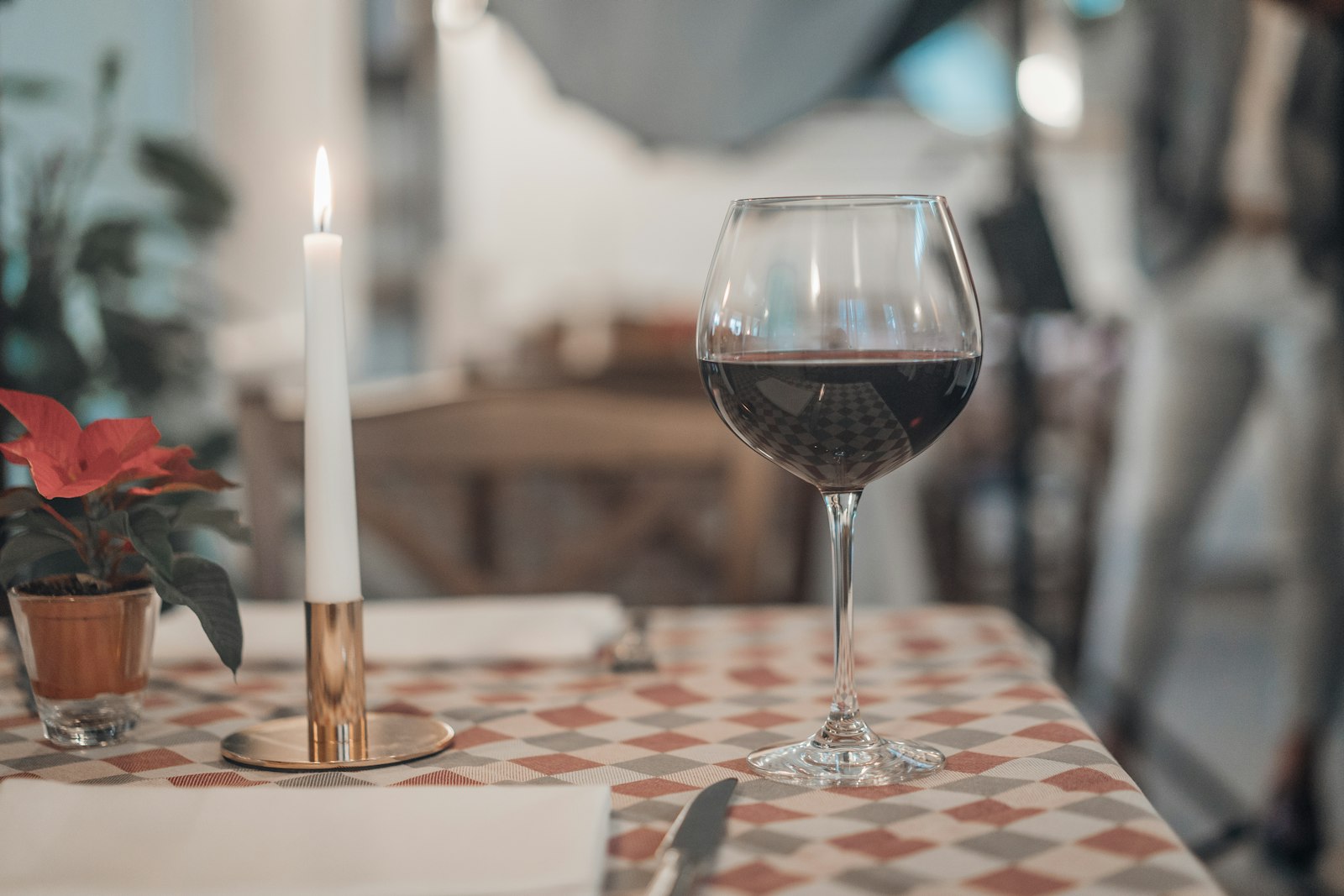
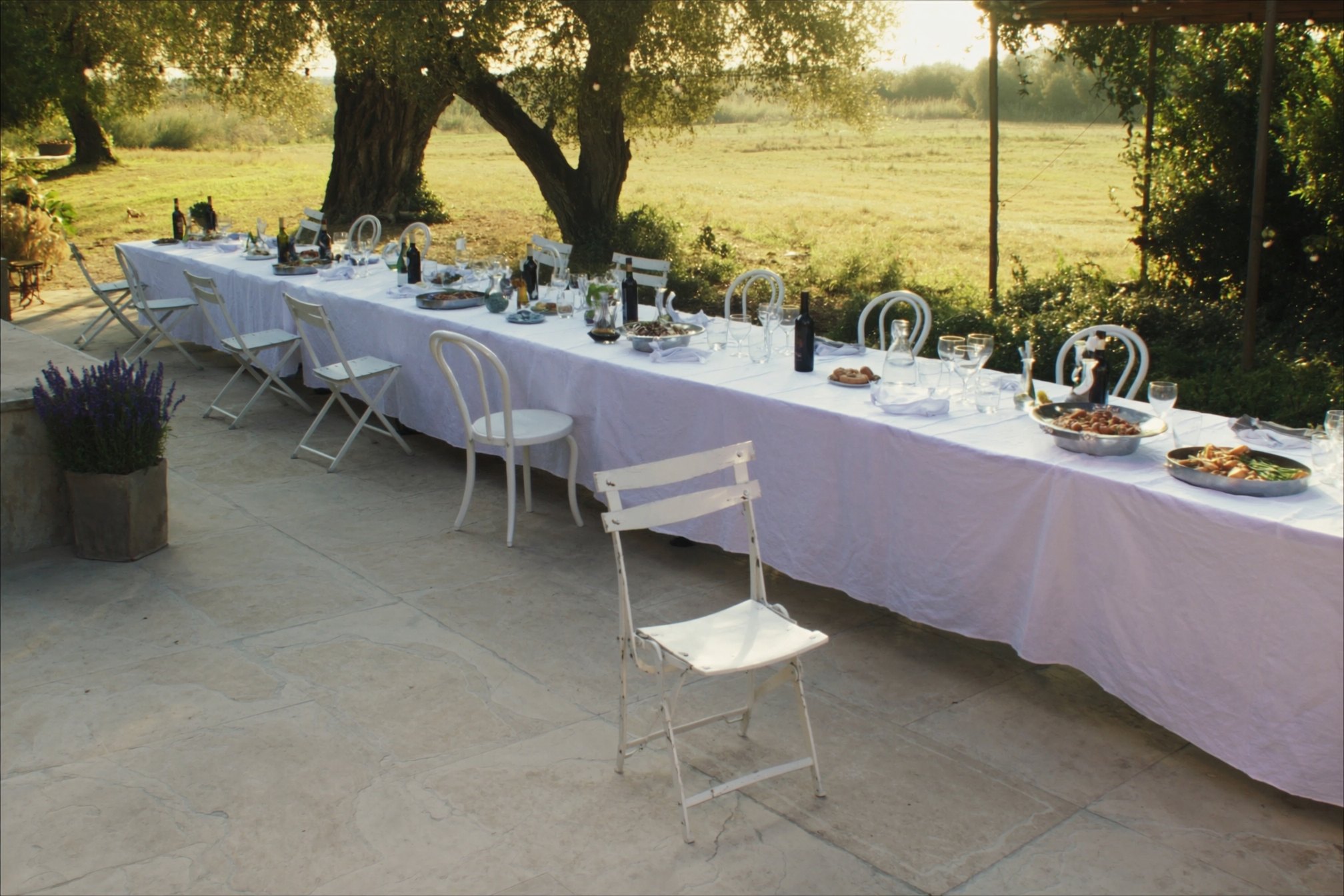
Set the table with actual intention. Not the same plates you use on a Tuesday. Cloth napkins if you own them. A candle on the table, not on the counter. Take the phone off the table entirely. This last part is harder than it sounds, and worth it anyway. The phone-free dinner principle holds even when you're home.
The Turn: When Dinner Becomes Something Else
At some point the kitchen smells like it should, the plates are on the table, and something has shifted. It's not dramatic. It's the comfortable weight of being somewhere good together. This is what the whole setup was building toward.
You didn't plan a romantic evening. You planned a dinner. And because nobody was performing, because there was no script to follow and no expectation to manage, something real showed up instead.
That's the version of desire that doesn't need coaxing. The kind that comes out of an ordinary Saturday handled well. Your skin warm from the stove. A little oil on your hands. Two glasses, a meal you made together, the whole evening still ahead.
The dishes can wait.