Most couples inherit their rituals. Anniversary dinner at the Italian place. Her grandmother's ring. The way you say goodbye at the door before a trip. These things arrive pre-assembled, handed down by parents who got them from their parents, and nobody questions whether they fit.
Queer couples don't get that. Not usually. You're building in open water — no floor, no inherited map, no one to call and ask "so how did you handle the five-year mark?"
This is framed as freedom. And it is. But freedom has weight.
The Blank Page Problem
There's a particular kind of fatigue that comes from having to invent everything. What do we call each other publicly? Do we do anniversaries — and if so, which date? The night we met, the night we said it, the day we moved in? Do rings mean the same thing to us that they mean to everyone else, and do we even want them to?
Every decision that straight couples make without thinking, queer couples often make consciously. Deliberately. With a small tax of effort attached.
That's not a complaint. It's just true. And pretending otherwise doesn't serve anyone.
What "Making It Up" Actually Looks Like
It looks like two women sitting on a back porch in Healdsburg, slightly drunk on a Dry Creek Zinfandel, deciding on impulse that this — right now, this moment — is what they'll mark every year. Not a date on a calendar they stumbled into. A feeling they chose.
It looks like two men who spent years building a "Sunday morning" ritual so specific and layered it functions like a whole liturgy: the same playlist, the same order of coffee and the Times and the walk, the same way one of them always ends up with his head in the other's lap by noon. Nobody planned it. They just kept doing it until it was sacred.
It looks like a nonbinary couple who decided "partner" felt bureaucratic, so they use a word they coined together — something that exists only inside their relationship, that would sound strange to anyone else, and that's exactly the point.
This is the texture of it. Small inventions, accumulated.
The Grief Underneath the Freedom
Here's the part that doesn't make it into the essays about queer joy: there is real grief in having no template. Not crippling grief. But a low hum of it.
You watch a straight friend plan her wedding and she's frustrated by the decisions, yes — but she also has fifty years of cultural machinery behind her telling her what a wedding is. She can push against it or accept it. Either way, it's there.
You don't always get to push against something. Sometimes you're just standing in a room that hasn't been built yet, holding a hammer, wondering what the walls should look like.
We spent so long deciding what our commitment ceremony would mean that we forgot to plan what it would look like. We had to do both at the same time. It was beautiful. It was also a lot.
— MLL reader, via email
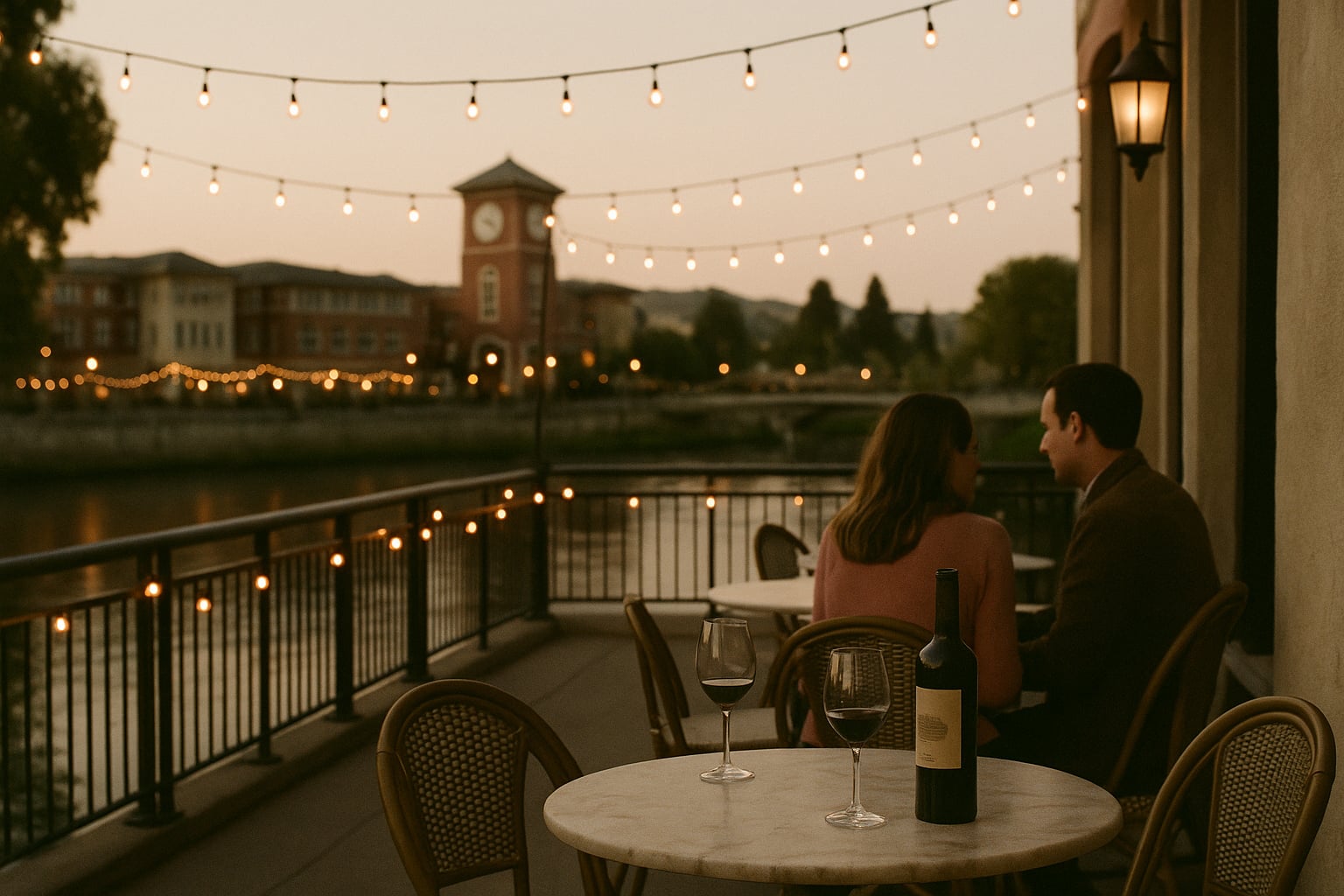
The grief is also about visibility. A ritual only does its full work when the world around you recognizes it. When you hold hands across a table at a Yountville restaurant and it registers as ordinary, unremarkable — that recognition is load-bearing. Some couples have had it for years. Some are still waiting.
Shared Language as Intimacy Infrastructure
One of the less-discussed rituals queer couples build is linguistic. The private vocabulary of a relationship — the shorthand, the nicknames, the specific phrases that mean exactly one thing to exactly two people.
Straight couples have this too. But queer couples often build it faster, deeper, and more deliberately, because the language outside doesn't quite fit. "Husband" and "wife" carry centuries of gender scaffolding. You might use them and mean something different. You might reject them entirely. Either way, you're doing work the language wasn't designed to support.
So you make your own. A word for the specific comfort of waking up tangled together. A phrase that means "I need you to just be here, not fix it." A look across a room that translates to a whole paragraph.
This is intimacy infrastructure. It's not romantic in the greeting card sense. It's more durable than that.
Anniversary Traditions Without a Default Answer
The anniversary question trips up a lot of queer couples, particularly early on. Because the cultural script says: first date, then commitment, then ring, then wedding anniversary. Linear. Dated. Easy to track.
But what if you were friends first for two years? What if you lived together before you named anything? What if the relationship evolved rather than launched?
Some couples pick a date that felt like a turning point and agree on it, even if it's somewhat arbitrary. Some mark multiple dates — the night it became real, the day they made it official, the first trip together to somewhere that mattered. Indian Springs in Calistoga. A rental in Guerneville in October. The specific afternoon the weight of it shifted.
The Cost Nobody Prices In
The cost is attention. Sustained, deliberate attention. Because without a template, nothing happens automatically. The anniversary doesn't mark itself. The ritual doesn't repeat unless you both remember to repeat it.
This is where minority stress enters quietly through the back door. You're already spending energy on the outside world: the family members who half-accept you, the colleagues who ask questions, the ambient awareness of space and safety in any new room. Then you come home and the inside of the relationship also requires active construction.
It's not that the construction isn't worth it. It is. But the cumulative weight of it — building the structure and living in it simultaneously — is real.
What the Freedom Quietly Gives Back
Here's what's on the other side of that weight: a relationship where almost nothing is assumed. Where the things you do, you do because you chose them. Where the rituals actually fit the people inside them.
The Sunday morning liturgy means something because two specific people built it. The private word exists because the existing words weren't enough. The anniversary date is marked because it was actually significant, not because a calendar template said it should be.
There's a kind of intimacy in that which inherited templates can't quite replicate. Not better, necessarily. But yours in a way that's harder to accidentally sleepwalk through.
When you drive the back roads through Sonoma on your anniversary because you decided that's what your anniversary looks like — no template told you, no tradition demanded it — the moment lands differently. It belongs to you entirely.
Where to Start If You're Still Building
Don't start with the big ceremonies. Start small. What do you already do that you'd miss? The specific order you make coffee. The show you only watch together. The text you send when you land somewhere safe.
Name it. Not formally — just notice it aloud. "This is our thing." That noticing is the ritual beginning.
Let it be imperfect and evolving. A ritual isn't a contract. It's more like a habit that carries meaning. It can change shape as the relationship changes shape.
And give yourself permission to grieve the template you didn't get, without letting that grief convince you the blank page was a punishment. It wasn't. It was a different kind of starting point.
The couples who build the most durable rituals aren't the ones who had the best raw material. They're the ones who kept paying attention — to each other, to what felt real, to the small moments worth repeating. That's not a queer experience. But queer couples, building without a net, often learn it by necessity, which is its own kind of education.