The day is almost always on the calendar. Usually a Sunday. Sometimes a random Thursday you claimed weeks ago with something close to hope. Then the weekend fills in around it, and by Saturday night it's gone again — absorbed by someone else's appointment, someone else's need, a dinner you said yes to because it was easier than explaining.
You're not bad at rest. You just keep finishing everyone else's list first.
That's the pattern. And it has a cost that most people are willing to assign to themselves alone — tired, stretched thin, operating at a low hum — without ever noticing what it's doing to the space between them and the person they're closest to.
What Chronic Last-Place Rest Actually Looks Like
It's not dramatic. That's why it's easy to miss. It looks like getting into bed twenty minutes after your partner because you were finishing something. It looks like sex you're physically present for but mentally miles away. It looks like irritability at 7 PM that has nothing to do with dinner.
It looks like being the person who manages the logistics, tracks the details, smooths the edges — and then, when asked how you're doing, saying fine because you don't have the bandwidth to say anything more accurate.
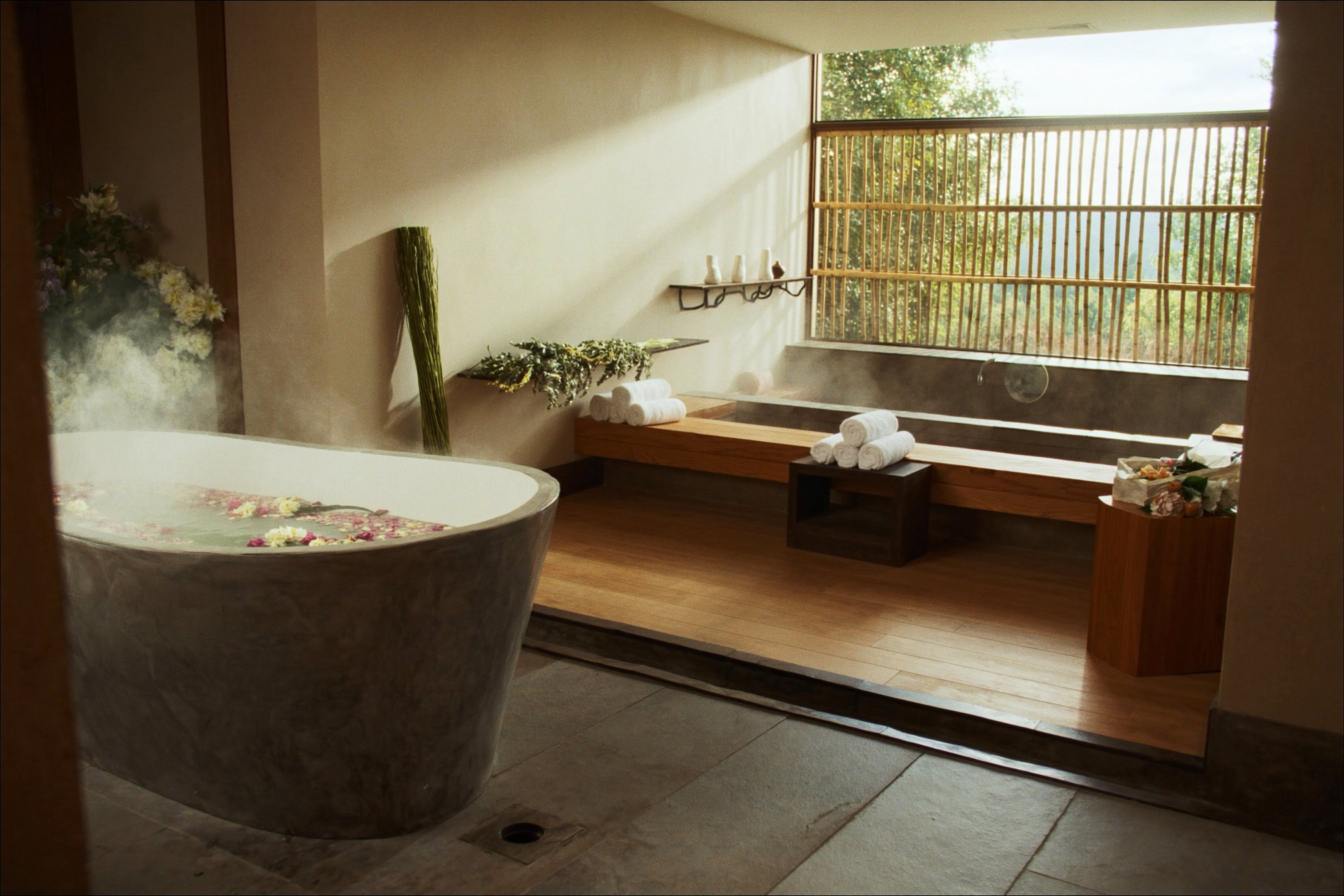
The body keeps score here. Not metaphorically. The nervous system that's been on standby since Tuesday doesn't relax just because it's Saturday. It sits in the hot tub at Solage and waits for the next thing to manage.
The Relationship Tax Nobody Tallies
Here's the part people skip past: putting your recovery last isn't neutral for your partner. It changes who they get.
They get the version of you that's functioning, not the version that's present. They get competence without availability. They get someone who's in the room but not quite reachable. And if they're paying attention, they feel it — they just might not have language for it.
Some of them start pulling back slightly, not because they want distance but because the version of you that's running on fumes is a little hard to get close to. Some of them start doing more, filling in the gaps you're too tired to notice are open. Some of them quietly stop initiating — touch, conversation, plans — because you always seem like you have something more urgent going on.
I didn't realize I'd stopped reaching for her until she asked me why.
— From a reader conversation
That gap is what chronic last-place rest builds, brick by brick, over months. It's not a crisis. It's erosion.
Why You Keep Doing It Anyway
Rescheduling your own recovery feels like flexibility. It reads, to you and to everyone watching, as generous. Capable. Low-maintenance.
It's also deeply familiar. Most people who habitually put their rest last learned early that being needed was safer than taking up space. Anticipating others' needs was a skill that got rewarded. Rest, real rest, felt self-indulgent at best and suspicious at worst.
So you keep the day flexible. You keep the restoration provisional. And you keep quietly resenting the fact that no one reschedules theirs for you — without ever having asked them to protect yours.
What Rest Does — For Both of You
When you actually take the day: your nervous system downshifts. Your skin stops feeling like a surface you're carrying around. You become easier to be next to — not because you're suddenly more agreeable, but because you stop being braced.
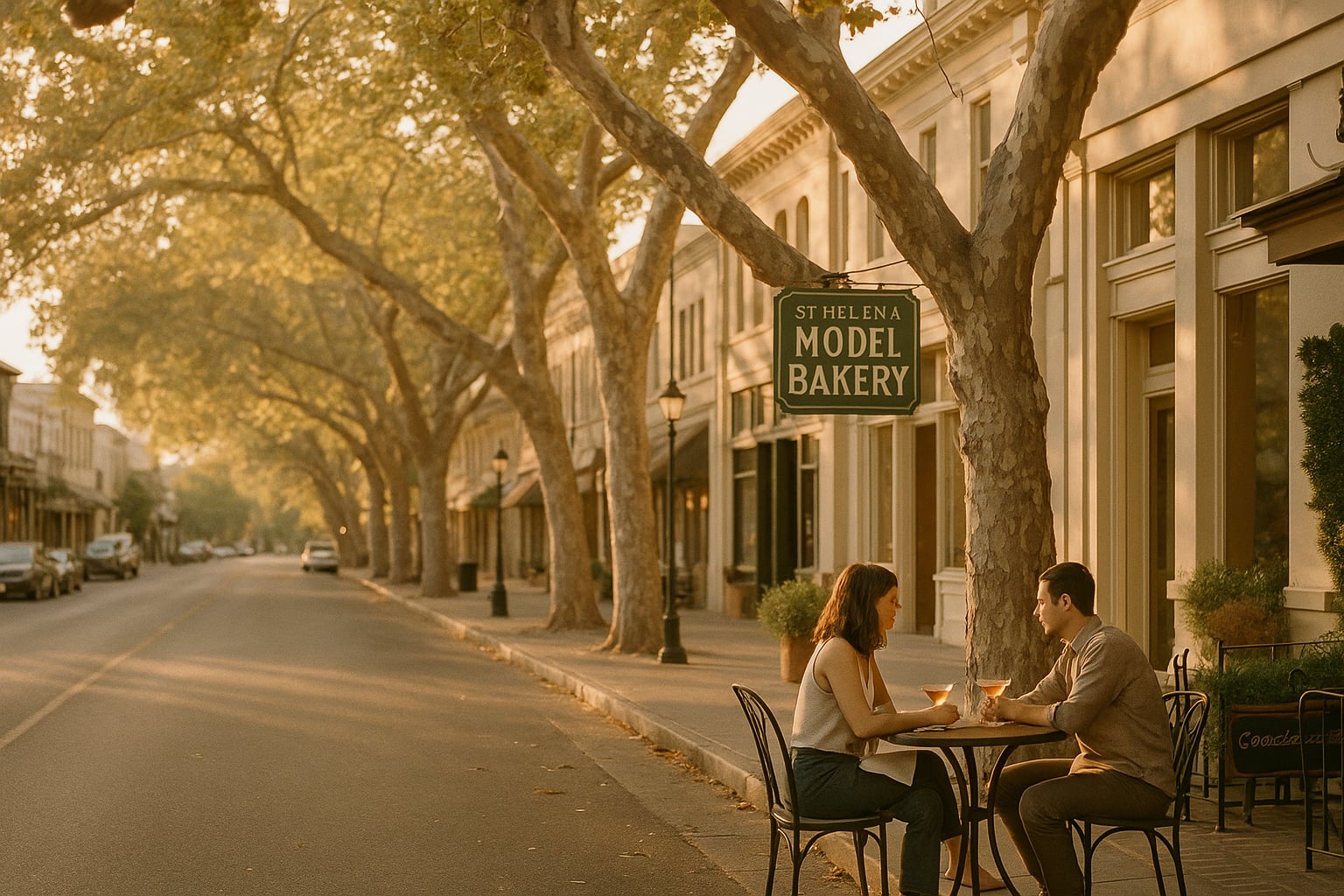
The difference between a body that's been running tense all week and a body that had a real Sunday is physical. Your partner feels it. In a shoulder that doesn't go rigid when touched. In a conversation that doesn't have an exit ramp built into every sentence. In the way you look at them across a slow dinner in Healdsburg and actually see them instead of just processing them.
Rest is relational. That's the part no one tells you. Sleep — covered in Sleep Is Foreplay. The body's stored tension — explored in Your Body Keeps the Relationship Score Too. But the specific texture of what happens in a relationship when one person stops restoring? That's its own thing.
The Micro-Behaviors Worth Watching
You can feel this pattern in small, specific ways. You're the one who checks the phone one more time before turning off the light. You fall asleep thinking about tomorrow's logistics. You eat lunch standing up more often than sitting down. You can't remember the last time you were bored — not distracted, actually bored — because you haven't had the room.
And intimately: you're less curious. Not cold, just less drawn toward. Touch that used to feel like an invitation now feels like another thing on the list. You say yes but you're not quite there. Your partner notices the gap between your body arriving and you arriving.
This is connected to what we covered in The Horniness-Stress Inversion. The nervous system has a hierarchy. Restoration is not optional for desire. It's load-bearing.
How to Actually Take the Day
Not a spa day. Not a to-do list rebranded as self-care. Something genuinely without output.
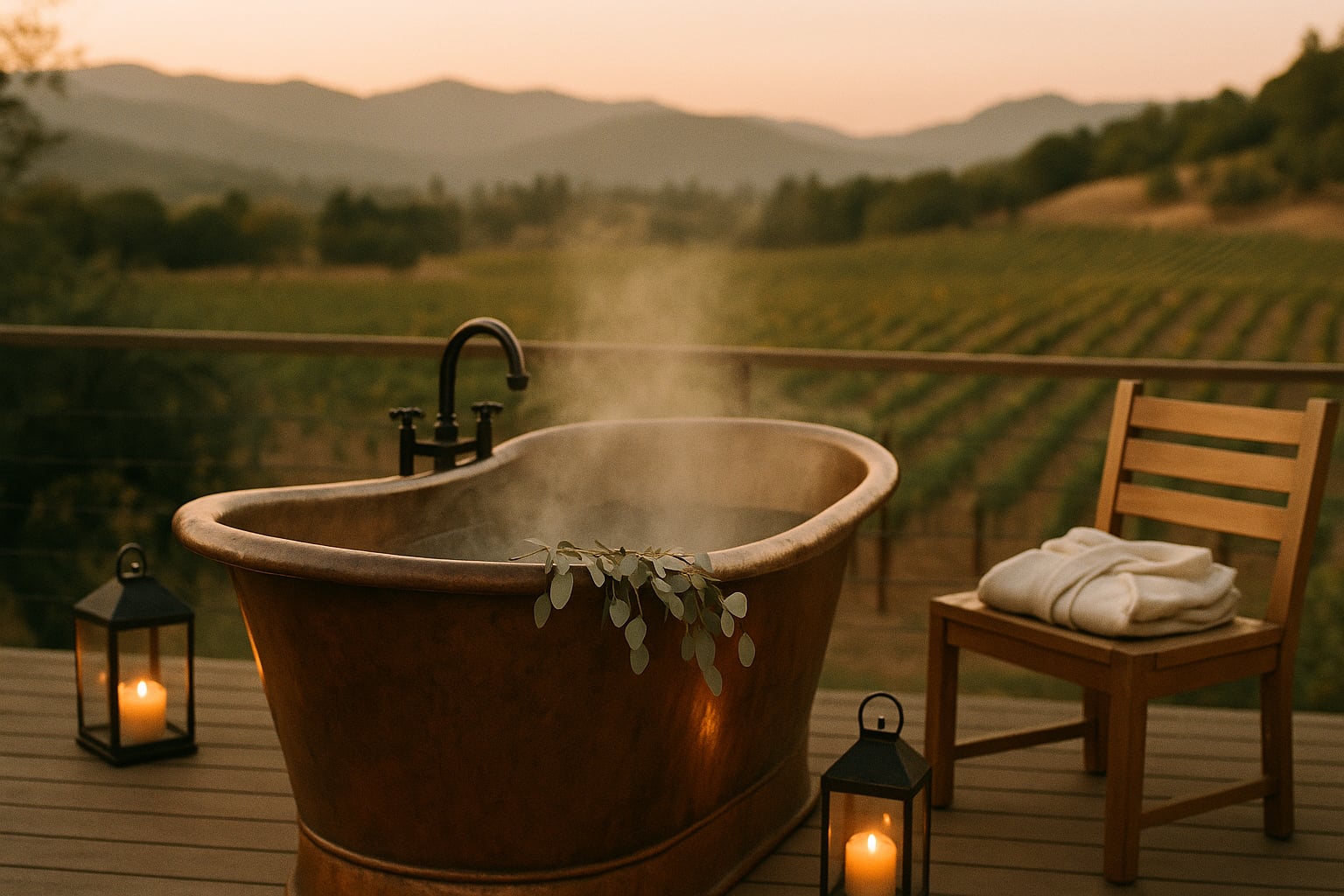
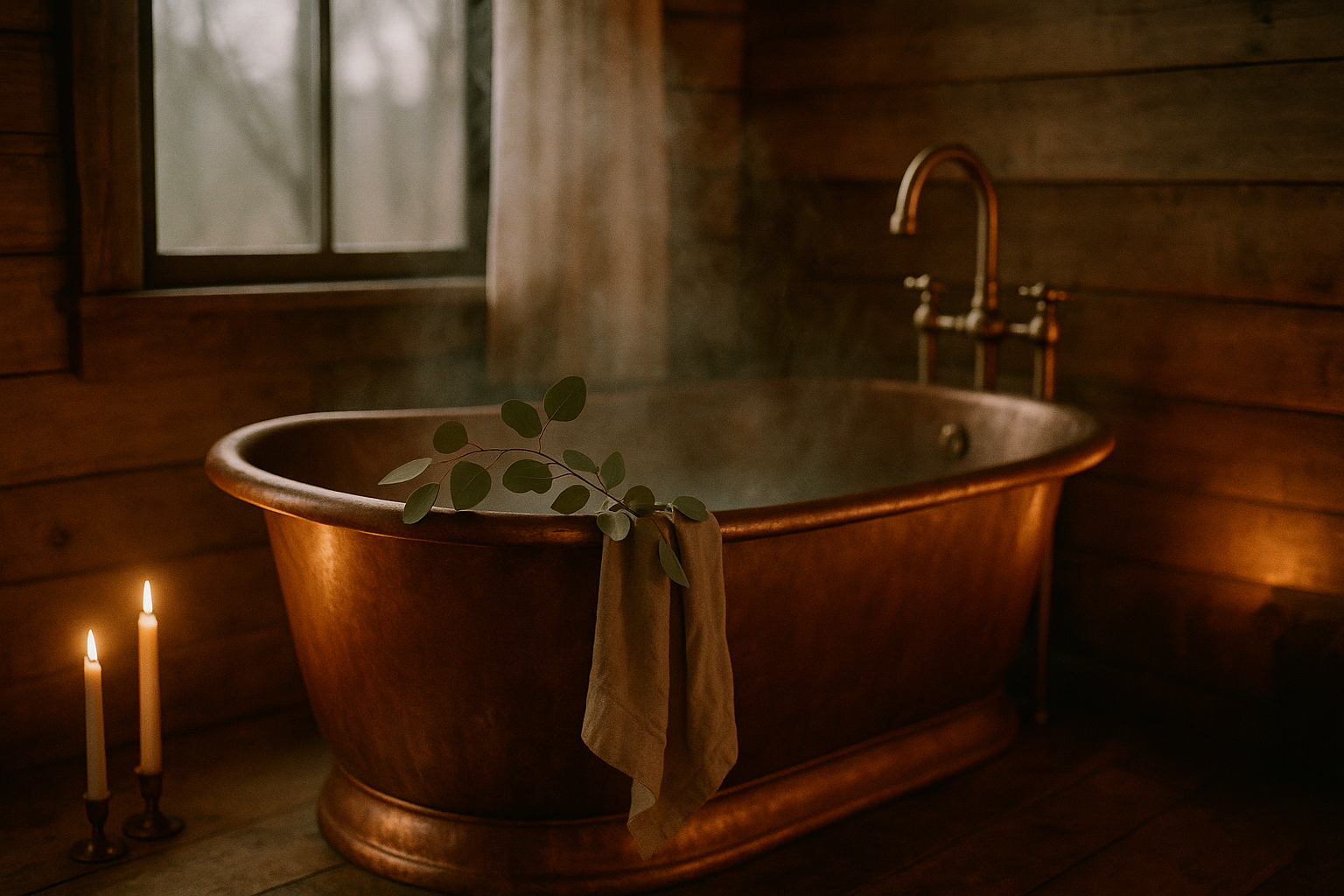
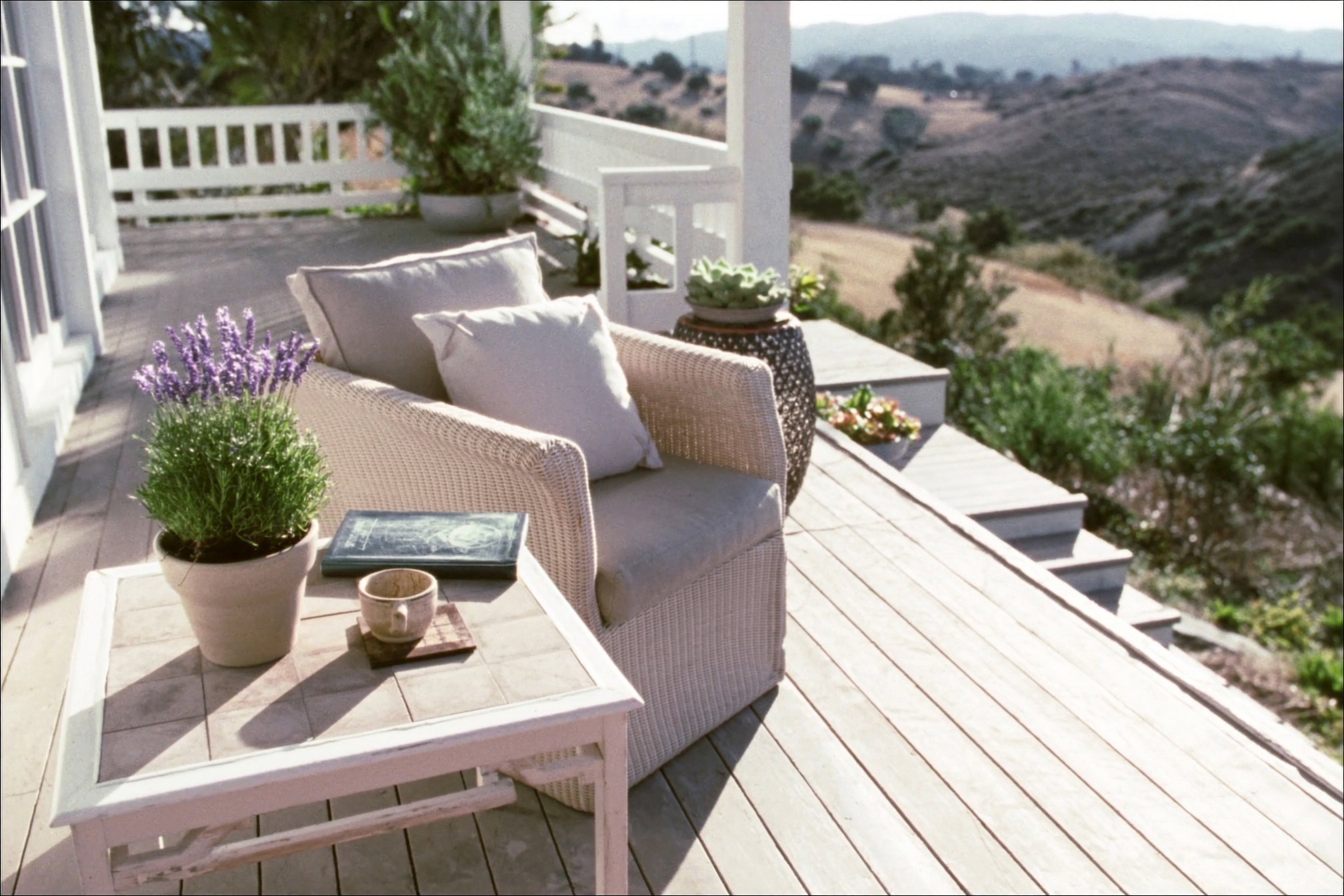
That might be a morning where you don't look at your phone until 10. A solo drive on the Sonoma backroads with no destination and no podcast. An afternoon in bed where the only goal is to be horizontal. A bath that runs too hot, with the weight of a robe waiting on the hook, and no one needing anything from you for ninety minutes.
The specifics matter less than the condition: nothing to produce, no one to manage, no performance of restfulness for someone else's comfort.
Tell your partner it's happening. Not as a request for permission. As information. Sunday morning is mine. I'll be back by noon. Watch what that sentence does in your body when you say it without apologizing.
What Changes After
People who start actually protecting their recovery time often report the same things. They're slower to react. They reach for their partner more. They stop dreading evenings that used to feel like a second shift.
And the relationship gets something back it may not have even noticed it was missing: a person who's returned to themselves enough to be curious. About the other person. About what they want. About the evening, the weekend, the next thing.
Curiosity is underrated as a relational nutrient. It's hard to be curious when you're depleted. It's nearly impossible to be present when you're braced. The recovery day isn't indulgence. It's maintenance on the most important thing you've got.
The day is still on the calendar. Don't move it this time.