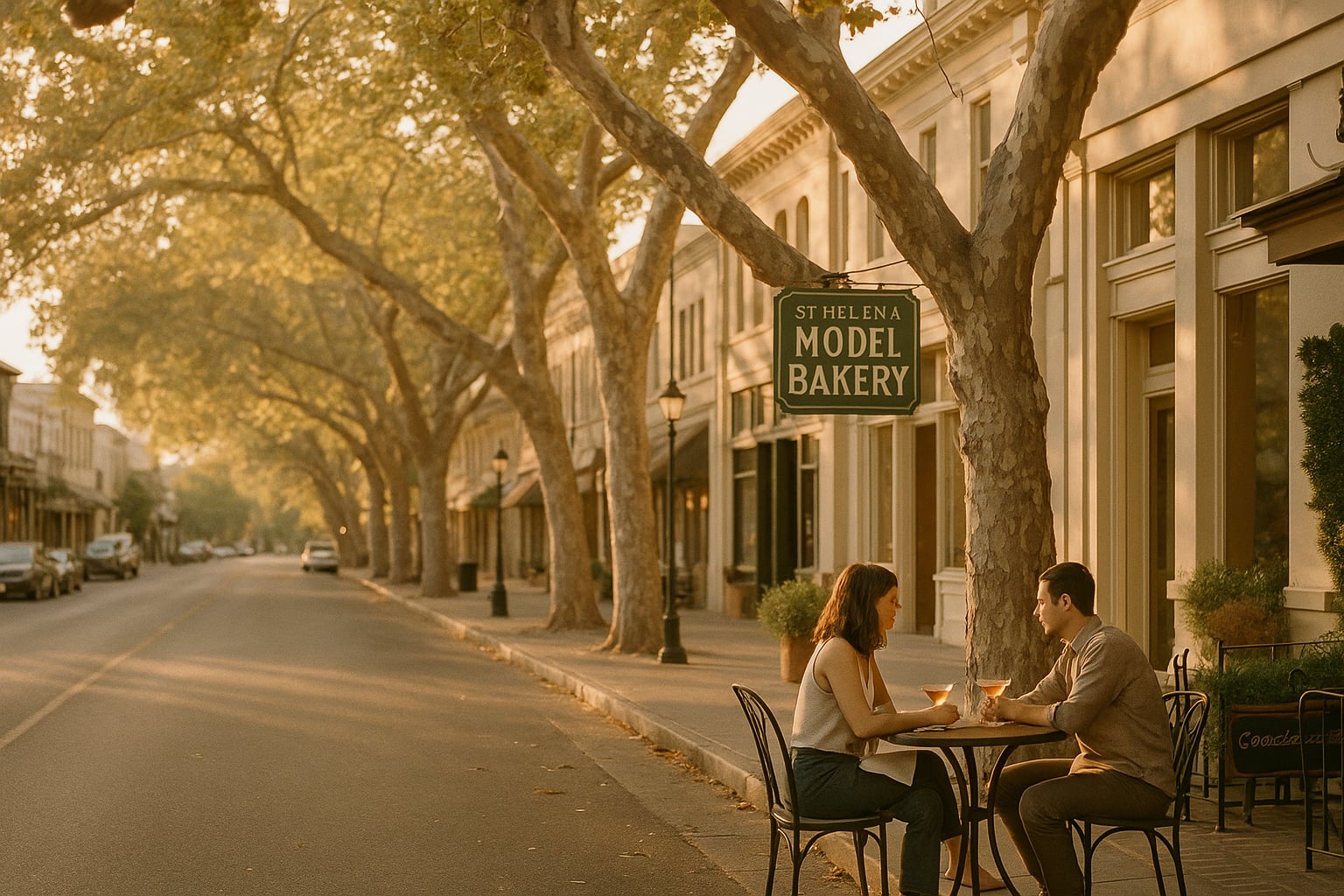
Someone you know has a beautiful apartment. Good wine in the rack. Plants that are somehow still alive. Saturday mornings that belong entirely to them. And every time you see them at a dinner party, someone asks: so, are you seeing anyone?
They say no, not really, and the table does a thing. A small, almost invisible thing. A half-second recalibration. A tilt of sympathy that wasn't requested.
This happens constantly to queer people who've built lives outside the structure of conventional partnership. Not because they failed to find something. Because they looked at the structure and said, genuinely: this doesn't fit.
And nobody quite believes them.
The Misread That Never Gets Corrected
There's a specific kind of loneliness that comes from being chronically misunderstood as lonely. It's different from the loneliness of actually wanting a partner and not having one. It's sharper. More exhausting. Because you have to manage other people's discomfort with your life while also just living it.
The culture has one story for single people over a certain age: waiting, healing, or not quite knowing what they want yet. It applies that story indiscriminately. And for queer people, it layers on top of a second assumption — that because queerness already involved one major renegotiation of the norm, surely the next step is now find a partner who gets it.
As if liberation from one script means you naturally sprint toward the next available one.
What Chosen Solitude Actually Looks Like
It's not a performance of contentment. It's not a coping mechanism with good aesthetics. It looks like someone who's genuinely done the math and landed somewhere real.
It looks like a 38-year-old who schedules her own version of the summer hotel weekend — alone, in Healdsburg, because she wants two nights where the only agenda is hers. No negotiation. No one else's temperature preferences for the room.
It looks like a man in his mid-forties whose queer friend group is the actual architecture of his life. Sunday dinners. Emergency contacts. The 2 AM call that gets picked up. Not a consolation prize for not having a partner. The real thing.
It looks like someone who has read their own nervous system accurately and knows that shared space — permanent, structural shared space — costs them more than it gives them. And who built accordingly.
Why Queer People Face This Specific Pressure Differently
Straight culture has a version of this problem too. But it's not the same version.
For queer people, particularly those who came out after years of trying to fit a heterosexual partnership structure, the well-meaning pressure to find your person now carries an irony that's almost funny. You spent years being told the shape of your love was wrong. You finally got free of that. And now the message is: great, now find the queer version of the thing you just escaped.
There's also the matter of minority stress. The low-grade, cumulative weight of navigating the world as a queer person doesn't disappear inside a relationship. Sometimes solitude isn't avoidance. It's a genuine, reasonable response to having a nervous system that needs more quiet than most frameworks allow for.
And for those who've lived through the particular grief of chosen family structures — where deep, non-romantic bonds have carried the actual weight of a life — the idea that partnership is the only container that counts feels not just inaccurate but faintly insulting.
The Pity That Hides Inside Concern
Here's the thing about the dinner party tilt. The person doing it usually isn't being cruel. They love you, or they like you, and the tilt comes from genuine care.
But care routed through assumption still lands as pity. And pity at the dinner table, aimed at someone who woke up that morning in a bed they liked being in alone, is its own specific kind of strange.
The worst part isn't the question. It's the face they make after you answer it fine.
— unnamed, Sonoma County
The concern-face requires a response. You have to either perform some small sadness to make it feel earned, or perform contentment hard enough that it looks defensive. There's no neutral register. No way to just say I'm genuinely okay without it sounding like you're trying to convince them.
That performance tax is real. It costs something, over years.
The Question Nobody Asks the Partnered People
Nobody looks at the couple at the same dinner party and asks: are you sure you want that? Are you sure the thing you're in is actually working? Are you sure this is a choice and not a habit?
The relationship you describe versus the one you're actually in is a real gap that plenty of partnered people are quietly living in. Nobody pulls them aside.
This asymmetry says something about what the culture is actually valuing. It's not happiness. It's not even connection. It's the form. The visible, legible, confirmable form of the coupled unit.
Choosing solitude exposes that. Which is maybe part of why it makes people uncomfortable.
What It Takes to Actually Believe Someone
When someone tells you they've built a life they like, and that life doesn't include a partner: believe them. Not provisionally. Not with a mental asterisk that says for now.
Ask what they're excited about. Ask about the Solage weekend they just got back from, the one they took alone and clearly needed. Ask about their work, the friendship that's been a decade running, the morning routine that sounds almost annoyingly good.
Let the architecture of their life be as legible as yours. Not a placeholder. Not a before photo. Not a problem you're helping them solve by staying curious about when they'll solve it.
It's Not a Phase. It's Not Trauma. It's a Life.
Yes, some people choose solitude from fear. Some are still untangling something from the last relationship. Some are in a season, not a permanent place. All of that is true for some people.
But some people have just looked clearly at what they need, what partnership costs versus what it returns, and made a considered call. They've read the real nature of their own limits. They've stopped performing desire for a structure they don't actually want.
That's not a wound wearing a good outfit. That's someone who did the work and arrived somewhere honest.
The queer experience has always been, at its core, about refusing the story other people wrote for you. Sometimes that means finding love in forms the culture doesn't have a greeting card for. Sometimes it means finding that the fullest version of yourself lives in a one-bedroom with good light, no compromise on the thermostat, and Saturdays that start quietly and go wherever the day wants.
That's not sad. That's not waiting. That's not something you should fix when you see it.
That's a life. And it's already complete.