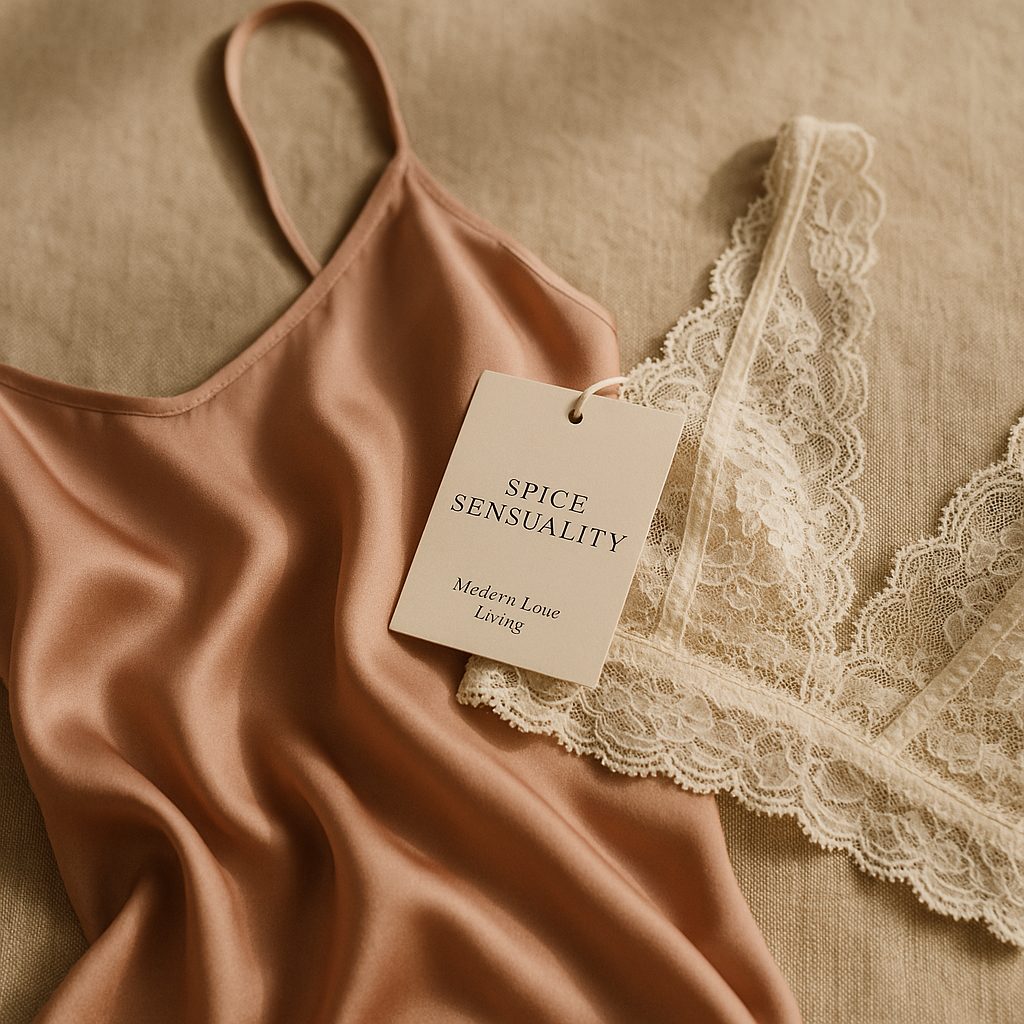
You have something folded in a drawer that you're saving. You know the one. Silk, or near enough. A little too nice for a Wednesday. You tell yourself you're waiting for a reason.
The reason never comes with enough fanfare. So it stays folded.
Most people do this. Buy something beautiful, then protect it from their actual life. The good candles don't get lit. The lace set lives in tissue paper. The robe — heavier than the others, the one that felt like a small luxury when you bought it — hangs on the back of a door and waits.
Waits for a birthday. An anniversary. A hotel. Some inflection point that announces itself first.
But Tuesday doesn't announce itself. Tuesday just shows up and sits there, ordinary as drywall, while the good stuff stays in the drawer.
The Occasion You're Actually Waiting For
Here's what no one says: you're not really waiting for an occasion. You're waiting for permission. Permission to take up that much space on a night that hasn't earned it yet.
And underneath that — the quieter thing — is a belief that desire needs a justification. That wanting to feel good in your own skin on a random night in your own home is somehow extra. Indulgent. Performative, even, if no one's watching.
The most intimate thing you can do is refuse to save yourself for later.
— MLL
But that calculus is wrong. And your body knows it. Which is probably why, on the nights you do just throw on the good thing, something loosens. In you. And sometimes — not always, but sometimes — between you.
What Actually Happens When You Put It On
You come out of the bathroom on a regular Tuesday wearing something that slides against your skin instead of just covering it. Your partner looks up. Maybe they say something. Maybe they don't need to.
The dynamic shifted. Not because of the fabric. Because of what the fabric said.
Tonight is worth something. That's the signal. Not to them — to you first. To the version of yourself that keeps getting deferred to the weekend, to the vacation, to after the thing at work gets resolved.
When you stop waiting for permission from the calendar, your body stops bracing. There's a physical ease that comes with that. Shoulders drop. You pour a second glass of wine without calculating whether you've earned it. You're present instead of pending.
The Partner Piece
If you live with someone, they feel the undercurrent of this. Couples who've been together long enough develop a kind of shorthand for when the night is just a night versus when something is actually happening.
Wearing something intentional is a cue. Not a demand. Not a performance. A cue that says: I'm here. I'm not half-somewhere-else. I'm not already in tomorrow.
There's a whole separate grief to the other version — both of you in the same clothes you worked from home in, eating in front of something neither of you particularly wanted to watch. Not bad, exactly. Just... not quite here either.
The silk or the good set or even just a different shirt changes the texture of the evening. Not because clothes equal desire — they don't, automatically. But because choosing something says you chose it. And choosing anything, consciously, breaks the autopilot.
Solo, This Counts Double
If you're on your own, this matters even more. Because the temptation to defer entirely is stronger when there's no one to notice. No one to dress for. So why bother.
That framing is the problem. The dressing isn't for the audience. It never was.
Putting on something beautiful when you're alone — sliding into a silk slip at 9 PM to eat dinner and read a book, lighting the candle, using the real plates — is an act of refusing to disappear from your own life. It says you're worth the gesture even when no one's watching. Especially then.
The mirror is the first relationship. What you wear in front of it when you're alone tells you exactly how you feel about that one.
The Small Ritual of Putting It On
It helps to have a version of this that's actually accessible. Not the thing you'd wear to a wedding. The good everyday beautiful thing.
Robe weight matters more than you think. Thin cotton is fine; heavy waffle or silk charmeuse does something different to your posture. Lace that actually fits — not too tight, not too loose — is an entirely different material than lace that's performing a concept.
The scent in the room is part of it too. Warm skin after a shower, a little oil on your collarbone, something lit on the nightstand. Sensory anchors. Your nervous system knows you're off-duty when those things land at once.
You don't need the occasion to build the ritual. The ritual becomes the occasion.
FAQ
Is it weird to wear lingerie or nice sleepwear on a regular night with no particular reason?
No. The "reason" you've been waiting for is a fiction. Comfort, pleasure, presence — those are reasons. A random Tuesday is a legitimate night to exist in your own body in something that feels good.
Will my partner actually notice or care?
Usually yes, even if they don't say much. The shift in the room is real. But the more important question is whether you notice. Start there.
What if I feel self-conscious wearing something nice with no context?
That feeling is exactly what this is about. The self-consciousness comes from the belief that you need to earn being seen. You don't. Wear it anyway. The awkwardness fades faster than you think once your body remembers it's allowed.
How do I actually build this as a habit?
Attach it to something you already do: after you shower, before dinner, when you get home on Fridays. Don't make it a project. Just stop putting the good thing back in the drawer.
The night you stop waiting is unremarkable on the outside. You make dinner. You sit on the couch. The week hasn't resolved into anything cinematic.
But you're wearing the thing. And something in the room is slightly warmer for it. And that — quietly, without announcement — is the whole point.




