Somewhere between late March and the end of May, your calendar gets away from you. Not all at once. One yes at a time. A winery in Healdsburg. A friend's birthday brunch. A hike someone's been planning since January. And then you're standing in June wondering where spring went, which is the kind of question that sounds poetic but actually just means you're tired.
The season doesn't take your free time. You give it away in small, reasonable pieces. That's the part nobody talks about.
What an unscheduled afternoon actually is
Not a spa day. Not a staycation. Not "self-care" in the version where you still have a list and you still feel vaguely behind.
An unscheduled afternoon is one block of time — three, four hours, maybe five — with no deliverable at the end of it. No place to be at six. No one waiting on you. Nothing that counts as productive. The whole point is that nothing counts.
It sounds simple. It is almost impossible to actually do.
Why spring is the hardest season to protect time in
Winter earns its isolation. Nobody questions staying in when it's cold. There's cultural permission for low-output weekends from November through February. You can say you're tired and people believe you.
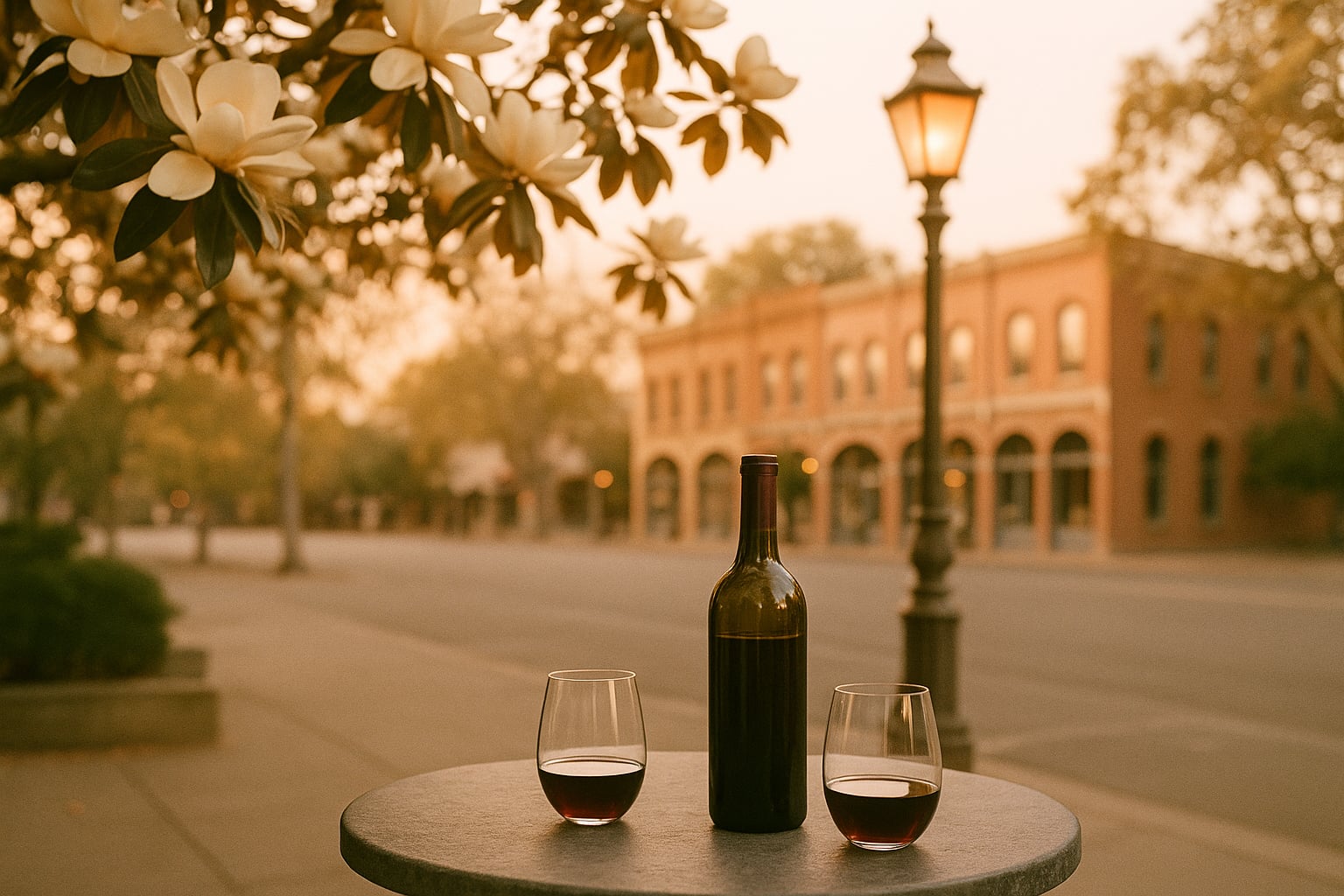
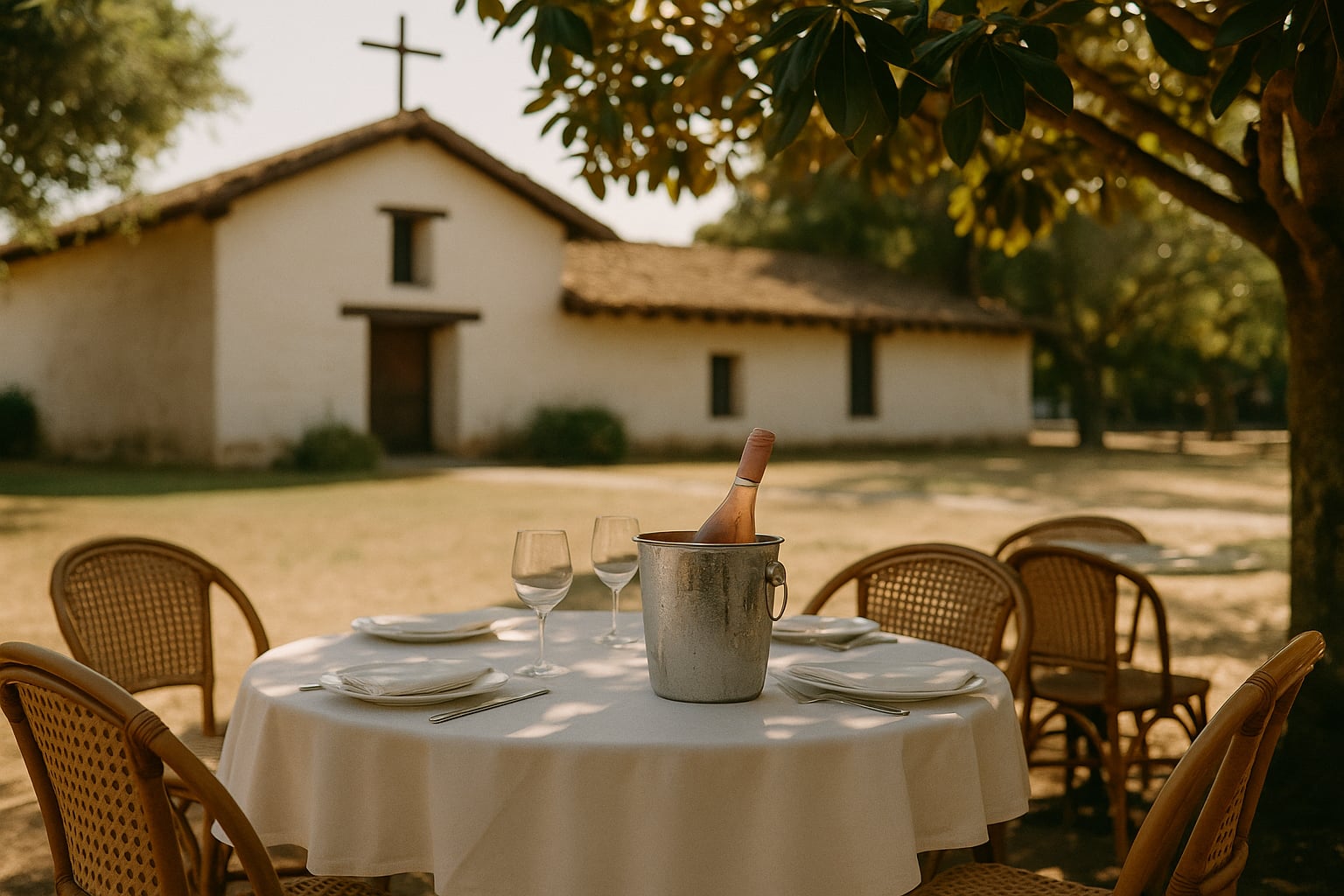
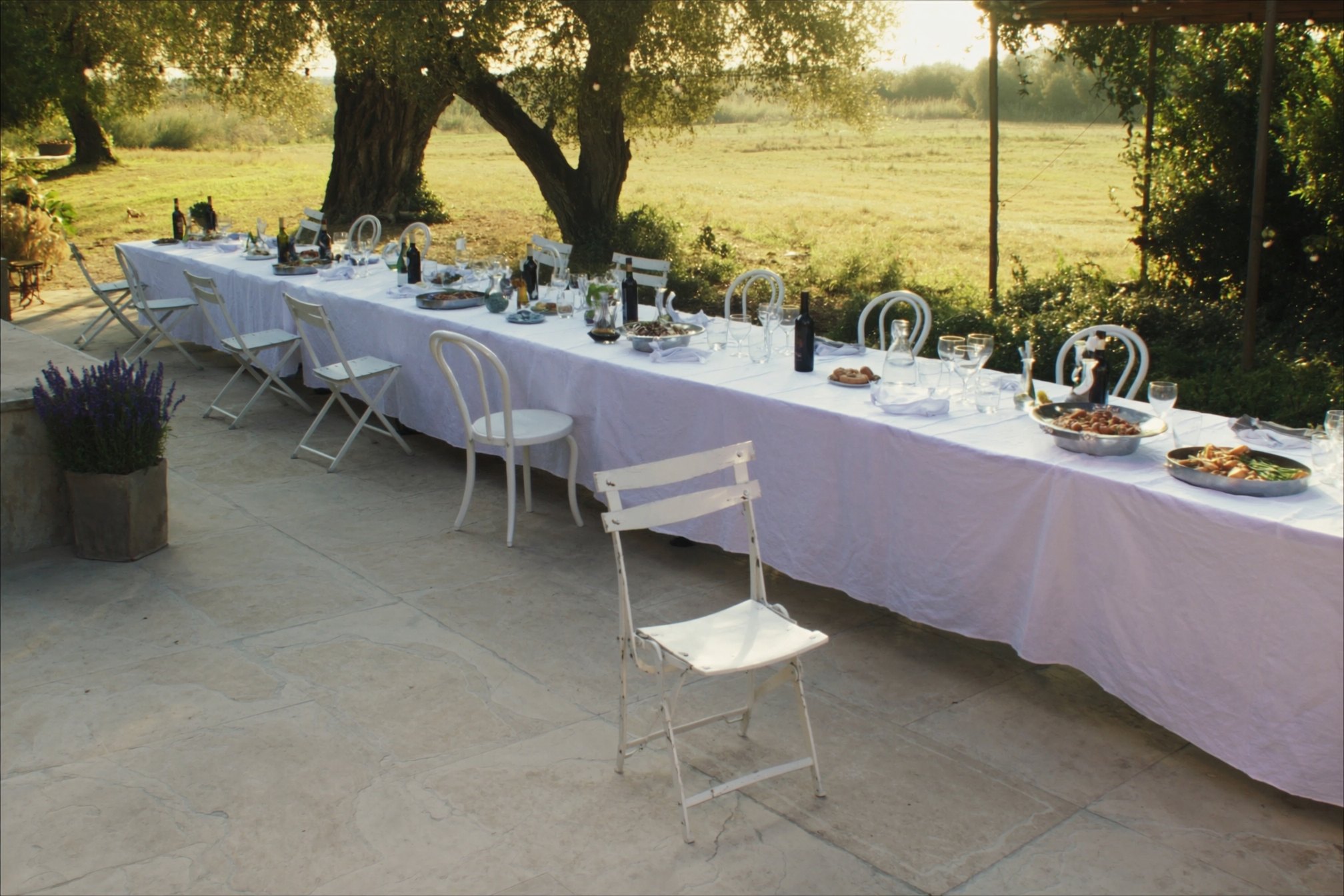
Spring removes that cover. The light comes back and suddenly everyone is making plans. The Sonoma tasting rooms fill up on Saturdays. The outdoor tables at the Healdsburg plaza get claimed by noon. Your inbox has three invitations that all assume you're ready to go.
And you might be. But "ready to go" and "actually wanting to" are different things, and in spring, it's easy to confuse them.
What happens when you actually take it
The first hour is usually uncomfortable. Not in a dramatic way. Just restless. You'll check your phone. You'll think of something you should do. The part of your brain that runs on task completion will look for something to complete.
Let it look. There's nothing there.
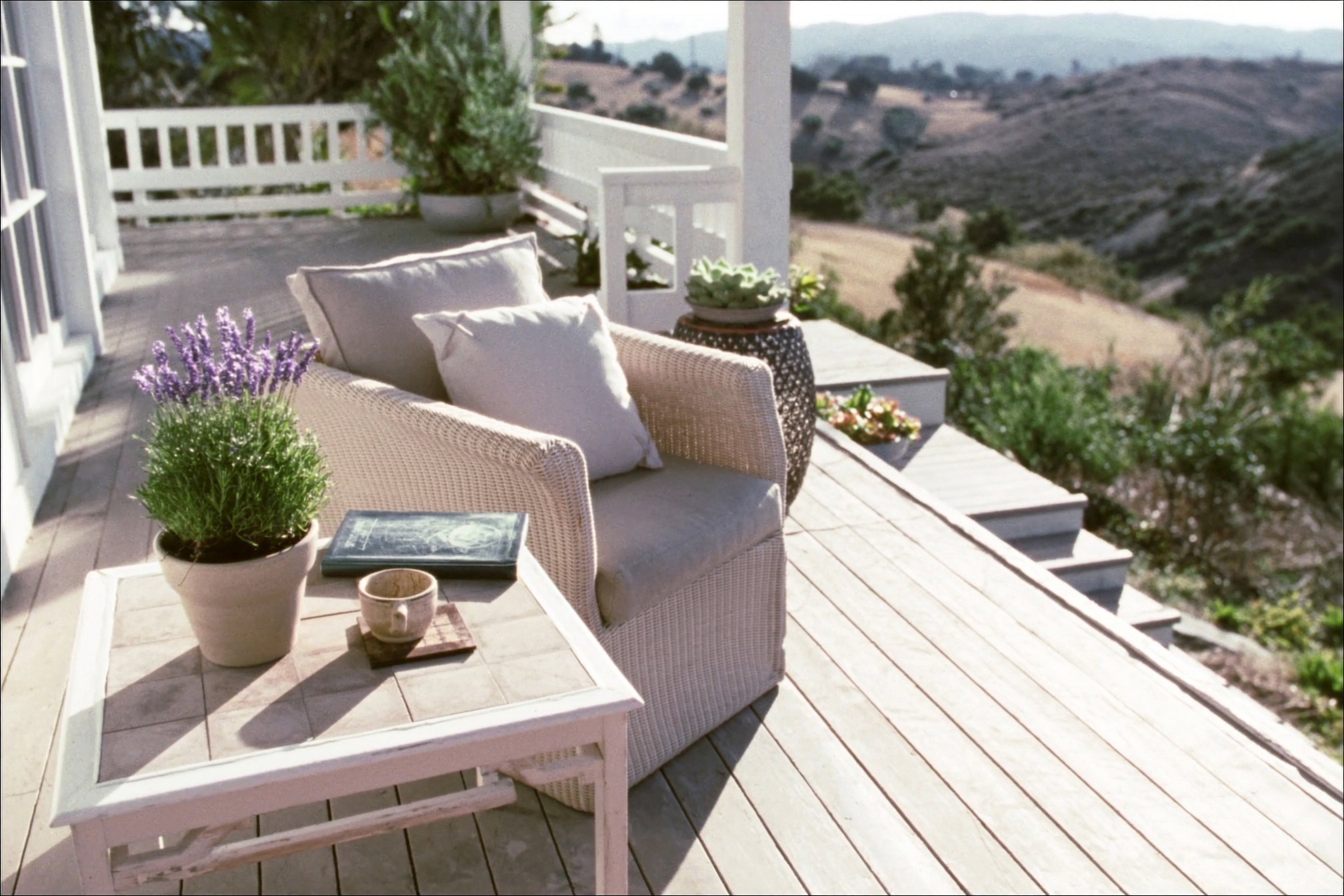
By the second hour, something loosens. You make a late breakfast that takes longer than it should. You sit in the sun in whatever you slept in. You open a window and the air smells like warm grass and something faintly sweet you can't name. Your body starts to believe the afternoon is actually yours.
That belief is the thing you've been short on.
What it looks like when there are two of you
Couples are often worse at this than people who live alone. Because one person might want the afternoon and feel guilty for wanting it. Or both people want it but neither has said so, and instead you end up at a thing you didn't really choose because no one made the call to stay in.
The actual version: you're both home. It's early afternoon on a Saturday in April. There are dishes in the sink. Neither of you changes out of what you're wearing. Someone makes coffee without asking if the other wants any, because they already know. You end up horizontal on the couch in the slow, lazy way that sometimes becomes more and sometimes just stays horizontal. Either is correct.
That's the spring afternoon. No itinerary required.
The afternoons that cost nothing are usually the ones you remember longest.
— MLL editors
The version for when you're solo
You don't need a partner to have a claim on your own time. This applies equally if you live alone, if you're newly single, if your person is traveling. Maybe especially then.
The solo version has its own texture. You eat what you want, at whatever time you want, standing over the counter if that's how it happens. You put on something that feels good against your skin — a robe you love, linen you've been saving for no reason, a soft shirt that belongs to no occasion. You don't perform the afternoon for anyone.
There's something clarifying about time that belongs entirely to you. You remember what you like when no one is weighing in.
How to actually protect it (practically)
Put something on the calendar. Not an event. A block. Label it whatever keeps other things out of it. "Busy." "Reserved." Your own name, if that helps.
Tell the people who invite you to things: "I have something that afternoon." You do. This is not a lie.
Don't explain further. The explanation is where the afternoon starts to erode.
The thing it's actually about
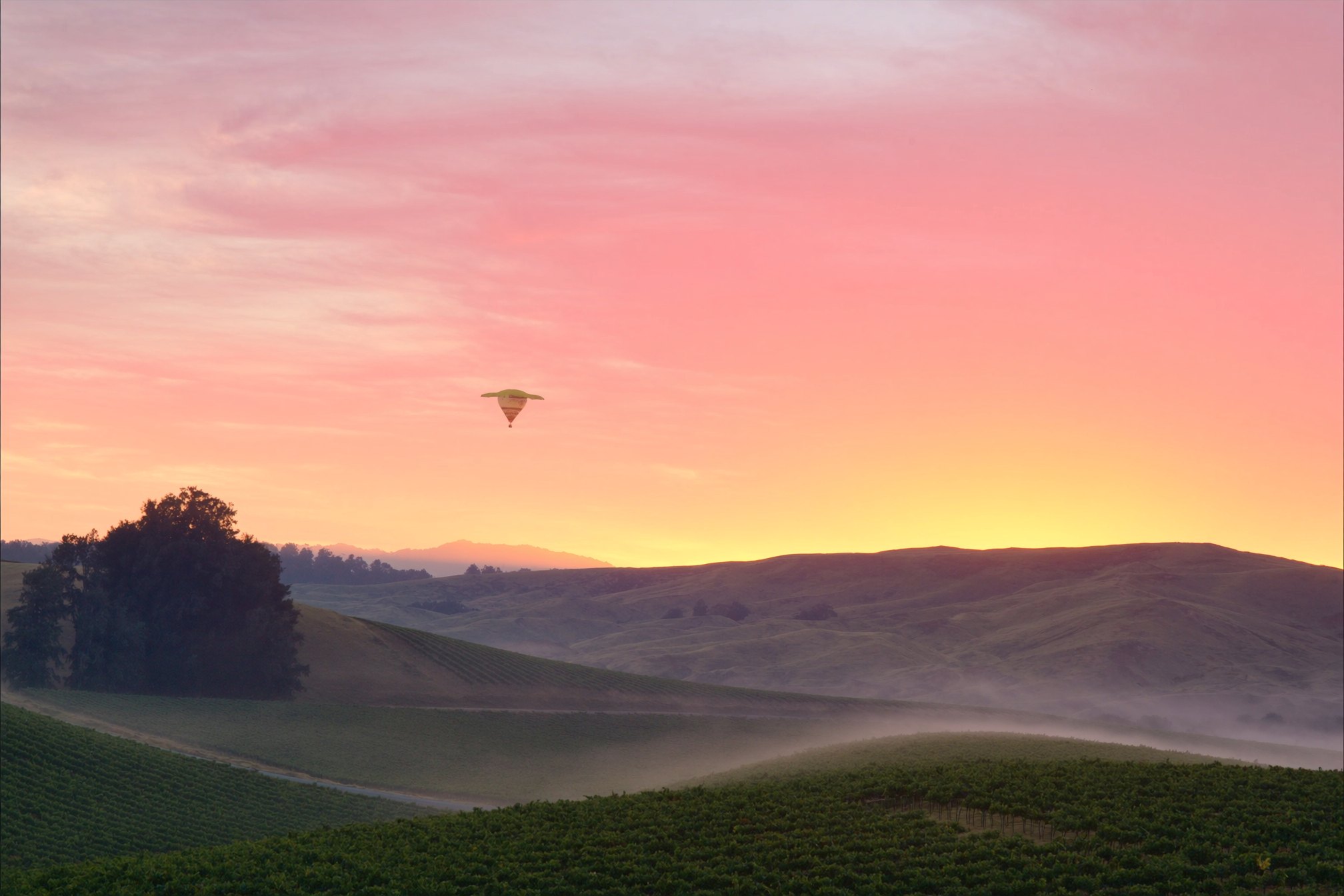
There's a version of spring busyness that looks like a full life from the outside. Dinners, drives through the Sonoma backroads, plans that feel good to make. And some of it is genuinely good. The problem isn't the plans.
The problem is what gets crowded out. Not tasks. The quieter thing. The particular quality of being present with yourself, or with someone else, when nothing is required of either of you.
Desire lives in unstructured time. So does the kind of ease that makes intimacy feel natural instead of scheduled. So does the impulse to reach for someone, or to finally say the thing you've been half-thinking for weeks.
You can't manufacture that. But you can leave room for it.
Spring is going to happen quickly. It always does. The question is just whether you get one afternoon of it that's actually yours before June closes the door.
Find it on the calendar now. Put your name on it. Let it be boring, or warm, or slow, or something more. Let it be whatever it becomes when nothing is asked of it.
That's the whole thing.