You still do the thing. Every Sunday morning, or every Friday night, or every first Saturday of the month, you do the thing you started doing together when everything was newer and you were both trying a little harder. The problem is you're not sure you'd choose it now. And you're pretty sure they would.
That asymmetry is uncomfortable to name. So most people don't.
How a Ritual Becomes a Rut Without Anyone Deciding
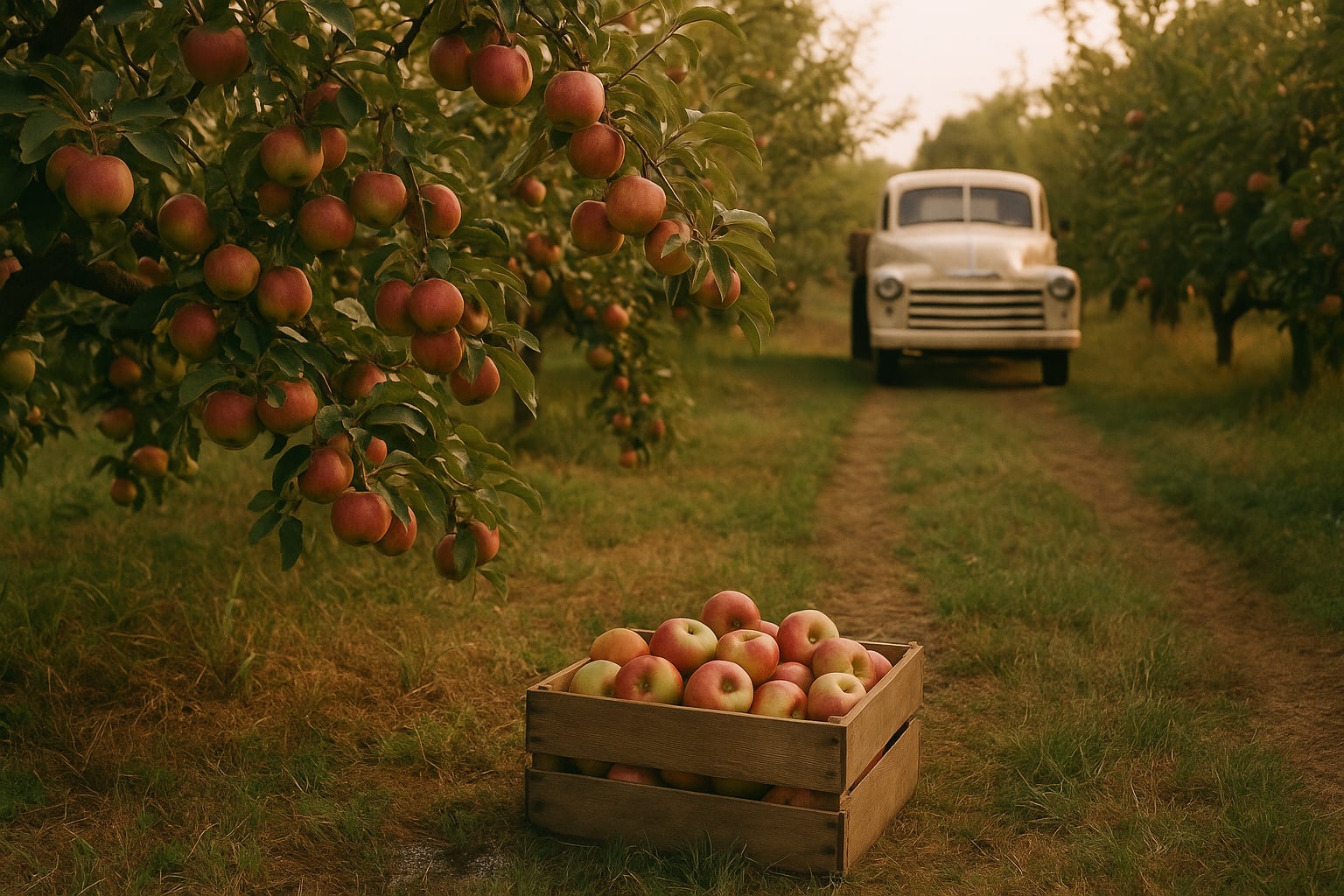
Routines don't fail dramatically. They calcify quietly. What started as Saturday farmers market became Saturday farmers market because we always do that, which eventually became just something that happens on Saturdays, like trash day.
No one decided to drain the meaning out. It left gradually, the way heat leaves a bath. One person noticed and said nothing. The other person didn't notice at all. Now you're standing in front of the same cheese vendor you've visited for four years and you're thinking: why are we here.
The ritual outlasted the version of you that invented it. That happens. It's not a crisis. But pretending it hasn't happened is where the quiet resentment starts building.
The Grief No One Has a Word For
There's a specific sadness in going through the motions of something you once loved. It's not boredom exactly. It's closer to mourning a version of yourself: the one who genuinely looked forward to this, who texted about it mid-week, who felt like this ritual was proof of something good.
The ritual doesn't change. The people inside it do. That gap is where most of the unexplained distance comes from.
— MLL
And here's the part that makes it complicated: the other person might love it just as much as they ever did. They might bring it up on Thursday with genuine anticipation. They might be counting on it in a way that has nothing to do with the activity itself and everything to do with feeling like the relationship still has shape.
Which puts you in an awkward position. You're not just ditching a habit. You're potentially dismantling something your partner is using as proof that you're still you together.
What the Behavior Actually Looks Like
It shows up in micro-moments. You agree to the Sunday thing but you're a little slow getting ready. You don't bring it up on your own; you wait for them to mention it. Once you're there, you're fine. Present enough. But you're not the one who'd be upset if it didn't happen.
Or you do the Friday-night-wine-and-a-show routine and you realize at some point you've stopped having an opinion about what to watch. It's easier to let them pick. Not because you're being generous but because you're not really invested.
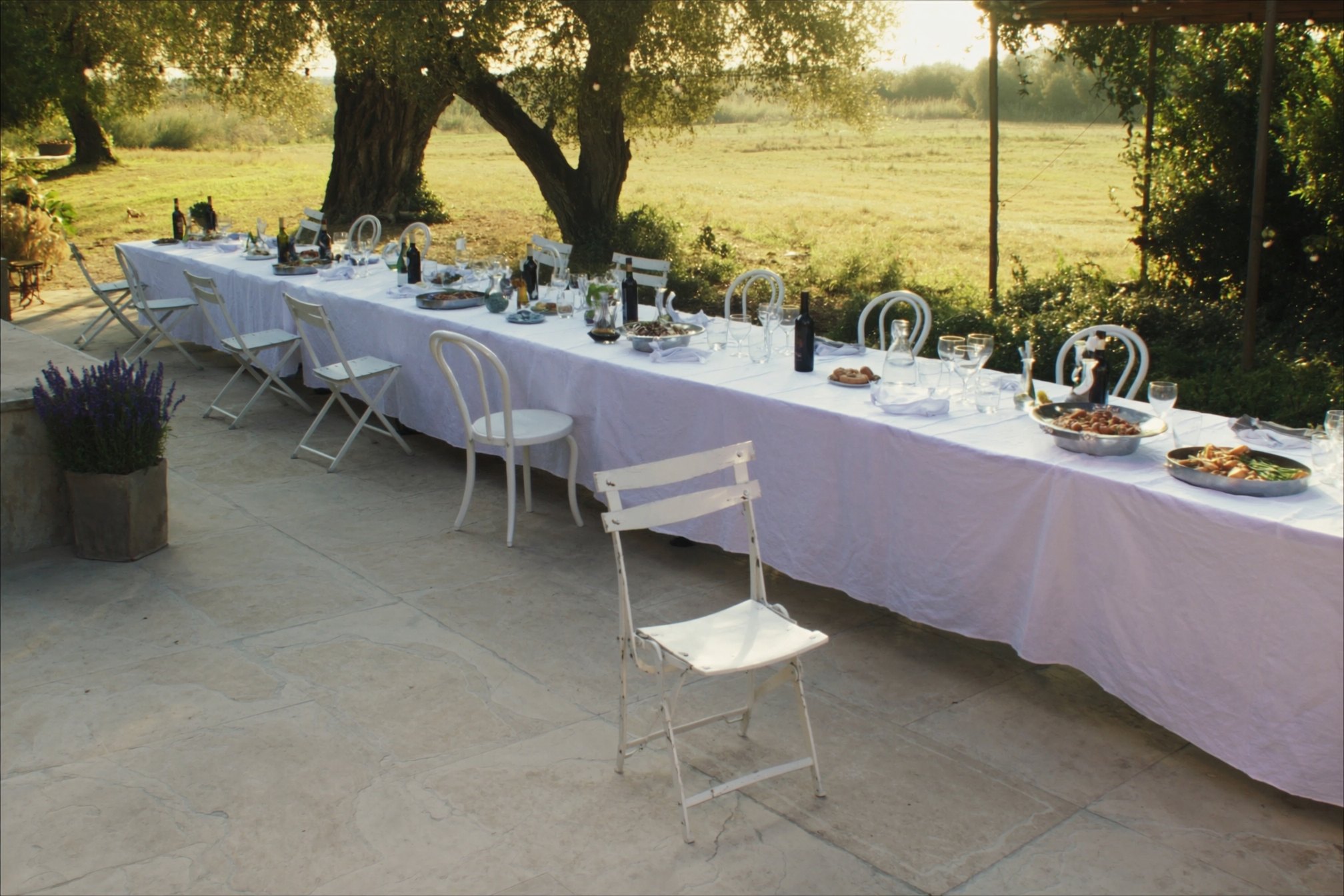
Or: you still make the reservation at the same place in Healdsburg because it's what you do in October, but you eat faster than you used to and you check your phone once before the entrée arrives and neither of you acknowledges that the conversation used to go later into the night.
Why Neither of You Says Anything
Saying I don't really like this anymore feels disproportionately large. Like you're not just critiquing a Saturday plan but indicting the relationship itself.
So you don't say it. You keep showing up. And the other person keeps assuming mutual enthusiasm because you keep showing up. The gap between your interior experience and what they're reading from your presence gets wider without anyone lying.
This is how relationships accumulate routines that are technically shared but functionally solo. One person is there because they want to be. The other is there because leaving would require a conversation.
The Difference Between Comfortable and Obligatory
Not every quiet Saturday is a red flag. Comfort is real. Long-relationship ease is real. You don't have to be giddy about the farmers market after four years.
The distinction worth making: do you feel content inside the routine, or relieved when it's over? Those are different. One is intimacy with low stakes. The other is performance with a finish line.
If you notice yourself watching the clock at the thing you invented together, that's worth sitting with. Not dramatizing. Just noticing.
When the Routine Is Doing Structural Work
Sometimes the habit is the only place you're genuinely together anymore. No phones, no parallel scheduling, actual proximity. And even if one of you has mentally half-checked out, the routine is still holding something structural in place.
In that case, the thing to investigate isn't the routine. It's what the routine is compensating for. Are you only connecting during the habit because the rest of the week is too full? Is the Friday-night ritual the load-bearing wall of a house that's otherwise drafty?
That's a different conversation than I don't like this anymore. That's closer to: I think we've let this be the whole thing, and I'm not sure it should be.
What You Can Actually Do With This
You don't have to blow up the routine. You don't have to deliver a feelings speech in the parking lot of the wine bar. But you probably can't keep performing enthusiasm indefinitely without it leaking somewhere worse.
The low-stakes version: propose a variation. Same energy, different shape. What if this month we drove out toward Sonoma instead of doing our usual? Not as a referendum on the relationship. Just as an experiment. See if the other person can flex, or if the specific ritual has become load-bearing in ways you hadn't realized.
The medium-stakes version: say the small true thing. Not I've been dreading this for months. More like: I've been a little on autopilot with this lately. Can we talk about whether this still feels like us? That's not an ending. That's maintenance.
The thing to avoid: keep showing up hollow while building a private ledger of resentment about how much you sacrifice to maintain the relationship's rituals. That ledger always surfaces eventually, and it surfaces badly.
A Quiet Moment Worth Recognizing
There's a couple that used to drive to Indian Springs every few months. Started early in the relationship: spontaneous, they'd soak until the stars came out, eat late, sleep heavy. It was theirs.
A few years in, she realized she'd started dreading the drive. He still loved it completely. Still texted her the week before. Still packed the bag with the good robe, the one that felt like staying.
She didn't say anything for two more trips. Then one night in the water, warm up to her shoulders, steam rising between them, she said: I think I've been coming here for you for a while.
He was quiet for a second. Then: What would you want instead?
That question. That's the whole thing. The ritual wasn't the relationship. The willingness to ask that question was.