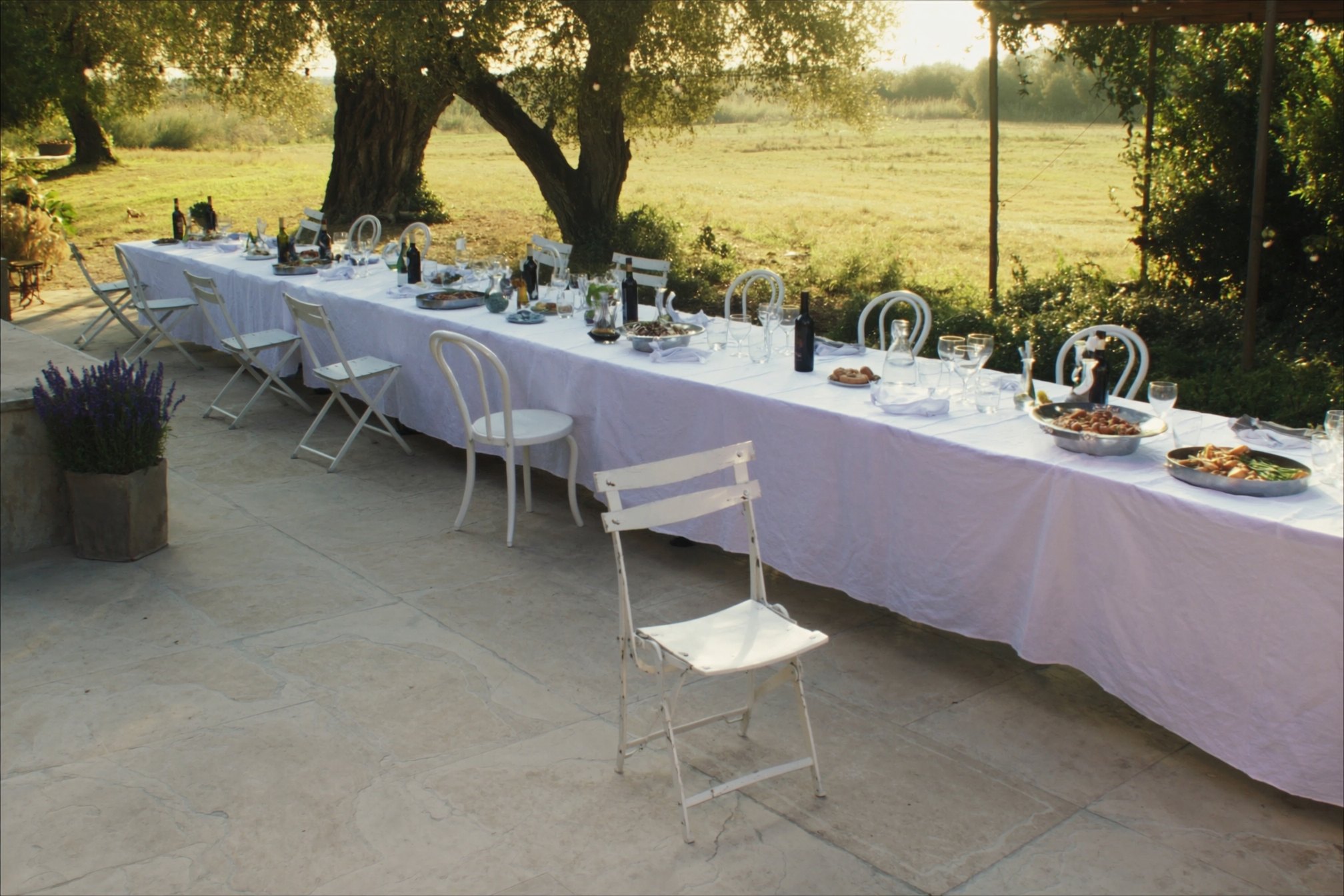
You opened the app. You checked a Thursday, then a Friday, then the following Saturday. Everything good was gone. So you booked three weeks out, picked the table you wanted — the one near the window, not the one by the kitchen — and you put it in the calendar before you even mentioned it to them.
That's not nothing. That's actually a lot.
Most people in comfortable relationships stop doing that. Not because they love each other less, technically. Because comfort and effort have a complicated relationship, and at some point effort starts to feel like it's implying something was wrong before.
The Planning Gap Nobody Talks About
There's a specific window in relationships — usually somewhere after year two, often after a big life event, sometimes just after nothing in particular — when spontaneity quietly dies and planning never quite replaces it. You stop making reservations because you keep meaning to. You eat at the same three places. You say "we should do something nice soon" the way you say you'll call your college roommate.
The gap isn't drama. It doesn't feel like decline. It just feels like Tuesday.
But that gap is load-bearing. Because what fills it is usually your couch, your phones, and a vague dissatisfaction that neither of you can quite name. The resentment you think is boredom starts here.
What Three Weeks Out Actually Signals
Here's what it takes to book a restaurant three weeks in advance: you have to want something. You have to picture an evening that doesn't exist yet and decide it's worth the logistical friction of making it real. You have to care enough about the table by the window to check whether it's available.
That's future-thinking. That's imagining the two of you together on a night that hasn't happened, and deciding it should.
Couples who stop planning aren't necessarily unhappy. They're often just operating in the present tense only. No imagination about what's next. No investment in a future version of the night. That's a soft warning sign, not a verdict — but it's worth noticing.
The effort of making a reservation is its own kind of intimacy. It says: I thought about you when you weren't in the room.
— MLL
The Dinner Itself Is Almost Beside the Point
Imagine you get there. Bottle of something with legs, a menu you actually read instead of scanning for the cheapest pasta. Maybe it's the bar at Valette in Healdsburg, late September, when the evening finally cools. Maybe it's a place in your own neighborhood you've walked past a hundred times.
The food is fine or it's great. Doesn't matter.
What matters is that someone, probably you, decided this was worth doing. Picked the place. Checked the menu ahead of time. Maybe mentioned what you were excited to try. That anticipation — that small, specific investment in a shared future moment — is doing more work than the meal ever could.
It's the opposite of defaulting. And most long-term couples live in a steady state of defaulting.
When Only One of You Is Making Reservations
This is where it gets honest.
If you're the one who always books the table, plans the weekend, finds the Airbnb — and your partner shows up, has a good time, and contributes nothing to the architecture of the evening — that asymmetry is telling you something. Not that they don't love you. But maybe that they've stopped putting effort into the version of you two that requires effort.
Being a good companion at a dinner you planned isn't the same as planning the dinner. It just isn't. There's a real difference between enjoying a thing and initiating it, and most couples have never had a direct conversation about who carries that weight and why.
If you've been the one always initiating — dinners, trips, the five-minute check-in, the slow Sunday that requires someone to wake up and decide to make it slow — the exhaustion you're feeling is not imaginary. It's cumulative.
The Reframe: Effort Is Desire Made Visible
We talk about desire like it's a feeling that arrives or doesn't. Hot or cold, present or absent. But for most people in long relationships, desire is less a feeling and more a decision infrastructure. You build the conditions, then the feeling tends to follow.
Making the reservation is building a condition.
Getting dressed for each other — not just ready, but dressed — is building a condition. Leaving the phones in the car for ninety minutes is building a condition. Ordering the bottle instead of the glass because you're staying is building a condition.
None of it is complicated. All of it is deliberate. And deliberate is the point.
A Specific, Human Moment
A couple, together nine years. She made the reservation. He found out day-of. They got there, ordered too much, shared a dessert they didn't need. Walked back to the car slowly.
In the car, before he started the engine, he said: "I should be the one doing this sometimes."
She didn't say anything for a second. Then: "Yeah. You should."
No fight. No score-settling. Just an acknowledgment, which is its own kind of intimacy. The dinner created the room for that sentence. Without the dinner, it doesn't happen.
Three weeks out. Table by the window. Worth it.
Quick Reads on This
Does making plans matter more than what you actually do? Yes, probably. The planning signals that someone is picturing a shared future and caring enough to protect time in it. The activity matters less than the intention behind it.
What if my partner just isn't a planner? Personality is real. But "not a planner" often means they don't plan because they know you will. Watch what they do make happen when they have to — work trips, golf tee times, anything they actually want. Tells you a lot.
Is it worth saying something or just doing it? Both. Doing it starts the pattern. Saying something — clearly, without sarcasm — closes the loop so they know there is a loop. "I planned this because I wanted to. I'd love it if you surprised me sometime" is a complete sentence.
What counts as effort besides dinner reservations? Anything that required you to think about them before they were in front of you. A text mid-afternoon that had nothing to do with logistics. Buying the good wine without it being a special occasion. Remembering a thing they mentioned and following up. Small, deliberate, unprompted.