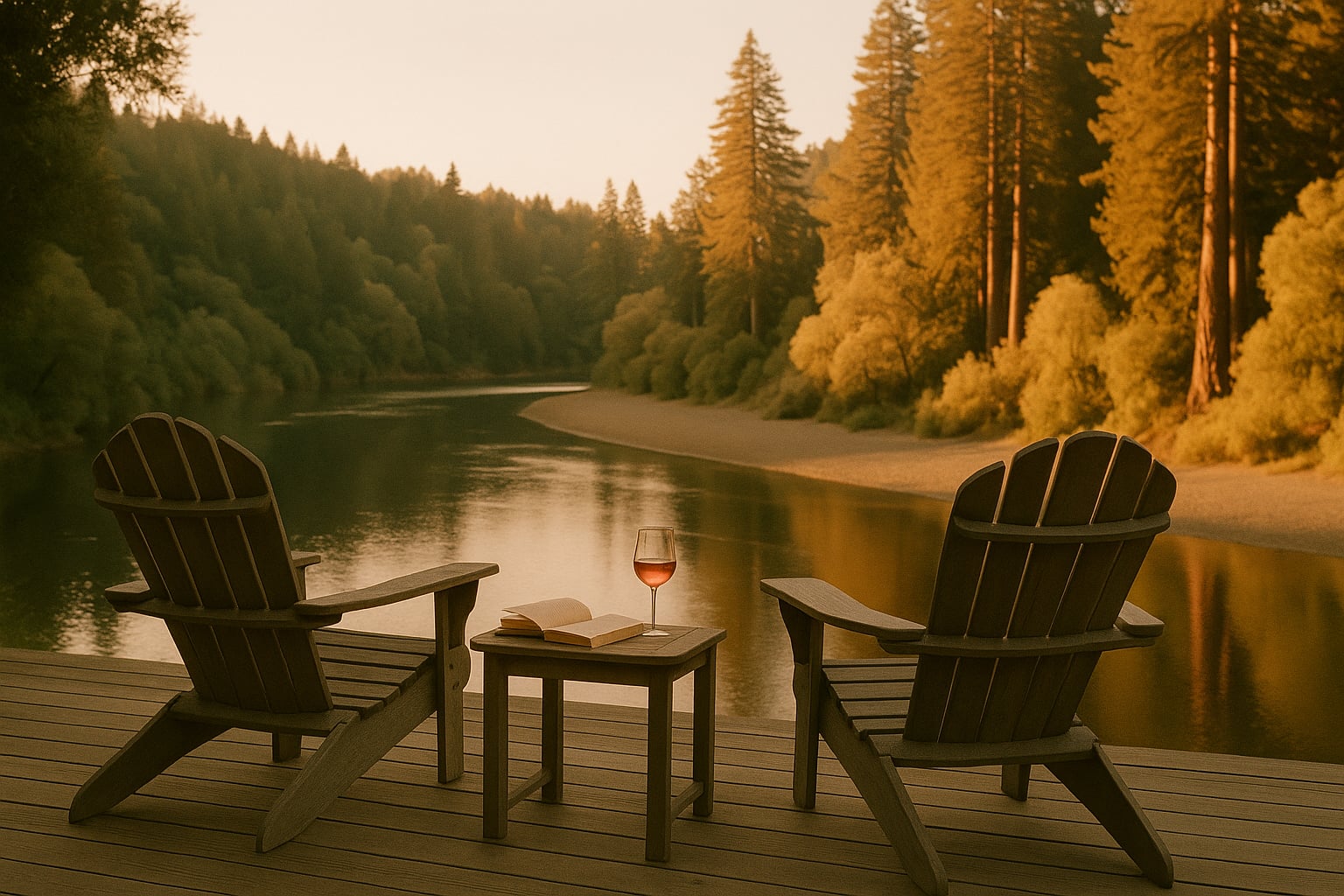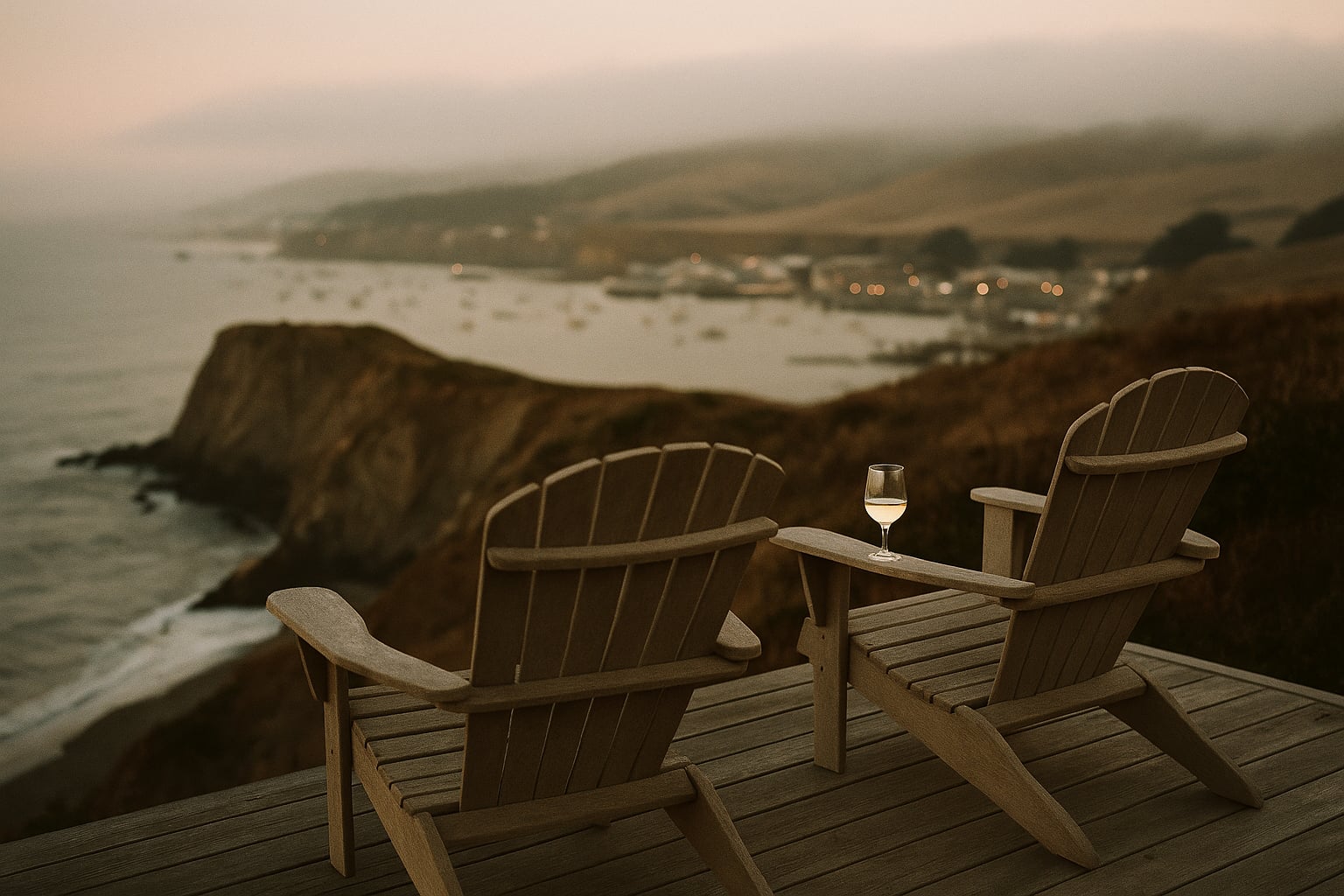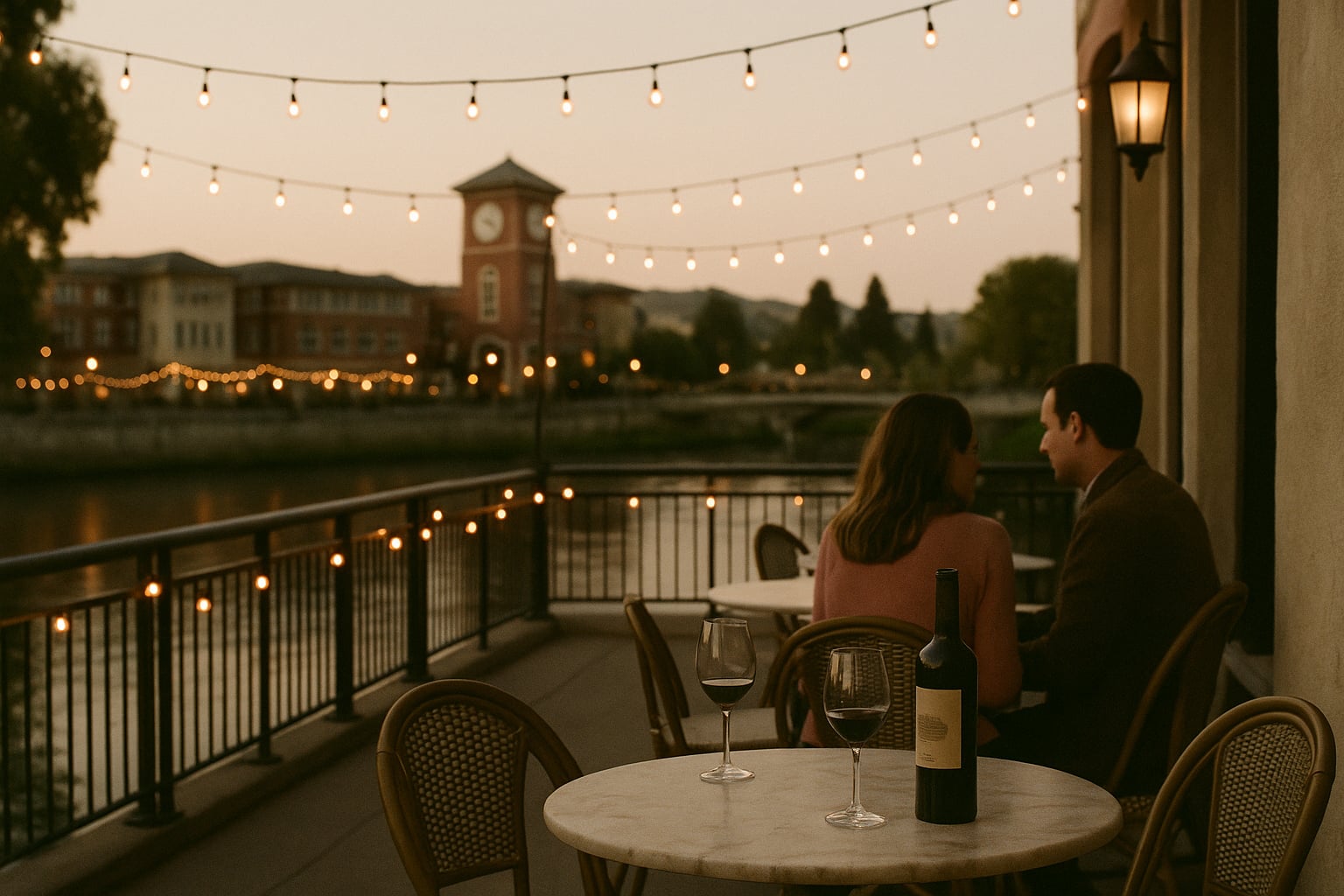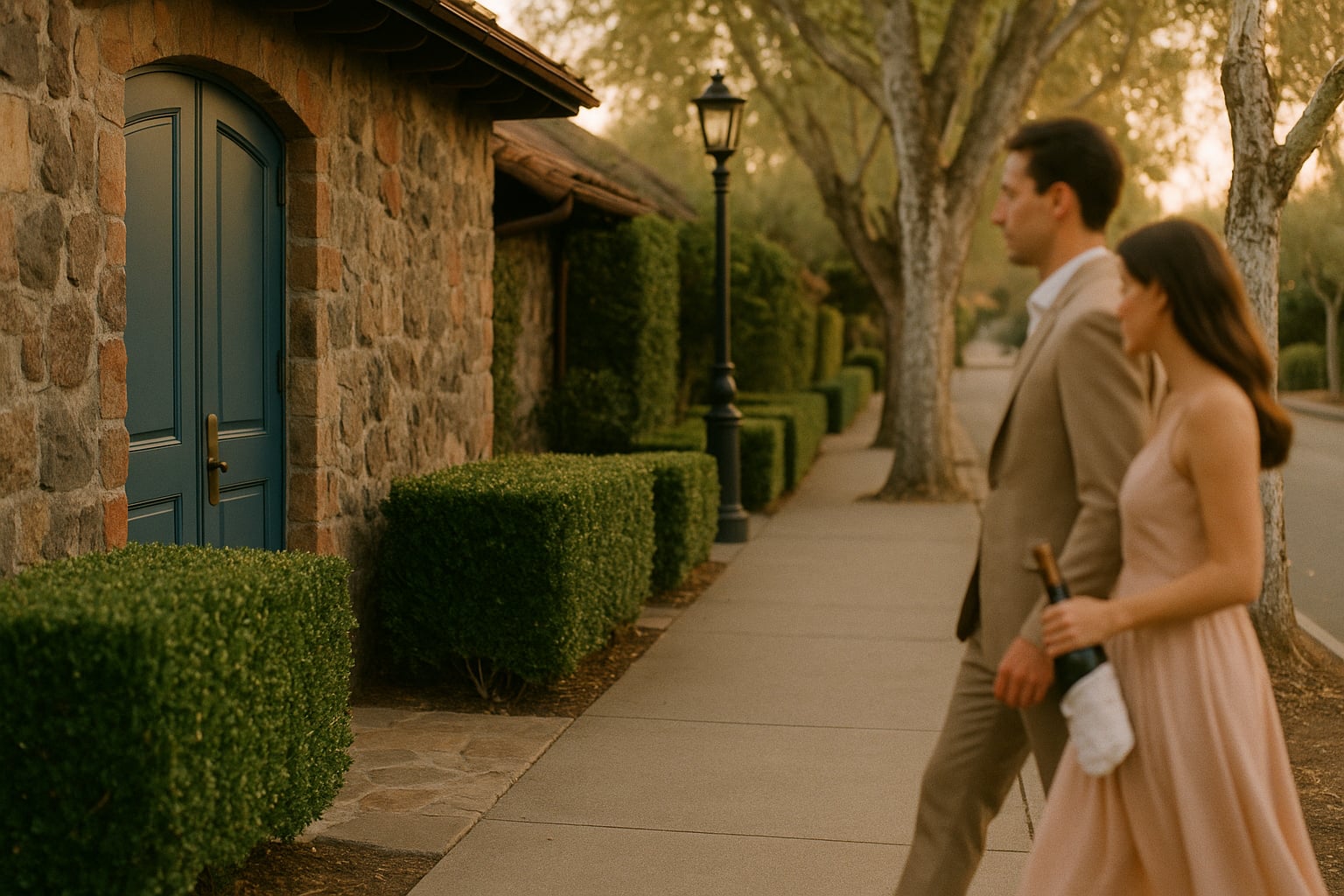
The slow dinner is a small act of resistance against the era of optimized everything. Pour the wine before the food is plated. Set a timer for the conversation, not the oven. The point is not the meal — the meal is the excuse.
Most of us have internalized the logic of efficiency so completely that we've stopped noticing it. We eat while working. We talk while scrolling. We schedule intimacy like a dentist appointment and wonder why it feels transactional. A slow dinner — genuinely slow, the kind that takes two hours and produces nothing but conversation and the occasional sound of a fork on a plate — feels radical because it asks you to do something contemporary life has trained you not to do: sit still with another person and let time pass.
This is not about cooking skills or ingredient sourcing or plating technique. You can make pasta and salad and call it dinner. The slow dinner works because of structure, not sophistication. It works because you've decided, in advance, that for the next two hours, this table is the only place that matters. Your phone is in another room. The dishes will wait. There is no second screen, no half-attention, no escape route.
Why Slowness Feels Like Luxury
Neuroscientist and relationship researcher Stan Tatkin describes long-term couples as a "psychobiological system" — meaning your nervous systems are literally linked. When you're rushed, distracted, or defensive, your partner's body knows it. When you're present and regulated, they feel that too. A slow dinner is a way of saying, with your whole body: I am here. You have all of me.
There's also the simple fact that desire, according to therapists who study it, is a downstream effect of nervous-system regulation. You cannot feel attracted to someone while you're anxious about time. You cannot feel curious about them while you're mentally running through tomorrow's to-do list. The slow dinner removes the conditions that kill intimacy — hurry, distraction, the low-grade panic of not enough hours — and replaces them with something your nervous system recognizes as safety.
This is why the slow dinner works even when the conversation is mundane. You're not waiting for fireworks. You're not performing desire. You're simply allowing your attention to settle on another person for an extended period, which is something most long-term couples rarely do anymore. The intimacy emerges from the structure itself.
The Architecture of Two Hours
The slow dinner has a natural rhythm if you let it. Start with something small — soup, an appetizer, a cheese course. This is not filler. This is a transition. You're moving from your day into this room. You're giving your body time to downshift. Pour the wine now. Light the candle. Dim the overhead lights. These are micro-signals to your nervous system that you've left ordinary time.
The main course arrives when conversation has already begun. By then, you're not eating to fuel your body through the next thing — you're eating because it's part of the ritual. You're pausing between bites. You're noticing flavors. You're looking up and seeing your partner's face in candlelight, which is objectively different from seeing them in the fluorescent glare of your kitchen at 6:47pm while one of you is still in work clothes.
The final course — dessert, or just more wine, or nothing at all — extends the table. This is when the best conversations often happen, when you've both relaxed enough to say things that require vulnerability. There's no rush to clear the plates. There's no transition to the couch and screens. You're still here. You're still together.
The Discipline It Takes
The hard part is not the cooking. It's the commitment. You have to actually leave your phone in another room, which means you cannot check it "just once." You have to actually not turn on the television afterward. You have to actually prioritize this dinner over other things — not because it's more important in some abstract sense, but because for these two hours, you're deciding that it is. This is a form of discipline that our culture does not reward.
If you have children, the slow dinner requires logistics. A babysitter, or older kids who are occupied, or a weekend when everyone is asleep by the time you sit down. If you both work, it requires saying no to something else. If you're tired — and you are always tired — it requires choosing this instead of collapsing on the couch. These are real constraints. The slow dinner is not a solution for people with unlimited time and energy. It's a practice for people who have chosen to protect some time and energy for their relationship, despite everything else.
Start small. One slow dinner a month is enough to change something. You don't need it to be perfect. You don't need to cook from scratch or set a formal table. You need candlelight, wine, food that takes longer than fifteen minutes to eat, and the agreement that you're both staying for the whole thing. You need your phones gone. You need permission to be bored for the first twenty minutes while you both settle in. And then you need to notice what happens when you're not rushing.
What happens is this: you remember why you chose each other. Not because anything dramatic occurs, but because you finally have space to see the person across from you without the static of modern life in between. You notice their hands. You hear the rhythm of their speech. You laugh at something that's not particularly funny, just because you're together and unhurried. And when you finally leave the table, hours later, something in your nervous system has shifted. Something in your relationship has too.