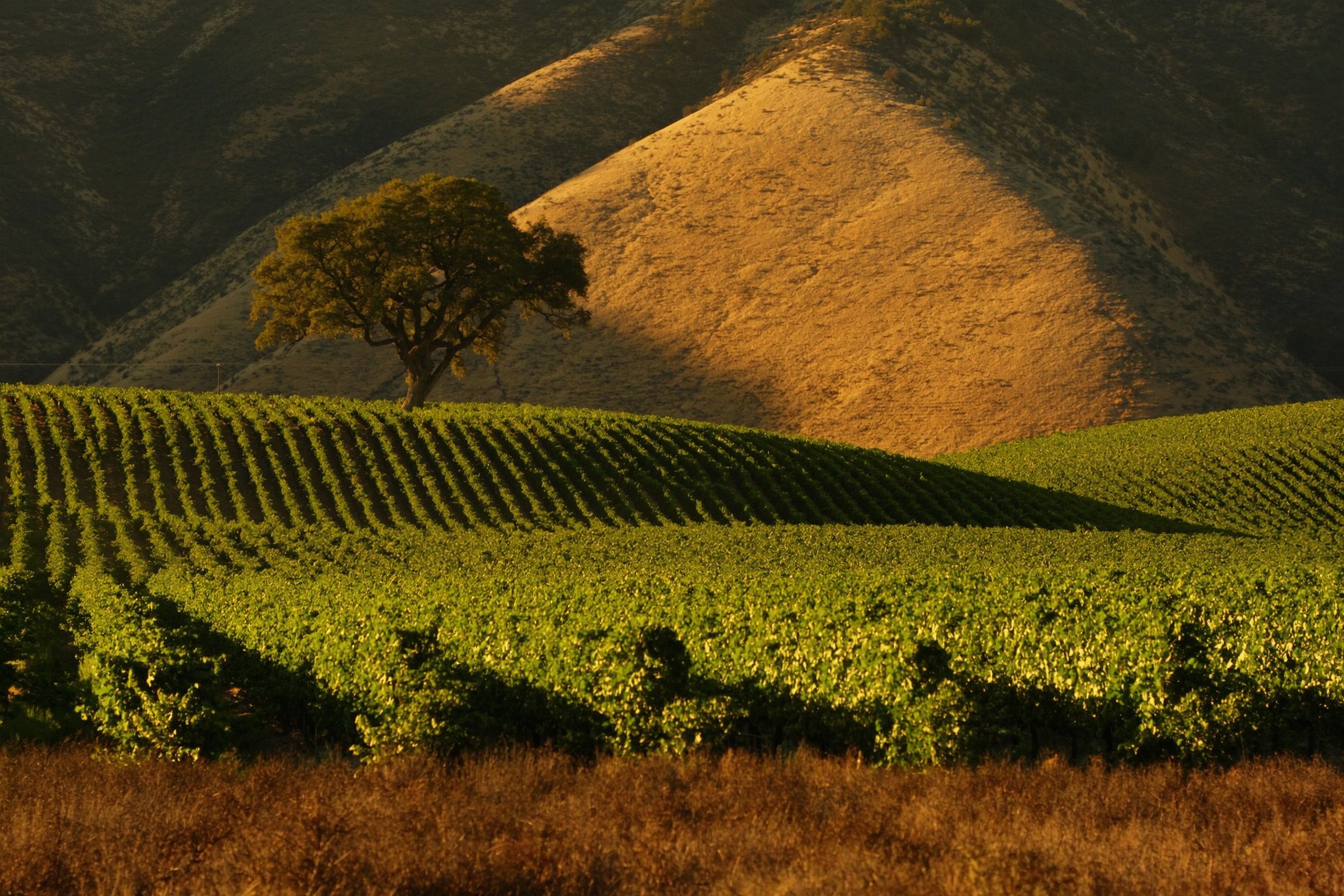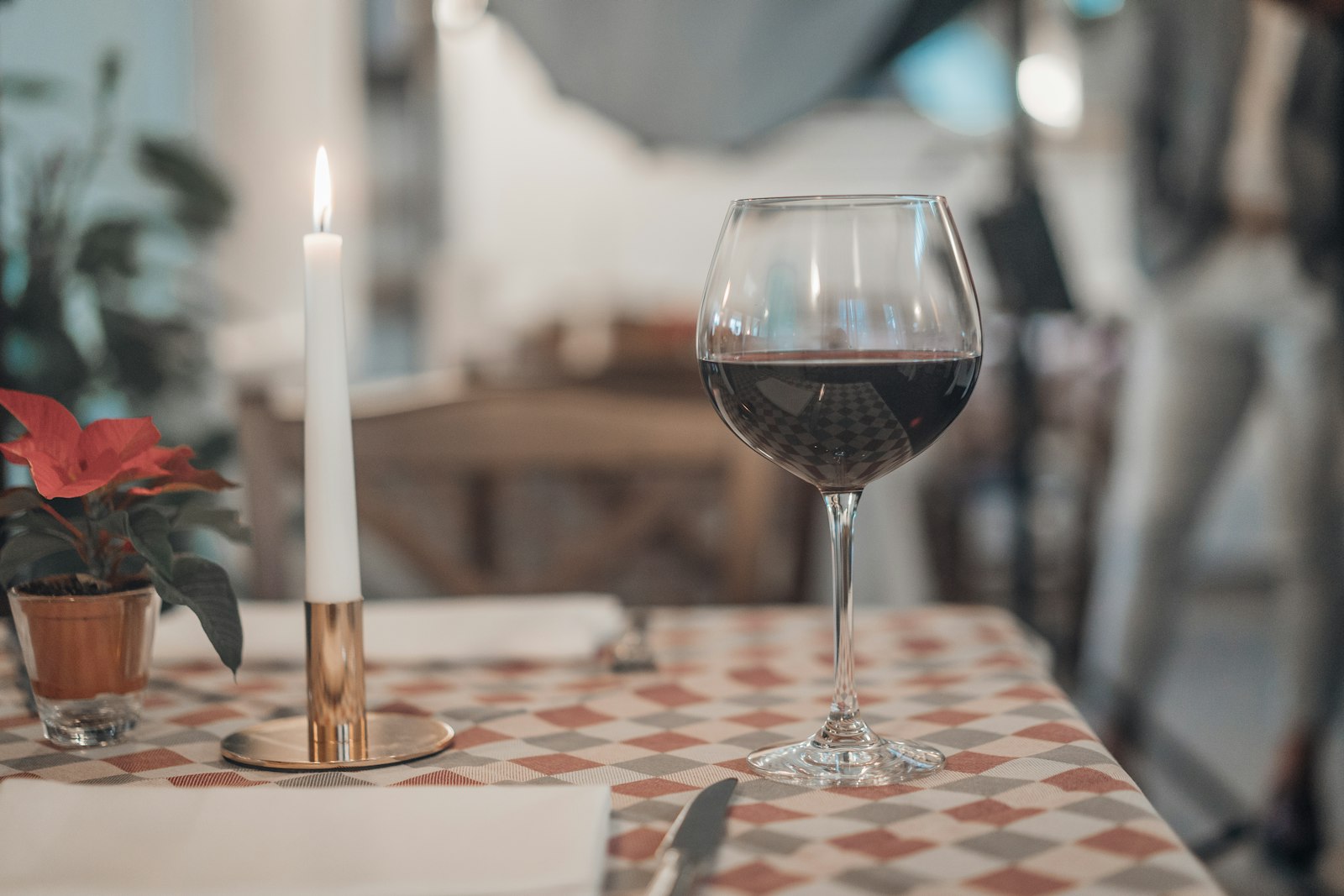
You made a reservation somewhere in Yountville. Or maybe Healdsburg. Somewhere with a prix fixe and a waitlist you got onto six weeks ago. And then, somewhere between the second glass at the tasting room and the drive back on 12, one of you said do we actually have to go?
You didn't. You already knew that.
What you didn't know was that canceling the reservation would feel like a decision instead of a failure. That stopping at the Sonoma Plaza Market on the way back, still a little wine-warm, still talking in that loose way you only talk on trips, would become the best part of the whole weekend.
Why the Rental Kitchen Changes Things
Restaurants are designed for a particular kind of romance. The one with good lighting and plausible deniability. You're performing slightly. You're a little dressed. Someone brings things to your table and you consume them gracefully.
That's lovely. It's also easy to disappear into.
The rental kitchen asks something different. There's no server to interrupt the silence if it gets uncomfortable. No ambient noise to hide behind. Just you, whoever you brought, a cutting board that belongs to strangers, and whatever you pulled off the shelf at the last minute. That's closer to real life than any candlelit prix fixe.
The Actual Rhythm of the Evening
It starts with the market run. This is not optional. The Sonoma Plaza has what you need — good cheese, something green, pasta or protein, bread you don't strictly require. You wander a little. You argue gently about whether to get the burrata or just a wedge of aged manchego. You get both.
Back at the rental, someone opens the wine. Not a ceremony. Just a cork pulled in a kitchen that smells faintly of other people's weekends. You find a playlist or don't. You divide the tasks without discussing it, the way couples do when they actually know each other. One person handles the cheese board. The other finds a pan.
This is the part nobody photographs. And it's the part that counts.
There's something about cooking in an unfamiliar kitchen that loosens the usual script. You don't know where anything is. You're adapting. The olive oil is the wrong brand, the burner runs hot, you can't find a colander and end up improvising. All of this is, improbably, fun.
What You're Actually Doing When You Cook Together
You're not just making dinner. You're moving around each other in a small space, which is an old and underrated kind of closeness. Handing someone a glass without looking. Tasting off the same spoon. Getting slightly in each other's way and not minding.
These are micro-behaviors that signal something bigger: I'm comfortable enough to be unglamorous with you.
It's a different register than the tasting room conversation, which was its own good thing. This is lower. Quieter. You're not performing your relationship. You're just inside it.
The best evenings don't announce themselves. You usually only recognize them around midnight, when you're still at the table with an empty bottle and no desire to move.
— MLL
The Table Setting You Bother to Make
Set the table. This sounds obvious and also like something people skip. Don't skip it.
Whatever the rental has: cloth napkins, a candle from the bathroom, mismatched wine glasses. Lay it out properly. The small effort of making a table signals that this meal is intentional. That you're not just eating standing over the counter. That the evening has a shape.
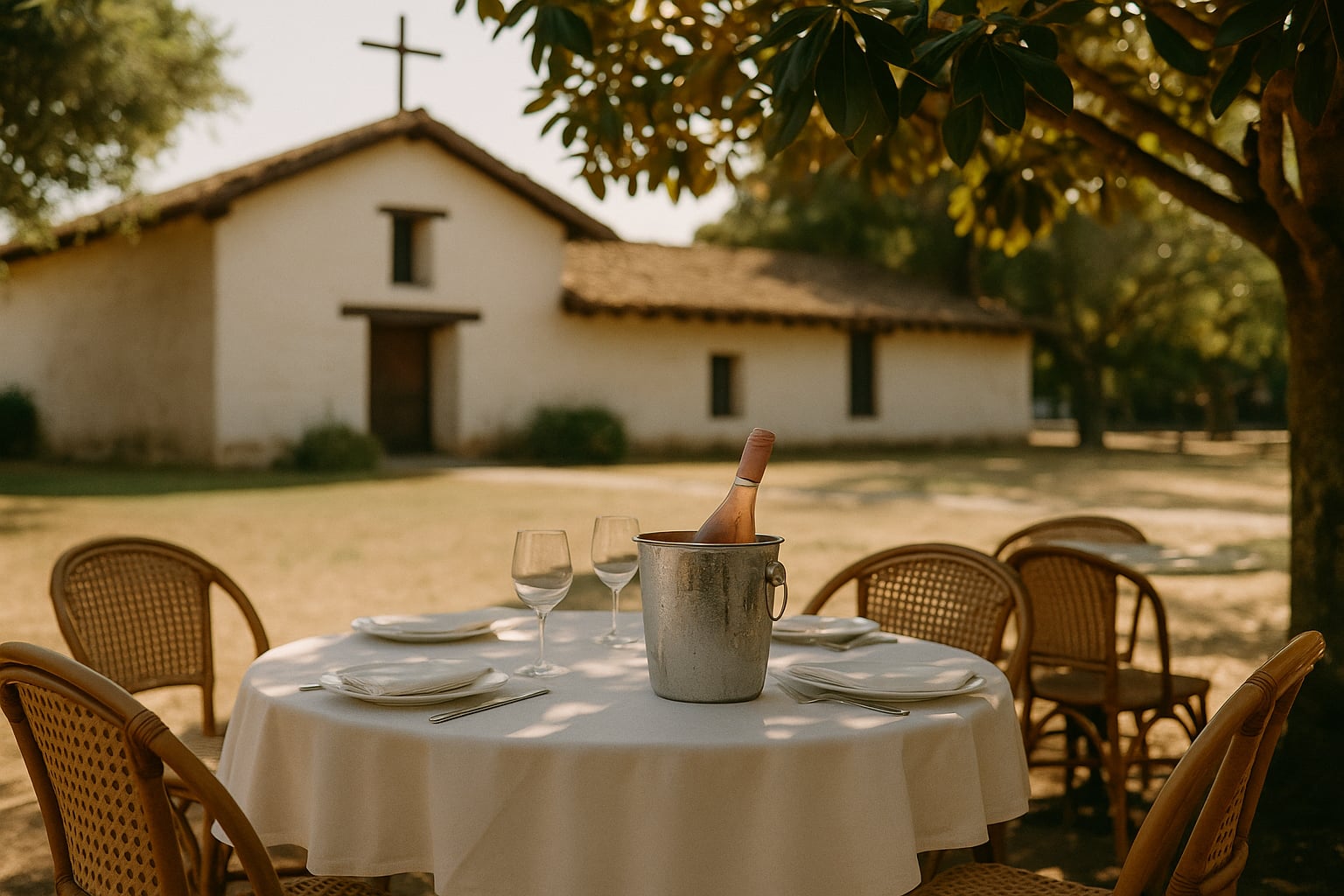
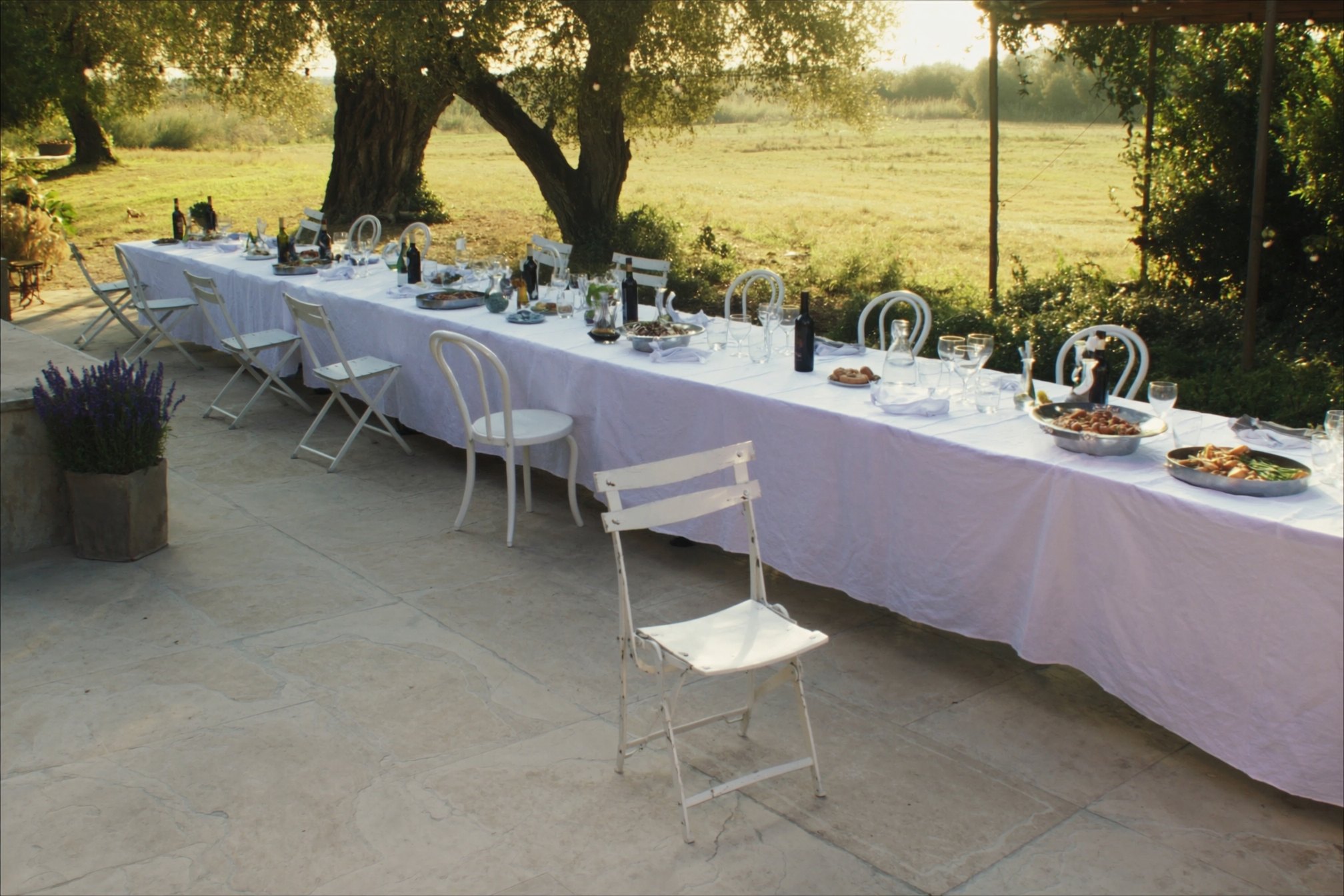
The outdoor table, if the rental has one, is almost always the right call. Sonoma evenings in late spring and fall have a particular weight to them. Warm but not hot. The air does something when the sun goes down. Dinner outside in that light, with the right glass and someone across from you who knows you, is genuinely hard to beat.
The Wine Question
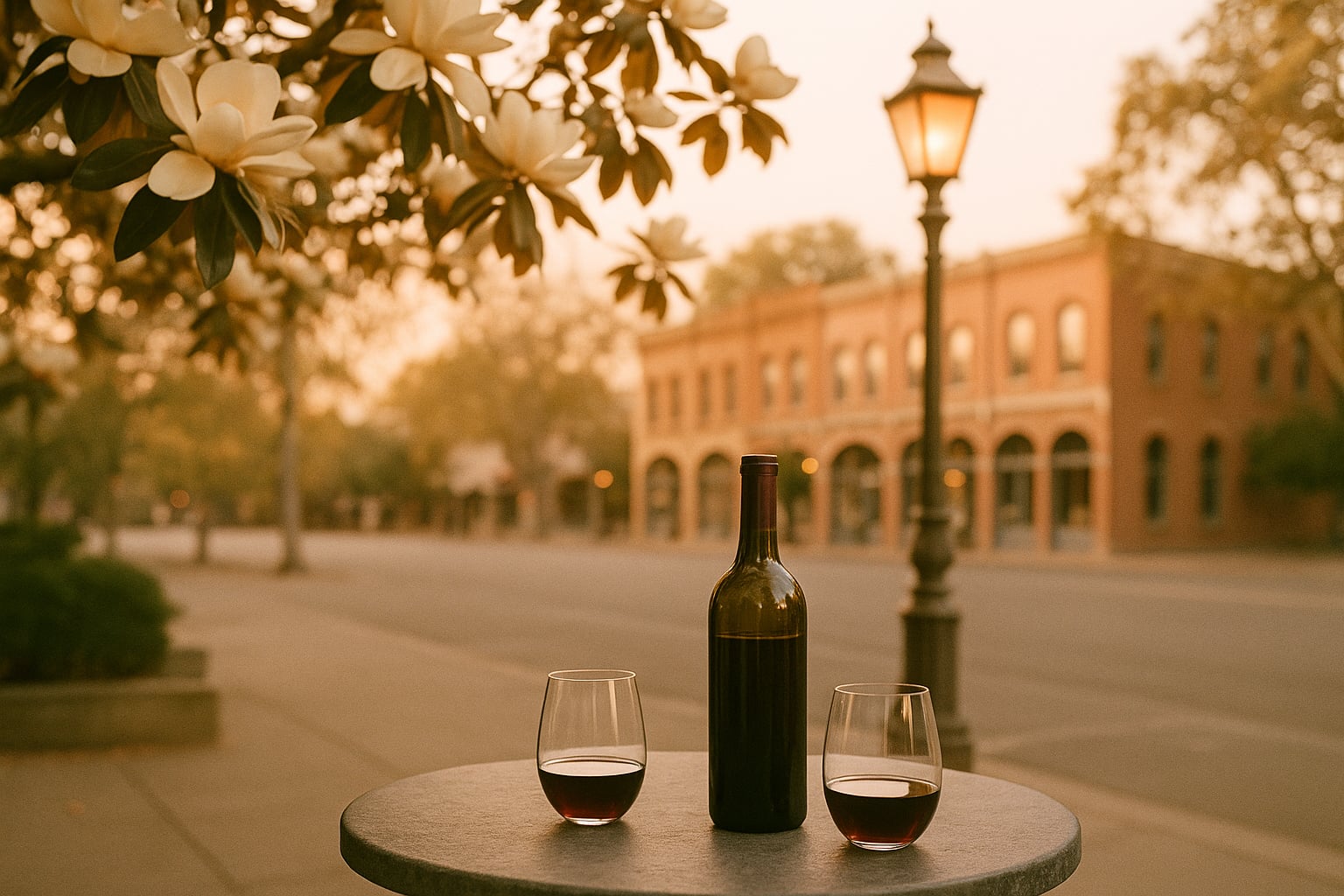
You probably have something you picked up at a tasting. Open the better one. This is always the right call. The bottle you're saving for a special occasion is always less special than the actual evening you're in.
If you're in Healdsburg or somewhere near the Dry Creek, you've almost certainly got a Zinfandel or a Grenache that pairs with whatever improvised pasta you're making. If you're closer to Sonoma proper, maybe a Pinot. The point isn't the pairing. The point is drinking something genuinely good, slowly, with nowhere to be.
After Dinner, Which Is Where It Gets Good
The meal finishes. Neither of you clears the table immediately. This is correct behavior.
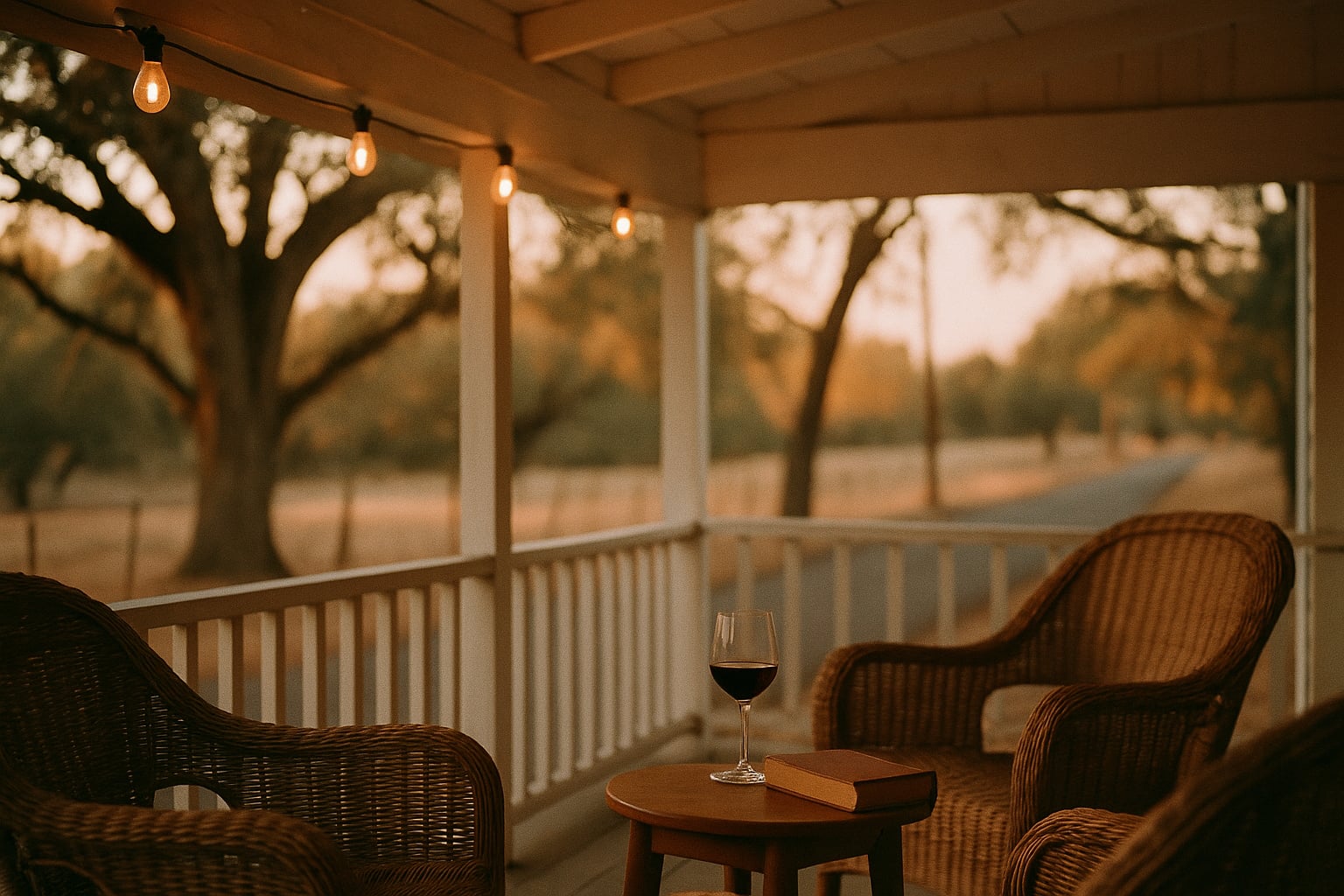
Staying at the table with a third glass and no particular topic is one of the underrated pleasures of a trip. You've had the structured conversation, the tasting room opinions, the what-do-you-want-to-do-tomorrow logistics. Now it's just the leftover evening. The candle getting low. The comfortable kind of quiet that means something good.
This is a different intimacy than what happens later, in the room with the good mattress and the blackout curtains. But it leads there naturally, if that's where you're going. The slow dinner, the low light, the warmth of the wine: these aren't incidental. They're the whole setup.
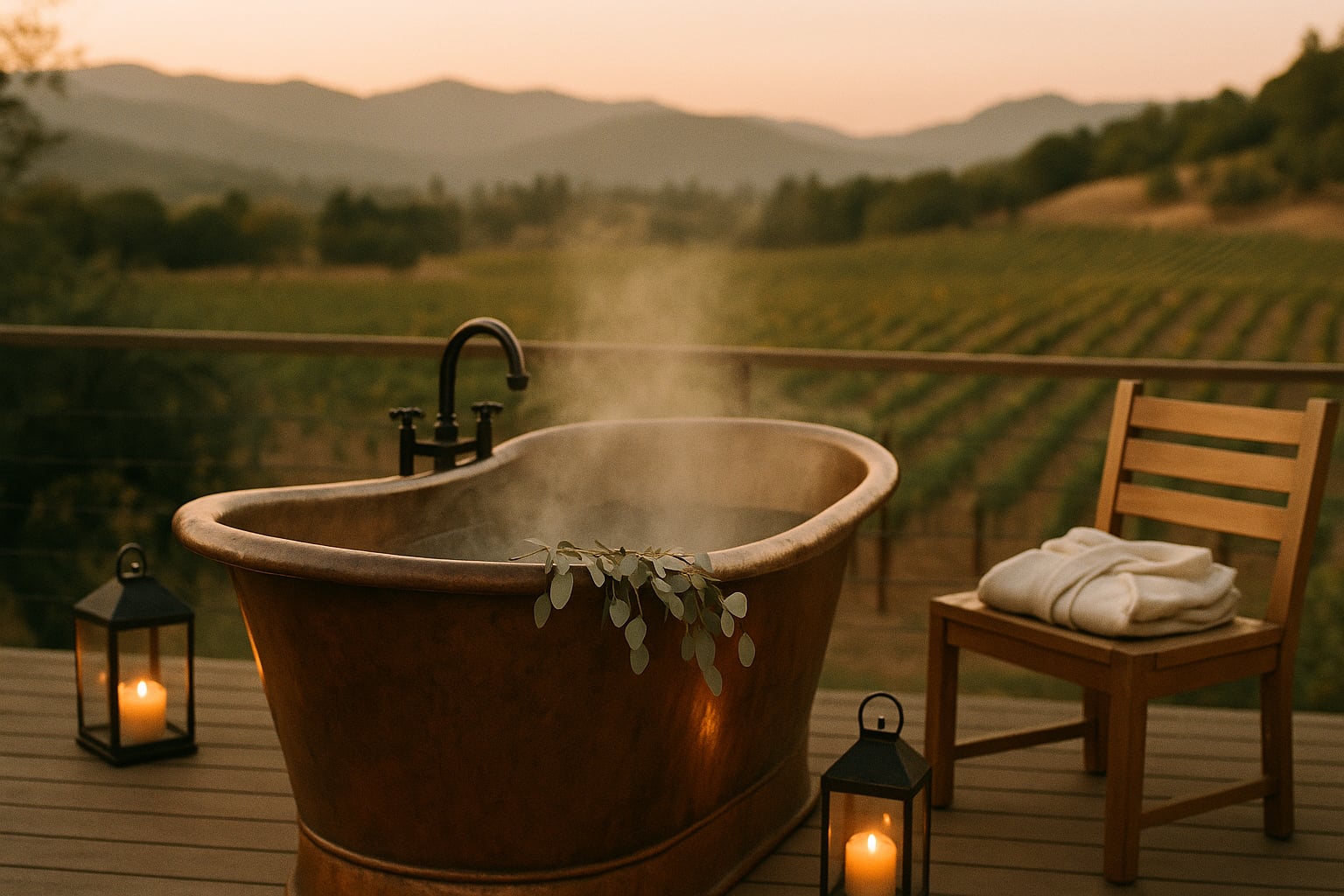
You don't need Indian Springs or a spa treatment or a reservation at a Michelin place to have a night that matters. Sometimes the thing that matters is the one you almost talked yourselves out of.
The Version That Requires Almost Nothing
Good olive oil. Salt. Whatever looked good at the market. A bottle you actually want to drink. The willingness to stay in when going out would have been easier.
That's the whole recipe.
The Sonoma weekend you remember won't be the reservation. It'll be the night you canceled it. The kitchen that smelled like someone else's garlic. The playlist that was slightly wrong and then right. The table you bothered to set. The bottle you were saving that you opened anyway, because it was already the special occasion you were waiting for.