Somewhere in a straight couple's first apartment, there's a drawer full of inherited rituals they didn't have to invent. Sunday dinners from his family. A birthday tradition from hers. An anniversary protocol assembled from years of watching other people's anniversaries. They might resent it later. But they got the starter pack.
You didn't.
If you're queer and partnered, you probably pieced your relationship together the way you pieced yourself together: without a map, trusting your instincts, figuring out what fit and discarding what didn't. Some of it was disorienting. Some of it was quietly thrilling. Most of it was both at once.
The Blank Page Feels Like a Problem. It Isn't.
There's a specific low-grade grief that shows up around milestones. Engagements with no script for who proposes or whether proposing is even the right frame. Anniversaries with no inherited weight. Holidays where your family's version of the holiday never included you as this version of yourself.
The grief is real. Don't skip past it.
But underneath the grief is something worth naming: you are doing creative work that most couples never have to do. You are not defaulting. You are deciding. Every time.
We didn't have a model for what our relationship looked like at five years, so we just kept asking each other what we actually wanted. Turns out that's... the whole thing.
— reader, Oakland
What Rituals Actually Do
Rituals are not sentimental. They're structural. A ritual is a repeated action that says: this is real, this is ours, this counts. It marks time. It signals safety. It tells your nervous system you're in a place you've been before.
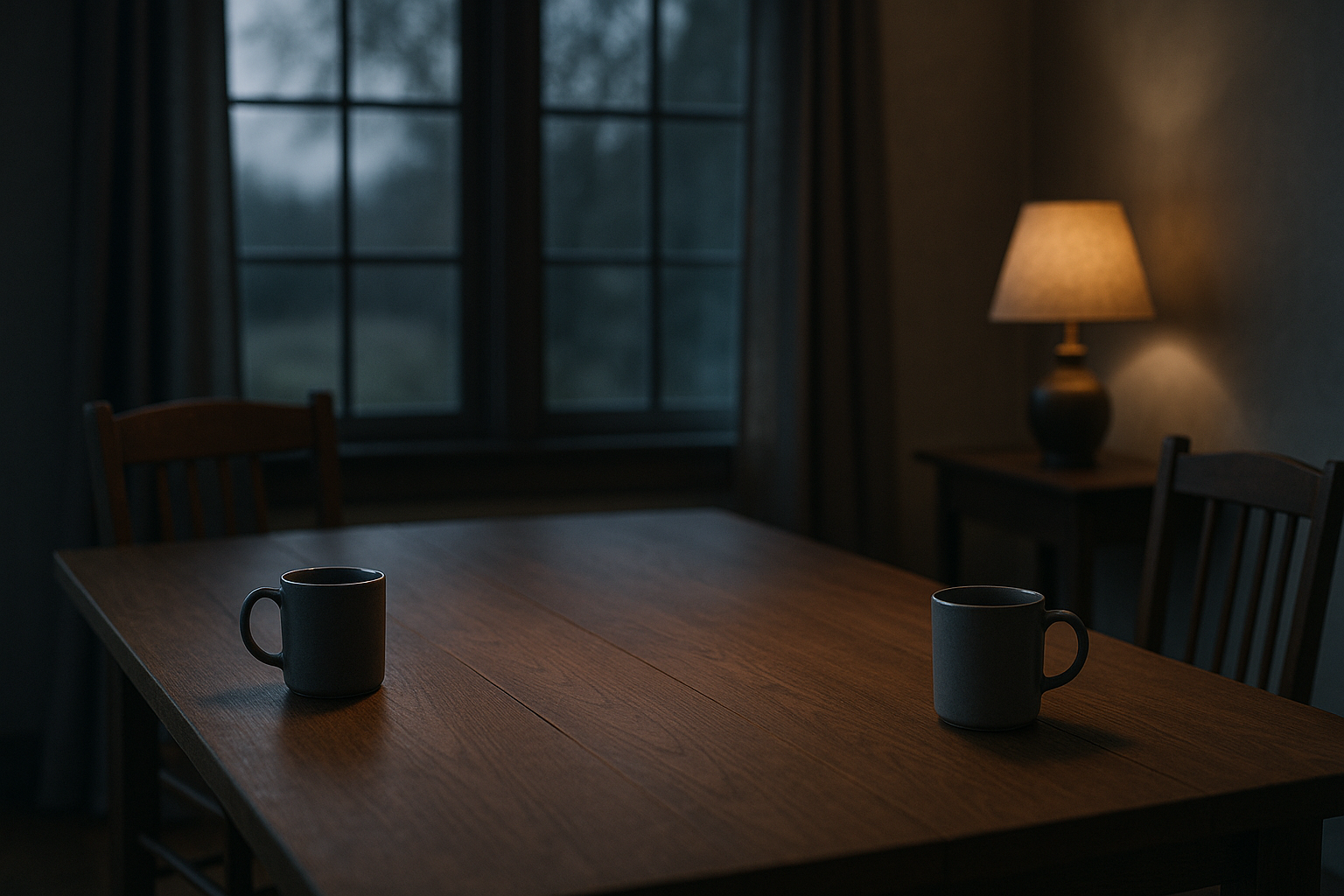
The Saturday morning coffee that one of you makes, always, in the same mugs. The way you text each other a stupid meme before any difficult conversation, just to take the edge off. The annual drive with no destination down a Sonoma backroad that somehow ends at the same tasting room every time.
These aren't decorative. They're load-bearing.
The Specific Labor of Building Without a Blueprint
Here's what nobody credits you for: the sheer number of conversations you've had that straight couples just... don't. How you split finances when marriage wasn't legal yet, or still feels fraught, or simply doesn't apply to your structure. Whose family to spend time with when one family didn't come around until year four. What to do with the holiday your partner's family celebrates and yours doesn't.
Those conversations are not failures of compatibility. They're the blueprint being drawn in real time.
The couples who have been doing this longest — the ones who've been together eleven, fifteen, twenty years — often describe this as the thing they're most proud of. Not the longevity. The deliberateness.
Micro-Rituals Are the Real Ones
Big rituals get the credit. The anniversary trip to Healdsburg. The Pride weekend that's become its own annual architecture. The ceremony, if you had one, and the reception playlist you spent weeks arguing about.
But the micro-rituals are where the relationship actually lives.
The one where you always narrate the plot of whatever show the other person missed. The specific order of Sunday morning: coffee first, then phones, then talking. The way one of you runs a bath when the other is dysregulated, without being asked, because that's just what happens now.
You probably have fifteen of these and have never named them out loud. Name them. They're holding more than you think.
When Traditions Conflict with Identity
Some rituals you inherit turn out to be wrong for you. Not slightly off: wrong. The gender dynamics baked into them, the assumptions about who does what, the scripts that assume a particular kind of body or desire or role.
Scrapping those isn't loss. It's editing.
One partner realizing mid-relationship that they're nonbinary changes the shape of certain rituals. One partner coming out more fully — to family, to themselves — changes what the holidays mean. These aren't relationship crises. They're the relationship evolving to fit the actual people in it.
The couples who handle this well tend to have one thing in common: they stay curious about each other. They treat each other as slightly unfinished. Not incomplete. Unfinished — still becoming.
How to Actually Build a Ritual (Without It Feeling Forced)
Rituals you announce rarely stick. Rituals you notice and name do.
You've probably done this thing three times now and it felt good every time. Say that out loud. Hey, I think this is becoming our thing. That's it. That's the whole move.
Specificity is what makes them yours. Not "we do something nice on anniversaries." We go to that cave tasting in Napa and we don't make a reservation and we talk about the year over the second pour. Not "we check in with each other." We do it at 9 PM, on the couch, phones face-down, five minutes, no agenda.
The specificity is the ritual. The ritual is the relationship.
The Tradition You're Building Is Also a Record
Ten years from now, your rituals will tell the story of your relationship better than any photo does. The physical weight of it: the silk robe that became the Sunday robe. The specific wine that became the anniversary wine. The playlist that became the road trip playlist that became the thing you play when everything is hard.
This is the archive. You're building it right now.
There's something in that worth pausing on. Not many couples know, in real time, that they're writing something. You do.
FAQ: Building Relationship Rituals Without a Template
Why do queer couples have to build rituals from scratch?
Most relationship rituals are inherited: family patterns, cultural scripts, gender roles. Queer couples often can't import those wholesale, because the templates don't fit their structure, identities, or dynamic. That means more deliberate design — which is harder, and also more intentional.
What counts as a relationship ritual?
Anything repeated with intention. It doesn't have to be ceremonial. A specific way you end a fight. A coffee order you make for each other without asking. The drive you take every fall. Rituals mark time and signal safety. Small ones count as much as big ones.
What if our rituals stop fitting as we change?
You edit them. Relationships that survive identity shifts — someone coming out more fully, someone's gender evolving, someone's relationship to their family changing — tend to be ones where both people stay willing to renegotiate. The ritual serves the relationship; the relationship doesn't serve the ritual.
How do you start a new ritual without it feeling awkward?
Name what's already happening. If you've done something three times and it felt good, say: I think this is becoming our thing. Rituals announced in advance rarely stick. Rituals noticed and named almost always do.