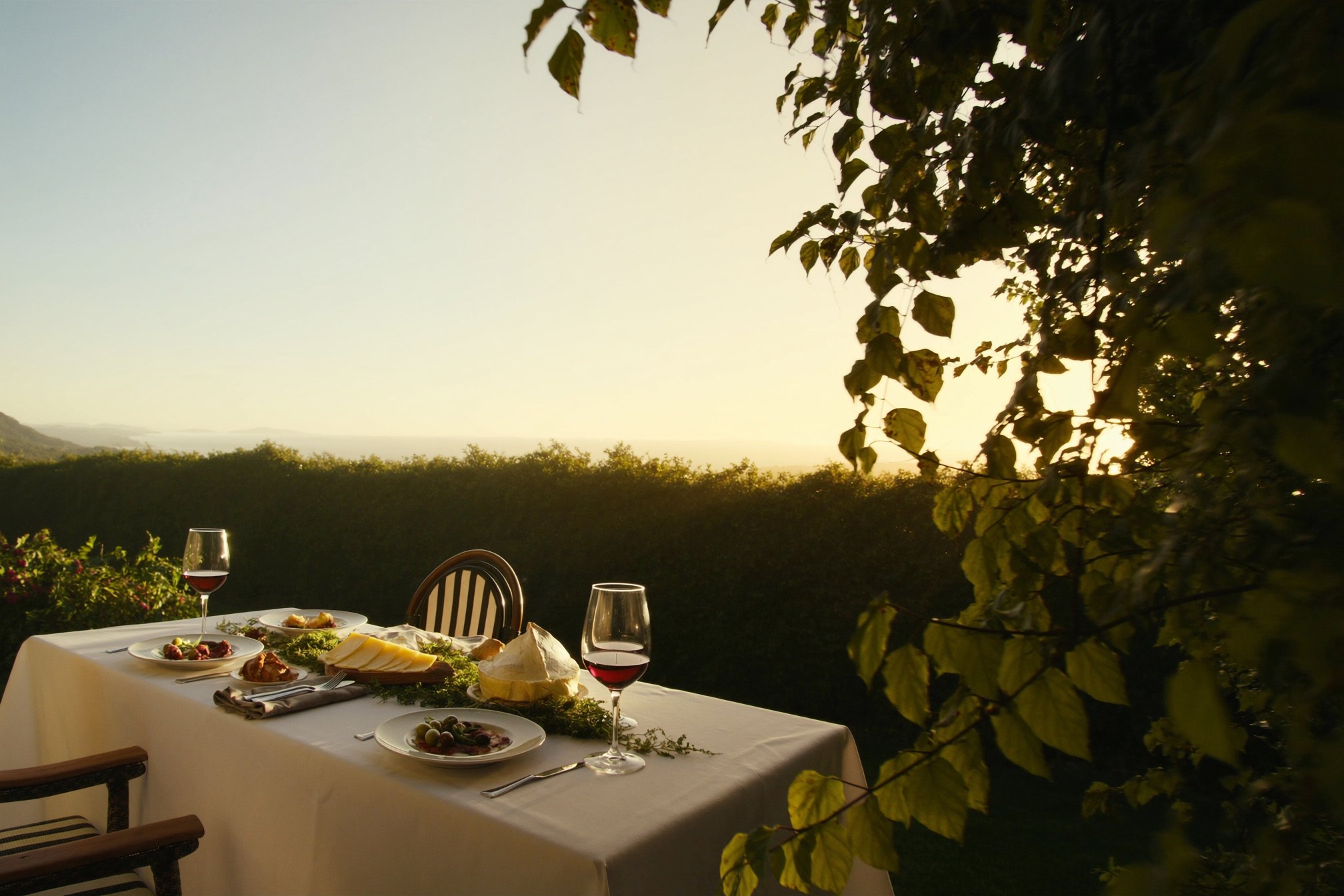
It gets dark at 4:47 PM and somehow you still schedule your way through it. A show queued up, a podcast downloaded, phones face-up on the coffee table, the night ticking toward sleep like a task list. January hands you the longest, most genuinely unoccupied evenings of the year. And most couples treat them like a problem to solve.
The Agenda Is the Problem
Here's the thing about planned romance: it performs. The reservation, the candles ordered online, the carefully selected playlist. It signals effort, which matters. But it also creates an audience. You're both watching the evening happen instead of being inside it.
An unplanned winter night removes the performance. There's no moment you're building toward. No dish to describe to friends later. Just the particular quality of staying still together when it's cold outside and the apartment smells like whatever you made at six.
The most intimate nights we've had weren't dates. They were the ones where we just... didn't leave.
— MLL reader, 34
What Actually Happens When You Stop Planning
The first twenty minutes feel slightly wrong. There's the urge to suggest something — a movie, a game, a snack run. That discomfort is worth noticing. It's the withdrawal from constant forward motion.
Then something loosens. Someone ends up horizontal. A blanket gets pulled. One of you says something real — not a topic, not a problem to solve, just a thought that floated up because there was finally room for it.
That's the mechanism. Unstructured time creates conversational drift. And drift is where couples actually go deep, because no one's steering toward a point.
Winter Is Doing the Work — Let It
Cold weather creates the conditions most people spend money trying to replicate. The instinct to get close. The physical case for staying under something warm. The sensory permission of heavy socks, the weight of a wool throw, a candle burning because the overhead light felt harsh.
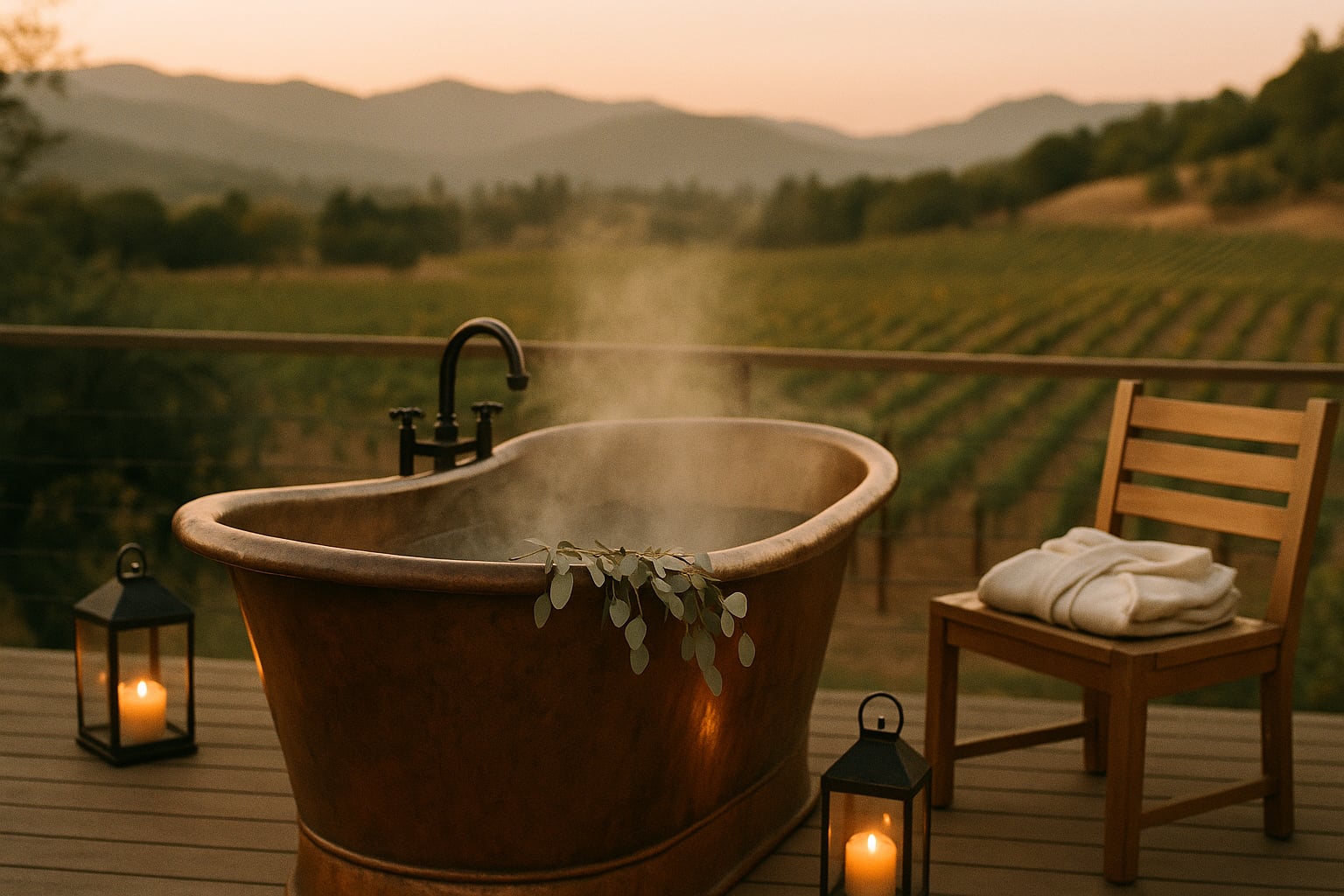
Spa towns like Calistoga build entire experiences around this logic: heat, darkness, limited stimulation, bodies at rest. You don't need to drive to Indian Springs for it. Your couch in January at 7 PM is offering you the same principle for free.
The season is doing the softening. Skin is drier, which means hands on a forearm feel more. The cold outside makes staying in feel like a choice instead of a default. That distinction lands differently in the body.
The Micro-Behaviors That Signal It's Working
You can usually tell within an hour whether a no-agenda evening is landing. Watch for: the phone put down without being asked. A silence that no one rushes to fill. Someone laughing at something small. A question asked without a purpose.
Those are not minor things. Those are the markers of a nervous system that's actually off. Which, if you've read anything about desire and stress, you know matters considerably to what might happen later.
The evenings that turn physical most naturally aren't the ones that started with intent. They're the ones that started with nothing. A back rub that wasn't strategic. A long look that nobody performed.
How to Actually Do Nothing (It's Harder Than It Sounds)
There's a version of this that collapses into parallel scrolling and doesn't count. That's two people being alone in the same room. It's not nothing — it's avoidance with company.
Actual nothing has some texture to it. One device, if any. Something in a glass. A room lit at a register that doesn't require anything of you. No screens for at least the first thirty minutes — not as a rule, just as a starting condition. Let the quiet be slightly uncomfortable before you try to escape it.
The Setup That Earns It
Pull the couch closer to whatever warm thing you have. Light comes from lamps, not overhead. The bedroom is already turned down. Wine or tea or both — something with a smell, something warm in the hands. If you have oil, it's on the nightstand. Not as a signal. Just as an option.
The setup is the only intentional part. After that, you're genuinely done planning.
What It's Not
It's not a technique. It's not date night rebranded as casual. It's not a hack for intimacy.
It's the actual thing — the low-lit, nowhere-to-be, you-and-me-and-this-cold evening that couples describe in their better memories. The kind of night that gets referenced years later in the way something good always gets referenced: sideways, in the middle of something else.
You don't remember the itinerary. You remember how it felt to be inside it.
The Question Worth Asking
When did you last have an evening with no plan, no queue, no pending task, and no reason to be anywhere in the morning? If the answer is a longer pause than you expected, that's useful information.
Winter won't last. The long darks in January, the specific permission that cold gives you to stay completely still: it has a window. The couples who use it don't do anything complicated. They just stop filling it.